Furnace Repair in Michigan
Homes in Michigan are older than in 40 of the other 49 states.
Tell us about the job
Takes about a minute. No obligation.
- 19°Fwinter overnight low where people live
- 8 monthsof heat, October through May
- $10.21 per million Btuwhat homes paid for natural gas in 2024 (Btu means British thermal units, a measure of heat)
- 1,744winter storms from 2015 to 2024
Your furnace earns its keep here. Eight months of heat, nights near 19°F.
- Northern counties need about 10% more heat than southern ones
- Winter nights average 19°F where people live
- Heat runs October through May
- 1,744 winter storms from 2015 to 2024
- Climate zones 5A, 6A and 7 across the state
- 34% of homes lost power a day or more in 2024
A tech starts by asking what the furnace is doing, or not doing, before touching anything. Short cycling, no heat at all, a smell on startup, a sound that wasn't there before. That answer points to a handful of likely causes before the panel even comes off. Then it's a look at the igniter, the flame sensor, the pressure switch, and a check of the flue for a blockage. Most calls come down to one part that's failed or a buildup that's choking airflow, and both show themselves pretty quickly once someone knows where to look.
Finding the cause is usually the fast part. The slower part is figuring out whether that part failing is a sign of something else going on, like a clogged filter that made the blower work harder than it should have, or a crack that shows up on a flame sensor test. A tech will tell you straight whether it's a part worth replacing or whether the furnace is telling you it's done. That answer should come with a reason attached, not just a recommendation, so you know what you're deciding and why.
Michigan runs its furnace eight months of the year
October is when Michigan furnaces start up, and October is when the first repair calls come in. A furnace that sat quiet since spring will show whatever was already wrong with it the first night it has to run for hours straight. Eight months of work, October through May, is a longer season than what 22 other states ask of their furnaces. That edge, the first cold nights after months of sitting idle, is when a weak igniter or a failing pressure switch tends to show itself. Homes here are older than in most counties too, which means more of those parts are closer to the end of what they can do.
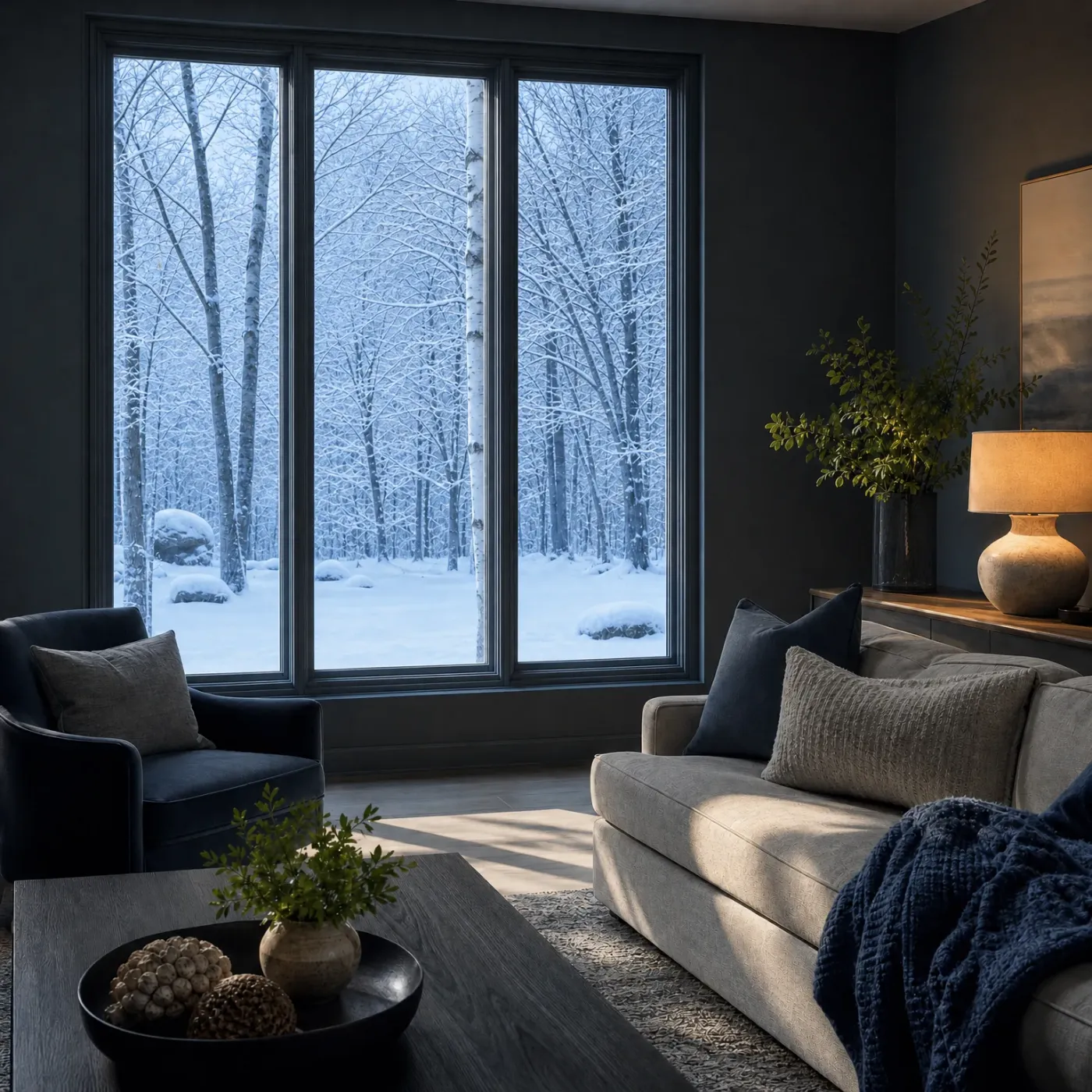
3 months of cooling, June through August
8 months of heat, October through May
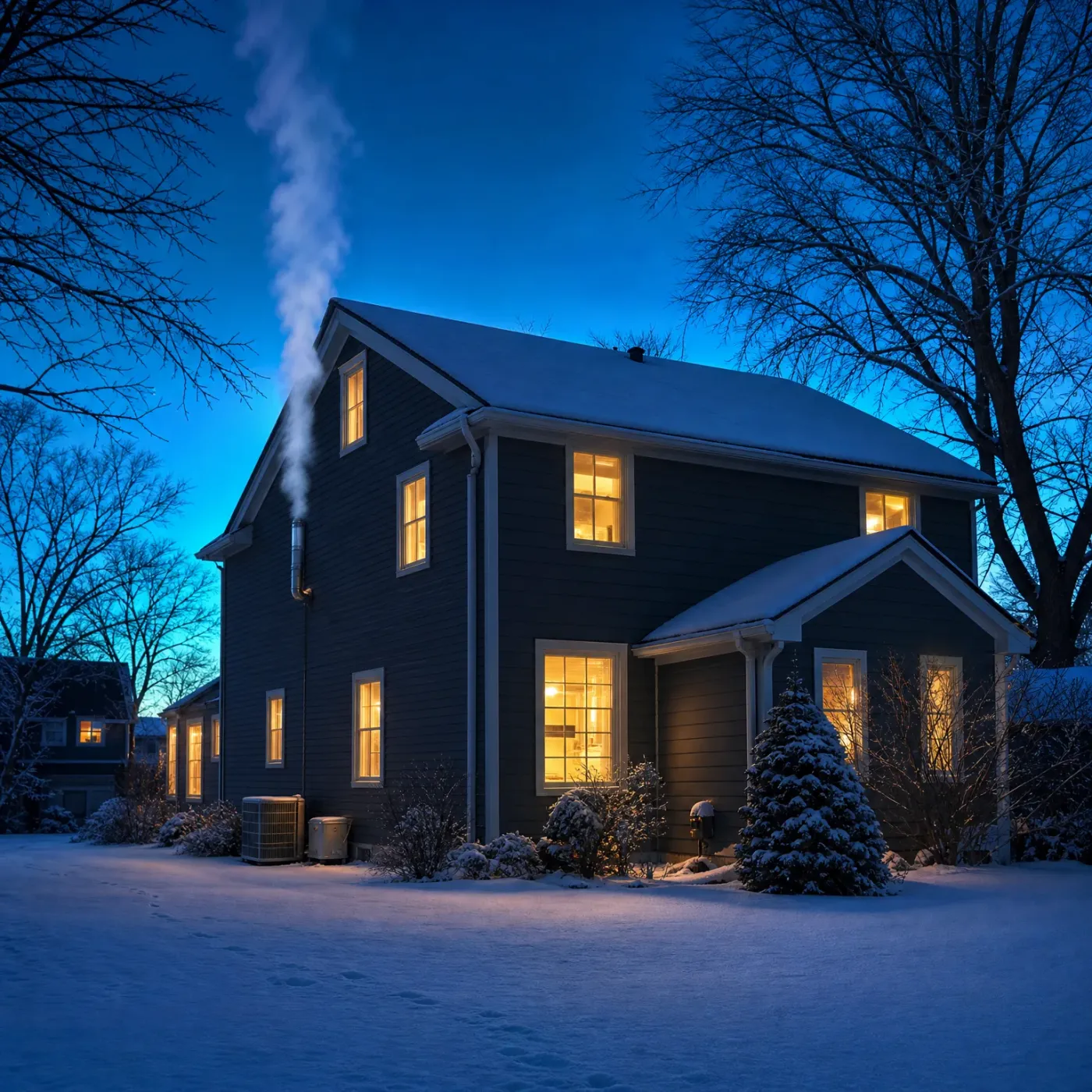
Iron County needs about 54% more heat over a year than Monroe County, which carries the lightest heating load in the state. That's the widest gap here, and it's worth knowing which side of it your home falls on before guessing what's wrong with your furnace.
Winters are hardest in Iron County, where the overnight average across December, January and February sits at 5°F. Monroe County sees 21°F those same nights. A furnace in Iron County is holding a line against cold that a Monroe County furnace never has to meet, and that difference shows up in which parts wear first.
Marquette County runs its furnace about 10 months a year, the longest stretch in the state. Wayne County gets by on about 8. A furnace running two extra months a year is cycling on and off that many more times, and every cycle is a chance for an igniter or a pressure switch to show its age.
Homes in Michigan's northern counties need about 10% more heat over a year than homes in the south. If you're in the north, parts tied to long, steady runtime, the blower motor, the heat exchanger, are the ones a tech will want to look at closely. In the south, a furnace sees less total strain, so a sudden failure is more likely to point to one bad part than general wear.
Where most Michigan households actually live, winter nights average 19°F. That's colder than in 36 of the other 49 states, which is part of why a furnace here is doing more than a furnace in most of the country, even before you account for which county it's in.
What does a furnace in Michigan face?
How cold do winter nights get?
19°Faverage overnight low where people live
North Dakota4°F
Hawaii65°F
How many months does the heat run?
8 monthsof heating a year
Hawaii0 months
Alaska12 months
What does natural gas cost?
$10.21per million Btu, what homes paid in 2024
Montana$7.77
Hawaii$53.25
How often do storms hit?
123severe weather events per county from 2015 to 2024
Alaska5
Wyoming1,057
How many homes lost power for a day or more?
34%of homes in 2024
Arizona7%
Maine54%
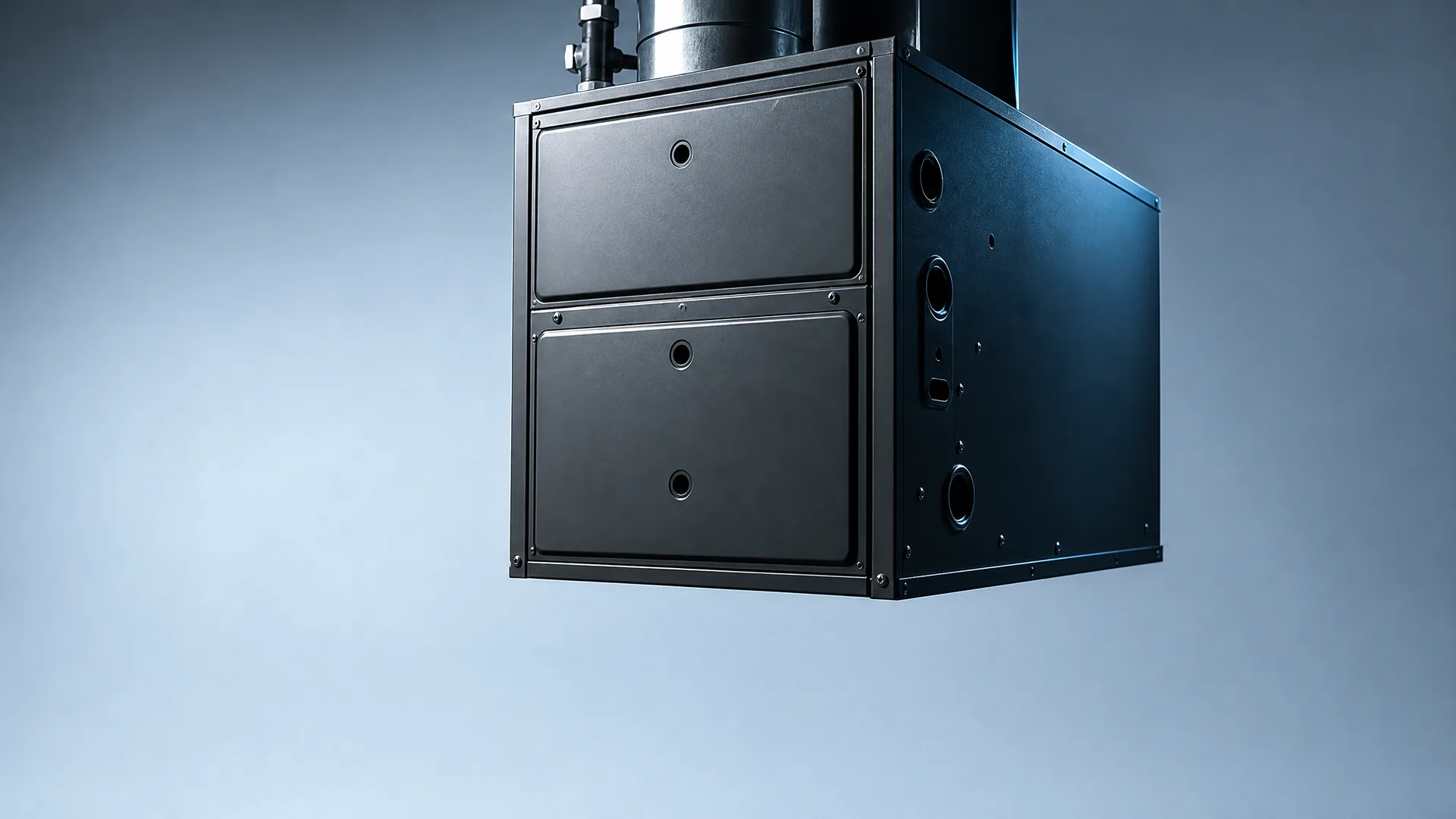
What it costs to keep this running
Natural gas ran $10.21 per million Btu in Michigan in 2024. That's the fuel behind every hour this furnace runs, and it's the same price whether the furnace is working the way it should or wasting gas because of a cracked heat exchanger or a blower that won't shut off. A furnace that short cycles or runs longer than it needs to is burning that gas without heating the house to match. That's part of why a tech checks for the cause of a problem instead of just clearing a code and moving on.
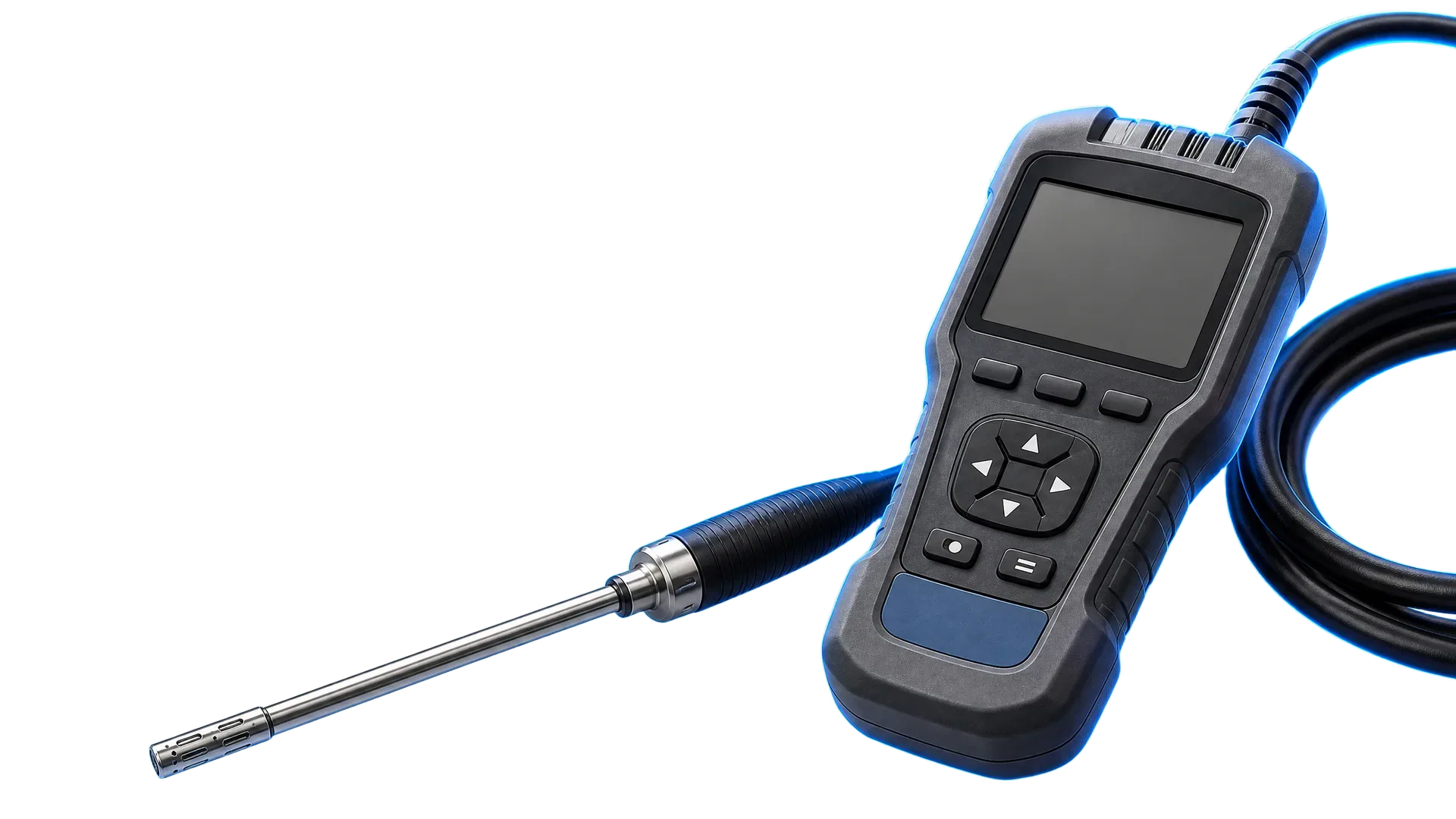
Why it's worth stopping before it gets worse
A furnace that's struggling doesn't fix itself by staying on. A cracked heat exchanger gets worse under heat, not better, because the metal keeps expanding and contracting around the same weak spot. A flame sensor coated with a little buildup will misread the flame a little longer each time, until the furnace shuts itself off completely. A blower pulling air through a dirty filter is working harder than it was built to, and that strain lands on the motor, not the filter. Even a short cycling furnace, one that fires up and quits every few minutes, is putting more wear on the igniter and the switches with every restart than it would running one long, steady cycle. None of that shows up as a bigger problem right away. It shows up as a smaller one that keeps coming back, until the part finally gives out or the crack finally opens all the way. A tech checking a furnace that's already acting up is also checking how much longer it can run like that before something fails outright.
Why small problems don't stay small here
Eight months of heat a year means a furnace here fires up and shuts off more times than one in most states, and every one of those cycles puts a little more wear on the igniter and the switches. That adds up faster than a single hard winter would. It's also why a repair that looks small, a flame sensor reading weak or a pressure switch acting up, is worth having someone look at closely instead of just resetting the furnace and moving on. Catching it at that stage is usually a smaller job than waiting for it to take the heat exchanger or the blower motor down with it.
A furnace that's acting up after eight months of heat a year is worth a proper look.
Tell us about the job
Takes about a minute. No obligation.
Tell a Michigan contractor what your furnace is doing, and get a straight answer on what it needs.