Furnace Maintenance in Michigan
Homes in Michigan are older than in 40 of the other 49 states.
Tell us about the job
Takes about a minute. No obligation.
- 19°Fwinter overnight low where people live
- 8 monthsof heat, October through May
- $10.21 per million Btuwhat homes paid for natural gas in 2024 (Btu means British thermal units, a measure of heat)
- 1,744winter storms from 2015 to 2024
Eight months of heat wears furnaces fast. Get yours checked before October.
- Northern counties need about 10% more heat than southern ones
- Winter nights average 19°F where people live
- Heat runs October through May
- 1,744 winter storms from 2015 to 2024
- Climate zones 5A, 6A and 7 across the state
- 34% of homes lost power a day or more in 2024

Half the homes in Michigan were built in 1972 or earlier. That puts the state's housing among the oldest in the country, older than 40 other states. A furnace gets swapped out over the years, but the ductwork, the gas line, the venting running up through the house usually doesn't. That part stays original a lot longer than the equipment attached to it.
An old furnace doesn't fail all at once. The igniter weakens. The flame sensor picks up a coating. The blower motor starts drawing more than it should. Each of those shows up small before it shows up as no heat on a cold morning. A yearly check is what catches it while it's still small.
Heat starts in October. Have it checked in September.
Furnace season starts in October here and runs through May. That's eight months of the year this system is working, longer than in most states. September is when to get it looked at, right before the load hits. Wait until the first cold snap and you're booking the same week everyone else is.

3 months of cooling, June through August
8 months of heat, October through May
Michigan's furnace load isn't the same from one end of the state to the other. Homes in the northern counties need about 10% more heat over a year than homes in the south, and that difference shows up in how hard the furnace runs and how soon its parts wear.
Iron County sits at one end of that range. Homes there need about 54% more heat over a year than homes in Monroe County, where the state's heating need is lowest. Iron County's winter nights average 5°F across December, January and February. Monroe County's average 21°F. A furnace in Iron County is doing more work, more often, than one in Monroe County, and it's doing it in colder air.
Marquette County runs heat about 10 months a year, the longest stretch in the state. Wayne County runs it about 8. Two months doesn't sound like much until it's your furnace, and it means a Marquette County system gets less of a break between seasons to have anything checked before the next one starts.
If you're in the north, in Iron County or Marquette County or anywhere near them, get the furnace looked at early. The season starts sooner for you and asks more of the machine once it does. If you're further south, Monroe County and that part of the state, there's more room before the cold sets in, but the check still belongs on the calendar before it does.
What does a furnace in Michigan face?
How cold do winter nights get?
19°Faverage overnight low where people live
North Dakota4°F
Hawaii65°F
How many months does the heat run?
8 monthsof heating a year
Hawaii0 months
Alaska12 months
What does natural gas cost?
$10.21per million Btu, what homes paid in 2024
Montana$7.77
Hawaii$53.25
How often do storms hit?
123severe weather events per county from 2015 to 2024
Alaska5
Wyoming1,057
How many homes lost power for a day or more?
34%of homes in 2024
Arizona7%
Maine54%
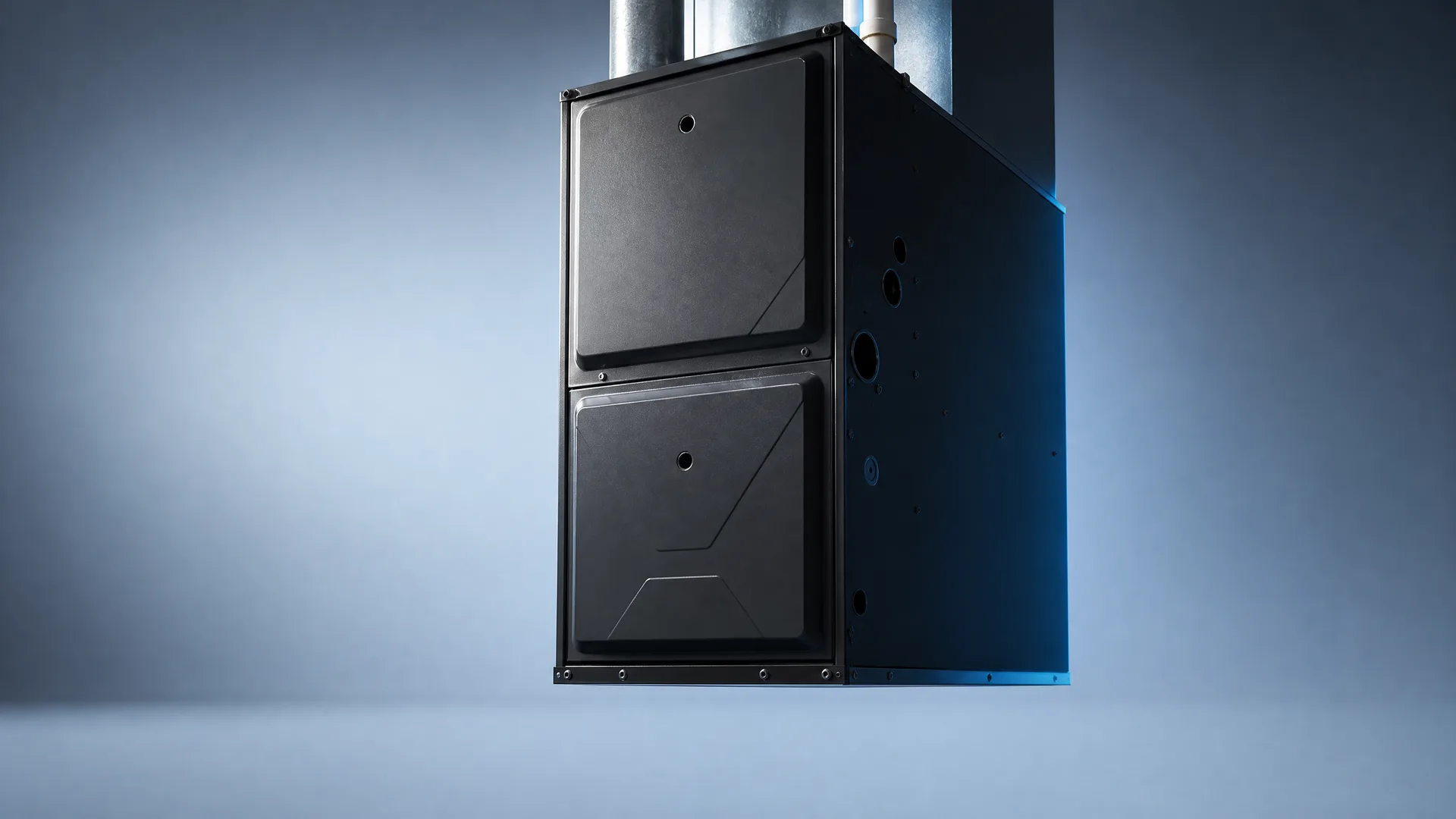
One visit, before the season starts
A furnace burns gas to make heat, and gas in Michigan cost $10.21 per million Btu in 2024. That's the fuel going through the burner every time the system fires. A yearly check on the burner and the heat exchanger is what keeps that gas burning clean instead of burning dirty. A technician looks at it once before the season starts, finds what's beginning to wear, and the furnace runs the way it's supposed to for the months ahead. There isn't a reason to do it more than once.
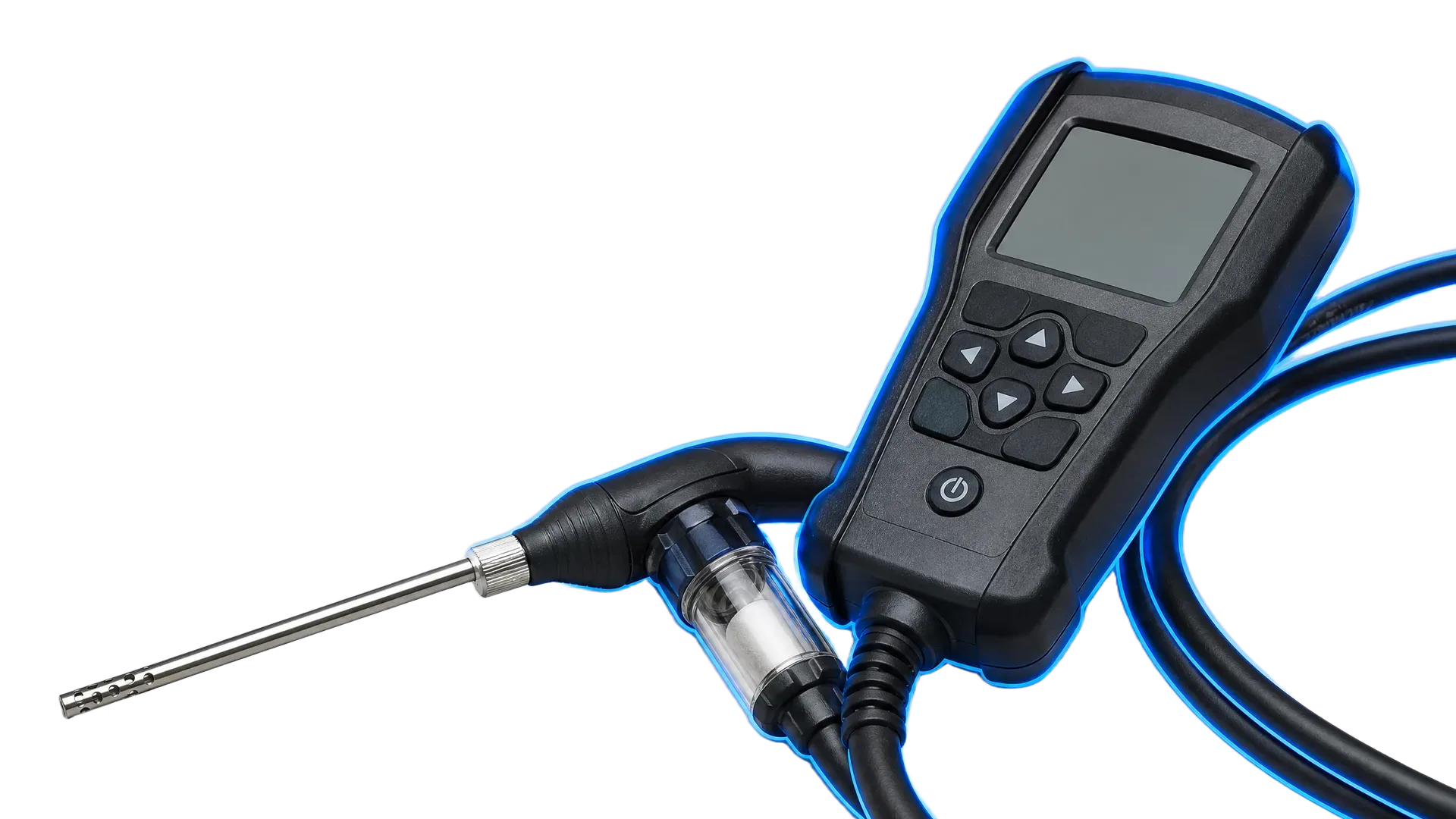
What you can check yourself
The filter is the one thing worth checking between visits. A dirty filter blocks airflow, and when airflow drops, the heat exchanger runs hotter than it should and the blower works harder to push air through. Pull the filter out and hold it up to a light. If light doesn't pass through easily, swap it. Keep the area around the furnace clear too, nothing stacked against it, nothing blocking the return air grille. If your furnace has a standing pilot, check that the flame burns blue and steady, not yellow or flickering. A yellow flame can mean the gas isn't burning clean. Beyond the filter and keeping the area clear, leave the furnace alone. Don't open the cabinet, don't adjust the gas valve, don't try to clean the flame sensor or igniter. Those need the furnace powered down and a technician's tools. A gas smell, a new noise, or a flame that looks different than it used to isn't something to sit with until the pre-season visit. That's worth a call on its own.
Most furnaces here burn gas
Utility gas heats 74.9% of occupied homes in Michigan, more than any other fuel. Most of what's left runs on electricity or a tank of propane, and almost none of it is fuel oil anymore. That matters for what a maintenance visit actually covers. A gas furnace has a burner, a flame sensor and a venting system carrying exhaust out of the house, and all of that needs checking, not just the filter. An electric furnace skips the gas side entirely, no burner, no venting to inspect, but the heating elements and blower still wear and still need a look before the season leans on them.
Your furnace runs eight months a year here, more than in most states, and that wears parts down faster.
Tell us about the job
Takes about a minute. No obligation.
Fill out the form and a licensed Michigan contractor calls to schedule your furnace check.