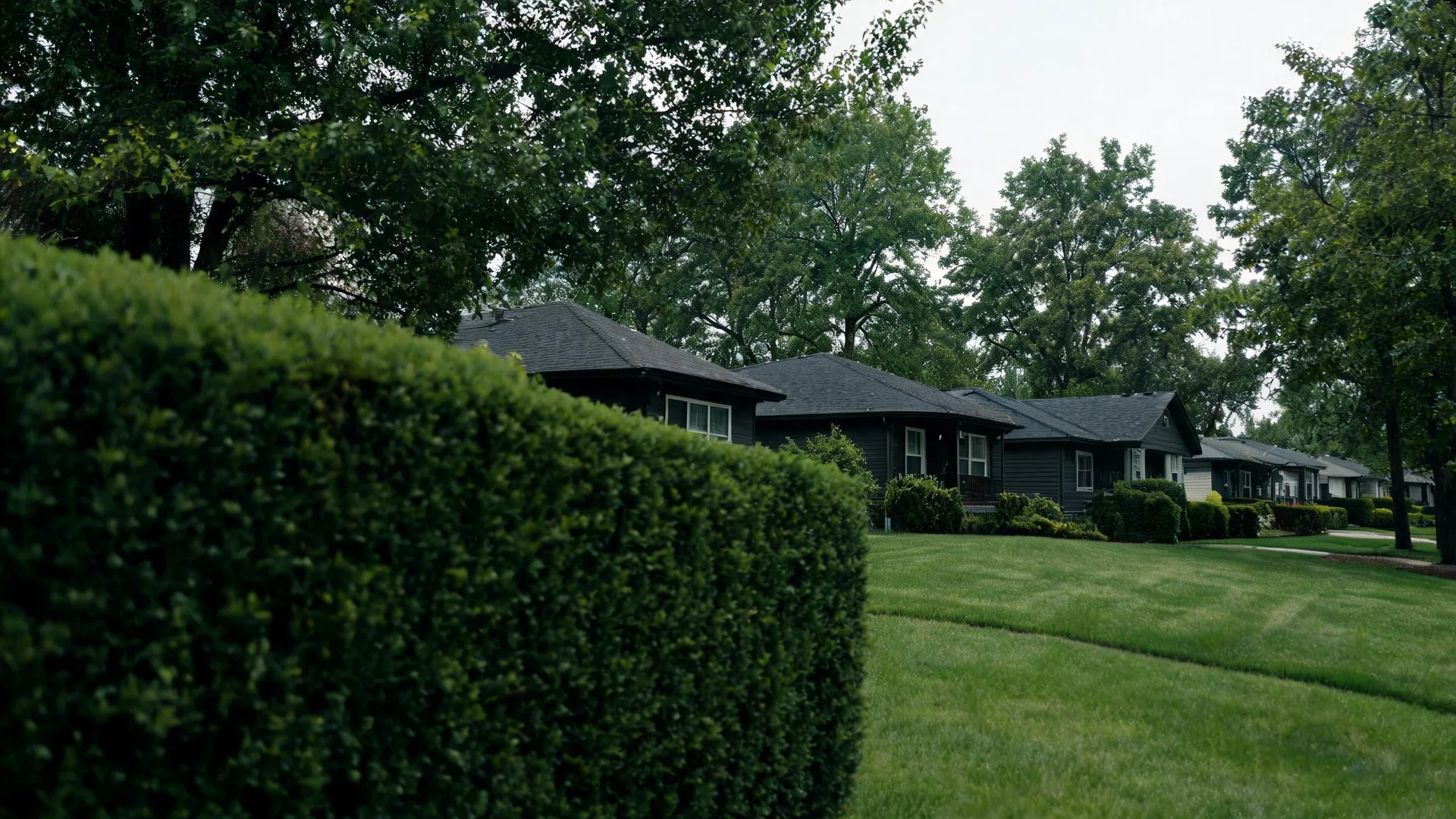
A tall trimmed hedge in the foreground borders a mown lawn beside a row of dark single-story houses with shingled roofs, surrounded by large leafy trees under an overcast sky.

Furnace Maintenance in Battle Creek, MI

Tell us about the job

Takes about a minute. No obligation.

Tune-up, service, or cleaningFurnace or heatingCalhoun County, MI
Step 1 of 2

What ZIP code is the job in?

Storms hit this county often

Calhoun County recorded 50 severe weather events between 2015 and 2024, 30 of them damaging wind and 13 winter storms with heavy snow and ice. Six hail events landed here too. A furnace outside in the elements, whether it's the unit itself or the vents and lines running to it, takes that weather year after year.

Power doesn't always hold

More than a third of Michigan households went at least 24 hours without power in 2024. A furnace with a damaged igniter or a dirty flame sensor is more likely to fail right when an outage hits and the house needs heat most. Checking the furnace before winter catches problems while there's still time to fix them.

Furnaces in Calhoun County start running in October.

Book the tune-up in September, before the cold hits and the furnace is working every day.

Three out of four furnaces here run on gas, and gas means a flame to check

74.8% of homes heat with gas
Climate zone 5A
Heat runs October through May

Half the homes in Calhoun County were built in 1961 or earlier. A furnace that old has likely been swapped out, maybe more than once, but the ductwork and gas line it hooks up to often go back to the house itself. A yearly check gives a technician a chance to look at how the furnace is actually connecting to that older setup, not just the unit itself. Small issues in an aging system, a cracked heat exchanger, a connection that's worked itself loose, show up as minor findings when someone's looking every year. Skip a few years and the same issue shows up as a breakdown instead.

Get the furnace checked before storm season tests it

A tune-up gets a technician eyes on the vents and lines running outside before winter weather starts working on them. If an outage hits during a storm, that's a bad time to find out the igniter or flame sensor needed attention. Get it checked while there's still time to fix what's found.

Find a contractor
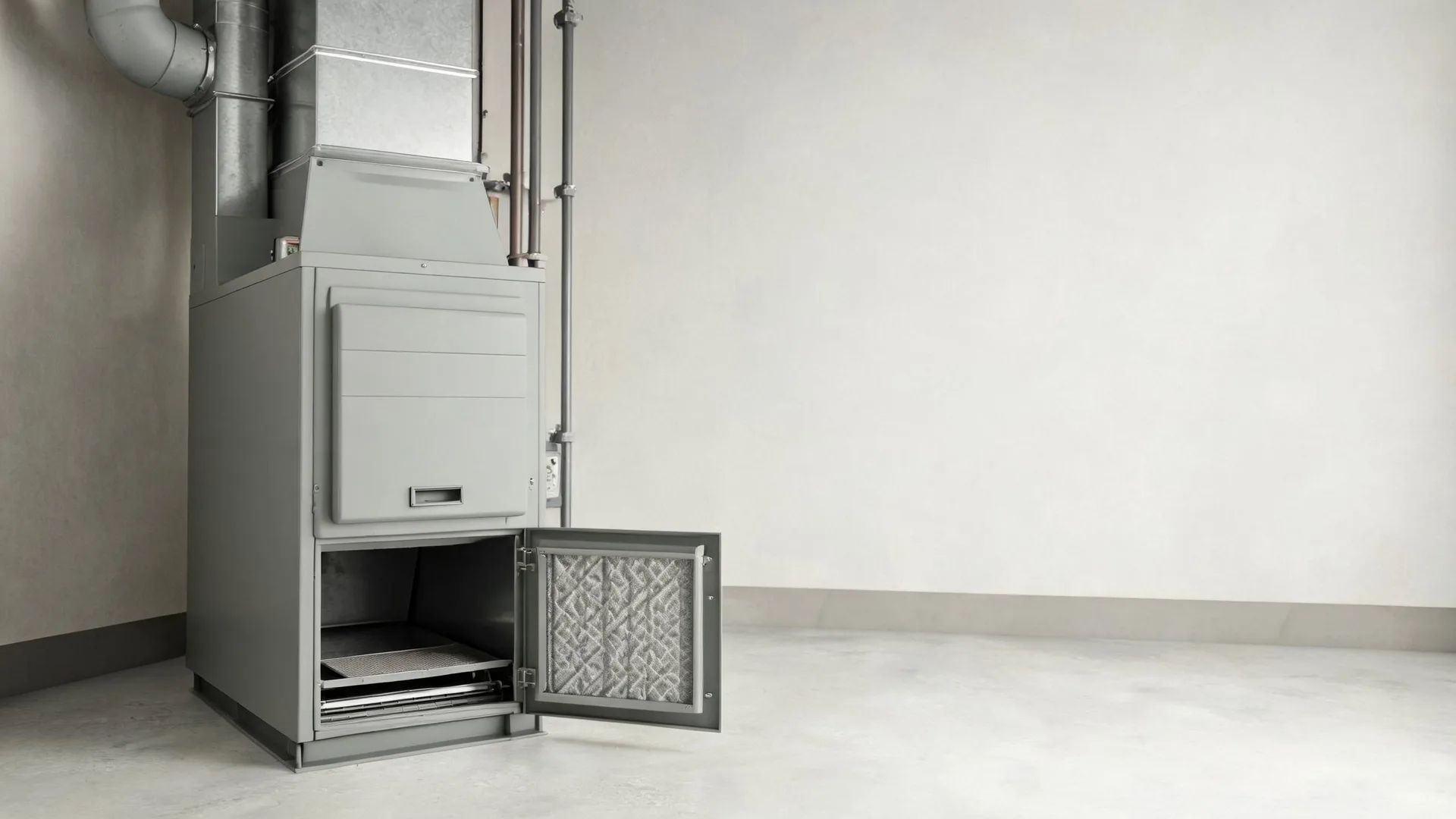
A gas furnace with attached ductwork, gas piping, and condensate lines installed in a concrete-block basement.

Eight months of heat a year, start to finish

Eight months a year, this furnace is the only thing keeping the house warm. October through May, it cycles on and off most days of that stretch. That much run time wears an igniter or a flame sensor down faster than it would in a place where heat only ran half the year. A check before the long stretch starts catches that wear while there's still time to fix it.

The furnace gets louder before it fails

A bang at startup means the burners are lighting late and catching a pocket of gas. A rattle means a panel or screw has worked loose from the vibration of normal running. A screech usually points to the blower motor bearing. None of these fix themselves, and all of them are easy for a technician to find during a check before they turn into a no-heat call.

Short cycling means something's already wrong

A furnace that shuts off a few minutes after starting, then kicks back on, is protecting itself from something: a dirty flame sensor, a clogged filter choking airflow, or a cracked heat exchanger tripping the limit switch. Short cycling also means the house takes longer to warm and the furnace works harder to do it. A yearly check catches the cause before it leaves the furnace unable to start at all.

A technician opens the cabinet and checks things no homeowner ever sees from the hallway thermostat. Flame color matters: a steady blue flame burns clean, but a flame that's gone yellow or orange means incomplete combustion, and that can mean carbon monoxide going somewhere it shouldn't. The heat exchanger gets inspected for cracks, because a crack there lets combustion gas mix with the air moving through the house. Amp draw on the blower motor gets tested against what that motor is supposed to pull, since a motor working harder than it should will burn out early. Gas pressure gets checked at the manifold, because too high or too low throws off the whole burn. None of this shows up as a symptom until the furnace is already failing. A check finds it while it's still a small fix.

Half the homes here went up in 1961 or earlier, and that furnace is almost never the original. What usually hasn't been replaced is the ductwork and gas line it ties into. On a yearly check, a technician can see how the new furnace is actually hooked up to that old setup, not just whether the unit itself is running fine. If a connection has worked loose or the duct seal has failed, that shows up during a routine look. Catch it then and it's a small fix. Miss a few years and it's a furnace that won't start on the coldest morning of the year.