
Heat Pump Installation in Michigan
Michigan's winter nights are colder than in 36 of the other 49 states.
Tell us about the job
Takes about a minute. No obligation.
- 19°Fwinter overnight low where people live
- 8 monthsof heat, October through May
- 80°Fsummer afternoon high where people live
- 3 monthsof cooling, June through August
Electricity here costs more than in most states and a heat pump runs on it all year
- Northern counties need about 10% more heat than southern ones
- Winter nights average 19°F where people live
- Summer afternoons average 80°F where people live
- Heat runs October through May
- Cooling runs June through August
- 1,744 winter storms from 2015 to 2024


Michigan homes are older, and that changes what installing a heat pump involves
Half the homes in Michigan went up in 1972 or earlier. A house that age almost never has ductwork sized for a heat pump, and the electrical panel may not have room for a new circuit either. None of that rules out a heat pump. It just means the install starts with a look at what's already there, not a swap of one box for another. Most of the housing stock, 76.8%, is detached or attached single-family homes, so whoever installs this will have seen the same setup next door.
Michigan runs heat eight months a year, October through May, with overnight lows averaging 19°F across December, January and February. That's colder than most states get. A heat pump here needs to hold up on the coldest nights, not just the mild ones in between.
Cooling only runs three months, June through August, shorter than in 23 other states. The compressor isn't working against long, brutal summers the way it would further south. That's less wear over the life of the system, which matters more than chasing the highest efficiency rating on the shelf.
Install before September, not after
Heat here runs October through May. If a heat pump is going in, September is the month to get it done, before the first cold night puts it straight to work. Install it after heat season starts and it's carrying the house from day one with no room to catch a setup issue. Do it in September and there's still mild weather to find out if anything needs adjusting before the system has to hold up through winter.
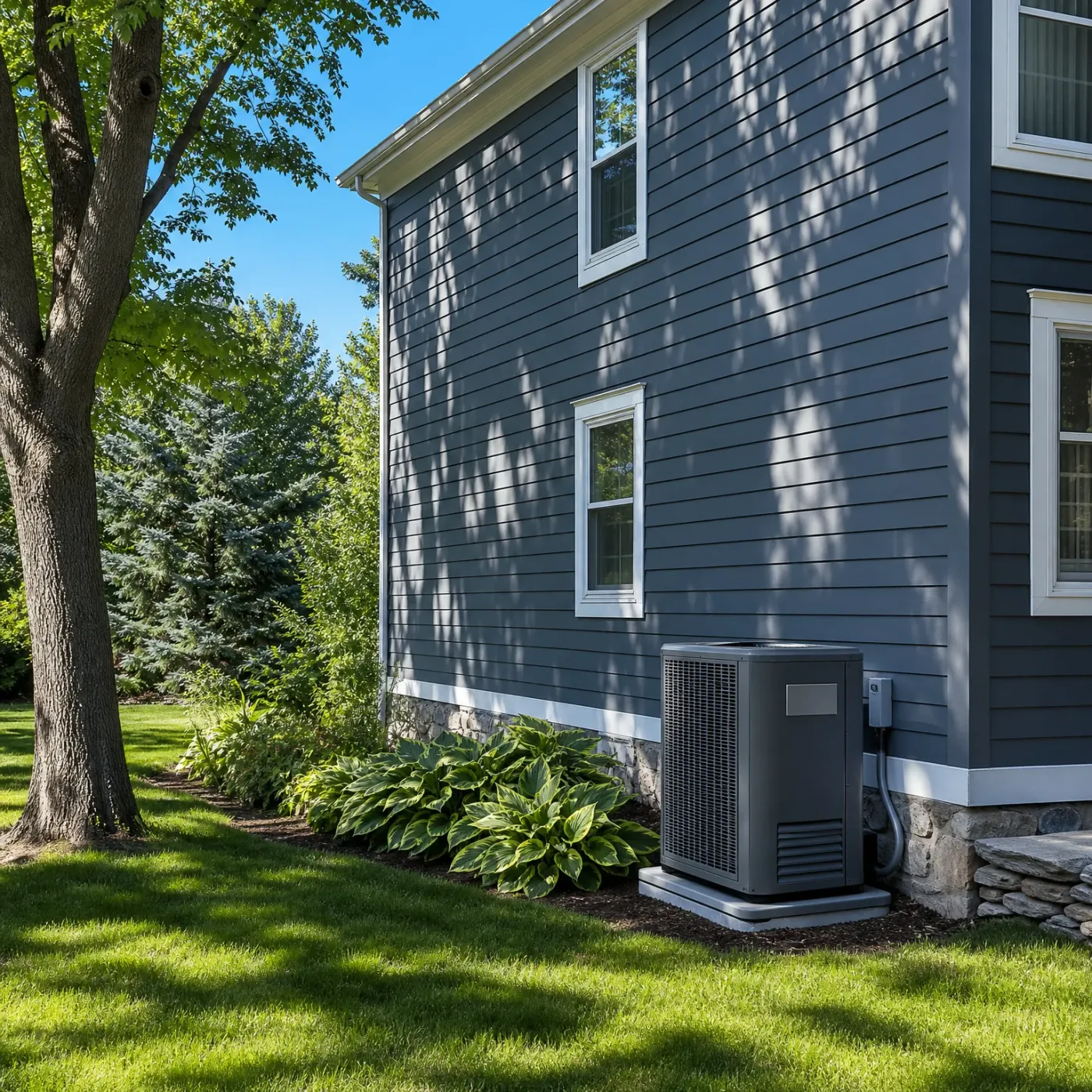
3 months of cooling, June through August
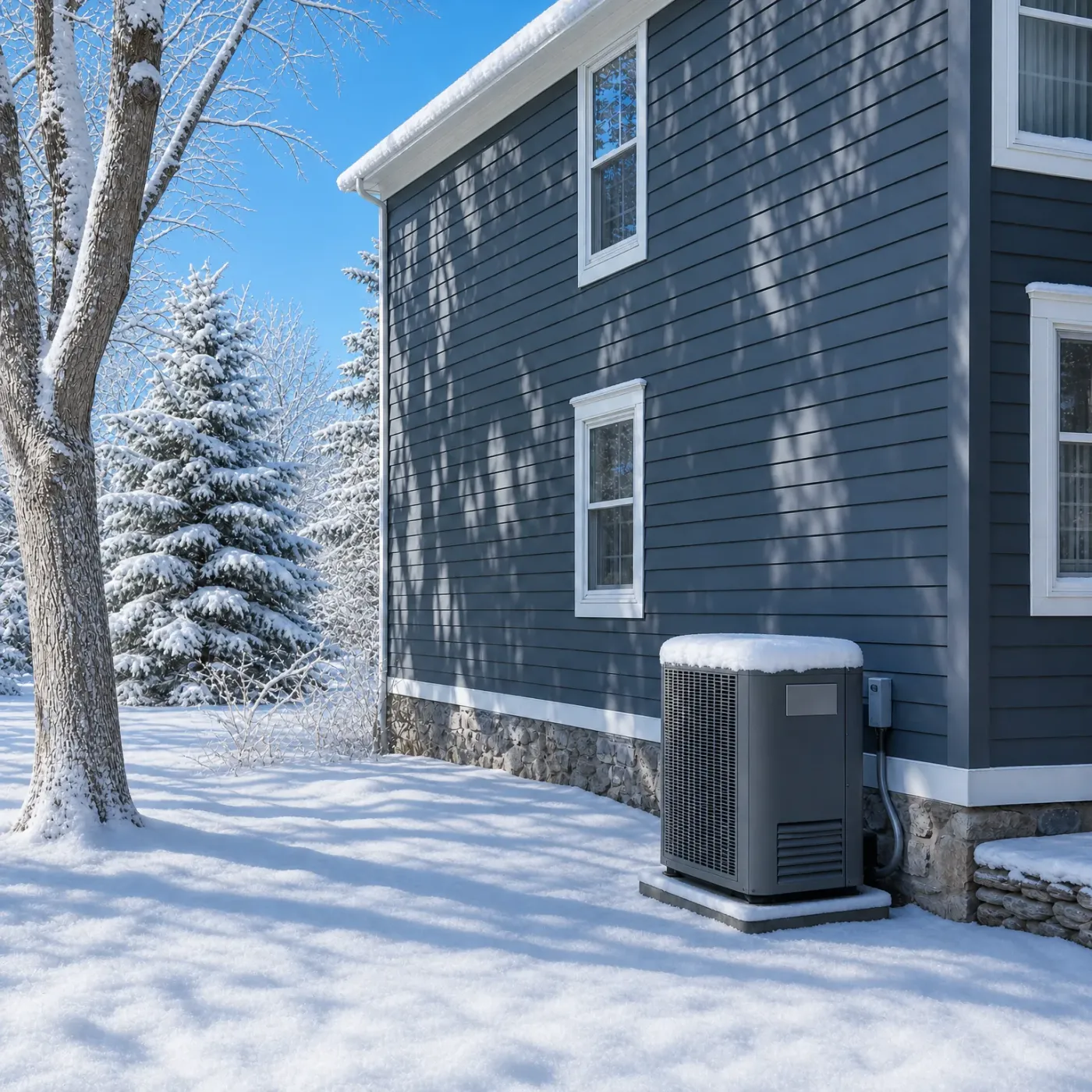
8 months of heat, October through May
Michigan's heating need splits north and south. Homes in the northern counties need about 10% more heat over a year than homes in the southern counties, and the gap between specific counties runs wider. Iron County needs about 54% more heat over a year than Monroe County, where the state's heating load is lowest.
Winter lows follow the same split. Iron County averages 5°F across December, January and February. Monroe County averages 21°F over the same months. A heat pump sized for a Monroe County winter would be working past its limit on an Iron County night.
Cooling runs the other way. Homes in the southern counties need about 32% more cooling over a year than homes in the northern counties. A heat pump doing real work in a southern Michigan summer may barely run its compressor for cooling up north.
None of this shows up on a spec sheet. Two homes in Michigan can need very different things from the same model of heat pump, depending on which part of the state they're in. That's what a contractor sizing the system has to account for, not just the square footage of the house.
What does a heat pump in Michigan face?
How hot do summer afternoons get?
80°Faverage afternoon high where people live
Alaska66°F
Arizona101°F
How cold do winter nights get?
19°Faverage overnight low where people live
North Dakota4°F
Hawaii65°F
How many months does the heat run?
8 monthsof heating a year
Hawaii0 months
Alaska12 months
What does electricity cost?
19.30¢per kWh (kilowatt hours, the unit on an electric bill), what homes paid in 2024
North Dakota11.51¢
Hawaii42.86¢
How often do storms hit?
123severe weather events per county from 2015 to 2024
Alaska5
Wyoming1,057
How many homes lost power for a day or more?
34%of homes in 2024
Arizona7%
Maine54%
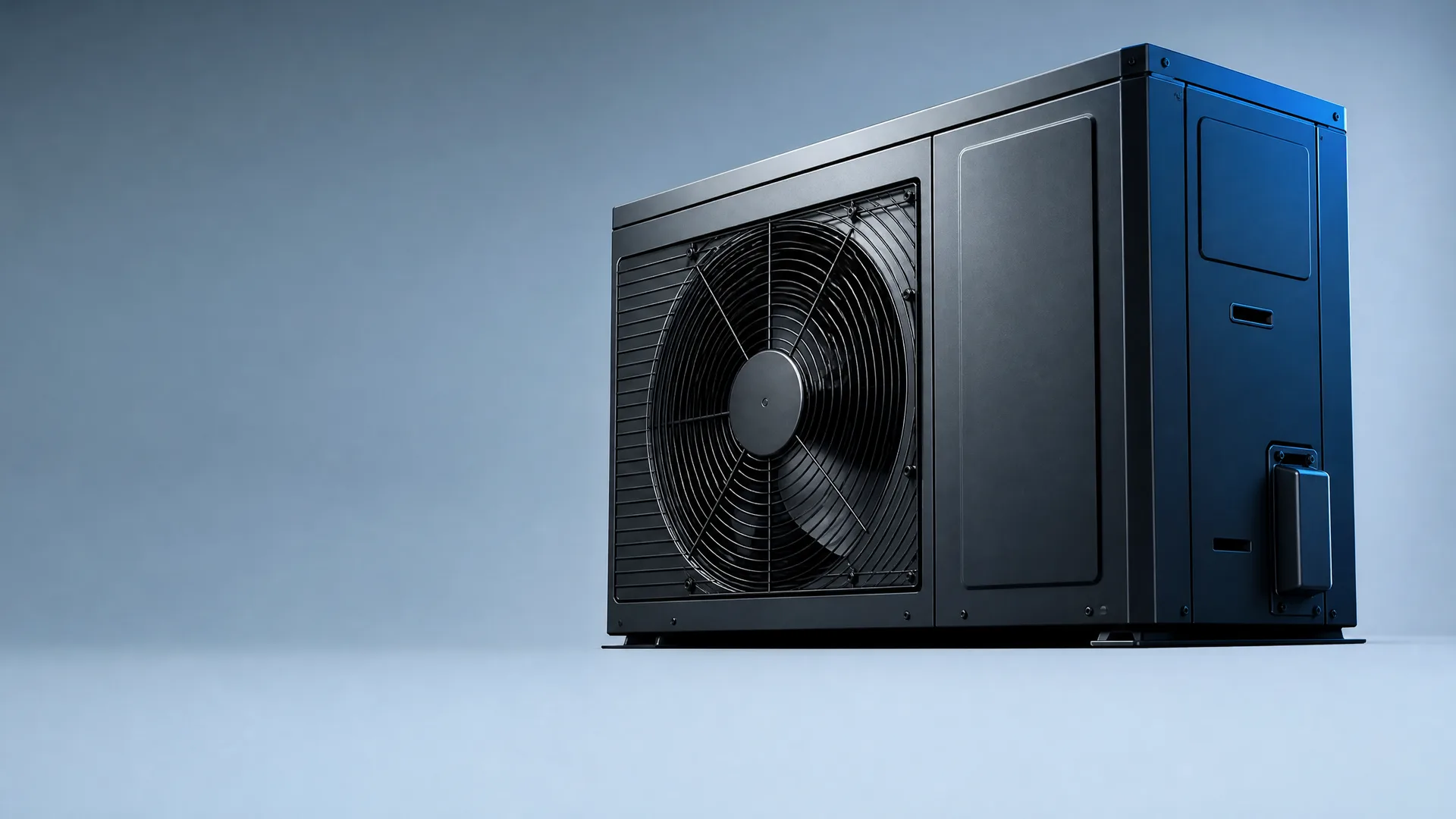
Electricity here costs more, and a heat pump runs on it most of the year
A heat pump in Michigan runs on electricity every month it works, and that electricity costs more here than in most of the country. Michigan homes using air conditioning used 4.2 million Btu (British thermal units, a measure of heat) of electricity for it in a year, and that's just the cooling side. The heating months pull on the same meter for far longer. A unit that holds its efficiency through a cold night and a mild one does more with every kilowatt-hour, and at Michigan's rates that difference shows up on the bill every month, not just the ones near the coldest nights.
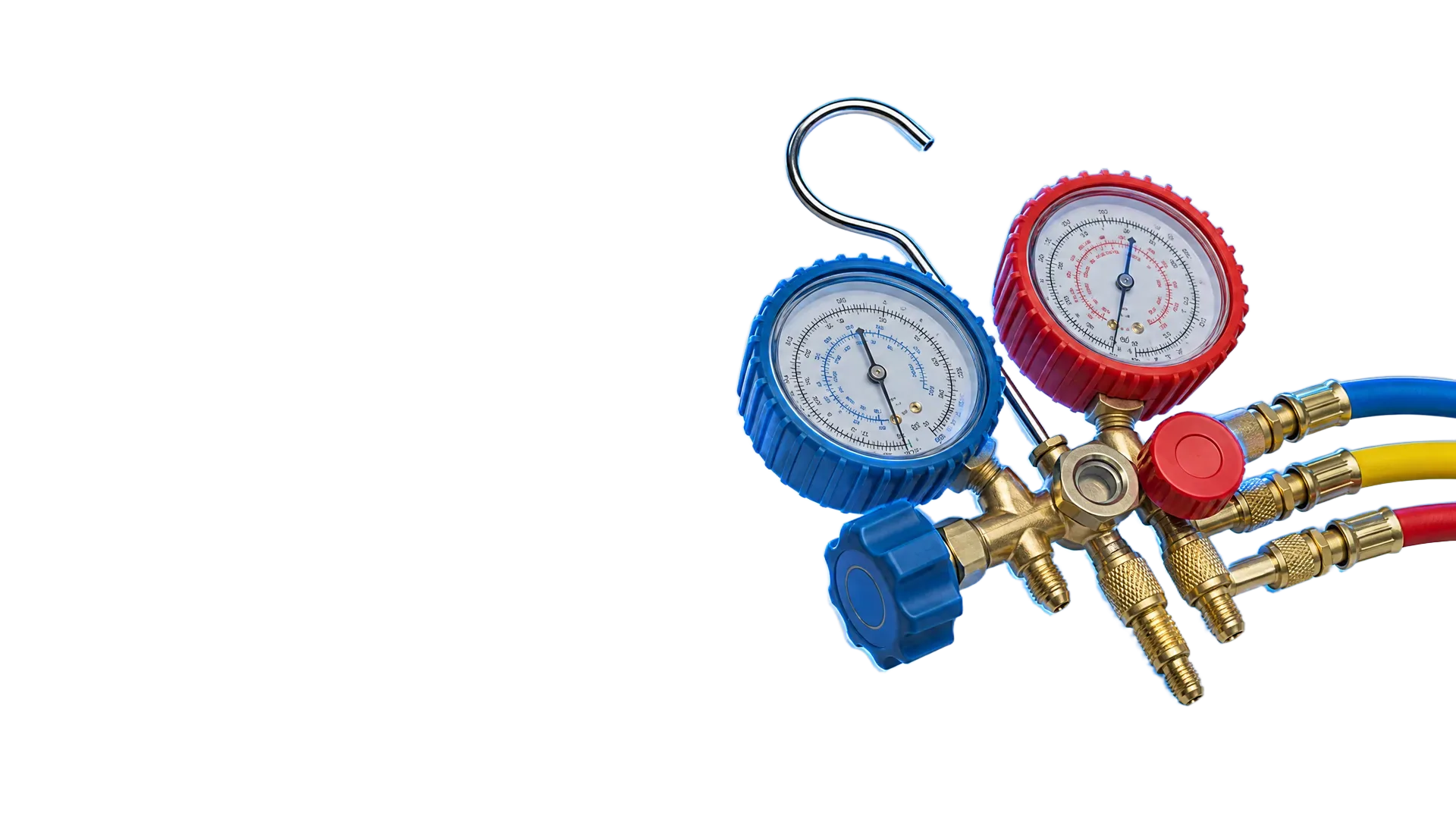
Sizing a heat pump isn't a guess
A heat pump gets sized against a load calculation, not the square footage of the house. That calculation looks at window area, insulation, ceiling height and how much air the house leaks, room by room. A rule of thumb based on floor space alone skips all of that, and it shows up later in how the system runs. Too small and the heat pump can't keep up on the coldest night, so the backup heat carries more of the load than it should. Too big and it short cycles, switching on, satisfying the thermostat fast, then shutting off again before it's run long enough to pull humidity out of the house in summer or settle into steady output in winter. That kind of start-stop cycling wears on the compressor faster than a longer, steady run does. A contractor who sizes it right asks about the house, the windows, the insulation, before ever quoting a unit.
Most homes here already run on gas
Gas heats 74.9% of homes in Michigan, more than any other fuel here. A heat pump installed in one of these houses isn't just replacing a furnace, it's usually joining one. The furnace stays as backup, wired to take over below the point where the heat pump stops keeping up, or it runs alongside electric resistance heat for the same job. Either way, the gas line and the ductwork already in the house become part of the plan, not something torn out.
Electricity costs more in Michigan than in most states, and a heat pump runs on it all year.
Tell us about the job
Takes about a minute. No obligation.
Fill out the form and a contractor who sizes heat pumps for Michigan winters will reach out.