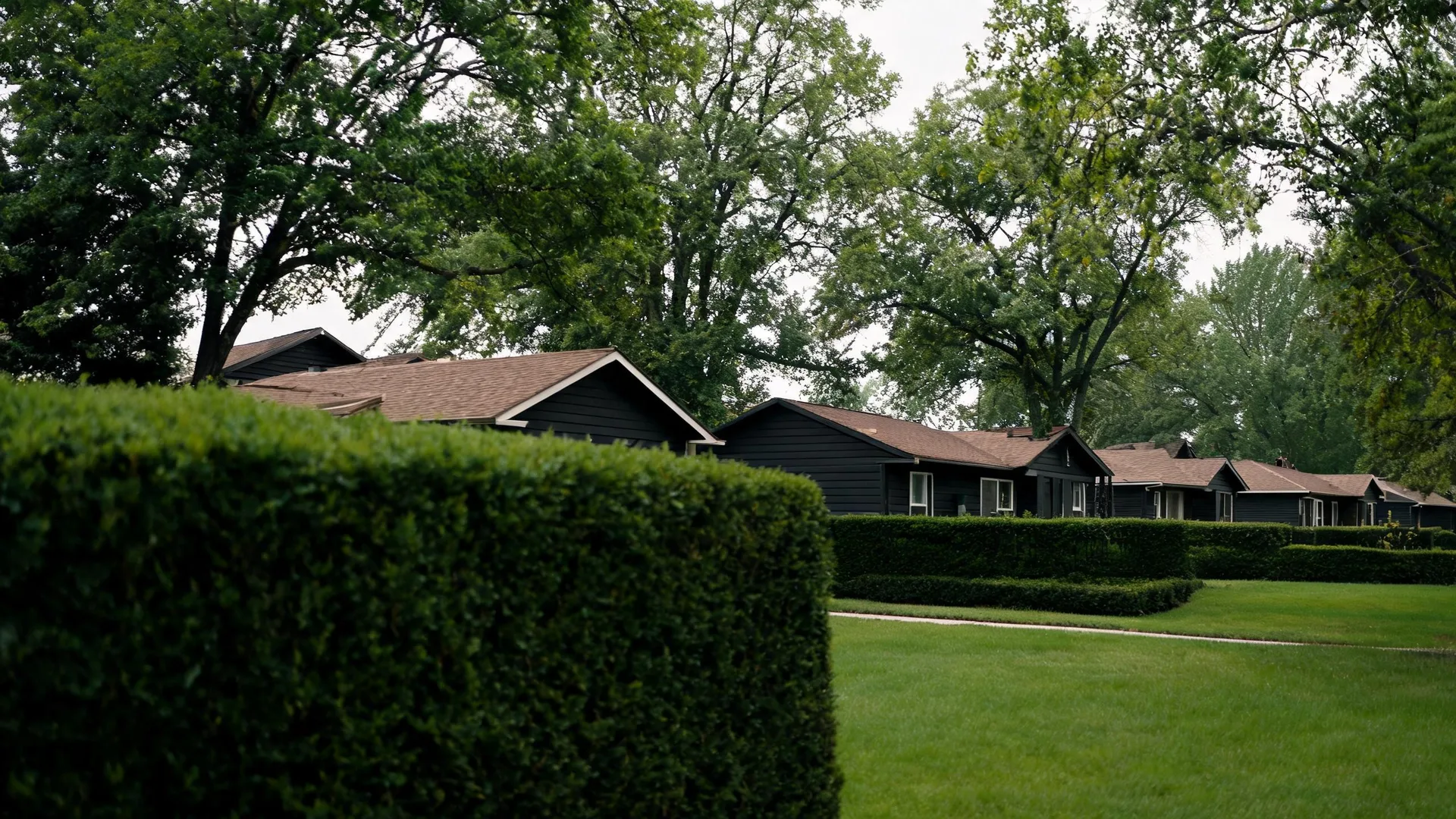





A row of dark-sided single-story cottages with brown shingled gable roofs behind trimmed hedges, mown lawn and a light-colored path, surrounded by large deciduous trees under an overcast sky.

Heat Pump Installation in Midland, MI

Tell us about the job

Takes about a minute. No obligation.

New system or replacementHeat PumpMidland County, MI
Step 1 of 2

What ZIP code is the job in?

Electricity here runs 20.65 cents per kilowatt-hour on average, higher than in most US counties. A heat pump moves heat instead of burning gas to make it, which is what makes it efficient, but it still runs on electric power for every hour it works. At that rate, the difference between a unit that runs efficiently and one that doesn't shows up every billing cycle. The equipment you choose and how well it's sized for your house carries more weight here than it would somewhere with cheaper power.

8 months
October through May, your system heats
3 months
June through August, it cools
18°F
the average winter night it heats against
81°F
the average summer afternoon it cools against
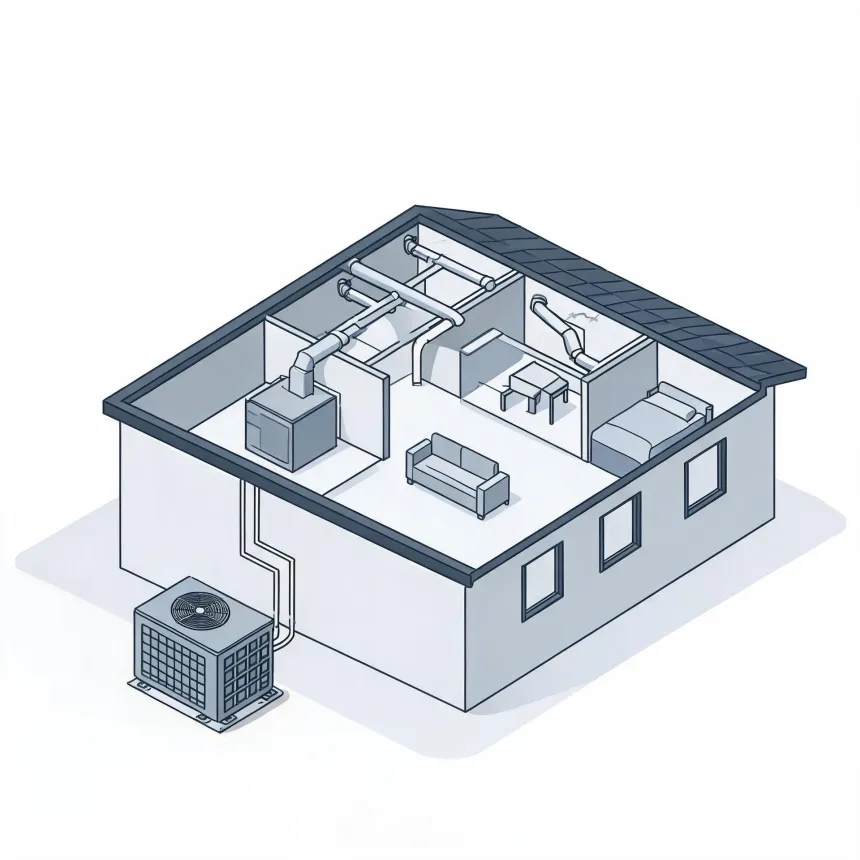
Isometric line illustration of a cutaway single-story house showing interior rooms with ducted air distribution, an indoor air handler, furniture, and an outdoor condenser unit connected by lines outside the wall.
Your system heats October through May and cools June through August.

NOAA nClimDiv, 1991–2020 normals

Midland County logged 76 severe weather events between 2015 and 2024, with 50 of those damaging wind.

A heat pump sits outside all year, so where it goes and what shields it matters.

A machine that doesn't have to work hard to keep up

50 damaging wind events from 2015 to 2024
11 hail events from 2015 to 2024
15 winter storms from 2015 to 2024

Gas heats 65.5% of homes in Midland County, more than any other fuel. Most of the furnaces a heat pump gets paired with or replaces here are gas furnaces, not electric ones. That changes the install. A dual fuel setup lets the heat pump handle the milder days and hands off to the gas furnace when it gets cold enough that gas makes more sense. If your home is one of the 12.7% already heating with electricity, the heat pump can usually take over the whole job, sometimes with a smaller backup source still in place for the coldest stretches. Either way, what's already running your heat now shapes what the right setup looks like.

Get the sizing right, and it pays you back on every bill

Get a few contractors to look at your house and tell you what they'd put in and why. The right size and setup is what makes a heat pump pay you back here instead of costing you the difference on every bill.

Find a contractor
A man in a dark long-sleeve shirt and tan work pants carries a waxed canvas tool bag up concrete steps toward a blue front door of a gray-sided house, with potted shrubs nearby.
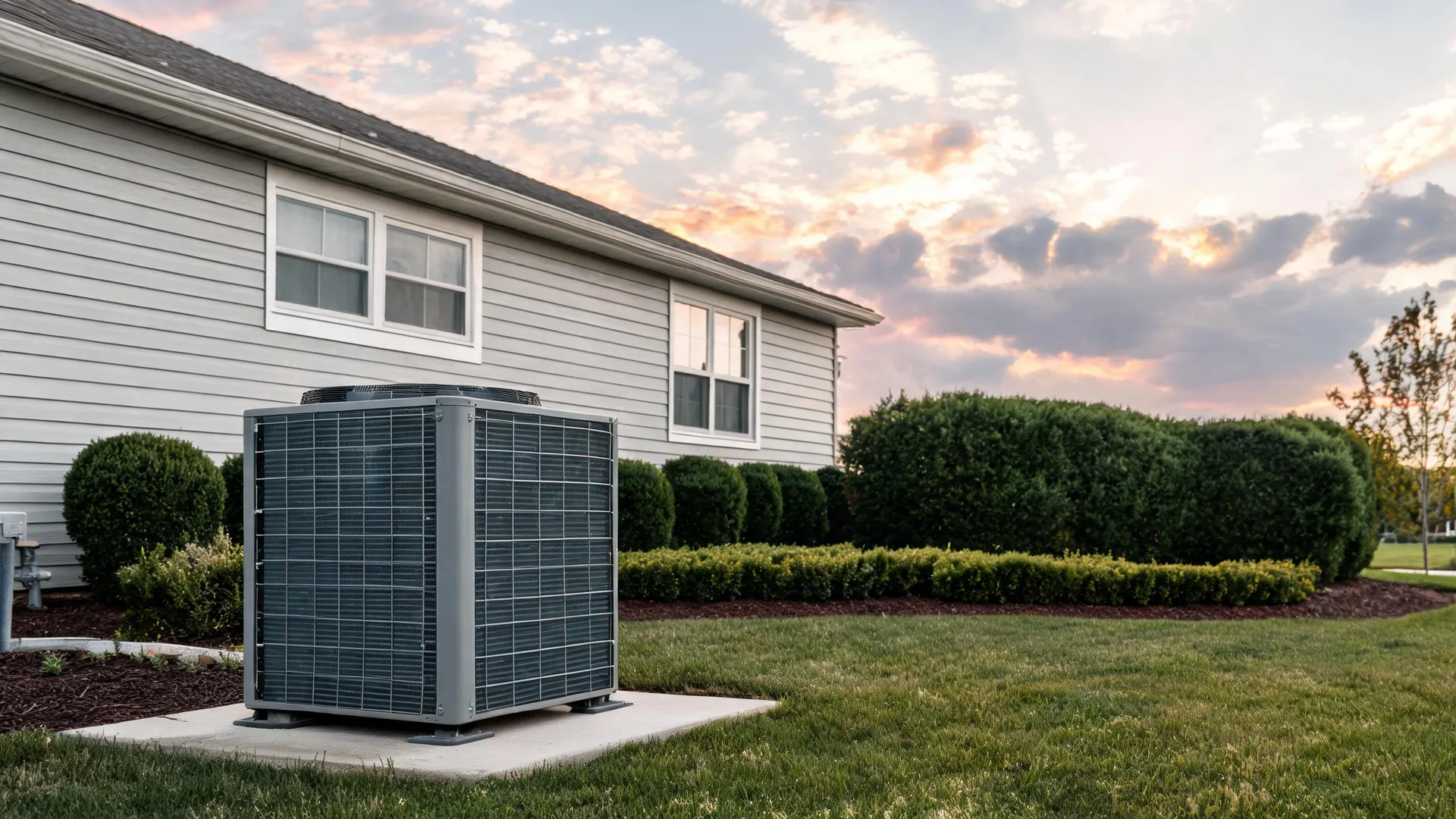
A gray outdoor HVAC unit mounted on a concrete pad beside a house with gray lap siding and a stone foundation.

Mild nights, easy work

This machine runs long hours here, but long hours are not the same as hard running. Midland's overnight low averages 18°F across December, January and February, higher than in most US counties, so even the coldest nights don't push the compressor as hard as they would further north. A dual fuel setup takes the hardest stretches off its plate entirely, handing them to the gas furnace. Less strain over the years means a repair is usually worth doing instead of a sign to replace. When something does go wrong here, age or a skipped filter change is the more likely cause, not the machine being run into the ground.

The outdoor unit and the ductwork decide the price

A heat pump's outdoor unit comes in a range of capacities and efficiency levels, and the price moves with both. A variable speed compressor costs more up front than a single stage one, but it holds temperature steadier and ramps down instead of shutting off and on. Beyond the equipment, the ductwork it connects to matters just as much. Ducts sized for a gas furnace don't always suit a heat pump's longer, gentler airflow, and resizing or sealing them adds to the job even though it isn't part of the unit sitting outside.
What the installer finds at your house changes the scope

No two installs start from the same place. Where the line set has to run, whether the electrical panel has room for a new circuit, how the indoor coil pairs with the existing furnace or air handler, all of it gets decided on site, not over the phone. A straightforward swap where the new unit matches the old one's footprint goes faster than one where the installer has to relocate the outdoor unit, upsize wiring, or rework a duct transition. That's why the quote comes after someone has actually walked the house, not before.

Sizing a heat pump isn't about matching the old furnace's number or going with whatever's biggest. Too big and it short cycles, blasting the house to temperature and shutting off before it's pulled any humidity out of the air, then starting again a few minutes later. That on off cycling wears the compressor faster than steady running would. Too small and it runs flat out all day without catching up on the coldest or hottest stretches, leaning hard on backup heat or leaving the house warmer than you'd like in summer. Getting it right means a load calculation, room by room, that accounts for insulation, window area, ceiling height and how the ductwork moves air through the house. A unit sized off that calculation runs longer at lower output, which is exactly how a heat pump is supposed to work. It holds temperature instead of chasing it.

Midland County falls in zone 5A, a cool, humid zone where heating carries more of the load than cooling. Any split-system heat pump installed today, no matter who makes it, has to clear federal minimums set for that kind of climate: at least 14.3 Btu of cooling delivered for every watt-hour it draws over the summer, and at least 7.5 Btu of heat for every watt-hour over the winter. Those numbers set a floor, not a target. A contractor sizing your system has to work above that floor, which narrows down which units are even allowed in your house. Ask what rating the equipment they're quoting actually carries, not just whether it clears the minimum.