
Heat pump vs propane heat in Lake City, MI

Start one form

You are weighing a heat pump against propane for a house in Missaukee County, and that is not a quick call. Propane prices swing from one fill to the next, and electric rates here run high, so the math depends on your house, your current furnace, and what a heat pump can actually do once the temperature drops. Working that out usually means calling a handful of contractors, walking each one through your setup, waiting on quotes that use different assumptions, then trying to compare them side by side. This page connects you instead with one licensed contractor working in Lake City and the surrounding area, someone who installs both systems in homes like yours every winter and has seen which choice holds up here and which one costs more than it should. You get a straight answer for your house, not a sales call from three companies at once. Tell them what you have now and what you are deciding between, and let them walk the property before you commit to either fuel.

Should I switch to a heat pump or stick with propane in Lake City?

You've got a propane furnace heating your house through a Missaukee County winter, and you're wondering if a heat pump would leave you better off, or worse, once the cold really sets in. Propane bills are easy to track, but they swing with the market. A heat pump runs on electricity, and you already know what the rate here does to a bill. You want to know which one actually makes sense for your house before you spend money finding out.

For most houses here, keep the propane furnace and pair it with a heat pump rather than replace one with the other

A heat pump works fine down into the 30s and 20s, and it costs less to run than propane through those months. Below that, it has to work harder to pull heat from outside air, and propane takes over more efficiently once temperatures drop into the teens and below. Winters in Missaukee County get well below freezing for weeks at a stretch, so a heat pump alone would lean on electric backup heat during the coldest spells, and electric rates here are high enough that this gets expensive fast. A dual fuel setup lets the heat pump handle the milder months and the propane furnace take over when it turns genuinely cold, which is most of what your furnace is already built to do.

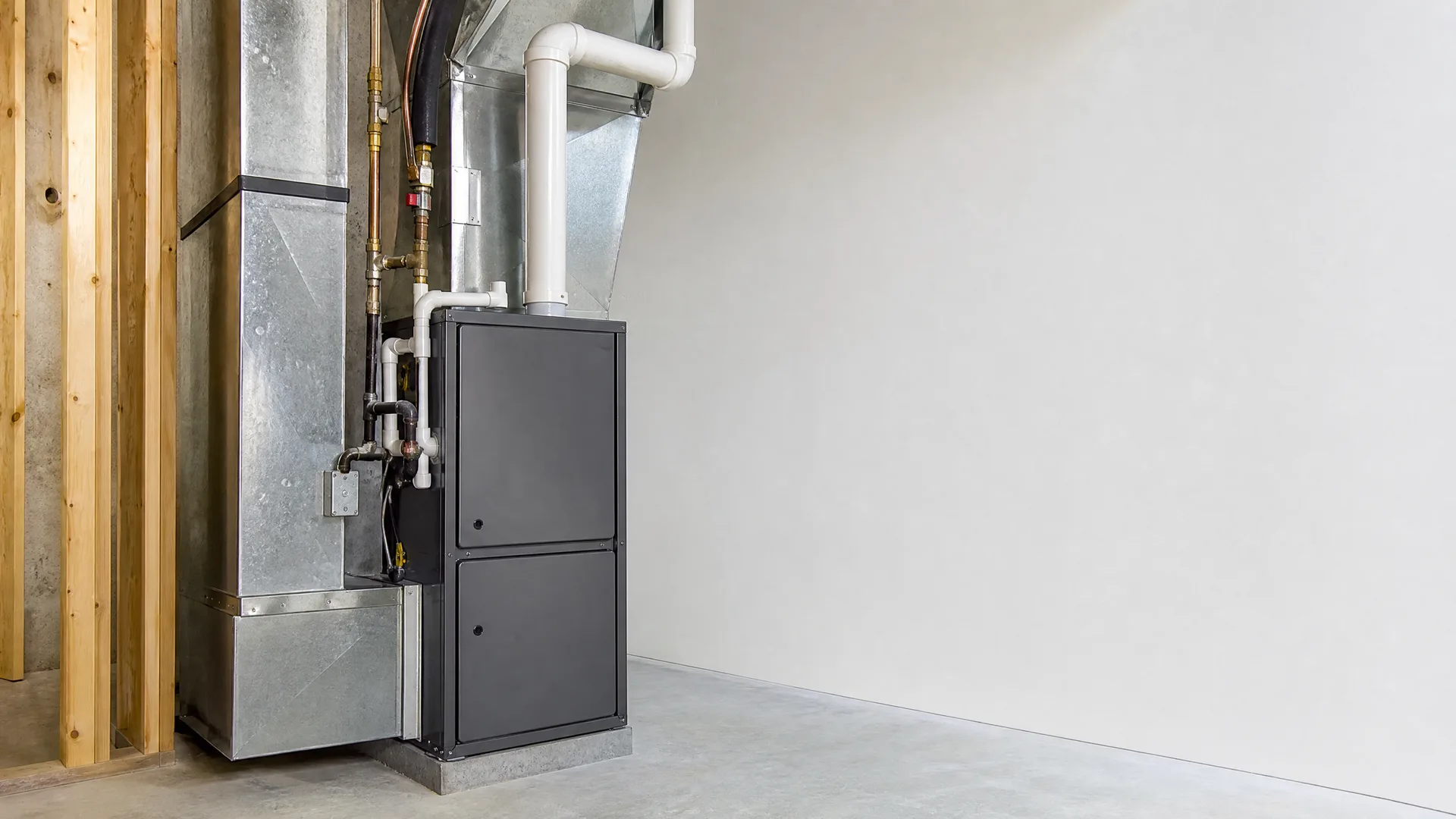
A dark gray furnace connected to galvanized sheet-metal ductwork, white PVC vent pipes and copper piping, standing against a plain light wall in a room with a bare concrete floor and exposed wood framing at left.

Why cold air pump makes sense

A heat pump moves heat instead of burning fuel, so it can deliver more heat energy than the electricity it uses. That's why it costs less to run than baseboard or resistance heat. But as the outdoor temperature drops, a heat pump has to work harder to pull warmth out of the air, and below a certain point, a standard heat pump stops keeping up. That's the number that matters for a Missaukee County winter: how low that unit can go before it needs backup.

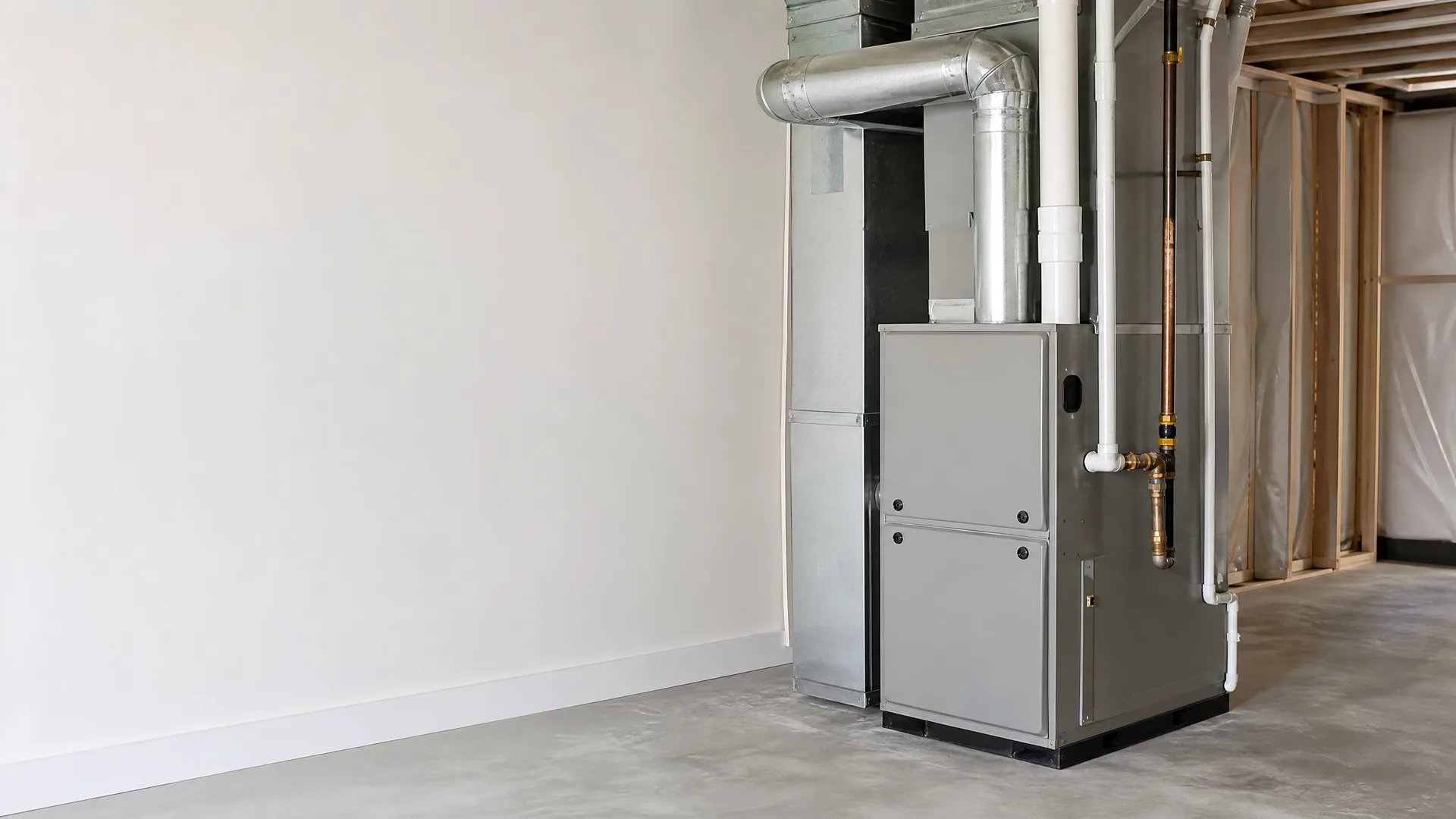
A gray high-efficiency furnace with sheet-metal ductwork, white PVC vent pipes and copper piping stands against a wall in an unfinished basement with a concrete floor and insulated wood stud framing at right.

What propane still does well

Propane burns at a fixed heat output no matter how cold it gets outside. A propane furnace rated at a certain input delivers close to that same heat on a zero-degree night as it does at thirty. That steadiness is why most houses in this area are set up to run on it. The tradeoff is the fuel itself. Propane is delivered and stored in a tank on your property, and the price per gallon isn't fixed. It moves with the market and with how much everyone around you is also filling up in January.

What does a Missaukee County winter actually ask of your heating system?

  • Winter nights average 14°F

    Winter nights average 14°F A heat pump has to work hardest exactly on nights like these. Below freezing, it still runs, but a backup heat source matters more as the number drops.

  • Heat runs September through May

    Heat runs September through May Nine months of the year, your system is on. Whatever you install has to hold up to that much runtime, not just the coldest week in January.

  • 43% of homes heat with propane

    43% of homes heat with propane Most of your neighbors already heat with propane, which is part of why the comparison matters here: the alternative has to beat what's already common and working.

NOAA nClimDiv 1991-2020 · ACS 2020-2024

A gray high-efficiency furnace stands on a concrete basement floor beside galvanized sheet-metal ductwork, with white PVC vent pipes, gas and water lines, and unfinished wood framing behind it.

A propane furnace running as it should

This is what a working setup looks like: clean PVC venting, a furnace sized right for the ductwork above it, gas line and electrical run the way code wants them. Propane burns hot enough to keep up on a 14°F night without help from anything else.


A beige furnace with two louvered front panels stands on a concrete basement floor beside galvanized ductwork, metal pipes, and a wooden post.

A furnace that's starting to struggle

Older ductwork, galvanized instead of sheet metal, a flue vent that's been patched instead of replaced. A furnace in this shape is the one giving you trouble calls, and it's the reason to have someone qualified look at what a heat pump changeover would actually need to work.

Dual Fuel or Propane Only

Dual fuel setup

  • A heat pump handles the mild stretches of fall and spring, when it can produce heat cheaper than propane can.
  • A control switches to the propane furnace once outdoor temperatures drop low enough that the heat pump loses its edge.
  • You still need the propane tank, line and furnace kept in working order, so this isn't a way to drop the fuel bill entirely.
  • Install work covers both systems and the switchover control between them, which takes more coordination than putting in one unit alone.
  • On the coldest nights of a Missaukee County winter, the furnace carries the load and the heat pump steps back.

Propane only

  • One furnace, one fuel, and nothing to switch between when the temperature drops.
  • Propane burns hot enough to keep the house warm on the coldest nights without help from another system.
  • Your cost moves with propane prices, which change from one delivery to the next rather than with the electric rate.
  • There's no outdoor unit to keep clear of snow and ice, since the furnace does all the work indoors.
  • If the furnace is already sized right for your ductwork, replacing it like for like is the simpler install.
A gray high-efficiency furnace in a basement with white PVC vent pipes, sheet-metal ductwork, copper and black piping, a condensate pump, and insulated walls above a concrete floor.
A furnace kept up with service burns clean and vents right through PVC, with no soot or scorching at the heat exchanger.
A beige residential furnace stands on a concrete basement floor beside galvanized sheet-metal ductwork, a round flue pipe, copper gas piping, and a PVC condensate line, with a wood-paneled wall at right.
An older furnace running on tired gas lines and a worn flue can still heat the house while it's quietly failing.
A gray-haired man in a dark long-sleeve shirt sits on a gray sofa in a living room, looking toward a sunlit window with sheer curtains.
A gray-haired man in a dark green sweatshirt sits on a sofa in a living room, looking toward a bright window, with a houseplant, lamp, fireplace and framed art behind him.
A gray-haired bearded man in a dark green collared sweater sits on a sofa in a living room with a window, houseplant, floor lamp and bookshelves, looking off to the side.
A gray-haired man in a dark green sweater sits on a sofa in a sunlit living room, looking off to the side, with a framed landscape painting, dining table and shelving behind him.

Explain it one time

You've read through the numbers, the setups, the tradeoffs. What's left is deciding what to do with your own furnace, your own ductwork, your own house. That decision depends on things no page can see: how your gas line and electrical are run, whether your ducts can handle a heat pump's airflow, what shape your furnace is actually in. A contractor who works on heating systems in Missaukee County every winter has seen what tends to go wrong in houses like yours, and can tell you in person whether dual fuel makes sense here or whether your propane furnace still has years in it. Getting that answer yourself means calling around, explaining your situation more than once, and sorting through quotes that don't agree with each other. Submitting your request here sends it to one local contractor who already knows what a 14°F night asks of a system, so the conversation starts where it should, with your house instead of a sales pitch.

How a dual fuel system switches

  • A dual fuel system runs the heat pump until outdoor temperature hits a set point, usually somewhere in the 30s, then switches over.
  • The switchover point is called the balance point, and a contractor sets it based on your heat pump's output and your propane furnace's size.
  • Both systems share the same ductwork and the same thermostat, so the changeover happens automatically with no switch for you to flip.
  • The heat pump's outdoor coil has to defrost itself periodically in cold weather, which briefly reverses the cycle and feels like a short pause in heat.
  • A furnace sized too large for the heat pump raises the balance point too high and lets propane run more hours than it needs to.
  • The refrigerant lines connecting the heat pump's indoor and outdoor units run alongside, not through, the ductwork the furnace already uses.

A dual fuel setup puts a heat pump and your propane furnace on the same ductwork, with a control board deciding which one runs. Most of the time the heat pump does the work, since it costs less to run than propane when the outdoor air still has enough heat in it to move. Once the temperature outside drops to the balance point, the board shuts the heat pump off and fires the furnace instead. That number isn't guessed at. A contractor sets it based on how much heat your specific heat pump can still pull out of cold air versus what your furnace is sized to deliver, so the house gets the cheaper source whenever it's enough and propane whenever it isn't. You won't see the changeover happen. The thermostat stays the one you set, and the system handles which equipment answers it. One thing that can look like a problem but isn't: the outdoor unit will periodically defrost itself in cold weather, running in reverse for a few minutes to melt ice off the coil. You might feel a brief pause in warm air, sometimes a wisp of what looks like steam outside. That's normal operation, not a malfunction. Get the sizing wrong, particularly a furnace oversized for the heat pump paired with it, and the balance point ends up set too high, which means propane carries more of the winter than it should.

Winter nights average 14°F

A night at 14°F is a normal night here, not a cold snap. A heat pump alone is straining by then, pulling less heat out of the air for every dollar of electric it uses. Your propane furnace doesn't care what the number is. It burns the same whether it's 30°F or 14°F outside.

NOAA nClimDiv 1991-2020

A propane furnace alone handles a Missaukee County winter without asking anything of you beyond keeping it serviced. A dual fuel setup, propane furnace paired with a heat pump, costs more to install and asks a contractor to set that balance point correctly, but it burns less propane across a year with the furnace still there for the 14°F nights. A heat pump with no propane behind it leaves you exposed on the coldest nights this area gets. None of these is wrong. Each one fits a different house, a different furnace, a different tolerance for upfront cost against what you pay to run it. What your house needs depends on your ductwork, your electrical, and the furnace you already have, and that's not something to guess at. A local contractor who works on these systems every winter can look at what you have and tell you straight which setup fits it, rather than you sorting through that alone.

A woman with shoulder-length brown hair wearing a beige knit cardigan sits in a gray upholstered armchair near a window, looking off to the side with a slight smile, with bookshelves blurred in the background.
A woman with her hair in a bun holds a sleeping young child against her chest, both wrapped in a textured beige knit blanket on a sofa in a dimly lit room with a lamp, framed picture, and bookshelf behind them.

Furnace Installation

No quotes to chase

One installer gets your project, so there's no bidding war over it.

A black smartphone standing upright against a plain light gray background, its screen filled with solid green.
New system or replacementFurnace or heatingMissaukee County, MI
Step 1 of 2

What ZIP code is the job in?







