 Hand off my installation
Repair or replace a propane furnace in Lake City, MI
Send it once and finding someone is no longer on you.
A propane furnace that won't fire in January doesn't wait for a good time to quit. In Lake City and around Missaukee County, winter doesn't give you much room to think it over.
Some problems are worth fixing. An igniter, a flame sensor, a draft inducer motor, these fail on their own and a furnace that's otherwise sound can run for years after. But a cracked heat exchanger, or a furnace that's already into its second or third major repair in a few years, is a different situation. Propane isn't cheap to run, and an aging furnace loses efficiency before it quits outright, so the question isn't always "does it still work" but "what is it costing you to keep it working."
Electric backup heat is a hard way to get through a Missaukee County winter. Power here runs among the most expensive in the country, and a furnace that's down for days means space heaters and a bill you'll notice. Whether the right move is a repair or a new installation depends on the age of the furnace, what's already failed, and what it would take to fix this time. That's not something to guess at from the couch.
What you don't need to do is spend your evening calling around, explaining the same problem to four different companies, and waiting on quotes that take days to show up. Send the form once. From there, finding someone to look at your furnace stops being your problem to solve. You go back to your day, and the next call you get is from someone ready to tell you what's actually going on with your furnace, and what it'll take to get your house warm again.
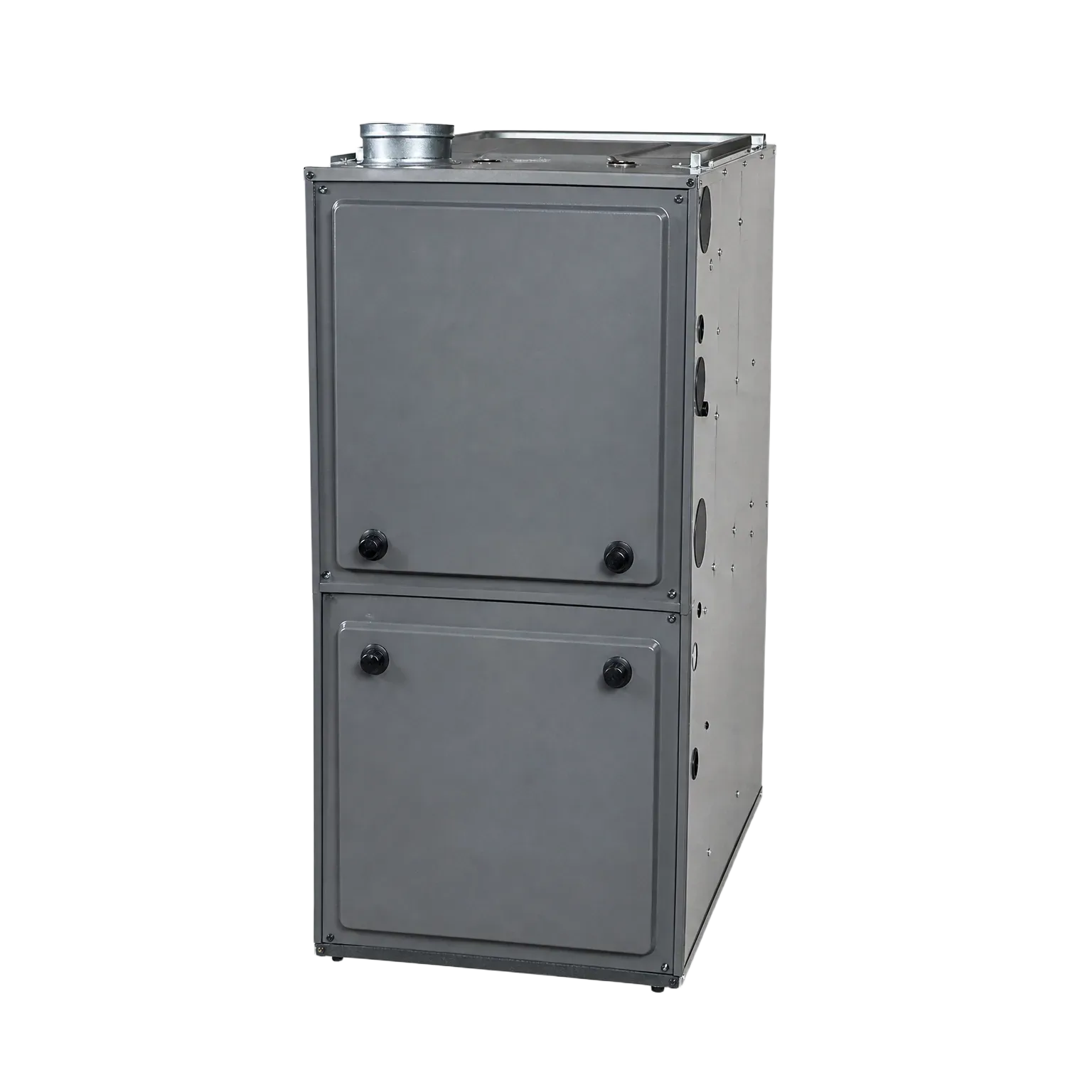
Whether to repair or replace usually comes down to the furnace's age and what's actually wrong with it. A cracked heat exchanger, a failed control board, or a unit past 15 to 20 years old generally points toward replacement, since propane furnaces lose efficiency as they age and a major component failure on an old unit often costs close to what a new one would. A bad igniter, a dirty flame sensor, or a failed inducer motor on a furnace that's otherwise sound is usually worth fixing. In Missaukee County, where propane is the main heating fuel and winters run long and cold, a furnace that's struggling to keep up is burning more propane to do less work, and that shows up on the tank bill before it shows up as a breakdown. If your furnace is older and the repairs are starting to stack up, that pattern itself is telling you something. A contractor who looks at the unit in person can tell you which side of that line your furnace is on.
Winter nights average 14°F
That 14 degree average is the overnight low, not the cold snap. Your furnace is holding that line most nights from December through February, not just on the worst ones. A furnace that's struggling will show it on an ordinary night, long before the real cold hits.
NOAA nClimDiv 1991-2020
When a repair still makes sense
If your furnace is under ten years old and the problem is a single part, like an igniter or a flame sensor, repair is the straightforward call. Parts like these fail on their own and don't usually mean the rest of the furnace is wearing out. A contractor can replace one in a single visit, and a furnace that's otherwise sound should run another decade or more without issue. Cost matters here too. A part repair almost always costs less upfront than a new furnace, which is why it's worth asking a contractor to look at what actually failed before assuming the whole unit needs to go. Not every breakdown is the furnace telling you it's done. Sometimes it's just one part that quit, and replacing that part is the whole job.
When replacement is the honest answer
A furnace that's 15 to 20 years old and failing is a different conversation. Propane furnaces lose efficiency as they age, so even after a repair, an older unit is burning more propane than a new one would to produce the same heat. If the heat exchanger is cracked or the control board has failed, the repair cost can approach what a new furnace costs anyway, and you'd be paying it on equipment that's already most of the way through its working life. Winters in Missaukee County don't give a failing furnace much slack. A unit that can barely keep up in December is a liability in January and February, when the overnight lows do their worst. Replacing it now means not gambling on whether it survives the next cold snap.


Let someone else find the pro
One form replaces the calls you'd make to find a furnace pro.
You only hire the pro if you want to.
A propane furnace that's short-cycling or running longer each day to hold the same temperature is already losing the efficiency fight, even before it fails outright.
That shows up on the propane tank gauge before it shows up on the thermostat. A furnace working harder for the same 14 degrees is burning more propane to do it.





Thermostat calls for heat and the control board gets power
Draft inducer motor starts and proves airflow through the vent
Igniter heats up or the pilot lights the burners
Flame sensor confirms the burners are lit and stays open
What's your furnace doing right now
A furnace that's on its way out doesn't usually hide it. You hear the burners click and try to light, then quit, so the blower never kicks in. Or it lights fine but short-cycles, running a few minutes at a time all night instead of settling into a steady burn. Some rooms stay cold no matter how long it runs. You might smell something faintly like rotten eggs near the furnace, which means a gas leak and means getting everyone out and calling your propane supplier before anything else. A furnace that keeps running despite these signs is burning propane without heating your house well for it, and in Missaukee County that's money going out through the vent on top of the comfort you're not getting.
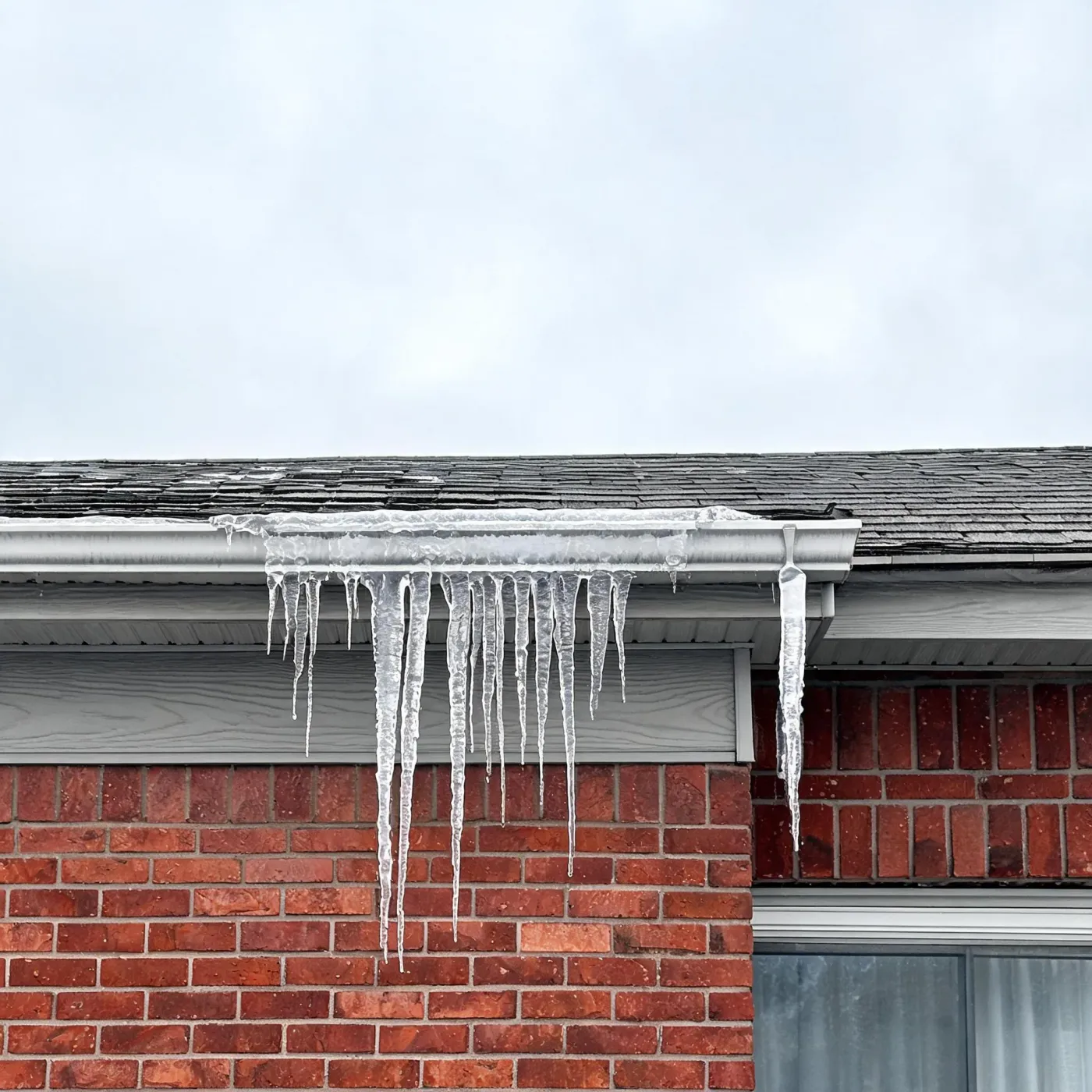
The National Weather Service puts the average winter night in Missaukee County at 14°F. That's the average, so your furnace is working toward that number most nights from December through February, not just when a cold front comes through. At 14°F outside, a furnace in good shape runs longer stretches to hold your thermostat setting, and the burners cycle more often over the course of the night. If yours is already short on output, this is where you'll notice rooms that don't quite warm up or a furnace that seems to run most of the night without catching up.
NOAA nClimDiv 1991-2020


Fix What Broke or Replace the Furnace
Repair
- A single failed part, like an igniter or a draft inducer motor, usually runs less than a full replacement and gets heat back the same day.
- If the furnace is under ten years old, the rest of the unit has plenty of life left to justify fixing what broke.
- You keep the same furnace and the same venting setup, so there's nothing new to size or install.
- A repair now doesn't rule out replacement later if something else fails next winter.
- Propane furnaces are built to have individual parts swapped out without touching the heat exchanger or cabinet.
Replace
- A cracked heat exchanger means the whole unit needs replacing, since that part isn't something a contractor patches.
- A furnace past 15 to 20 years old is burning more propane to hold the same temperature than a new one would.
- Repeated repairs on the same furnace add up, and each one is still a furnace that's aging toward its next failure.
- A new furnace comes with a warranty that covers the whole unit, not just whatever part got replaced last.
- Replacing it now means you're not choosing between a repair and a new furnace again next January.


Where That Leaves You
- A furnace under ten years old with one failed part, like an igniter or flame sensor, is almost always worth repairing.
- A cracked heat exchanger or a furnace past 15 to 20 years old points toward replacement rather than another repair bill.
- Short-cycling or longer run times mean the furnace is already losing the efficiency fight, and the propane tank gauge shows it first.
- Missaukee County winter nights average 14°F from December through February, so the furnace works that hard most nights, not just during cold snaps.
- A furnace that won't fire or quits mid-cycle on an ordinary night is telling you something before the next cold front arrives.
- Deciding between repair and replacement comes down to the furnace's age and what's actually broken, nothing more complicated than that.
The decision isn't complicated once you know the two things that drive it: how old the furnace is and what's actually failed. A single part gone bad on a furnace under ten years old is a repair. A cracked heat exchanger, or a furnace that's already past 15 to 20 years, is the point where fixing it again stops making sense. Everything else in between, the short-cycling, the longer run times, the propane gauge dropping faster than it used to, is the furnace telling you which direction it's heading before it quits outright on a January night.
None of that changes what happens next for you. You'd normally be the one calling around Missaukee County looking for someone licensed who works on propane furnaces, explaining the same symptoms to three different companies, then sitting with quotes trying to figure out who actually knows what they're talking about. That's the part that eats an evening, sometimes more, while the house gets colder and the decision doesn't get any easier.
Send the form through and that work is off your plate. A contractor who handles propane furnaces in this area gets your situation once, and you're not the one chasing anybody down or sorting through quotes on your own. The furnace still needs a real diagnosis, and the fix still takes what it takes. But finding the person to do it stops being your job the moment you send it.

Furnace Installation
One request and it's handed off

- Say what's going on with your furnace, and a pro who works on them reaches out.
- Your request goes to a Missaukee County pro who takes furnace jobs.

- Once you send the form, finding a pro is off your list.
- After you send the request, you're done searching.

- Describe the project once instead of to every installer.
- Answer a few questions instead of calling shop after shop.

- The pro who gets in touch is licensed in Michigan and works in Missaukee County.
- One installer gets your project, so there's no bidding war over it.