
Furnace Installation in Michigan
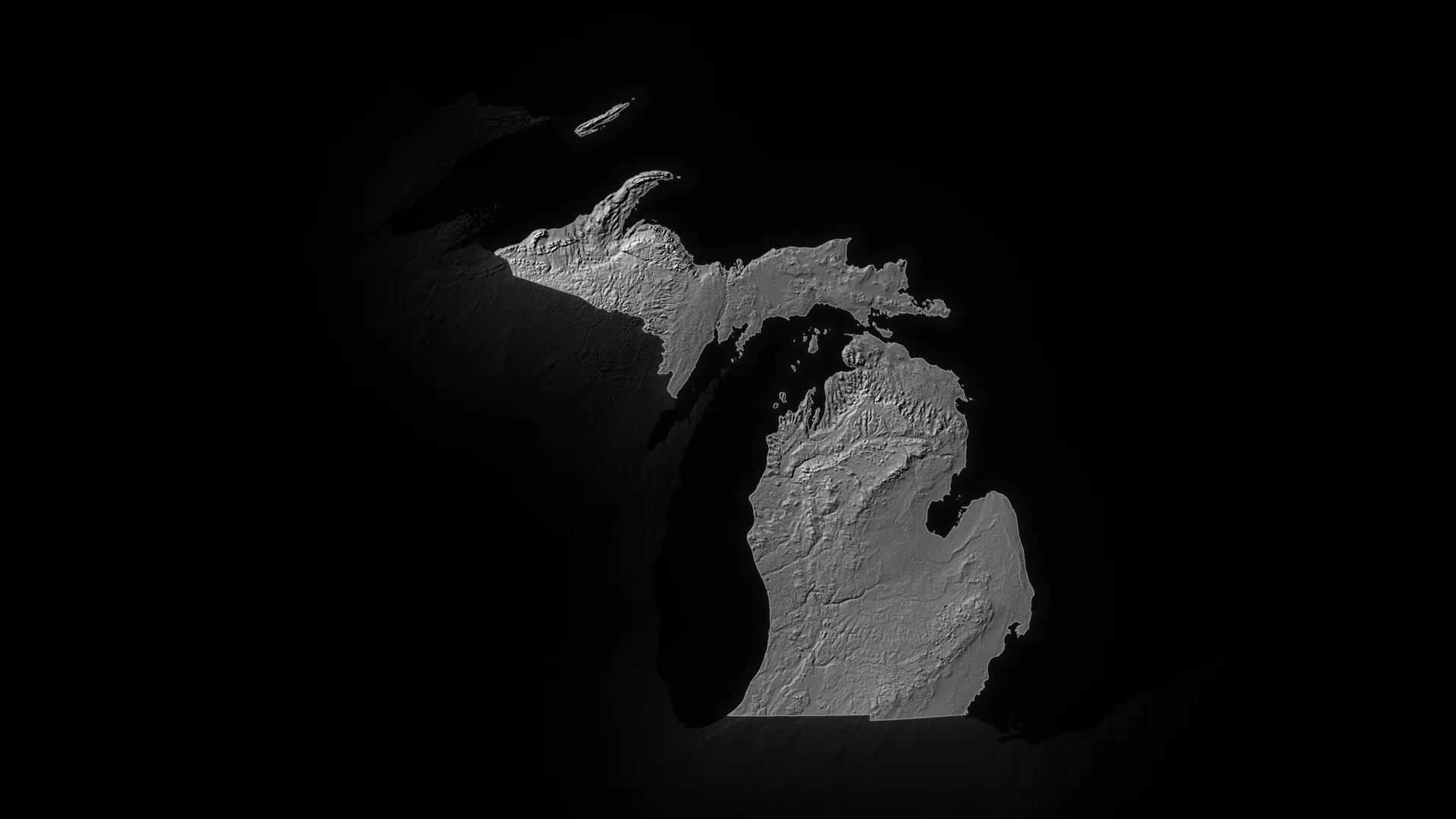
Homes in Michigan are older than in 40 of the other 49 states.
Tell us about the job
Takes about a minute. No obligation.
- 19°Fwinter overnight low where people live
- 8 monthsof heat, October through May
- $10.21 per million Btuwhat homes paid for natural gas in 2024 (Btu means British thermal units, a measure of heat)
- 1,744winter storms from 2015 to 2024
Eight months of heat wears furnaces down. Nights near 19°F keep yours running hard.
- Northern counties need about 10% more heat than southern ones
- Winter nights average 19°F where people live
- Heat runs October through May
- 1,744 winter storms from 2015 to 2024
- Climate zones 5A, 6A and 7 across the state
- 34% of homes lost power a day or more in 2024
Half of Michigan's homes were built in 1972 or earlier.
Ask what size furnace they're proposing and how they got that number. It should come from a room by room heat loss calculation, not a match to the old unit or a guess based on square footage. A furnace that's too big cycles on and off instead of running steady, and that short cycling wears out the heat exchanger faster and leaves rooms uneven. One that's too small runs constantly and never quite catches up on the coldest nights. The only way to size it right is to actually calculate the heat loss of the house.
Ask about the venting, because that's where a lot of installs go wrong. A high efficiency furnace vents through PVC (rigid plastic pipe) pipe, not the old metal flue, and that pipe needs the right slope and the right clearances where it exits the house. If the installer is keeping an old masonry chimney in play for anything else, ask how that's being handled too, since a chimney sized for an older furnace can end up oversized once the new one's smaller flue isn't sharing it anymore. Also ask who pulls the permit and does the inspection. A permitted install means someone independent checked the gas line, the venting, and the electrical before it got closed up.
A furnace sized wrong here has eight months a year to prove it
October through May, that furnace is the thing standing between your family and a 19°F night. Eight months of run time a year adds up fast, and it's more months than most of the country asks of a furnace. That's the case for sizing this install right instead of fast. A contractor who skips the heat loss calculation is guessing, and a guess that runs eight months a year finds every weak point in a house. Get the number in writing before you agree to a unit.
3 months of cooling, June through August
8 months of heat, October through May
Michigan isn't one furnace climate. A home in Iron County needs about 54% more heat over a year than a home in Monroe County, where the heating need is lowest in the state. Worth knowing which side of that gap your house falls on before you agree to a unit size.
North and south split on more than the yearly total. Homes in Marquette County run heat about 10 months a year. In Wayne County it's about 8. Both are still Michigan, but a furnace in Marquette is doing more months of work every year than one in Wayne, and that's before the cold itself is factored in.
Winter nights tell the same story. Iron County averages a 5°F low across December, January and February. Monroe County averages 21°F. A furnace sized for a 21-degree night and one sized for a 5-degree night are not the same furnace, even if the square footage on paper looks identical.
None of this tells you what your specific house needs. That's what the heat loss calculation is for. But it does mean a contractor quoting the same furnace for a house in Monroe County and one in Iron County is missing something, and it's worth asking which county's numbers they actually used.
What does a furnace in Michigan face?
How cold do winter nights get?
19°Faverage overnight low where people live
North Dakota4°F
Hawaii65°F
How many months does the heat run?
8 monthsof heating a year
Hawaii0 months
Alaska12 months
What does natural gas cost?
$10.21per million Btu, what homes paid in 2024
Montana$7.77
Hawaii$53.25
How often do storms hit?
123severe weather events per county from 2015 to 2024
Alaska5
Wyoming1,057
How many homes lost power for a day or more?
34%of homes in 2024
Arizona7%
Maine54%
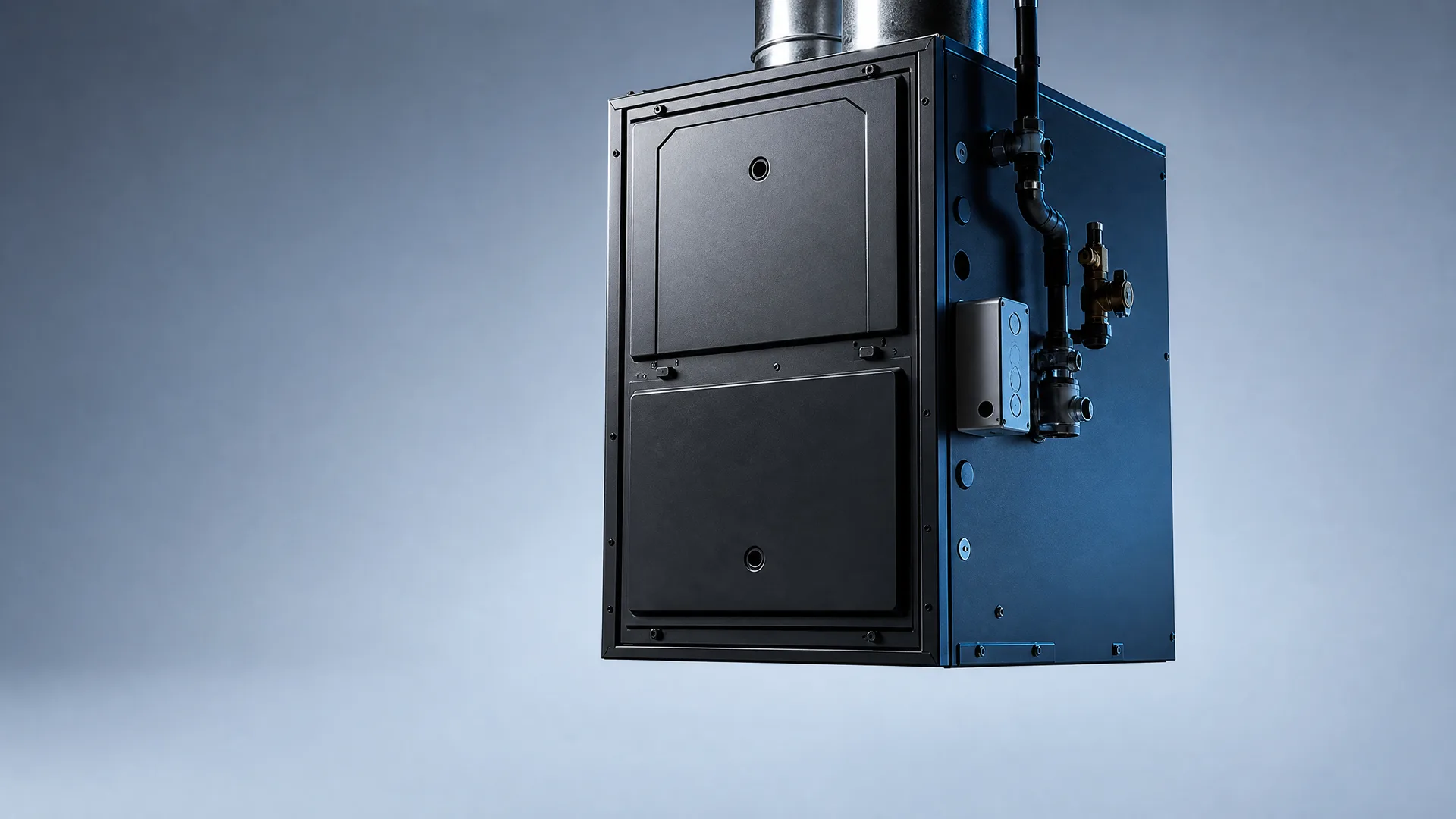
What a furnace here is up against
Natural gas ran $10.21 per million Btu in Michigan in 2024, and that's what most furnaces here burn. A furnace sized right for the house burns only what the rooms actually lose on a cold night. An oversized one burns gas in short bursts, cycling on and off, and still leaves rooms uneven. A standard high efficiency furnace covers what this state asks of it. There's no case here for paying for more than that. The number that decides whether you got the right unit isn't on the cabinet. It's the heat loss calculation behind it.
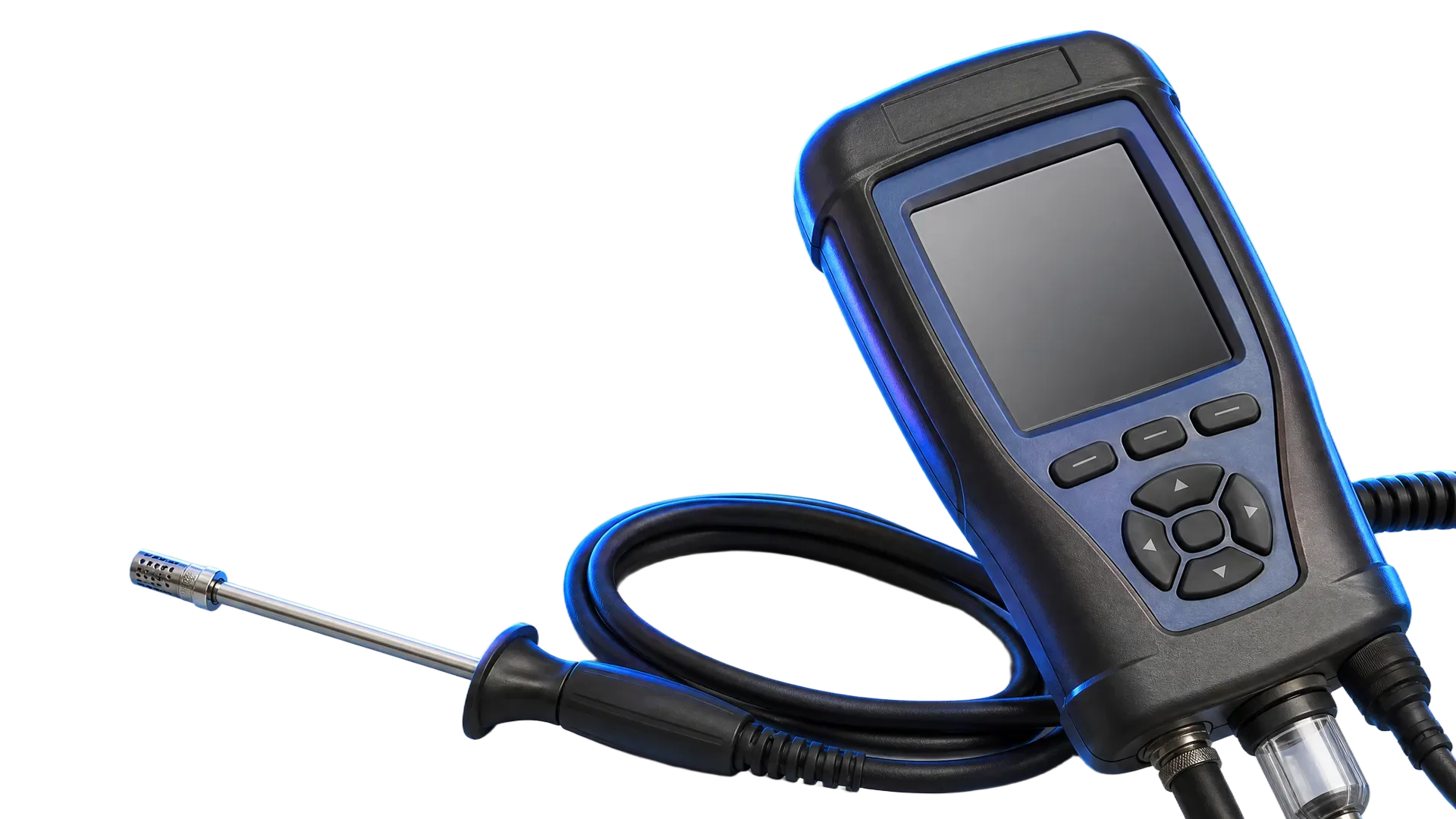
What happens to the old furnace
The old furnace doesn't just get hauled off. Removing it is part of the job, and so is disconnecting it safely. The gas line gets capped or rerouted, not just unhooked. The old flue or vent connection gets sealed or removed so it isn't left as an opening into the house. If the furnace shared a chimney with a water heater, that chimney has to be reassessed once the furnace's exhaust is gone from it. A technician will also check the ductwork the old unit was feeding into, since a new furnace with different airflow can expose a duct that was undersized or leaky all along. None of that shows up on the invoice as its own line item, but skipping it leaves a house with a dead gas stub or an orphaned vent, and both of those are real problems even with the new furnace running fine.
Most of this state heats with gas
Gas heats 74.9% of occupied homes in Michigan, more than any other fuel by a wide margin. Electricity and propane cover most of what's left. If your house already runs on gas, staying on gas means the gas line, the vent sizing and the combustion air are known quantities instead of new problems to solve. That's one less thing for an installer to get wrong on a job that already has a lot riding on getting the size right.
Heat starts in October here, so September is the month to get this done.
Tell us about the job
Takes about a minute. No obligation.
Fill out the form and a licensed Michigan contractor will size the job right.