





A gray forced-air furnace with sheet-metal ductwork stands in an unfinished basement with exposed wooden joists, concrete walls, and a hanging incandescent bulb.

Furnace Installation in Mount Pleasant, MI

Tell us about the job

Takes about a minute. No obligation.

New system or replacementFurnace or heatingIsabella County, MI
Step 1 of 2

What ZIP code is the job in?

Just over half the homes in Isabella County heat with utility gas, more than any other fuel. Another fifth use bottled or LP gas, so gas furnaces of one kind or another cover most houses here. Electric heat and oil or kerosene make up the rest, a much smaller share. If your home already runs on gas, a new gas furnace means the gas line and venting are already in place. That's one less thing to work out when you're comparing options.

9 months
September through May, your furnace is on duty
17°F
the average winter night it heats against
51%
of homes here heat with gas, so most furnaces here burn gas
80% AFUE
the federal minimum any new unit must meet
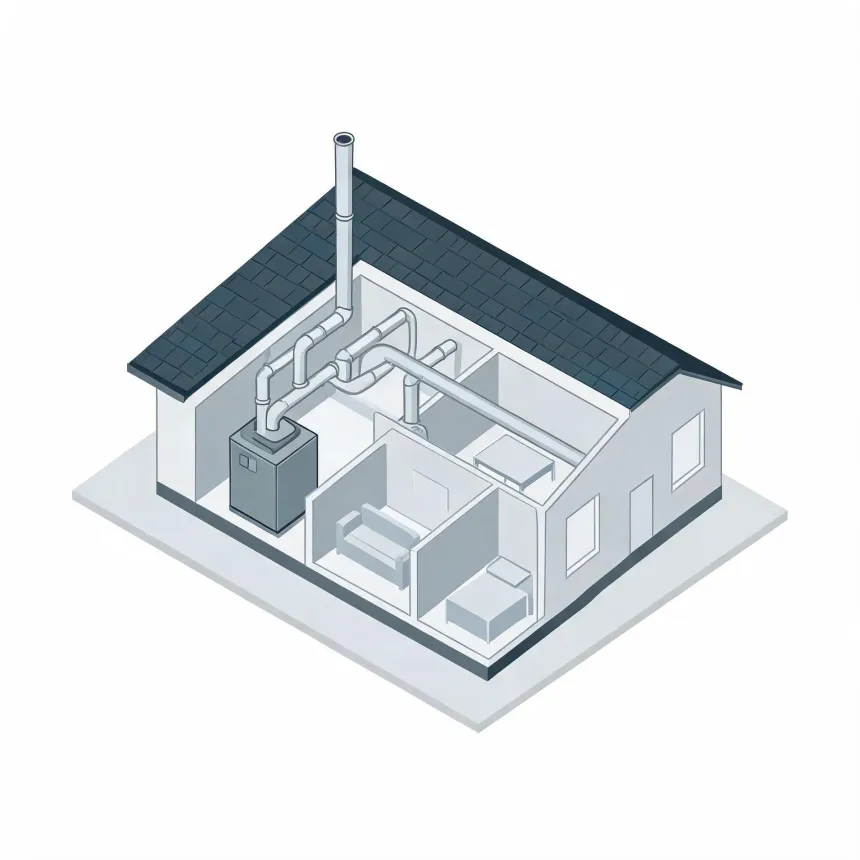
Isometric cutaway illustration of a single-story house showing a gray furnace connected to white ductwork and a flue pipe extending through the shingled roof, with simplified furniture in the interior rooms.
Your furnace works hardest from November through March.

NOAA nClimDiv, 1991–2020 normals

Your furnace in Mount Pleasant runs nine months out of the year, September through May.

Winter nights here average 17°F, so a new furnace needs to hold up to a long, hard season from day one.

August is the month to replace a furnace that starts working in September

Heat runs September through May
Climate zone 6A
Winter nights average 17°F
A furnace sized right for Mount PleasantGas runs $10.21 per million Btu in Michigan, and a correctly sized furnace is what keeps that bill honest.

A furnace that's too big for the house will short cycle. It fires up, blasts the place with heat, and shuts off before it's pulled moisture out of the air or warmed the walls and furniture, not just the air in the room. Then the house cools fast and it fires up again. That start-stop pattern wears on the ignition system and the blower motor faster than a steady run would. Too small and it just won't keep up on the coldest nights, running constantly and still losing ground. The right size comes from a load calculation, a room-by-room look at square footage, window area, insulation and ceiling height, not a guess based on the old unit or the size of the house next door. A contractor who skips that step and quotes a size off the square footage alone is guessing, and you're the one who lives with the result.

Size it for how hard it works here

A new system here will work harder than most, every year. Size it right and don't buy on price alone.

Find a contractor
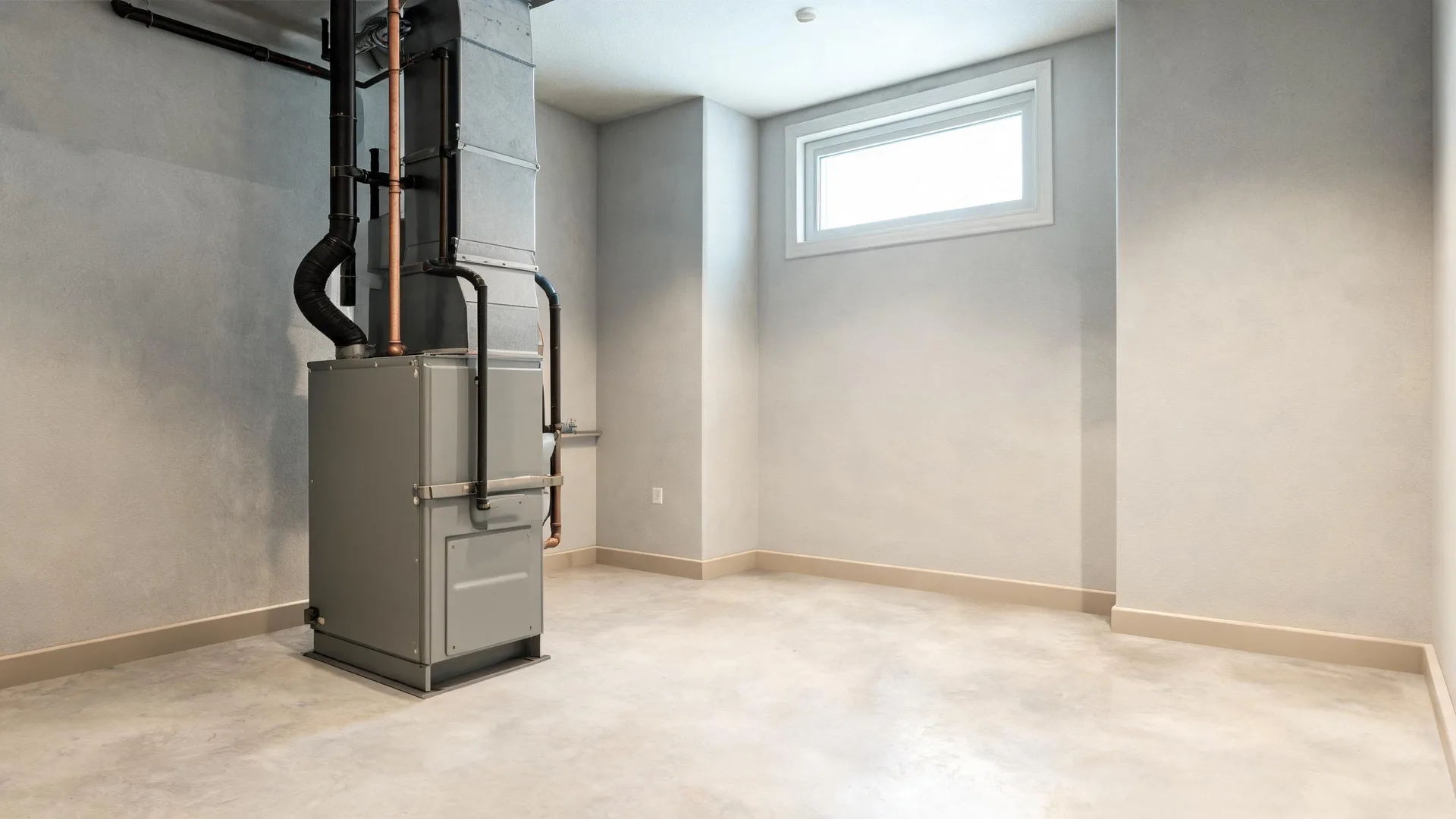
A gray gas furnace with attached ductwork and piping installed in an unfinished concrete basement.

Sized for the season, not the sale

Nine months of heating is a long season for a furnace to get right, and the hardest nights fall in the middle of it. That's the stretch a load calculation is for. Ask the contractor to walk through the room-by-room numbers before you sign anything, not after the unit is in and you're finding out the hard way whether it was sized for this place or just for the sale.

Ask what the AFUE number actually covers

AFUE tells you how much of the fuel burned turns into heat in the house versus what goes out the flue. A higher number means less wasted gas. It says nothing about whether the furnace is sized right or built to last. Ask also whether the burner runs at one fixed rate or adjusts itself to the load. That changes comfort and how often the burner cycles, and it matters as much as the efficiency rating does.

Ask how the ductwork was checked, not just the furnace

A furnace can be sized and rated perfectly and still heat the house poorly if the ducts feeding it are too small, leaky, or built for a different unit. Ask whether the contractor inspected the existing ductwork or is just connecting the new furnace to what's there. If the ducts need work, that belongs in the quote, not in a change order after the furnace is already in.

An unfinished basement featuring exposed ceiling joists, a metal HVAC unit with round ductwork, a hanging light bulb, and scattered boxes and debris along the left wall.

A high-efficiency gas furnace would save about $130 a year to run in Isabella County compared with a gas furnace.

  • A high-efficiency gas furnace$640 a year
  • A gas furnace$770 a year

Estimates for a typical Isabella County home, from EIA household energy data, Michigan fuel prices and NOAA climate normals. Your home will differ.

The old furnace comes out first. Gas and power get shut off, then the ductwork and flue get disconnected before anything new goes in. The new unit gets set in place and leveled, and that's when the real work starts. The gas line gets hooked up and pressure-tested for leaks before anything is fired up. Venting gets connected and sloped the way it needs to be. Ductwork gets sealed to the plenum, and electrical and thermostat wiring gets run. Once it's running, a good installer checks airflow, gas pressure, and the burn itself, usually with a combustion analyzer rather than just a look at the flame. The last step is watching a full startup cycle, so the furnace fires, ramps up, and shuts down the way it should before anyone is left without heat overnight.