
Heat pump vs furnace in Isabella County, Michigan

Start My Quote

Serving Isabella County homes

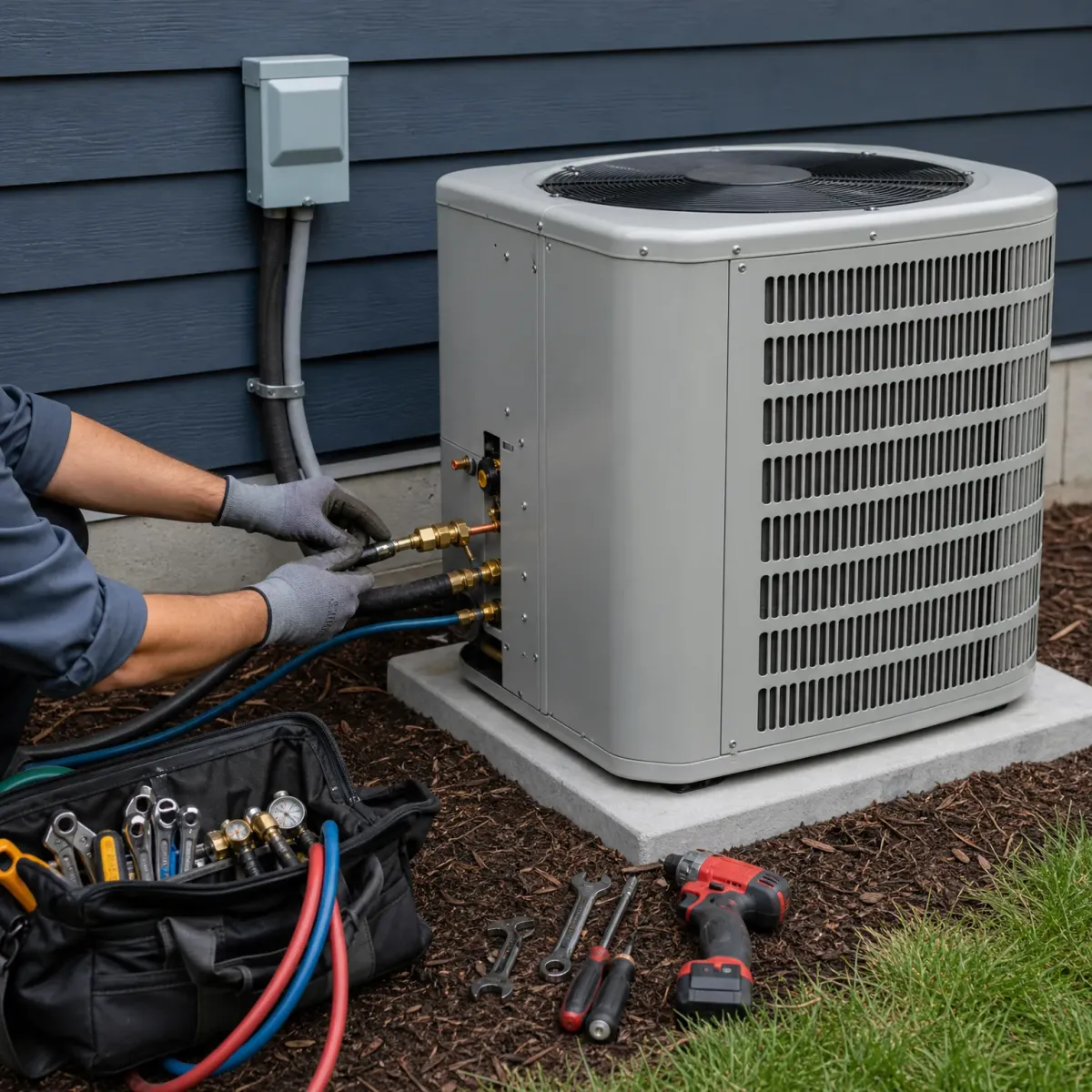
A gloved worker connects refrigerant lines to the service valves of an outdoor air conditioning condenser on a concrete pad beside a dark-sided house, with a tool bag, wrenches, screwdrivers, a gauge set and a cordless drill on the mulch in the foreground.

Tell us about the job

Takes about a minute. No obligation.

New system or replacementIsabella County, MI
Step 1 of 3

What kind of equipment?

Which costs less to run in Isabella County?

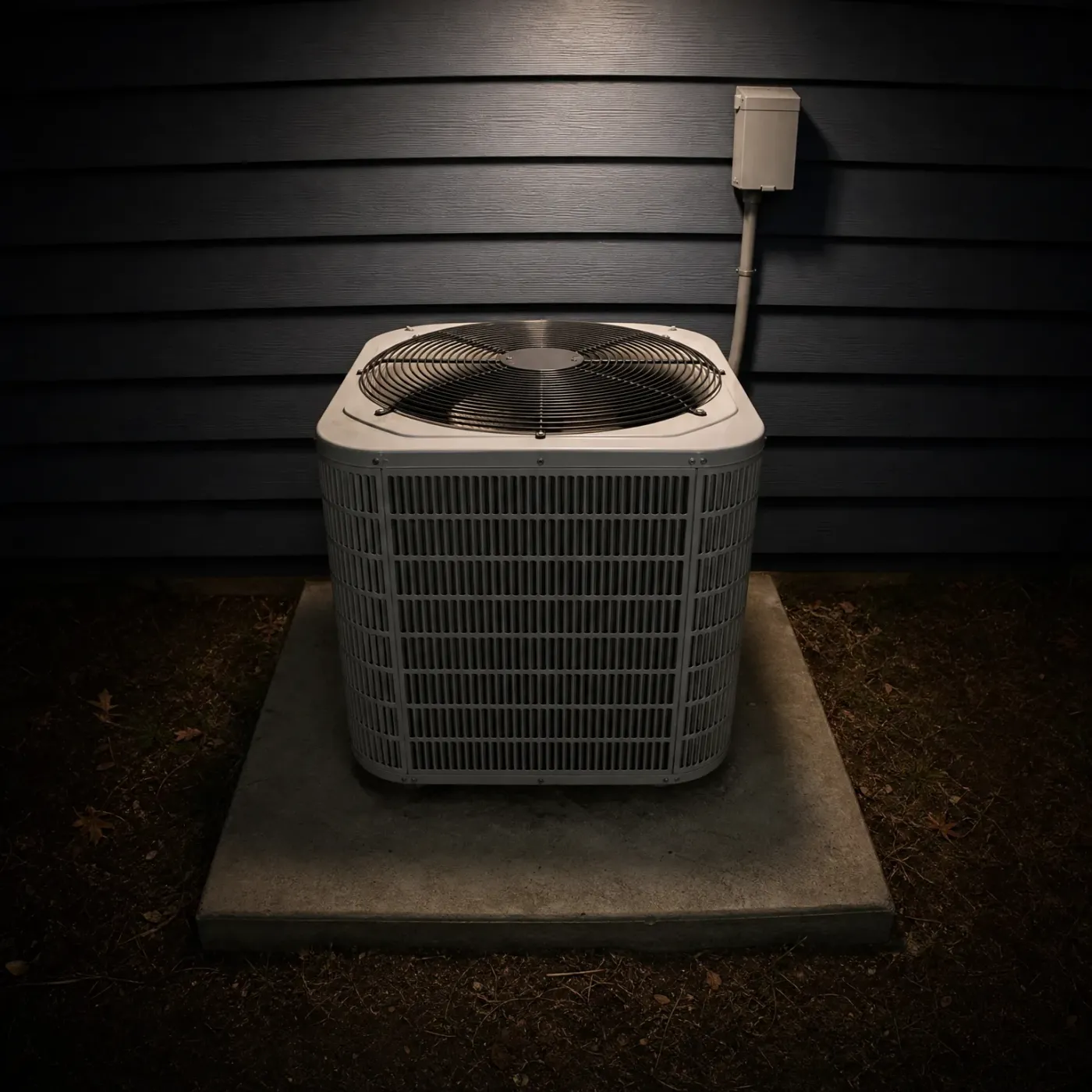
An outdoor air conditioner or heat pump condenser unit on a concrete pad against dark horizontal lap siding, with a conduit running up to a wall-mounted disconnect box.

Heat pump

To heat your home here$2.57per 100,000 Btu

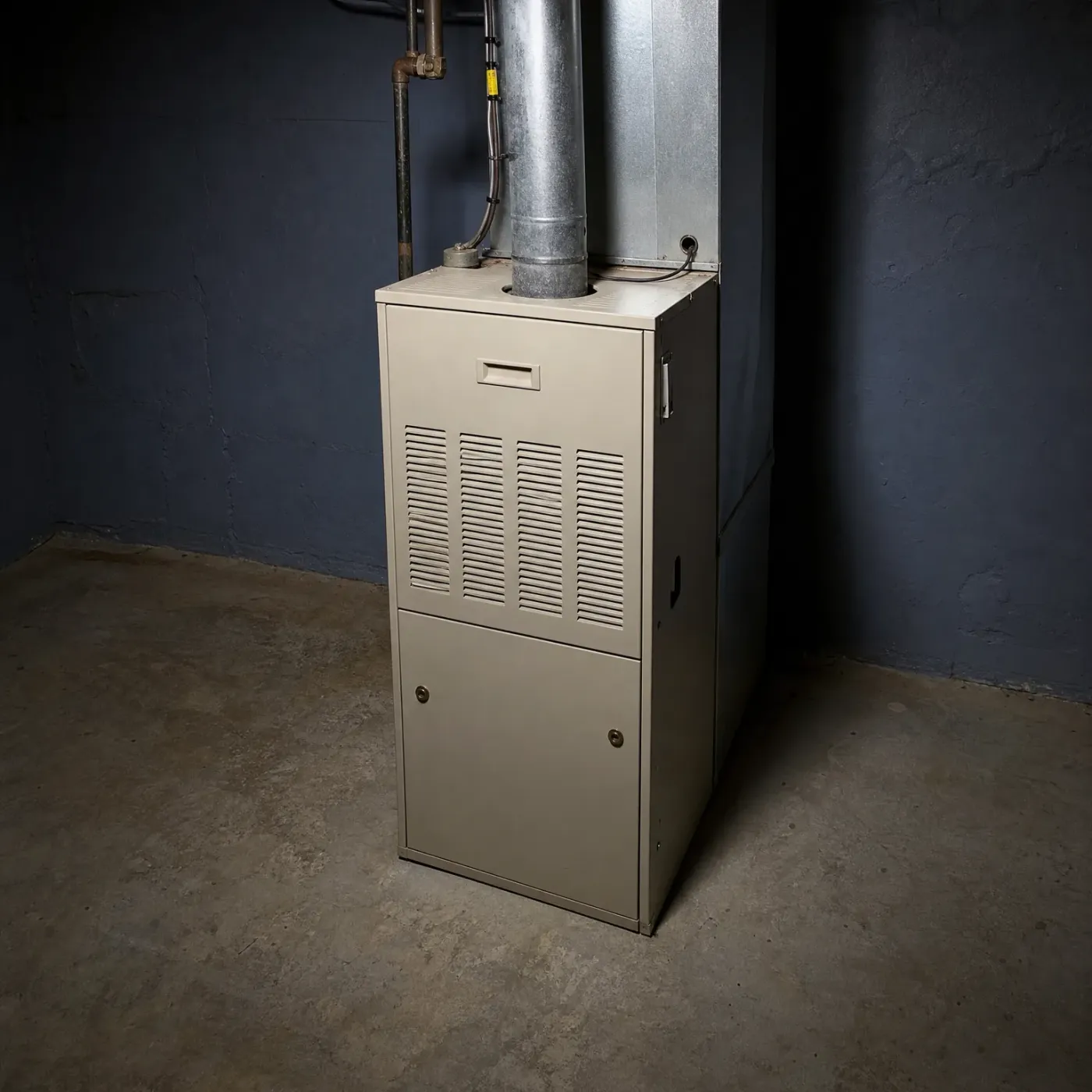
A beige furnace with a louvered front panel stands on a concrete floor in a basement corner, with a metal flue pipe and copper piping rising to the ceiling against dark gray walls.

Furnace

To heat your home here$1.28per 100,000 Btu

At Michigan's gas and electricity prices, a gas furnace makes the same heat as a heat pump for at least 50% less.

Btu stands for British thermal unit, the standard measure of heat energy.

Where does a heat pump shine?

  • Steady, even comfort

    A heat pump runs long and low instead of blasting on and off. Rooms hold an even temperature all day.

    A living room with a gray upholstered armchair holding an open book and a draped throw, a table lamp by a window showing snow outside, a lit fireplace with a wood-mantel and framed landscape painting, a basket of firewood, a wooden coffee table, and a golden retriever lying on a patterned rug.
  • No gas line, nothing burning in the house

    There's no gas line to the unit and no flame anywhere in it. Carbon monoxide isn't part of the picture.

    A kitchen island with a light stone countertop and black cooktop holding a stainless steel kettle, with navy cabinets, a white tile backsplash, a wooden cutting board, a vase of white hydrangeas, and a bowl of green apples.
  • Heats and cools in one system

    One machine handles the heat in winter and the cooling in summer. There's no second system to buy or keep up.

    A living room with dark blue-grey walls, a large three-pane window overlooking a green garden, a light grey sofa with a blue throw and cushions, a wooden coffee table with a bowl and mug, a wooden armchair, and a wall-mounted swing-arm lamp.

Where does a furnace shine?

  • Strong, steady heat in hard cold

    Overnight lows here average 17°F through December, January and February, and that's the kind of cold a furnace is built for. It puts out the same strong heat at the coldest hour of the night as it does on a milder day.

    A two-story dark-sided house with a white covered porch and lit windows at dusk, with a shoveled snow path lined by small glowing path lights leading to the front steps.
  • Runs on the gas most homes here already use

    Just over half the homes in Isabella County already heat with gas, so the line running to your house is probably already there. A furnace just uses what's already hooked up.

    Two adjacent wood-sided houses with covered porches, railed front steps and gas meters, separated by a narrow walkway, with patchy snow on the lawns and a concrete sidewalk in front.
  • Proven, simple, easy to get serviced

    The design is simple and well understood. That keeps service calls short.

    A gloved hand holds a white pleated air filter in front of HVAC equipment and blue shelving holding folded towels, a mug, a basket and storage bins.

What the cold here does to a heat pump

Winters here run long. Heat is on for nine months, September through May, and the overnight low averages 17°F across December, January and February. That's the number that matters for this choice. A standard heat pump starts losing heating capacity below 40°F and often needs backup heat below about 35°F. Here, the average winter night doesn't get close to either mark, it's already below both.

This isn't a once-a-winter event. About 150 nights a year here drop to freezing or below, more than half the nights the heat even runs. Every one of those nights falls under the 40°F and 35°F marks. So for most of the heating season, a standard heat pump is running in conditions where it puts out less than its rated capacity and is leaning on backup heat to make up the difference.

Cold-climate heat pumps are built for exactly this. To earn the ENERGY STAR Cold Climate label, a unit has to deliver at least 1.75 units of heat per unit of electricity at 5°F and hold onto 70 percent of its 47°F capacity at that same temperature, checked by outside testing. Field tests of prototypes back this up in practice: backup heat only covered a small share of the load between 0°F and 35°F, and running on backup alone was rare except on the coldest nights. The 7 nights a year here that hit 0°F or below are the nights where any heat pump, cold-climate or not, works the hardest.

So the real question for a heat pump here isn't whether it can heat the house. It's whether it's the cold-climate kind. A standard heat pump will spend most of the season undersized for the job. A cold-climate one is built for a county where freezing nights are the norm, not the exception.
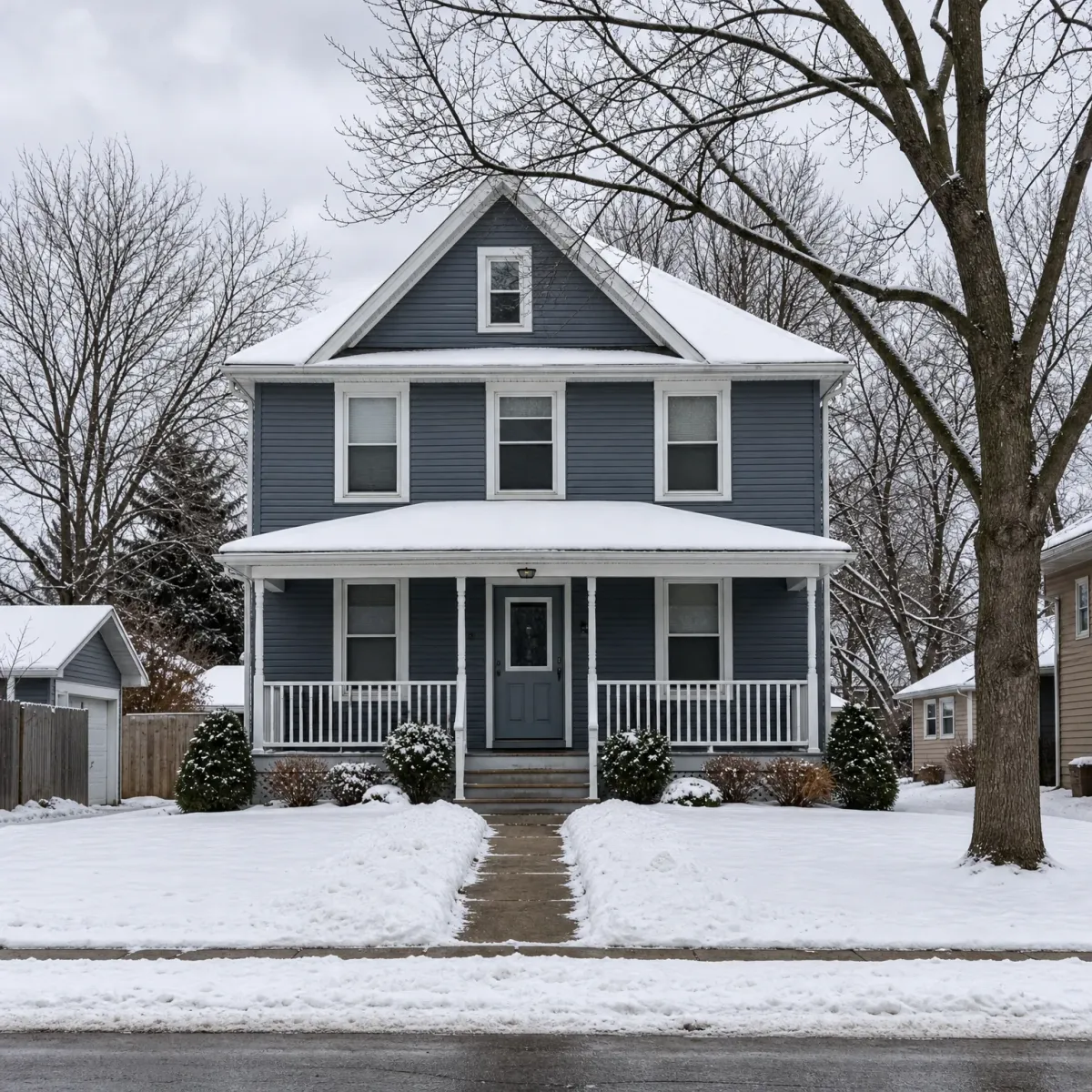
A two-story dark gray house with white trim, a covered front porch and gabled dormer, fronted by a snow-covered lawn with a cleared walkway and bare trees.

What it costs to run, and what the house already has

Run the two side by side on price and the furnace wins. A gas furnace makes the same heat here for $1.28 per 100,000 Btu against $2.57 for a heat pump, less than half the cost, at Michigan's average fuel prices. That gap holds for the full nine months heat is needed, not just the cold stretch.

What's already run to the house matters too. Utility gas heats about half the homes in Isabella County, and another one in five run on propane. Electricity heats one in five. If a gas line already serves the house, a furnace uses what's there. If the house runs on propane or has no gas line, installing one changes the math on either machine, and that cost isn't in the figures above.

A furnace only does one job. It makes heat for the nine months this county needs it and sits unused the other three. A heat pump runs the air conditioning too, the same unit handling both jobs year round. For a house that needs a cooling system either way, that's one piece of equipment instead of two.

Where that leaves the choice: a furnace costs less to run and fits a gas line already in place. A cold-climate heat pump costs more to run at today's prices but handles the cold here and takes over cooling as well. A standard heat pump, at these temperatures, is the one option that falls short on both counts.

Sources: NOAA nClimDiv · NOAA 1991–2020 seasonal normals · PNNL Building America guide · PNNL-37127 field study · ENERGY STAR product criteria · EIA SEDS 2024 · 10 CFR 430.32 · Census ACS 2020–2024

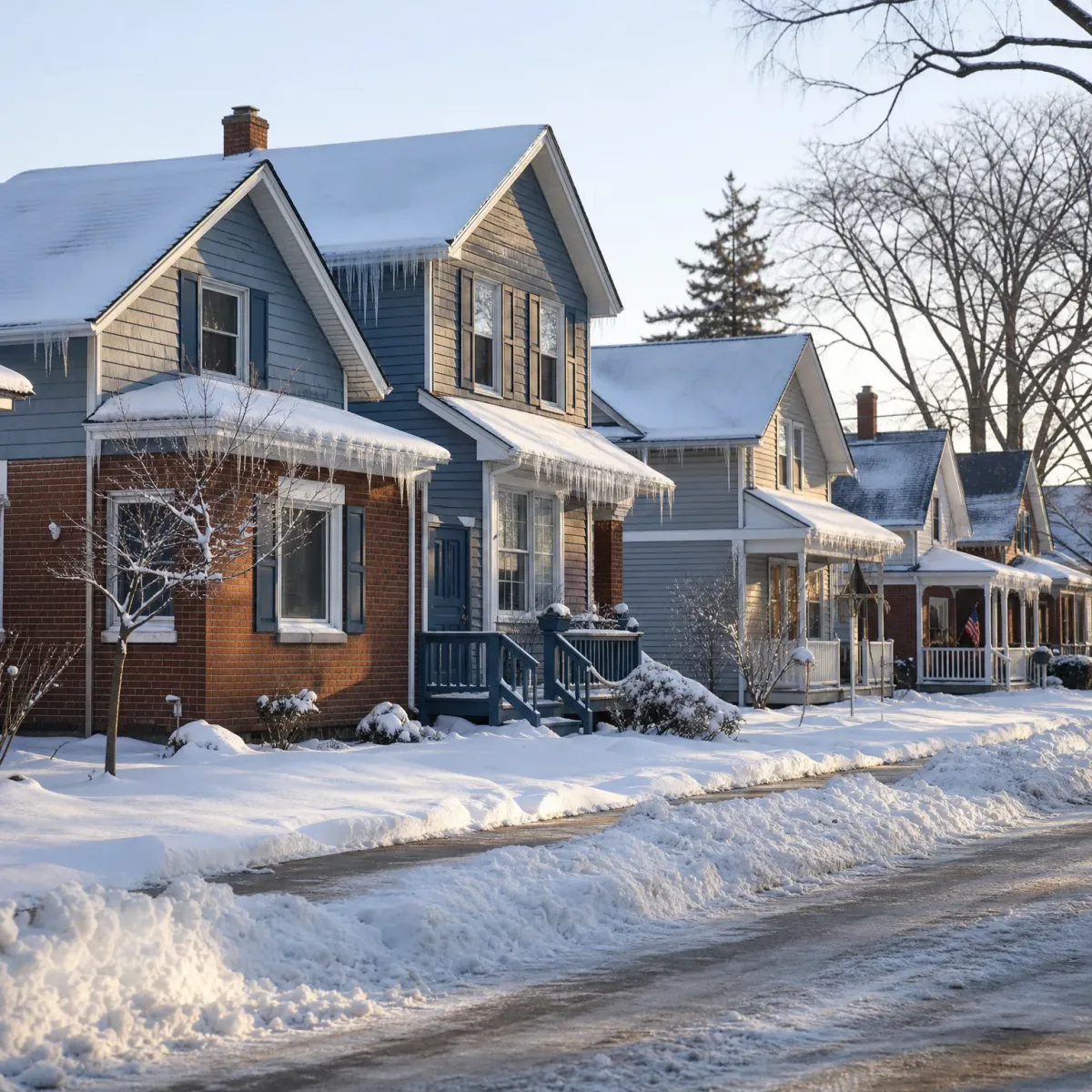
A row of two-story houses with gray siding and brick lower walls along a snow-covered residential street, with icicles hanging from the eaves and bare trees and a conifer in the background under a clear sky.

Common questions about heat pumps and furnaces

  • Can a heat pump heat a house through a Michigan winter?

    It can, but a standard heat pump alone will struggle on the coldest nights. Below 40°F its output drops under its rating, and below 35°F it often leans on backup heat, and this county averages 17°F overnight in December, January and February. Models built to the ENERGY STAR Cold Climate spec are tested to hold up better at 5°F, which matters here since about 7 nights a year reach 0°F or below.

  • Do I need backup heat with a heat pump here?

    Most likely, yes. A standard heat pump's output starts falling short of its rating below 40°F and it often needs help below about 35°F. The average winter night here is 17°F, under both marks, so backup heat is doing real work on most of the roughly 150 nights a year that drop to freezing or below.

  • Can I keep my furnace and add a heat pump?

    Yes, and here that often makes more sense than replacing the furnace outright. The heat pump carries the house for most of the year, and the furnace switches on for the stretch of winter when the heat pump can't keep up on its own. With an average overnight low of 17°F, and about 150 nights a year at or below freezing, this county gets real use out of that setup.

  • Is a heat pump cheaper to run than a furnace in Isabella County?

    No, a furnace costs less to run here. The figures above work out to $1.28 per 100,000 Btu for a gas furnace against $2.57 for a heat pump, both at federal minimum efficiency and Michigan's average fuel prices. Gas already heats about half the homes in Isabella County, more than any other fuel.