




An unfinished basement featuring a forced-air furnace, exposed wooden ceiling joists, bare concrete walls, and miscellaneous items including cardboard boxes and coiled cables on the floor.

Furnace Repair in Mount Pleasant, MI

Tell us about the job

Takes about a minute. No obligation.

RepairFurnace or heatingIsabella County, MI
Step 1 of 2

What ZIP code is the job in?

Furnaces in Isabella County run nine months a year, from September through May. That's most of the calendar, not just a few cold weeks. The burner, the igniter, the blower motor, all of it cycling on and off for three quarters of the year. A furnace with that many hours on it wears sooner than one that only has to carry a short winter. That's usually what's behind a furnace acting up here sooner than you'd expect. Worth having someone look at what's actually failing, rather than guessing.

9 months
September through May, your furnace is on duty
17°F
the average winter night it heats against
51%
of homes here heat with gas, so most furnaces here burn gas
10 winter storms
in ten years, the nights a failure hurts most
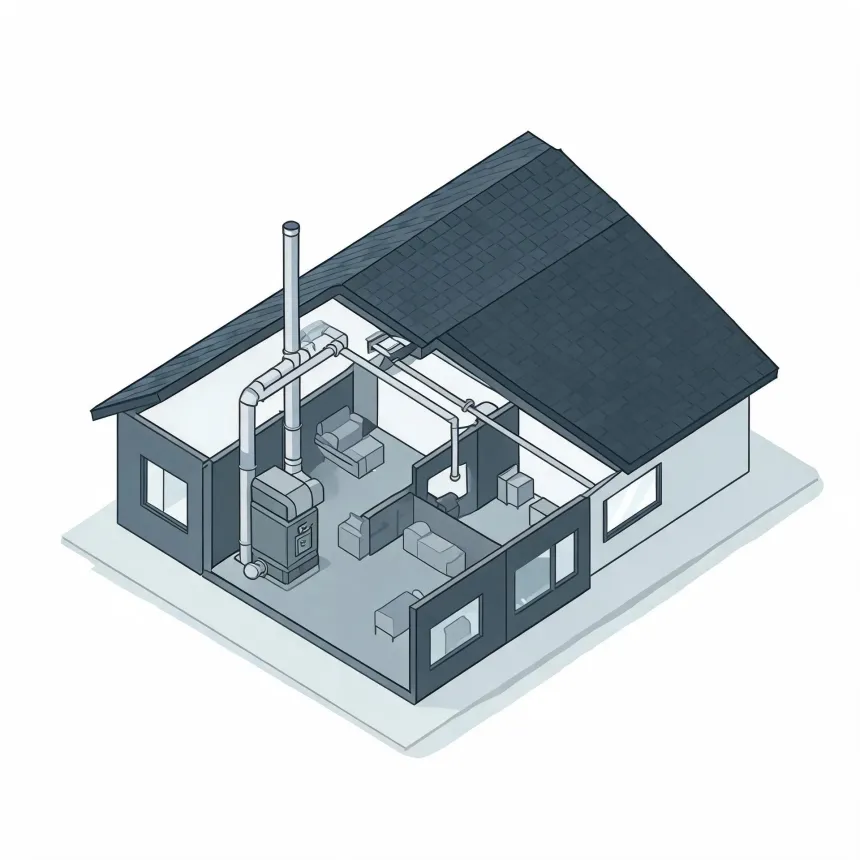
Isometric cutaway illustration of a single-story house showing interior rooms with furniture, a furnace unit connected to ducting and vertical flue pipes running through the roof.
Your furnace works hardest from November through March.

NOAA nClimDiv, 1991–2020 normals

Half the furnaces in Isabella County are in houses built since 1983.

A furnace that age has usually got years left in it, so repair is the right first call.

Nine months of heat start fast, and September is when a weak part gives out

Heat runs September through May
Climate zone 6A
Winter nights average 17°F

Isabella County has had 18 damaging wind events and 3 hail events between 2015 and 2024, along with 10 winter storms bringing heavy snow and ice. None of that touches the furnace directly, but it touches the power the furnace needs to run. Gas furnaces still need electricity to fire the igniter and run the blower, so a line down in an ice storm means no heat even though the furnace itself is fine. Across Michigan, over a third of households lost power for a day or more in 2024. If a storm has come through and the furnace won't start afterward, that's worth checking before assuming the worst about the unit itself.

Get the real cause found before the next cold snap

A furnace running nine months a year doesn't give you much room to wait out a problem. Get the actual cause checked before it costs you heat on a cold night.

Find a contractor
A man in a dark long-sleeve shirt, tan work pants and a cap climbs porch steps toward a gray door, carrying a canvas tool bag in his right hand, with a potted shrub to the right.
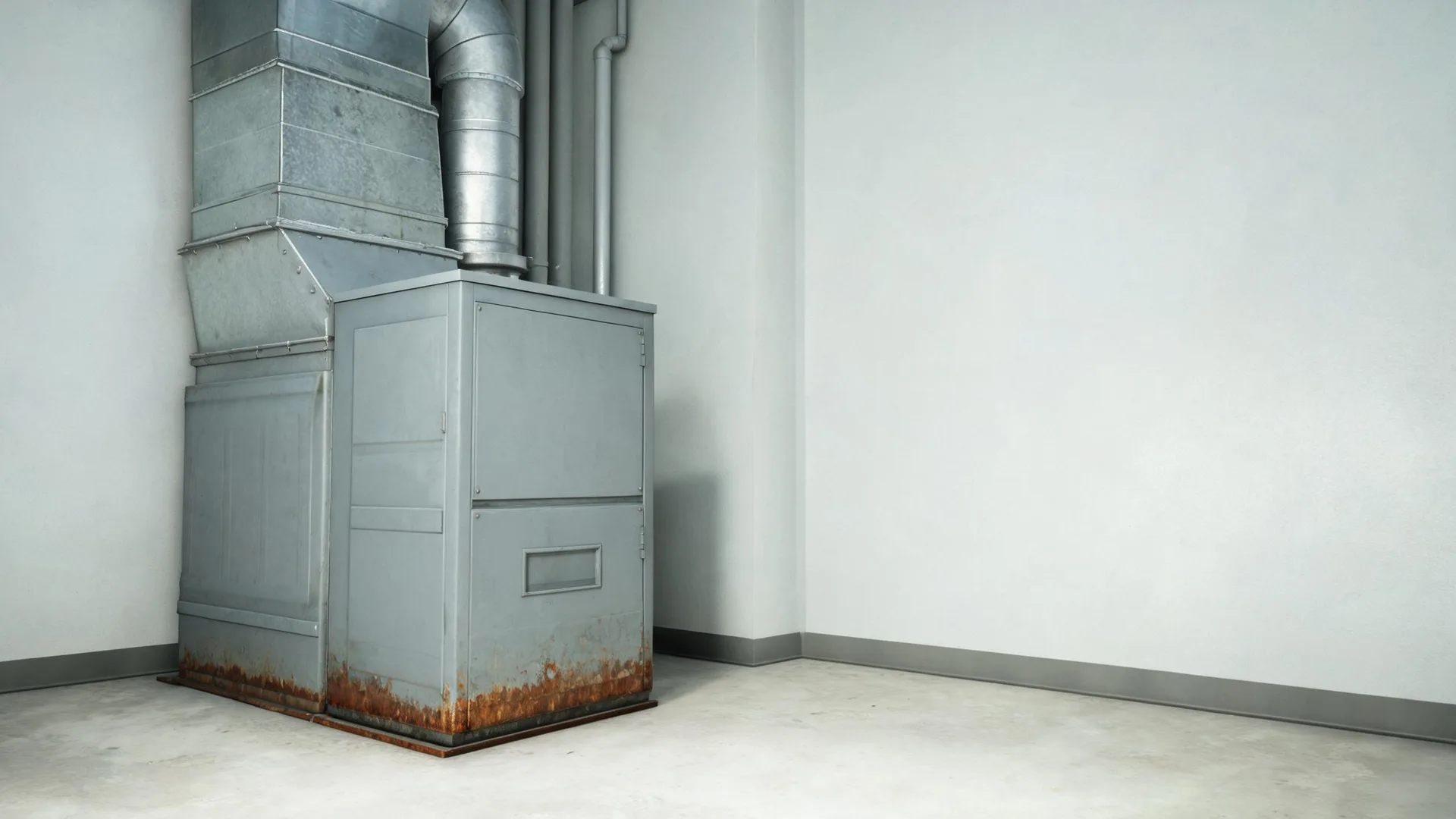
A gray residential gas furnace installed in an unfinished basement, connected to sheet-metal ductwork and PVC pipes.

One bad part doesn't mean one bad furnace

A furnace is a collection of parts with different lifespans, not one thing that dies all at once. The heat exchanger usually outlasts everything else if it's kept clean and the furnace is sized right for the ductwork. Igniters, flame sensors, pressure switches and blower capacitors wear faster and get replaced along the way. That's normal upkeep, not a sign the furnace is failing. The question worth asking isn't how old the unit is but what's actually broken. A cracked heat exchanger is a different conversation than a fouled flame sensor, even though both can stop a furnace from running. One is a part swap. The other means the furnace shouldn't keep running until it's looked at closely, since a cracked exchanger can let combustion gases get where they shouldn't. Most calls are the first kind. A tech who's opened the cabinet and found the actual cause can tell you which one you've got, and that's worth more than a guess based on how many winters the unit has seen.

What actually wears out first

The igniter takes the brunt of it. It heats up and cools down every single cycle, and that repeated stress is what cracks it eventually. The flame sensor fouls with a thin layer of residue over time and starts telling the control board no flame is present even when there is one. Blower motor bearings wear from hours of spinning. None of these fail because something went wrong. They fail because they were asked to do their job over and over until they couldn't anymore.

Why it shows up as a no-heat call

A furnace doesn't usually ease into failure. The igniter either glows enough to light the burner or it doesn't. A dirty flame sensor works fine for months, then one cycle it decides the flame isn't there and shuts the gas valve as a safety check. That's why a furnace can run fine for weeks and then quit outright on a random morning. The part was already most of the way gone. The last cycle just finished the job.

A gray forced-air furnace with metal ductwork stands in an unfinished basement with exposed wooden joists, concrete walls, and a single hanging light bulb.

A new furnace would cut about $150 a year off heating for a typical Isabella County home.

  • A new high-efficiency furnace$640 a year
  • An older furnace$790 a year

Estimates for a typical Isabella County home, compared with an older unit built to the previous federal minimum, from EIA household energy data, Michigan fuel prices and NOAA climate normals. Your home will differ.

Repair makes sense when one part has failed and the heat exchanger is sound.

Replacement makes sense when the heat exchanger is cracked or the furnace keeps needing parts.

A diagnostic visit starts with the thermostat and works back from there, checking the call for heat is actually reaching the furnace before anything gets opened up. From there it's power to the board, the igniter glowing or not, flame sensing, and whether the blower is moving air once the burner lights. Each of those rules something in or out. A tech checking for a cracked igniter will pull it and look rather than guess from the symptom alone, since a weak igniter and a dirty flame sensor can look almost identical from the thermostat's side of things. Gas pressure and venting get checked too, because a furnace that lights and then shuts itself off is often doing exactly what it's supposed to do when something downstream isn't right. The point of the visit is to find which part is actually failing, not to replace parts until one works.