
Worth repairing
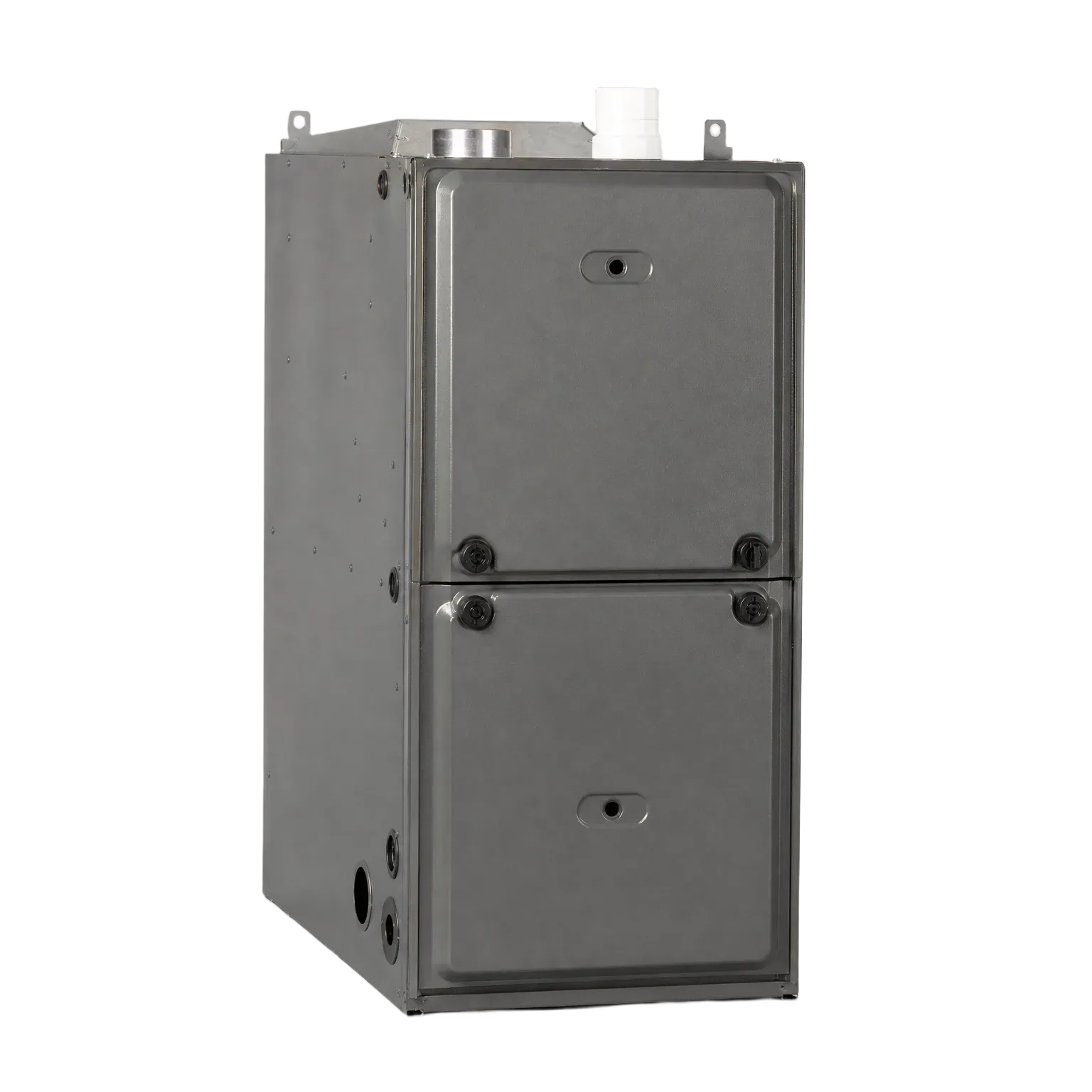
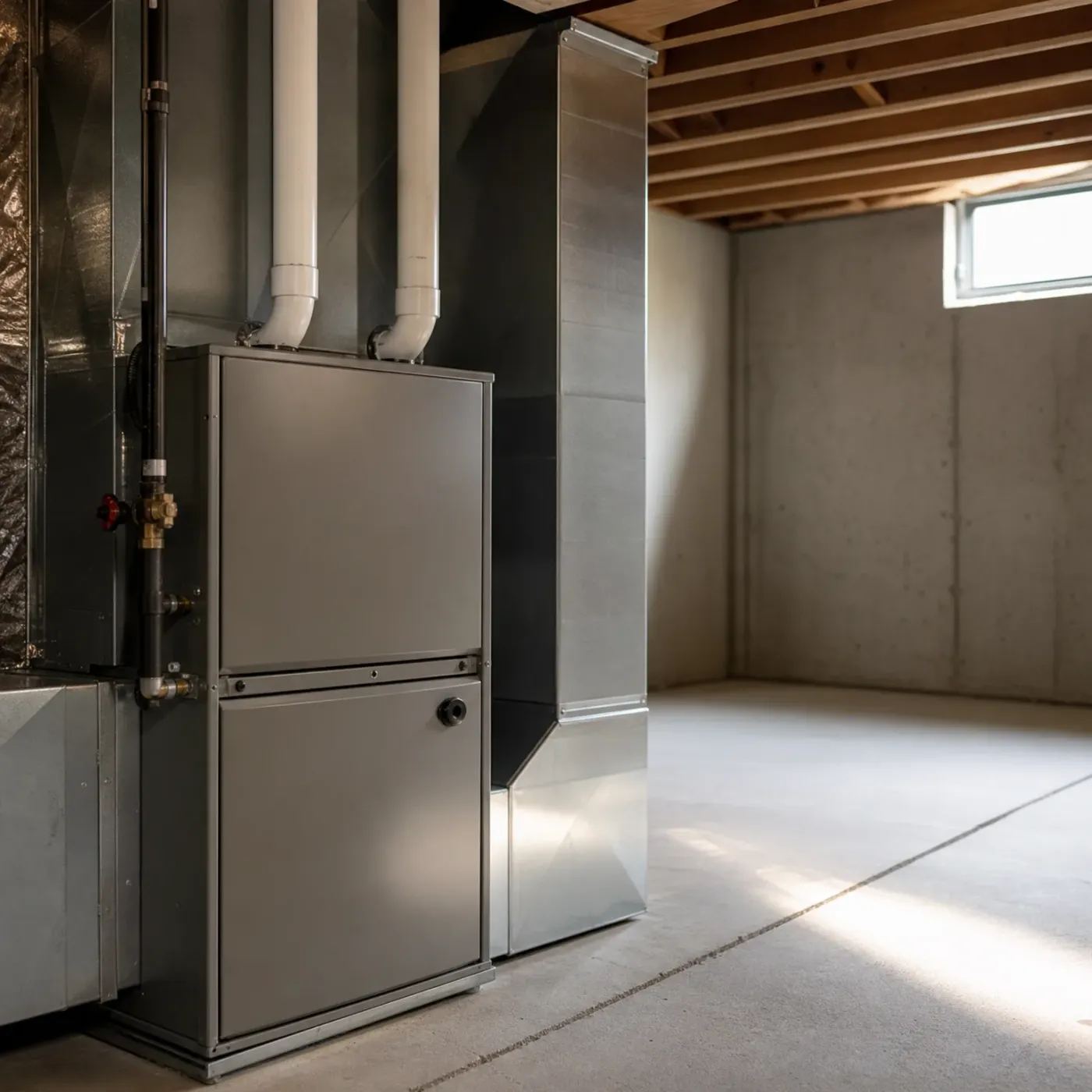
Your furnace still looks like this: clean connections, a solid flue, no rust creeping up the cabinet. If it's heating evenly and only acted up once, a repair gets you back to this. A furnace in this shape has more winters left in it.
Your furnace is acting up again and you're trying to figure out if it's worth fixing or if you should just put the money toward a new one. It's a fair question. A repair bill on an old furnace can feel like throwing money at a problem that's going to come back, but a new furnace is a bigger expense up front, and in a Warren winter you can't afford to guess wrong.
A furnace that's failed once or twice and still heats the house fine is usually worth repairing, especially if the part that broke is something ordinary, like an igniter or a flame sensor. Once a furnace starts needing repairs every winter, or the cost of fixing it starts getting close to what a new one runs, replacing it makes more sense. Age matters too. A furnace that came with an older house has likely put in a lot of winters already, and Macomb County winters are long enough that a tired furnace gets tested hard, several months straight with no real break. A contractor who works on furnaces in Warren all winter can tell you quickly which situation yours is in.
Your furnace still looks like this: clean connections, a solid flue, no rust creeping up the cabinet. If it's heating evenly and only acted up once, a repair gets you back to this. A furnace in this shape has more winters left in it.

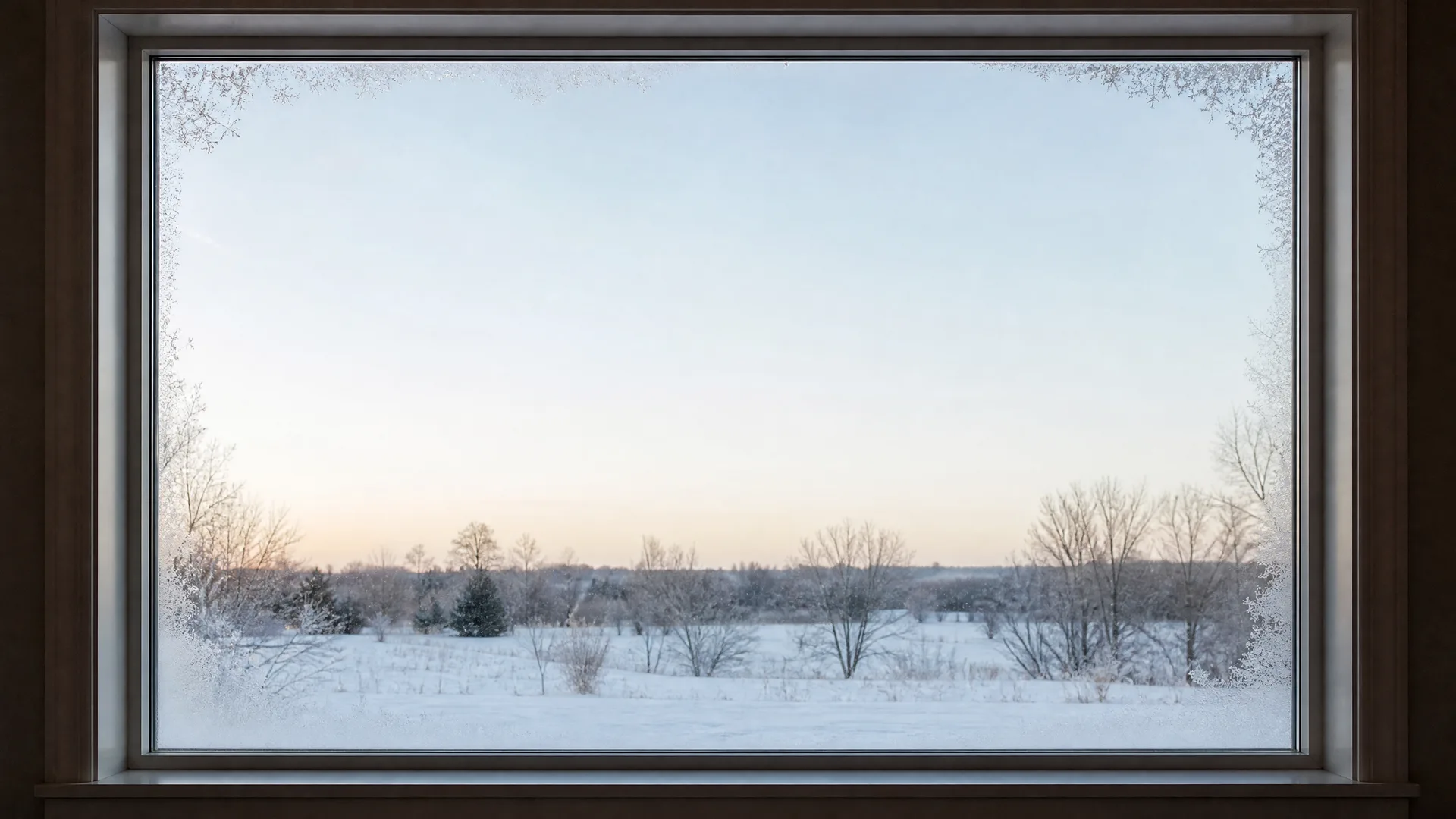
This is what trouble looks like. Scorch marks, a cabinet going soft, or a furnace that's needed three visits this winter already. Past a certain point, every repair is just a deposit on a machine that's already failing. Replacing it stops the pattern instead of paying into it.
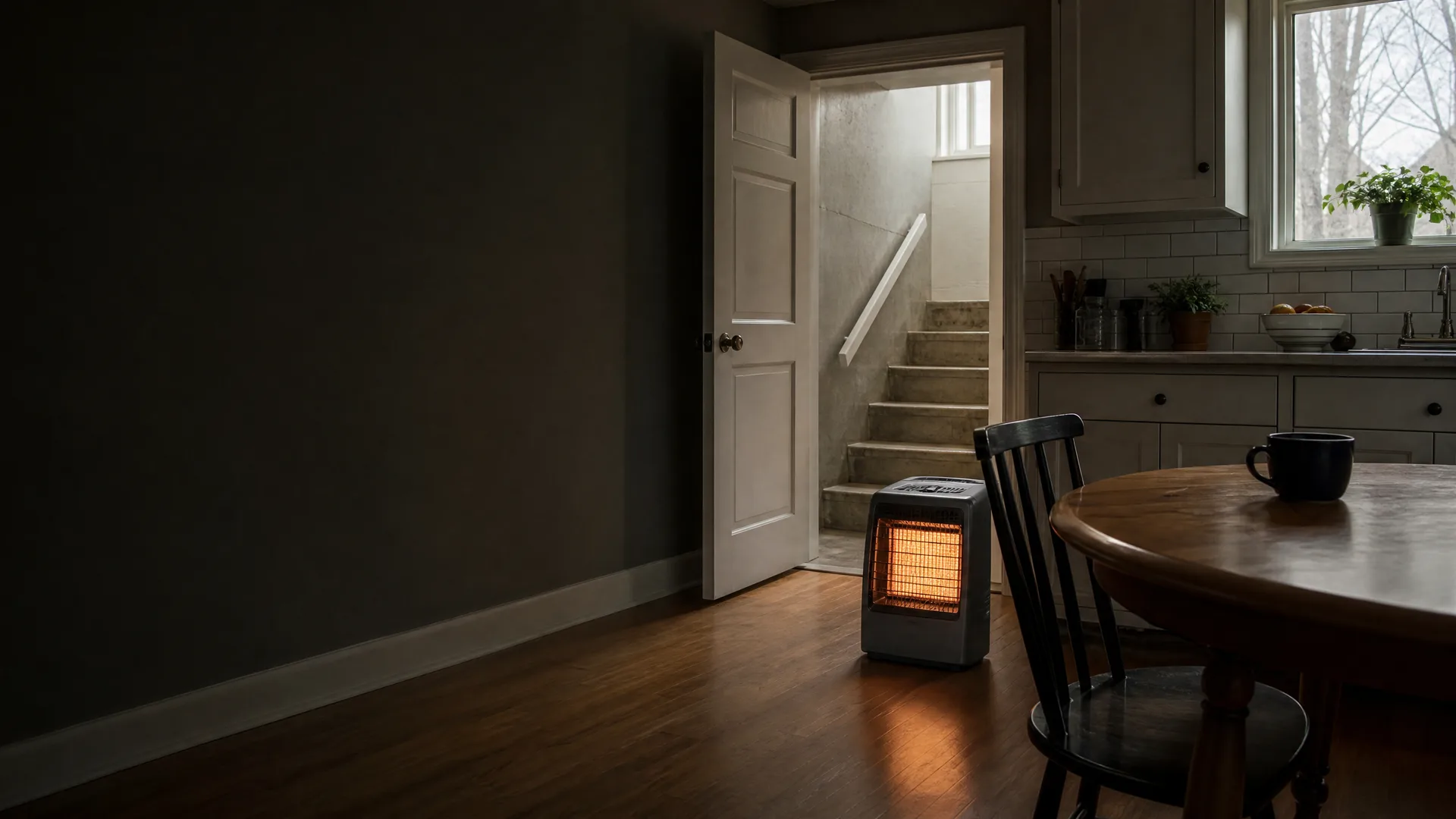
You're up before the sun, coffee in hand, and the kitchen is cold enough that you can see your breath near the window. The space heater's been running by the table since five, the only warm spot in the house. The basement door is propped open behind it because that's where the noise was coming from last night, a clicking that never caught. Outside it's still deep winter, the kind of cold that settles into a house in Macomb County and doesn't let go. You've got a call to make, and you're hoping whoever shows up can tell you fast whether this is something small or something you're going to be living with for a while.
The pro who reaches out is licensed in Michigan.
You're not committing to anything by asking.
A gas furnace is built to last somewhere around 15 to 20 years. Past that point, the heat exchanger has had thousands of cycles of heating and cooling, and that metal fatigue is what leads to cracks. A cracked heat exchanger means carbon monoxide can get into the air you're breathing, and no contractor will patch that. They'll tell you to replace it. If your furnace is in that age range and the failed part is tied to the exchanger or the gas valve, replacement is the only safe answer.
Furnaces made before the mid 1990s often run around 60 to 70 percent efficiency, meaning 30 to 40 cents of every gas dollar goes straight up the flue. A new furnace certified at 90 percent or higher keeps most of that heat in your house. With Michigan winters running cold from November through March and power here costing what it does, that gap in efficiency shows up on your gas bill every month, not just the one time you pay for the repair.




A furnace that's heated your house fine for years and just hit one bad part is a good candidate for a repair. An igniter, a flame sensor, a draft inducer motor, these fail on their own schedule and don't say anything about the rest of the furnace. If the cabinet isn't rusted through and the heat exchanger has never raised a flag on an inspection, fixing the one thing that broke is the right move. You keep a furnace that already knows how to heat your house through a Warren winter, and you spend less doing it.
If the repair bill is for the heat exchanger, or if this is the second or third repair in a couple winters, replacing the furnace is usually the better math. Parts get harder to find on an older furnace, and a contractor who's worked on these for years can tell you when a unit is just cycling through failures instead of settling down after one. A new furnace also means a fresh efficiency rating, which matters here given how many months Macomb County runs the heat. If your furnace is old enough that you don't know its install date, that's worth finding out before you spend money fixing it.
Winter nights average 21°F
Nights here average 21°F through December, January and February, so a furnace that can't hold a steady temperature is leaving you with a cold house on the nights you need it most.
Heat runs October through May
Heat runs October through May in Macomb County, about eight months of the year. A furnace here spends most of its life working, not sitting idle.
88% of homes heat with gas
88% of homes in Macomb County heat with gas, same as yours. That's why a furnace that's struggling is a repair or replace decision, not a switch to something else.
NOAA nClimDiv 1991-2020 · ACS 2020-2024
A furnace with one bad part and a good history is usually worth fixing. A furnace that's old, cracked, or asking for repair after repair is telling you it's done. That's the whole decision. If you're leaning toward replacement, the next thing that matters is who puts the new one in. A furnace sized wrong for your house, or installed without the attention to the venting and gas line that Macomb County winters demand, will cost you comfort for as long as it runs. The match you get through this page is one licensed, local contractor who works on furnaces in this area every winter and knows what tends to go wrong in homes like yours, not a handful of companies competing for your callback. You send one request and hear from one person who already knows the territory. From there, the decision is yours to make with them, with a clear look at what your furnace needs and what it would take to replace it right.
Only one pro gets your request, so you hear from one company.
It costs nothing to send, and you don't have to hire anyone.