Why your gas furnace won't light in Detroit, MI

RepairFurnace or heatingWayne County, MI
Step 1 of 2

What ZIP code is the job in?

A gas furnace that won't light is usually stuck on one step before the flame. The igniter may be cracked or weak, so it glows but can't reach the gas. The flame sensor may be coated with a thin film, so it can't confirm a flame even when one lights, and the control board shuts the gas off as a safety measure. A closed gas valve, a tripped switch at the furnace, or a draft problem in the vent can all stop it the same way. In Wayne County winters, a furnace that won't fire isn't a minor delay. It's cold air on a day you need heat most, and most of these causes need a licensed hand to find and fix. Checking the thermostat setting and the furnace switch is worth doing first. Past that, the fix is usually a part, not a setting.

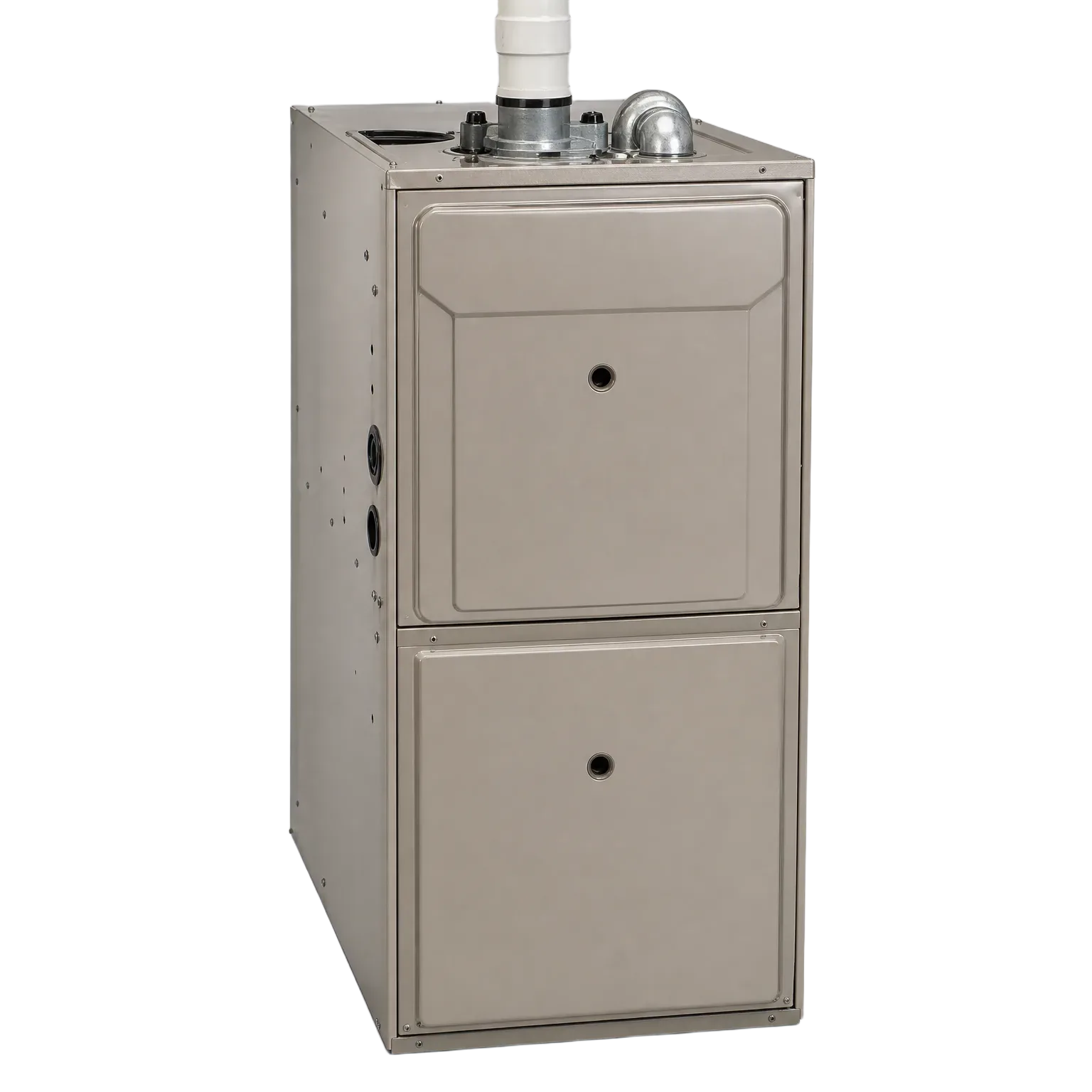
A gray high-efficiency furnace stands on a concrete basement floor beside galvanized sheet-metal ductwork, white PVC vent pipes, copper and black piping, and unfinished wood stud framing.

When it's lighting the way it should

Burners catch on the first or second try, every time you call for heat. The flame holds steady and blue, the furnace runs its full cycle, and the air coming up through the ducts is warm and even. No clicking, no delay, no smell of gas at startup.

A gray furnace with two access panels stands on a concrete basement floor beside sheet-metal ductwork, with pipes, flexible conduit and an electrical box on the concrete wall to the left.

When it's not

You hear the igniter click or glow, then nothing. Maybe it tries two or three times and shuts down. Maybe the burners light for a second and die. The panels on this unit come off with a quarter turn, which is where a local contractor starts looking.

A beige gas furnace with a metal flue pipe stands in a basement against concrete block walls, beside sheet-metal ductwork, copper and white plastic pipes, and a water heater at right.
Before you get your furnace repair
A gray high-efficiency furnace with white PVC vent pipes stands beside sheet-metal ductwork and a water heater in an unfinished basement with concrete walls and wood framing.
After you get your furnace repair

Why ignition parts fail first

The igniter is a thin strip that heats up every time your furnace starts, and that heating and cooling, cycle after cycle through a Detroit winter, is what eventually cracks it. The flame sensor sits right in the burner flame, and over months it picks up a coating that insulates it just enough to stop sensing. Neither part is built to last the life of the furnace. They're wear parts, and by midwinter many have already gone through hundreds of cycles.

What the pressure switch checks

Before gas is allowed to flow, the furnace checks that its inducer motor is actually pulling exhaust out through the vent. A small switch reads the pressure that motor creates, and if the vent is blocked or the motor is weak, the switch never closes. Without that signal, the control board won't open the gas valve at all. It's a safety step, not a flaw, and it's doing exactly what it's supposed to do when it keeps a furnace from lighting with nowhere for the exhaust to go.

Winter nights average 21°F

At 21°F, your furnace can't just take the edge off. It has to run long enough to actually warm the house, which means more cycles and more chances for a weak igniter or a dirty flame sensor to stop the burners from catching at all.

NOAA nClimDiv 1991-2020

A beige high-efficiency furnace in an unfinished basement, with white PVC vent pipes, a yellow gas line, metal ductwork, and exposed wood framing on a concrete floor.
A furnace like this lights on the first call and sends warm air through the ducts without hesitation.
An older beige furnace with two louvered vent panels stands on a concrete basement floor, connected to galvanized ductwork and a metal flue pipe, with gas piping and flexible conduit on the wall behind.
An older furnace like this often has corroded gas lines or a worn igniter, so it struggles to light or stops partway through.
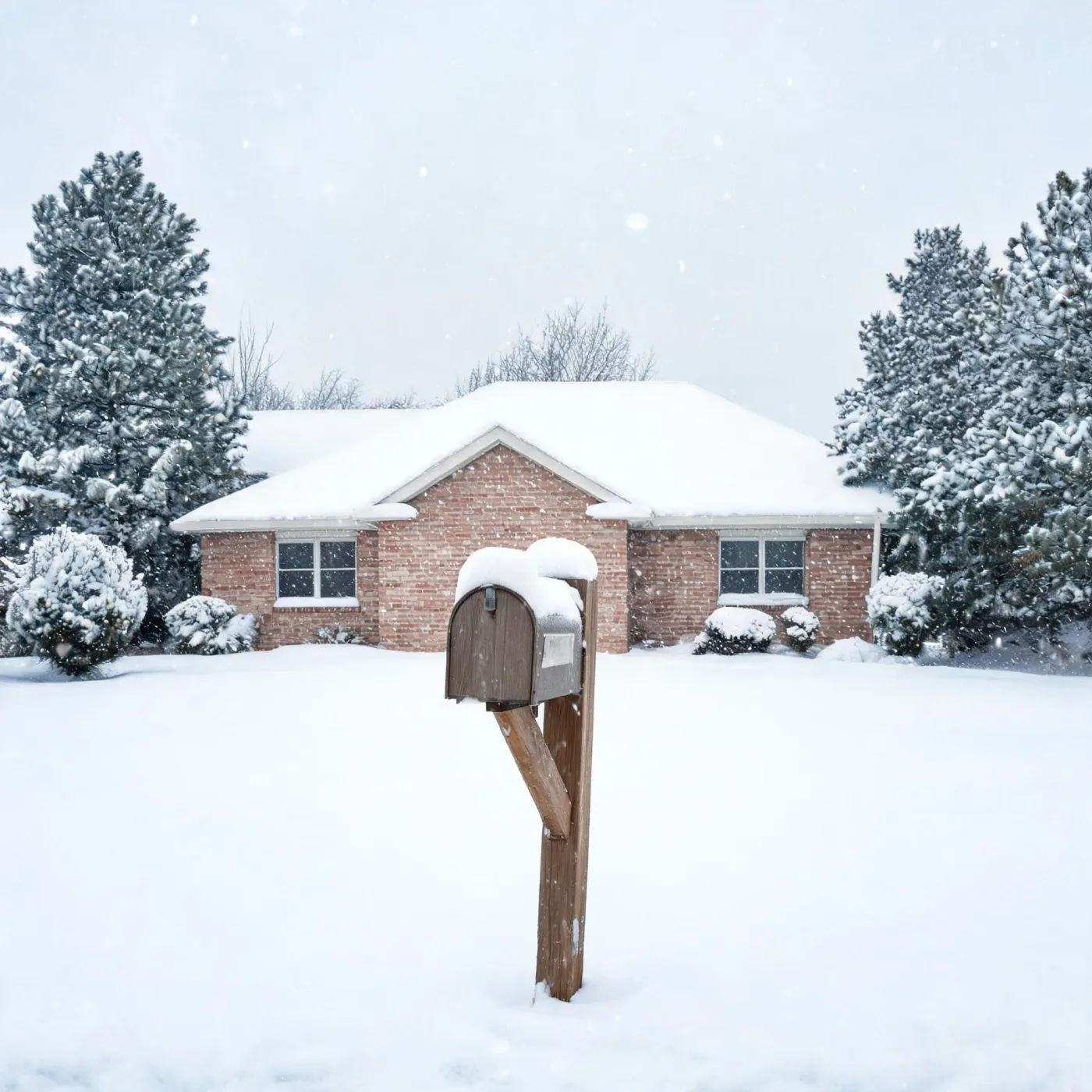
A snow-covered wooden mailbox post stands in a deep snowy front yard before a single-story brick house with a snow-laden roof, flanked by snow-covered evergreen trees during falling snow.

On a night like that, with the temperature sitting at 21°F, your furnace isn't cycling on and off a few times to smooth things over. It's running long stretches, trying to hold the house at temperature while the cold keeps pulling heat back out through the walls and windows. Every one of those long runs puts another round of wear on the igniter and the flame sensor. If either one is already weak, this is the kind of night it gives out, usually around 2 or 3 in the morning when the house has gone quiet and you notice the air isn't warm anymore. Once you send in a request, you're not the one tracking down who's free and who answers the phone. A local contractor who works on Wayne County furnaces all winter takes that over, and you're just waiting on the knock at the door. Source: NOAA, average winter overnight low for Wayne County, MI

NOAA nClimDiv 1991-2020

Let someone else find the pro

A licensed pro who repairs furnaces in Wayne County gets your request.

There's no charge for the request.

What a dead furnace means at home

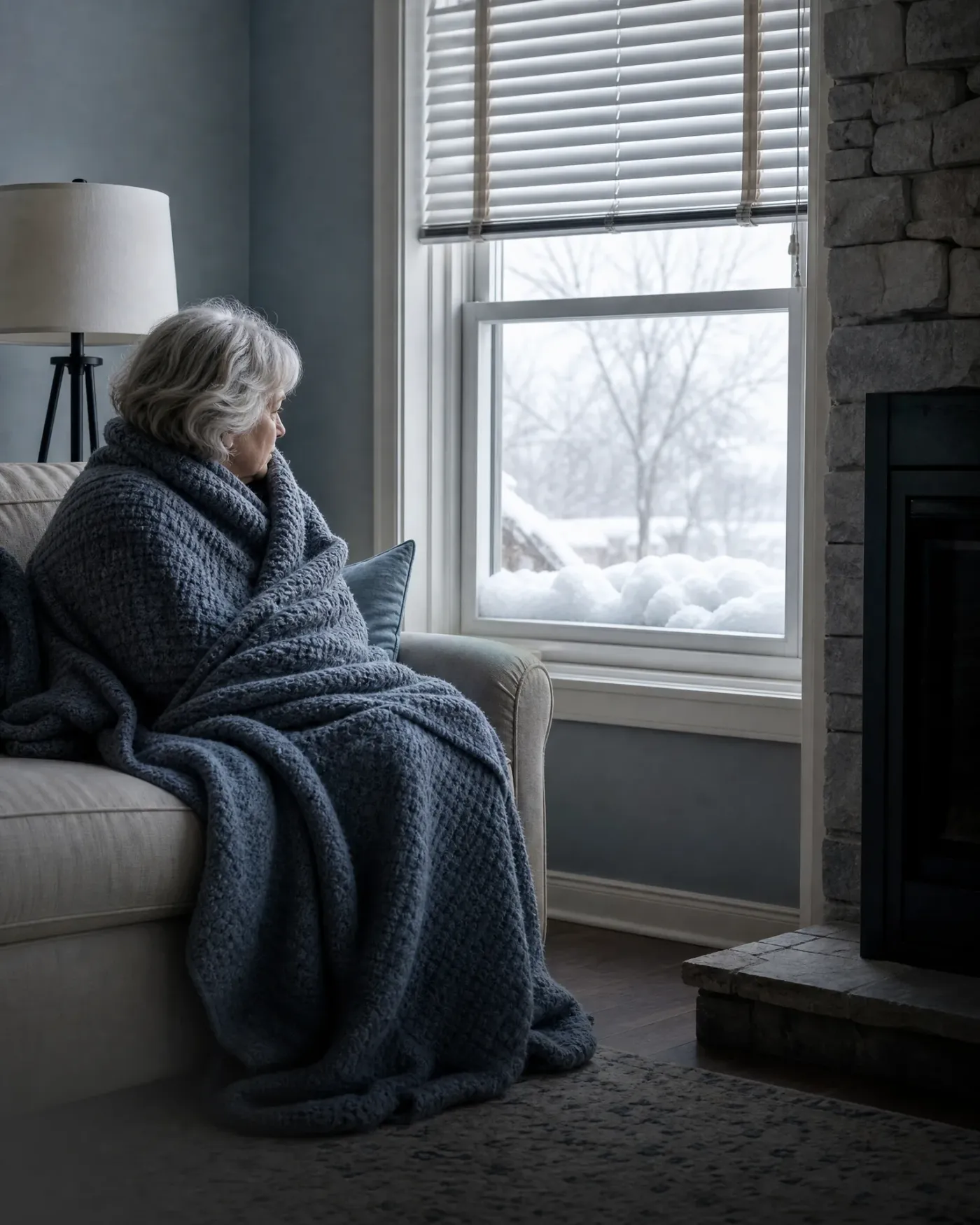
If it won't light tonight, you're not losing a little warmth off the top. You're heating a Detroit house with no backup while it sits at 21°F outside. The thermostat keeps calling for heat and nothing answers, and within a few hours you'll feel it in the rooms farthest from the furnace first. Pipes along outside walls are the next concern if this stretches into a day or two without heat. A furnace that's already stressing an igniter or a flame sensor isn't likely to fix itself by morning, and leaving it alone usually means the same no-light call tomorrow, except colder.

What usually brings it back

Most of the time this isn't a furnace that needs replacing, it's one part stopping the whole cycle. A cracked igniter or a coated flame sensor gets swapped, and the furnace lights the way it's supposed to again on the next call for heat. Corroded gas line connections or a stuck valve take more time to sort out, but they're still a repair, not a new system. The part that's failing tends to be small and specific, which is why getting eyes on it quickly matters more than guessing at it yourself from the thermostat.

A smiling man in a blue denim shirt over a white tee sits at a light stone kitchen counter with a grey mug and a bowl of oranges and bananas, with pendant lights and shelving behind him.
A smiling bearded man in a grey long-sleeved shirt sits at a kitchen counter with a dark mug, with a dining table, pendant light and glass doors onto greenery behind him.
A bearded man in a dark green knit sweater smiles and looks off to the side while standing at a kitchen counter with a white mug of coffee, with open shelving, a potted tree, and a dining table near large windows behind him.
A man with dark curly hair in a dark green sweater stands smiling and looking to the side in a kitchen with white cabinets, a potted plant, a stone countertop with a ceramic mug, and a dining area with framed art in the background.

Keep checking it yourself and the furnace stays dark. A cracked igniter doesn't heal, and a coated flame sensor doesn't clean itself off between calls for heat.

A furnace tech who works on these all winter can look at the igniter and the sensor, tell you which one quit, and get the burners lighting again the same visit.

Why does your furnace have to work so hard to light here?

  • Winter nights average 21°F

    Nights averaging 21°F mean your furnace calls for heat over and over through the night, and every call is another chance for a weak igniter to fail.

  • Heat runs October through May

    Eight months of heat a year, October through May, means the igniter and flame sensor cycle on and off far more than in a milder climate.

  • 83.6% of homes heat with gas

    With 83.6% of homes here burning gas, a furnace that won't light is a problem almost every household in the county eventually deals with.

NOAA nClimDiv 1991-2020 · ACS 2020-2024

A man in a blue T-shirt sits on a light gray sofa, laughing while looking at an open laptop in the foreground, with a framed picture, lamp and potted plant behind him.
A bearded man in a blue and brown plaid flannel shirt stands indoors looking out a window at snow-covered trees, with a ceramic mug on the windowsill.

Where this leaves you tonight

  • A furnace that won't light is almost always stuck at the igniter or the flame sensor, not the whole unit failing.
  • Neither part gets better with time: a cracked igniter stays cracked, and a coated sensor stays coated until someone cleans or replaces it.
  • At 21°F your furnace has no slack to run short cycles, so the same weak part that caused a short delay in October causes a full no-heat night now.
  • A furnace tech who works on these units all winter in Wayne County can usually tell within minutes whether it's the igniter, the sensor, or something further down the line.
  • Sending your request connects you with one licensed local contractor, not a handful of companies competing for the call.
  • That contractor sees this failure on Detroit furnaces every winter, which is why the diagnosis tends to go fast once someone's looking at it.

A furnace that won't light almost always comes down to the igniter or the flame sensor. Neither one fixes itself. A cracked igniter stays cracked. A coated sensor stays coated until someone wipes it clean or swaps it out. That's been true since whatever October evening this problem started showing small signs, and it's still true tonight with the temperature at 21°F and no room left for a short cycle to cover for a weak part.

You don't have to figure out which part it is before you ask for help. That's the job of someone who works on these furnaces all winter in Wayne County, who can look at the igniter and the sensor and tell within minutes which one quit, or whether the problem sits further down the line. Sending your request puts you in touch with one licensed local contractor, not a pile of companies calling you back at once. That contractor has seen this exact failure on Detroit furnaces before, more than once this season probably, which is why the diagnosis usually moves quickly once someone's standing in front of the unit.

Nothing about a dead furnace gets better by waiting another night. The igniter won't heal and the sensor won't clean itself. What changes is whether someone who knows this equipment has looked at it yet.

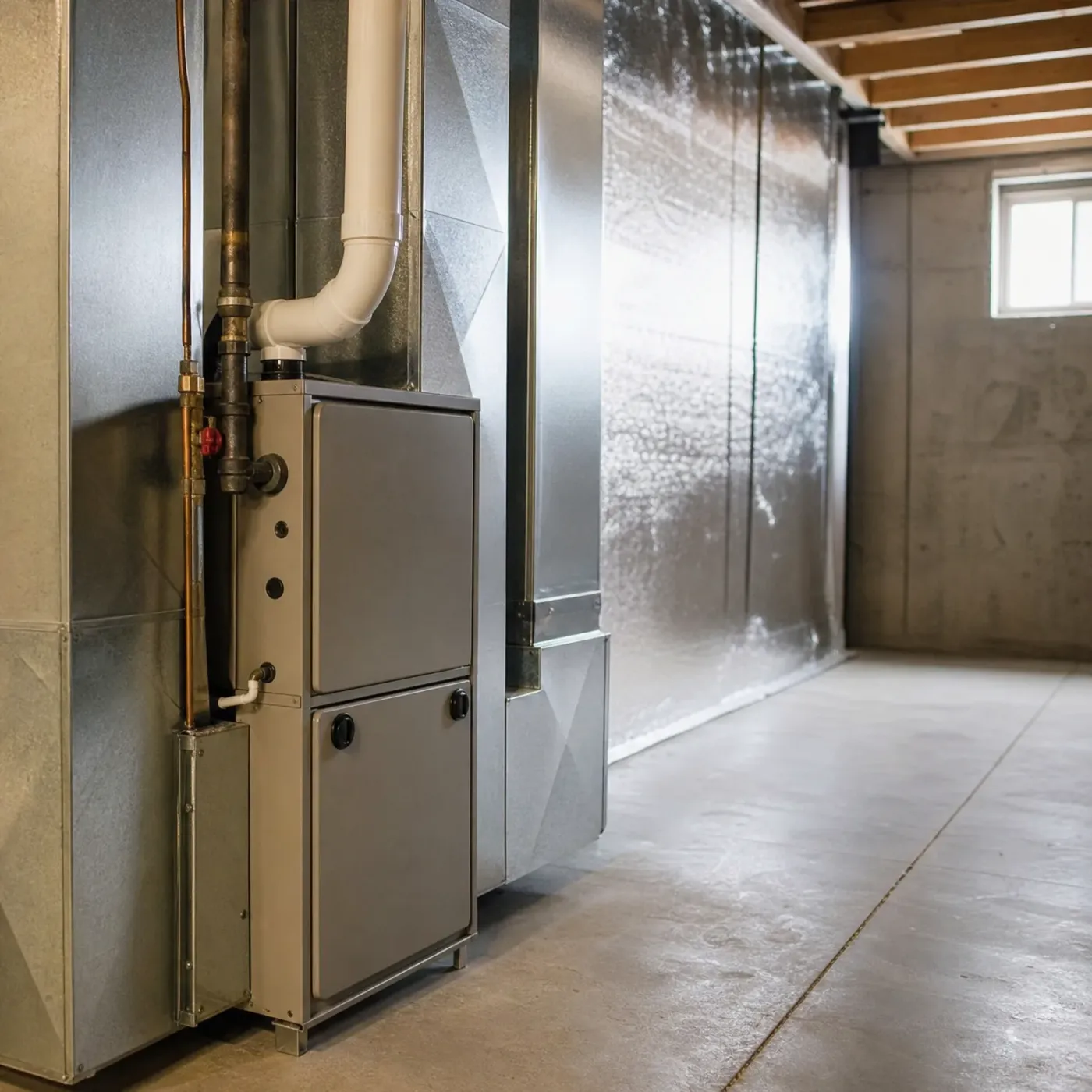
A gray furnace with a white PVC vent pipe and copper piping stands beside large galvanized sheet-metal ducts in an unfinished basement with concrete floor, concrete walls, foil-faced insulation, and a small window.

One request and it's handed off

Hand it over

The pro who reaches out is licensed in Michigan.

You only hire the pro if you want to.