Heat pump vs gas heat in Warren, MI

One request ends the search for a furnace installer.

Let a pro reach out

In Warren, gas heat still wins out on the coldest days. A furnace burns gas to make heat directly, so it keeps putting out hot air no matter how far the temperature drops outside. A heat pump instead pulls heat from the outdoor air, and when that air gets cold enough, usually somewhere below freezing, it has less and less heat to pull and has to work harder for the same result. Some can struggle to keep up once a Michigan winter really sets in, and many homes here pair one with a gas furnace for backup rather than running on it alone. Gas heat also tends to feel warmer at the vent, which matters when you're used to that from an existing furnace. A heat pump has a real advantage in summer, since it cools the house too, but for straight winter heat in Warren, gas is still the steadier choice.

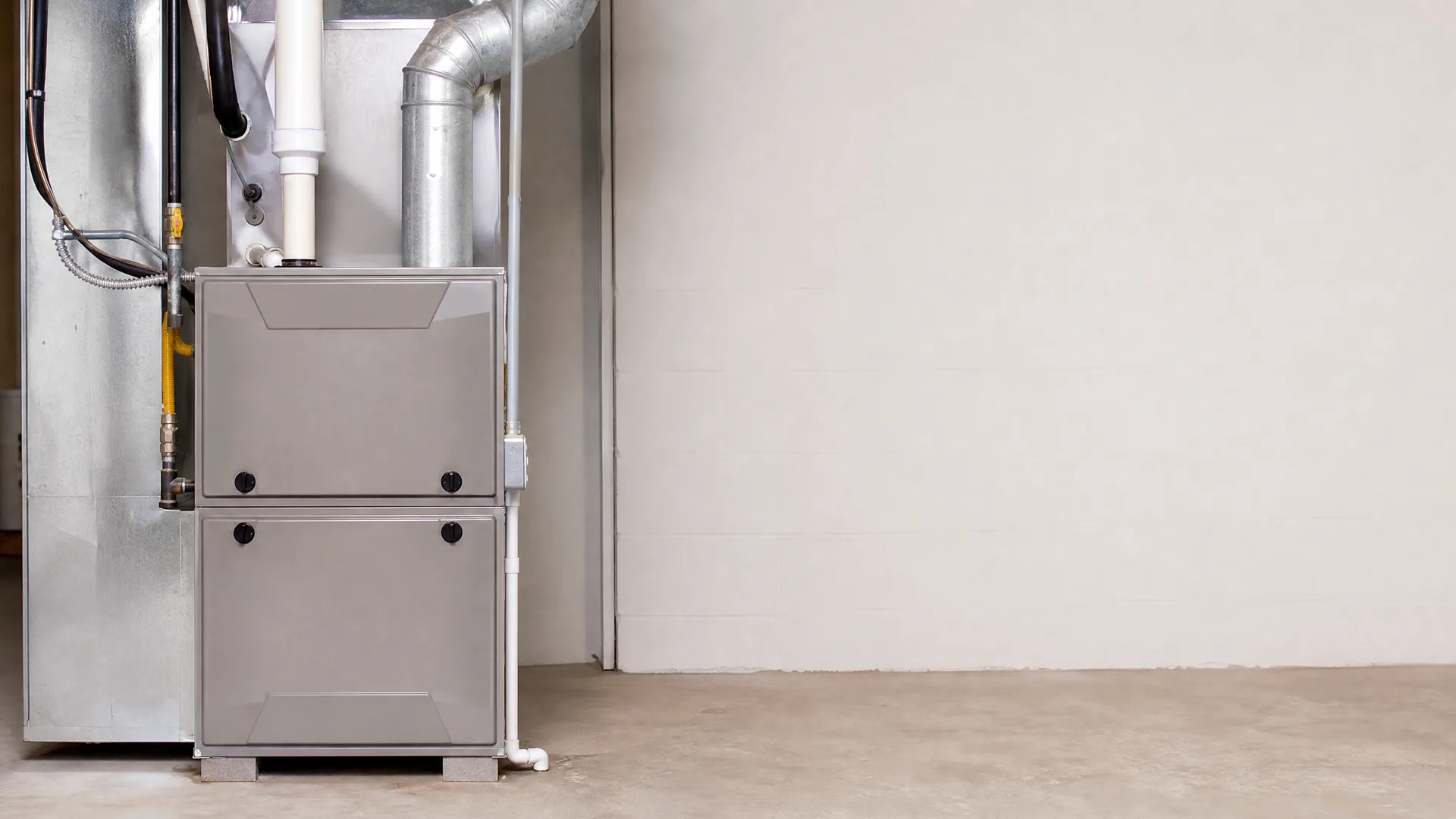
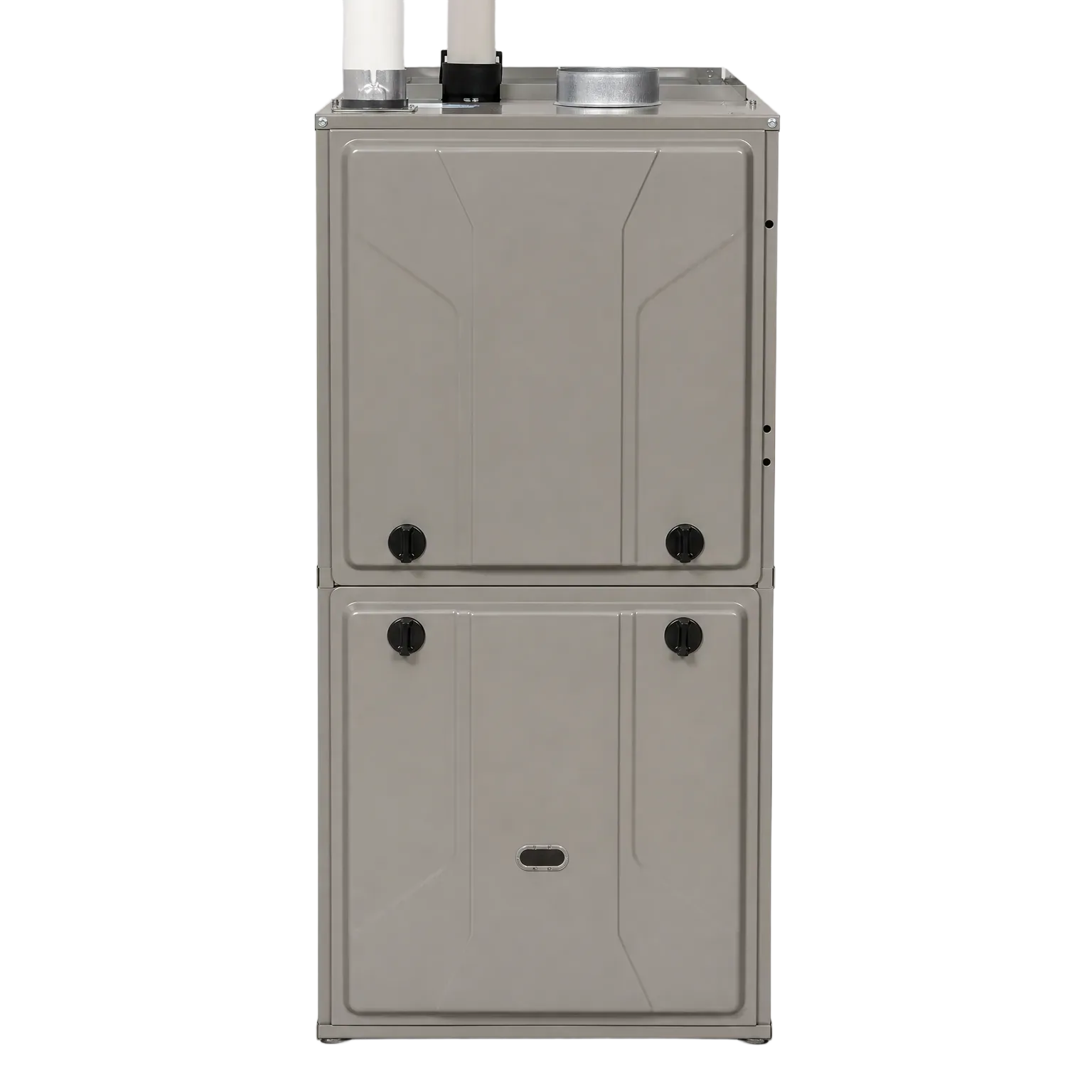
A gray gas furnace with ductwork, PVC venting and gas piping stands against a light-colored wall on a concrete floor, with empty wall space to the right.

Why cold air still holds heat

Outdoor air down to around 0 degrees still has heat in it, and a heat pump can pull that heat out and move it indoors. What changes is how hard the system has to work to do it. As the outdoor temperature drops, the unit pulls less heat per cycle, so it runs longer to keep the house at the temperature you set. Below a certain point, a furnace puts out more heat than the heat pump can keep up with.

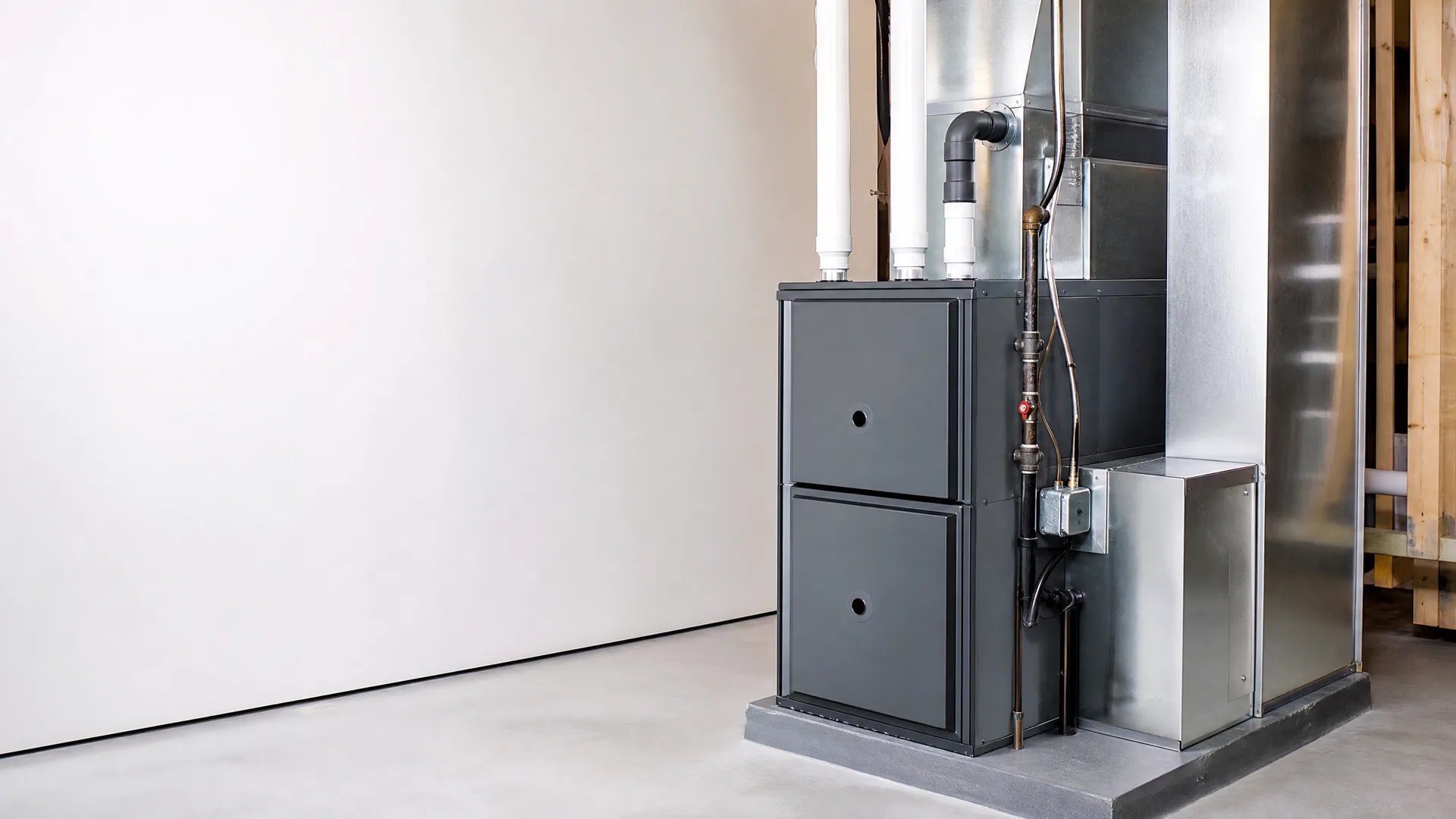
A dark gray furnace with two access panels sits on a concrete pad beside sheet-metal ductwork, white PVC vent pipes, copper gas piping and an electrical junction box against a plain light wall.

What a dual fuel setup does

Some homes in Macomb County run a heat pump and a furnace together in what's called a dual fuel system. The heat pump handles the milder days, and the furnace switches on once the outdoor temperature drops below the point where the heat pump can't keep up on its own. A contractor sets that switchover point based on your house and your equipment, so you get the heat pump's lower running cost most of the season and the furnace's output on the coldest days.

Gas Furnace vs Heat Pump in Warren

Gas Furnace

  • Keeps full output on a night at 10 below, since burning gas doesn't lose capacity to cold the way outdoor air does.
  • Gas in Macomb County tends to cost less to run than electricity, and most homes here are already set up to use it.
  • A furnace that's already venting and piped in means a straight swap, without new electrical work to plan for.
  • Recovers fast after the thermostat drops overnight, since the burner can put out heat as soon as it fires.
  • Needs a chimney or vent in good shape, and that venting has to pass inspection when the furnace is replaced.

Heat Pump

  • Runs on electricity, which costs more here, so a Warren winter puts a bigger dent in the power bill than gas does.
  • Also cools the house in summer, so one system handles the muggy months without a separate air conditioner.
  • Output drops as the outdoor air gets colder, and on the coldest days it may not keep up on its own.
  • Often paired with a furnace as backup for the days a heat pump alone can't hold the house at temperature.
  • No gas line or venting to maintain, since the whole system runs on electricity and outdoor air.
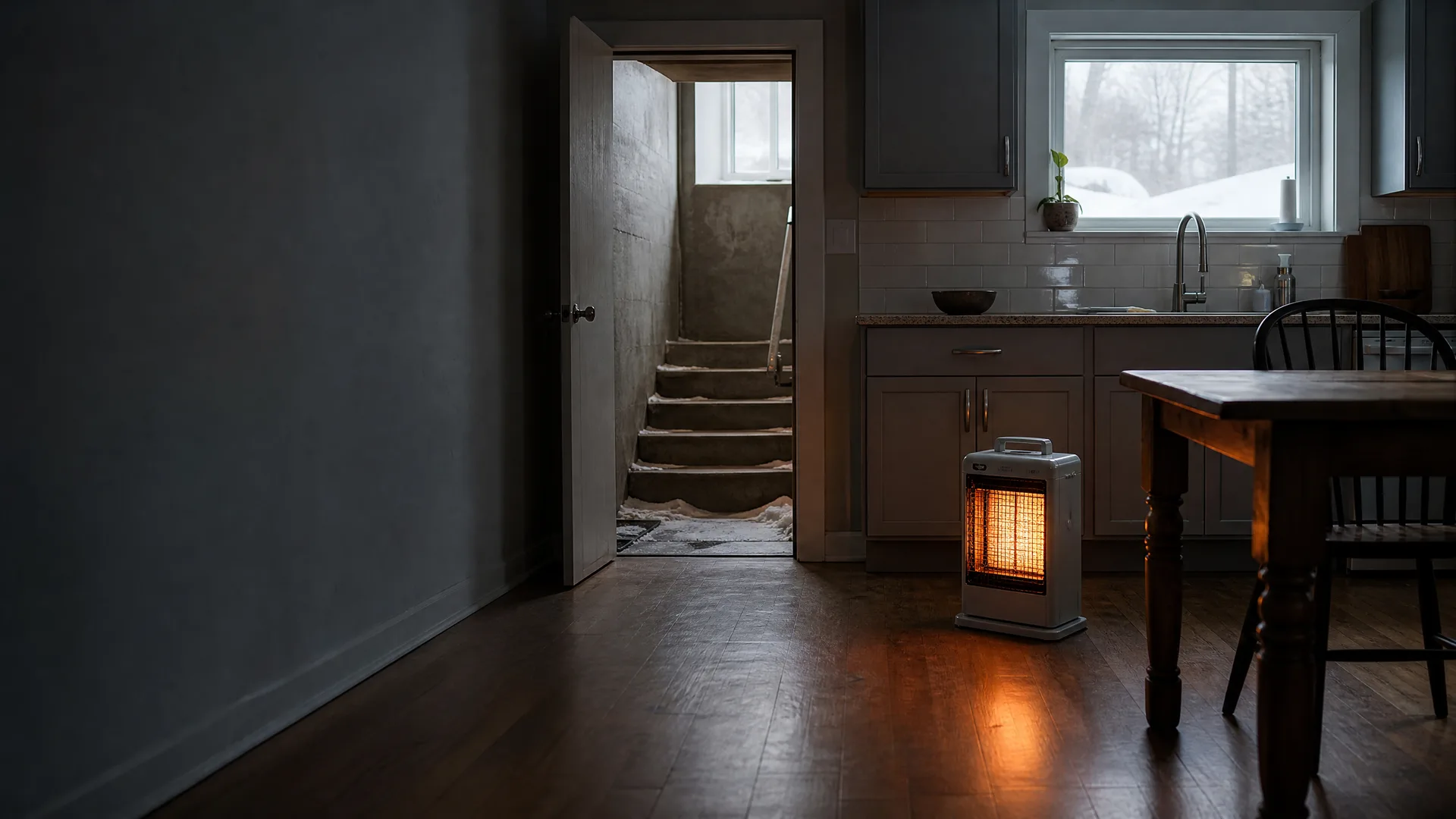
A dim kitchen with dark wood flooring where a small portable heater with glowing orange elements sits beside a wooden table, next to an open door revealing concrete stairs and a window with snow outside.

It's just past seven and the kitchen is still dark at the edges. You've got the space heater pulled over by the table, its coil glowing orange, because the furnace hasn't caught up since last night. The basement door is open behind it, and cold air keeps sliding up the stairs and across the floor. You can feel it at your ankles even standing a few feet away from the heater. Somewhere down there the furnace is running, or trying to, and you're standing in the kitchen in a coat deciding whether this is a day you call someone or a day you wait it out again.

Send one request and you're done looking

A licensed installer who works in Macomb County gets your project.

No charge to send it. You decide if you hire them.

Keeping the furnace you have

Your gas furnace is built to handle a Warren winter without strain. On the coldest nights it burns at full output, so the house heats the same way at 10 below as it does at 30. If it's under ten years old or so, keeping it running is usually the simpler path, since the ductwork and gas line are already in place. A contractor can check the heat exchanger and burners to see how much life is left in it before you decide whether to repair or replace. Gas also tends to cost less here than electricity, which matters over a long heating season.


Switching to a heat pump

A heat pump replaces the furnace with a unit that moves heat instead of burning gas for it. In summer that same unit cools the house, so you're not running a separate AC alongside it. It draws power instead of gas, and electricity in Macomb County runs expensive, so the monthly cost shifts even as the fuel source changes. Most installs here keep a furnace or heat strips paired with it for the coldest stretches, since outdoor air that cold makes the heat pump work much harder to pull warmth out of it. A contractor sizing the system can tell you what backup heat your house would need.

A man in a gray sweater reclines in a brown leather armchair with his eyes closed, beside a wooden side table holding a mug, a folded newspaper and a potted plant, with a bookshelf and sunlit window behind him.
A man with greying hair and a dark sweater leans back on an armchair with his eyes closed and a slight smile, in a living room with a bookshelf, plant, folded newspaper and mug on a wooden table.
A man in a gray fleece jacket sits reclined in a leather chair with his eyes closed, in a room with bookshelves, a table lamp, a window, and a desk holding a folded newspaper and a dark mug.
A bearded man in a gray fleece pullover sits with eyes closed in a brown leather armchair in a living room, with a floor lamp, bookshelf, potted plants, a side table holding newspapers and a dark mug, and a bright window behind him.
A gray high-efficiency furnace in a basement with white PVC vent pipes, sheet-metal ductwork, copper and black piping, a condensate pump, and insulated walls above a concrete floor.

When the furnace is doing its job

This is what a gas furnace looks like running the way it should. The ductwork carries the heat through the house, the PVC lines drain off condensate, and the burners fire clean. A furnace in this shape has no trouble with a Macomb County winter.

A beige residential furnace stands on a concrete basement floor beside galvanized sheet-metal ductwork, a round flue pipe, copper gas piping, and a PVC condensate line, with a wood-paneled wall at right.

When age starts to show

This furnace has some years on it. The iron gas pipe, the round flue, the grime on the panels all point to a unit that's been running a long time. It may still heat the house fine, but older furnaces like this one are the ones that tend to fail on the coldest night, not the mild one.

What does a Warren winter actually ask of your furnace?

  • Winter nights average 21°F

    Overnight lows average 21°F through December, January and February, cold enough that a heat pump loses ground a furnace doesn't.

  • Heat runs October through May

    Heat runs here from October through May, about eight months of the year your furnace has to show up and work.

  • 88% of homes heat with gas

    88% of homes in Macomb County heat with gas, so parts, service and fuel supply here are all built around furnaces.

NOAA nClimDiv 1991-2020 · ACS 2020-2024

Gas Heat Fits Warren Winters

  • A gas furnace keeps its full output at 10 below zero, which is why most Warren homes stay on gas.
  • A heat pump loses capacity as the outdoor air gets colder, right when a Macomb County winter needs the most heat.
  • Gas costs less to run than electricity in this area, and most homes here already have the gas line for it.
  • Overnight lows average 21°F through December, January and February, which is the stretch where the difference between the two shows up most.
  • A furnace in good working order handles a Warren winter without any strain, at 10 below or at 30.
  • Replacing a furnace that's still running well costs more upfront than it returns in savings here.

For a Warren home, gas heat is still the better fit. The reason comes down to what a furnace does that a heat pump can't: it burns fuel to make its own heat, so it doesn't care how cold the air outside gets. A heat pump has to pull its heat from that outdoor air, and the colder that air gets, the less it has to give up. Macomb County winters push overnight lows into the low 20s for three straight months, and that's exactly the stretch where a heat pump starts losing ground. A furnace doesn't lose anything. It runs the same at 10 below as it does on a mild October night.

Cost works the same direction. Gas runs cheaper than electricity here, and the gas line is already in the house for most homeowners in the area, so there's no new infrastructure to account for. If your furnace is running well now, a switch to a heat pump would mean paying more upfront for a system that does less on the coldest nights, and it would take a long stretch of mild winters to make that money back.

None of this changes what to do if the furnace itself is the problem. A furnace that's struggling, short-cycling, or old enough to be unreliable is worth looking at regardless of fuel type. But the question here was gas versus a heat pump, and in Warren, for most homes, gas still does the job better.

A gray-haired man in a blue sweater over a checked collared shirt sits in an armchair with his eyes closed and head tilted back near a bright window, with a houseplant and lamp nearby.
A woman in a cream knit sweater sits with closed eyes in an armchair beside a window showing orange autumn foliage, with a framed picture, plants, and a white mug on a wooden table nearby.

Furnace Installation

Finding a pro stops being your job

Your request goes to one pro, not a list of companies.

A smartphone with a blank green screen stands upright against a plain light gray background.
New system or replacementFurnace or heatingMacomb County, MI
Step 1 of 2

What ZIP code is the job in?