Kent County sees real storm damage
Kent County recorded 90 severe weather events between 2015 and 2024, including 56 damaging wind events, 11 hail events and 8 tornadoes. Winter added 15 more storms with heavy snow and ice.
Takes about a minute. No obligation.
Kent County recorded 90 severe weather events between 2015 and 2024, including 56 damaging wind events, 11 hail events and 8 tornadoes. Winter added 15 more storms with heavy snow and ice.
More than a third of Michigan households went at least 24 hours without power in 2024. A furnace needs electricity to run even when the fuel is gas, so an outage can mean no heat until the power comes back.

NOAA nClimDiv, 1991–2020 normals
Gas heats 81.7% of homes in Kent County.
A new furnace here is almost always a gas furnace replacing another gas furnace.



Kent County falls under zone 5A in the 2021 energy code, a cool zone where the furnace carries more of the load than the air conditioner does over a year. Any furnace installed here has to clear a federal minimum efficiency to legally go in. Units built before December 18, 2028 need to turn at least 80 percent of their gas into heat. After that date, new units have to hit 95 percent. That floor rules out the lowest-efficiency furnaces on the market regardless of what a homeowner might otherwise choose.
A furnace won't run without power, gas or not. When the crew installs yours, ask about a transfer switch or standby power so the system can come back on its own once the lines are live again. Worth asking where the outdoor venting lands too, clear of anywhere snow or ice tends to pile up.
Find a contractorEight months of run time a year means a new furnace here earns its keep from the first October on. When it's time to size and pick one, that matters more than the sticker price. A unit sized too big short cycles and wears its parts faster. One sized too small runs flat out all winter trying to keep up. Either way, get a load calculation done for the house rather than going by what the old furnace was rated for, especially if that one was original to the place. Worth asking the installer what's covered on parts and labor too, since a furnace running eight months a year will use up a weak warranty faster than one running three.
A furnace needs its control board and blower running to fire at all, so ask whether the model under consideration restarts on its own once power returns or whether it needs to be reset by hand. Some control boards hold their settings through a short outage. Others lose their memory and sit dead until someone goes down and cycles the switch.
Two furnaces can carry the same efficiency rating and start very differently. A hot surface igniter draws a small amount of power every time it fires and wears out over years of cycling. An intermittent pilot lights off a small flame instead of a glowing element and tends to outlast it. Ask the installer which ignition system is in the unit they're quoting and how that part gets replaced when it eventually fails.
Estimates for a typical Kent County home, from EIA household energy data, Michigan fuel prices and NOAA climate normals. Your home will differ.
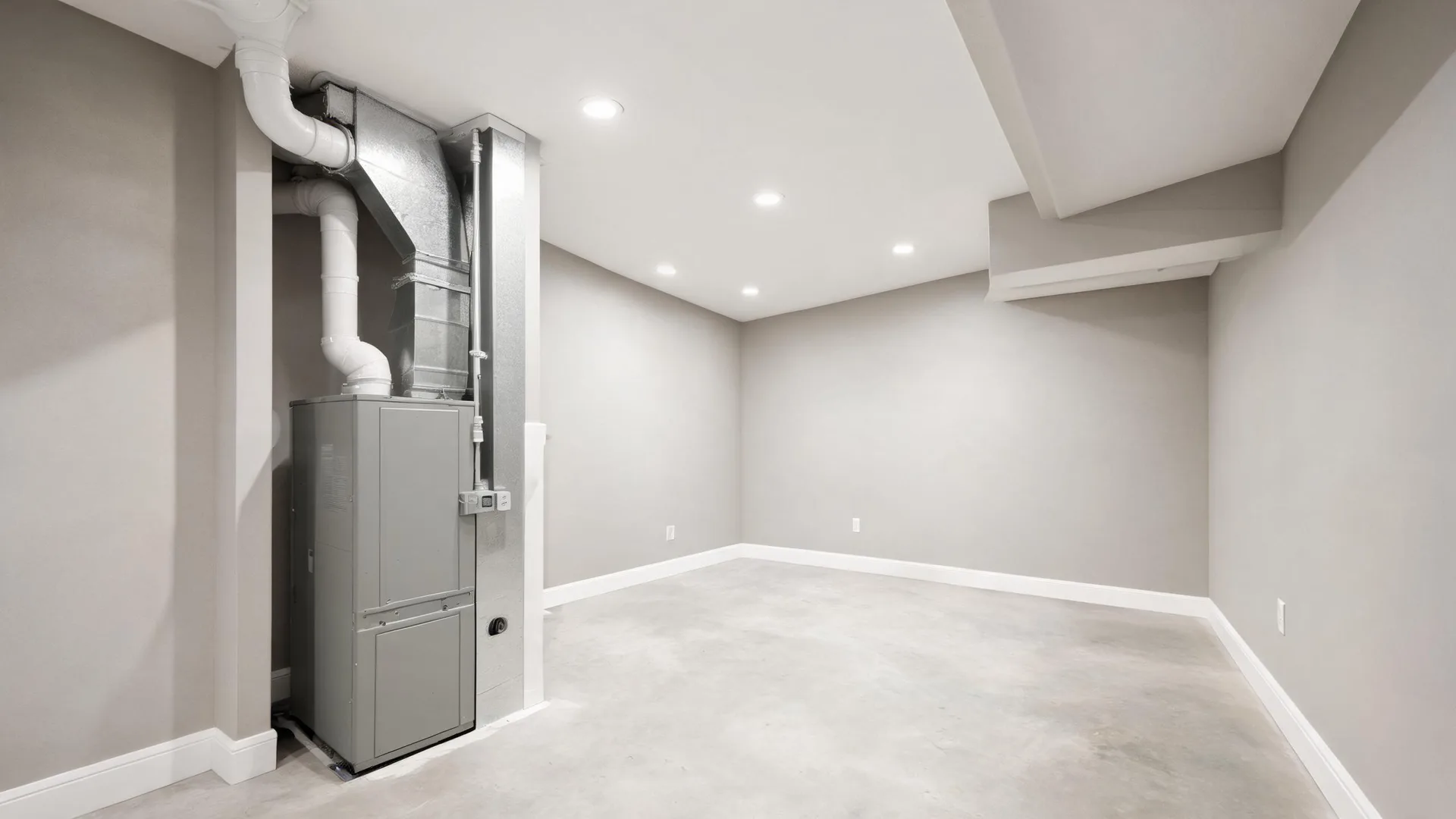
Installation day starts with the old furnace coming out, not the new one going in. The crew disconnects the gas line, the venting and the ductwork, then pulls the unit out of the closet or basement bay. Most of the day actually goes to what connects to the furnace rather than the furnace itself. The supply and return ducts often need new transitions to fit a different cabinet size. The venting gets checked or replaced to match what the new unit needs, since a furnace with a different efficiency rating can vent differently than the one it's replacing. The gas line gets pressure tested before anything is lit. Once the new furnace is set and leveled, the crew wires in the thermostat, fires the unit, and checks the temperature rise across the heat exchanger to confirm it's burning correctly. A good installer runs it through a full cycle before calling the job done, not just a quick ignition test.