A quiet residential street at dusk lined with illuminated two-story brick houses and mature trees.

Furnace Installation in Greenville, MI

Tell us about the job

Takes about a minute. No obligation.

New system or replacementFurnace or heatingMontcalm County, MI
Step 1 of 2

What ZIP code is the job in?

Gas is the default here

Utility gas heats 49.1% of homes in Montcalm County, more than any other fuel. Another 31.8% run on bottled or LP gas. Between the two, most furnaces in this area are burning some form of gas, not running on electric resistance heat.


What that means for a replacement

If your home already has a gas line run to a furnace, putting in another gas furnace is usually the straightforward choice. The venting, the gas supply and the layout are already built around it, so matching what's there avoids reworking parts of the house that have nothing to do with the furnace itself.

9 months
September through May, your furnace is on duty
17°F
the average winter night it heats against
80% AFUE
the federal minimum any new unit must meet
Isometric cutaway illustration of a small gabled house showing a furnace with flue pipe and ductwork connecting to interior rooms containing a sofa, bed, and cabinets.
Your furnace works hardest from November through March.

NOAA nClimDiv, 1991–2020 normals

Furnaces with the same BTU rating can heat a house differently depending on how the ductwork moves air through it.

Ask whoever bids the job to check the ducts, not just swap in a box sized like the old one.

Nine months of heat a year leaves a short window to install before you need it

Heat runs September through May
Winter nights average 17°F
Climate zone 5A
A standard furnace fits hereHalf the homes in Montcalm County date to 1977 or earlier, nothing unusual for a furnace install.

A furnace sized to match the house, nothing more, is the right call here. There's no gas price swing or weather extreme in Montcalm County pushing you toward extra capacity or a higher-efficiency unit than the place needs. Michigan gas ran $10.21 per million Btu in 2024, in line with what utility and LP customers across the state pay, so the math on a bigger or pricier furnace doesn't work out differently in Greenville than anywhere else running gas heat. Standard sizing, standard efficiency, installed to match the ductwork already in the house. That's what pays off here.

A new furnace here has to clear 80.0 percent AFUE, nothing more

Zone 5A is the standard here, where heating is the bigger load. Any new non-weatherized gas furnace installed now has to reach at least 80.0 percent AFUE. That minimum changes in December 2028, when it rises to 95.0 percent. A furnace going in today just needs to clear the current floor and match the house it's heating.

Find a contractor
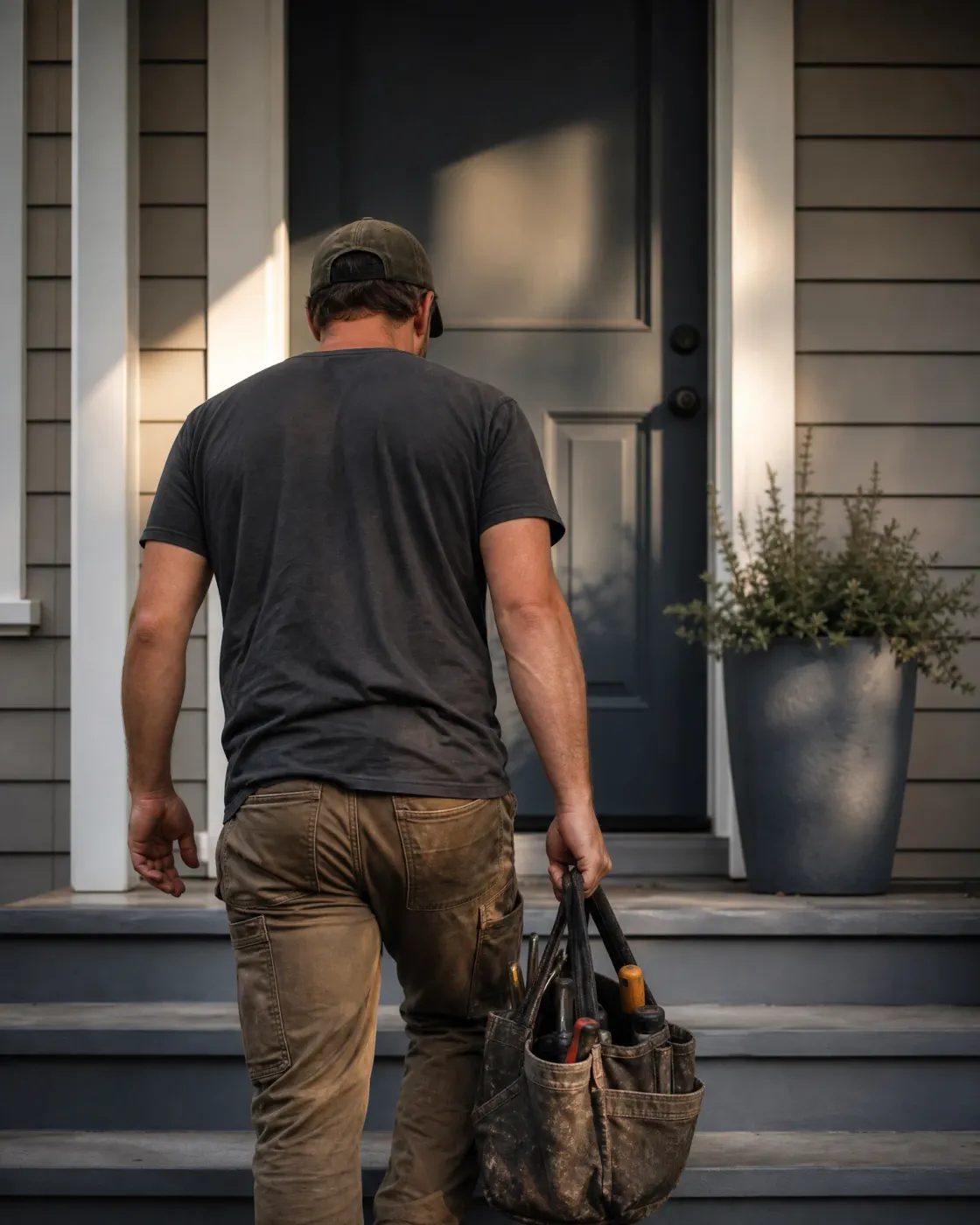
A man in a cap, dark t-shirt and worn tan work pants walks up steps toward a dark front door, carrying a canvas tool bag filled with tools, beside a potted shrub.
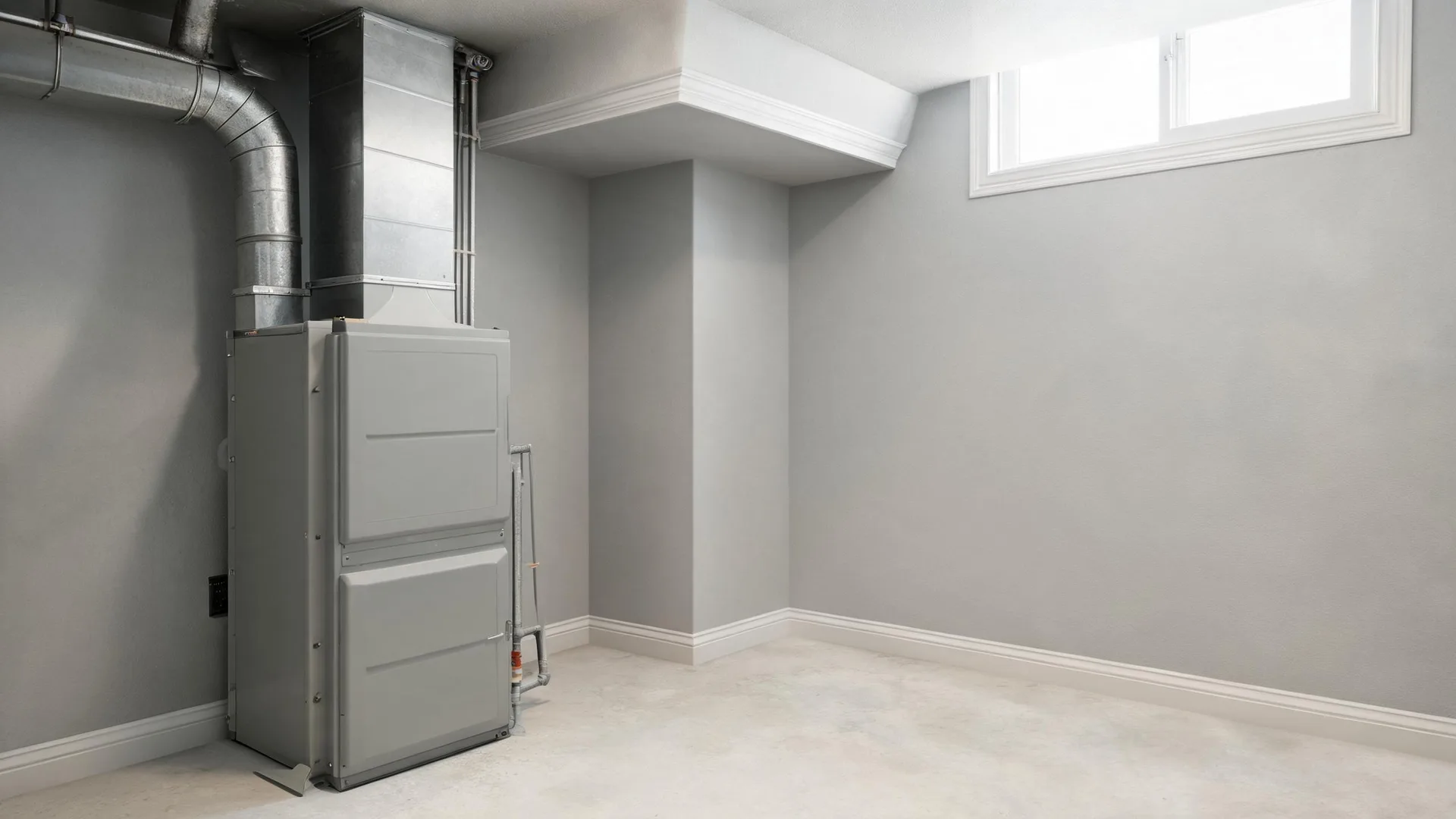
A gray gas furnace with attached ductwork and piping installed in an unfinished concrete basement.

What you're actually paying for isn't the box

A furnace isn't priced like a single part off a shelf. The cabinet and burner are only one piece of what gets paid for. Labor is the bigger variable. How long it takes to pull the old unit, how much venting or ductwork has to change, whether the gas line needs work to feed the new furnace at the right pressure. A straight swap, same footprint, same venting, same duct connections, costs less because there's less to rebuild around it. Change the venting material, move the furnace to a new spot, or step up to a high-efficiency model that needs a condensate line run to a drain, and the labor stacks up fast. The unit itself varies too. A furnace built for a house that runs it hard for months at a stretch usually costs more up front than one meant for lighter duty, because the heat exchanger and blower motor are built to take that kind of use. None of that shows up on the AFUE label. Furnaces rated the same can still be priced apart because one's built to last longer under constant cycling and the other isn't.

AFUE measures the gas, not the heat you feel

The AFUE number on the label tells you how much of the gas burned turns into heat sent through the ducts, and how much goes out the flue. It has nothing to do with how big a house a furnace can heat or how fast a room warms up. A furnace with a higher AFUE isn't stronger, it's just wasting less gas doing the same job.

The rating only pays off if the furnace fits the house

A high-efficiency furnace still burns gas in proportion to how much heat the house actually loses through its walls, windows and ducts. Put an oversized unit in a smaller house and it'll short cycle no matter what the label says. The AFUE rating tells you how clean that unit burns fuel. It doesn't tell you whether it's the right size for what you're heating, and that part still has to be worked out separately.

A gas furnace with sheet-metal ductwork and PVC pipes installed in an unfinished basement.

A high-efficiency gas furnace would save about $140 a year to run in Montcalm County compared with a gas furnace.

  • A high-efficiency gas furnace$630 a year
  • A gas furnace$770 a year

Estimates for a typical Montcalm County home, from EIA household energy data, Michigan fuel prices and NOAA climate normals. Your home will differ.

Installation day starts with the old furnace coming out, and that part goes fast. The slow part is everything around it. The installer runs new venting if the flue size doesn't match the new unit's output, checks the gas line can deliver enough fuel at the right pressure, and confirms the return and supply ducts connect the way the old system expected. A furnace doesn't just set into the old footprint and run. The electrical connection, the condensate line if it's a high-efficiency model, the gas shutoff, all of it gets tied in and tested before the cabinet goes back on. Once it's sealed up, the technician fires it, checks the flame, checks the temperature rise through the plenum, and makes sure the blower is moving the air it's supposed to. A furnace that's installed right gets tested while someone's still standing there to fix it.