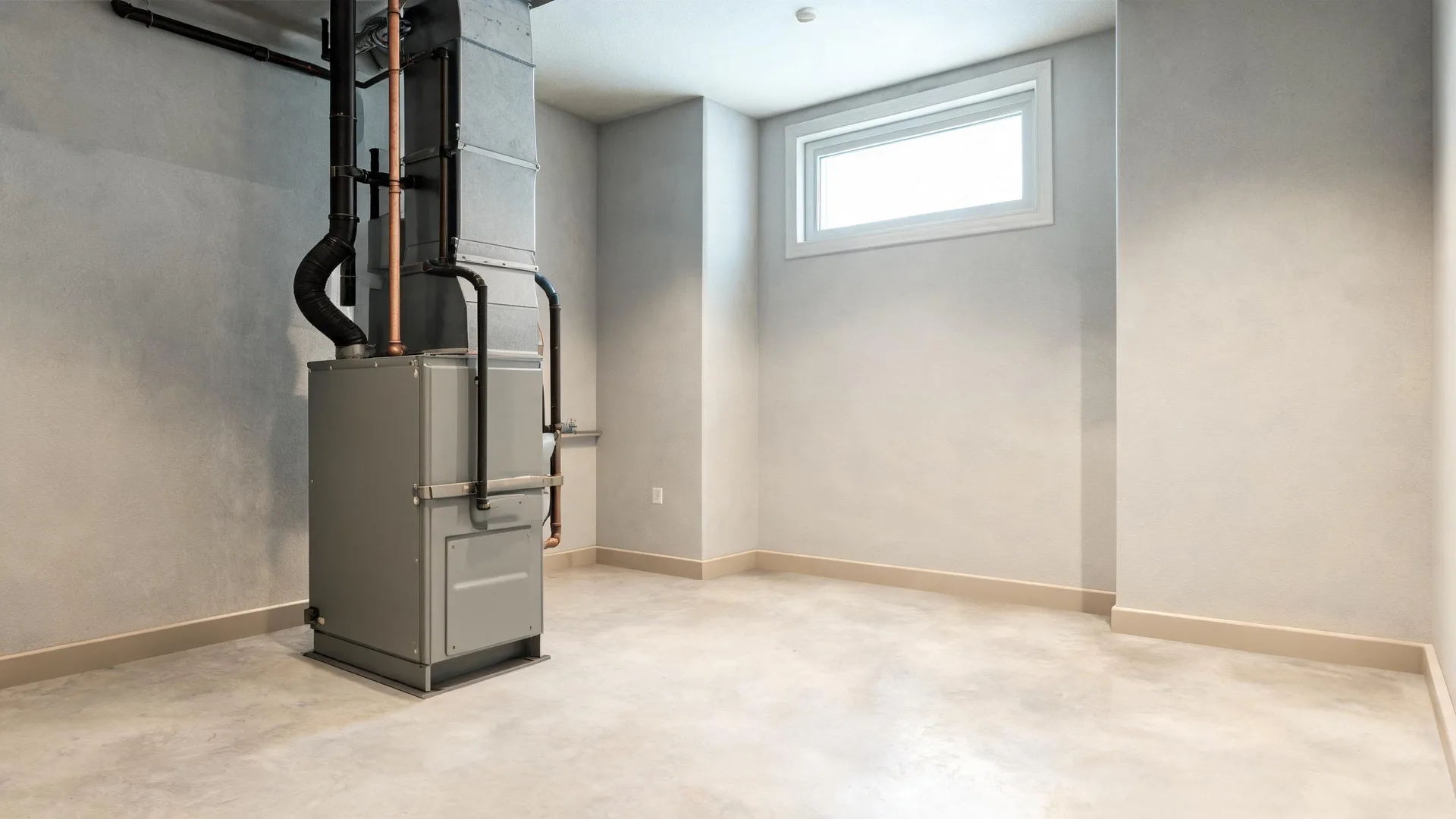
Eight months of heat
Furnaces in Ionia County run from October through May. That's most of the year asking the burner and blower to work, with overnight lows averaging 18°F in December, January and February.
Takes about a minute. No obligation.
Furnaces in Ionia County run from October through May. That's most of the year asking the burner and blower to work, with overnight lows averaging 18°F in December, January and February.
A furnace sized for a milder climate will run longer and harder here just to keep up. Get the sizing right for this county's winters, not a national average.
NOAA nClimDiv, 1991–2020 normals
Half the homes in Ionia County were built in 1972 or earlier.
If your furnace is original to a house that age, a straight swap for the same size and setup may not be the right call.

Ionia County sits in zone 5A, a cool, humid climate where heating carries most of the load. Any furnace installed here has to clear the efficiency floor set for that zone. Right now that floor is 80 percent AFUE. In 2028 it jumps to 95 percent AFUE, so a furnace going in now still only has to meet the lower number, but one going in after that date won't have the option. Worth asking a contractor where your install date falls against that change.
Most homes in Ionia County heat with gas, and furnaces are built around that fuel. If your current furnace runs on gas, a replacement that does the same is the straightforward path, with ductwork and venting already set up for it.
Find a contractor
Eight months of heat means eight months of parts cycling on and off. When you're comparing bids, ask what size furnace each contractor is proposing and why. A unit sized off a quick look at square footage can end up oversized or undersized for what this county actually asks of it, and either way shortens its working life. The contractor should size it to a load calculation for your house, not a rule of thumb.
Once the new furnace is set, the gas line, venting and ductwork are disconnected from the old one and it's hauled out. The old unit doesn't come back on by accident partway through the job.
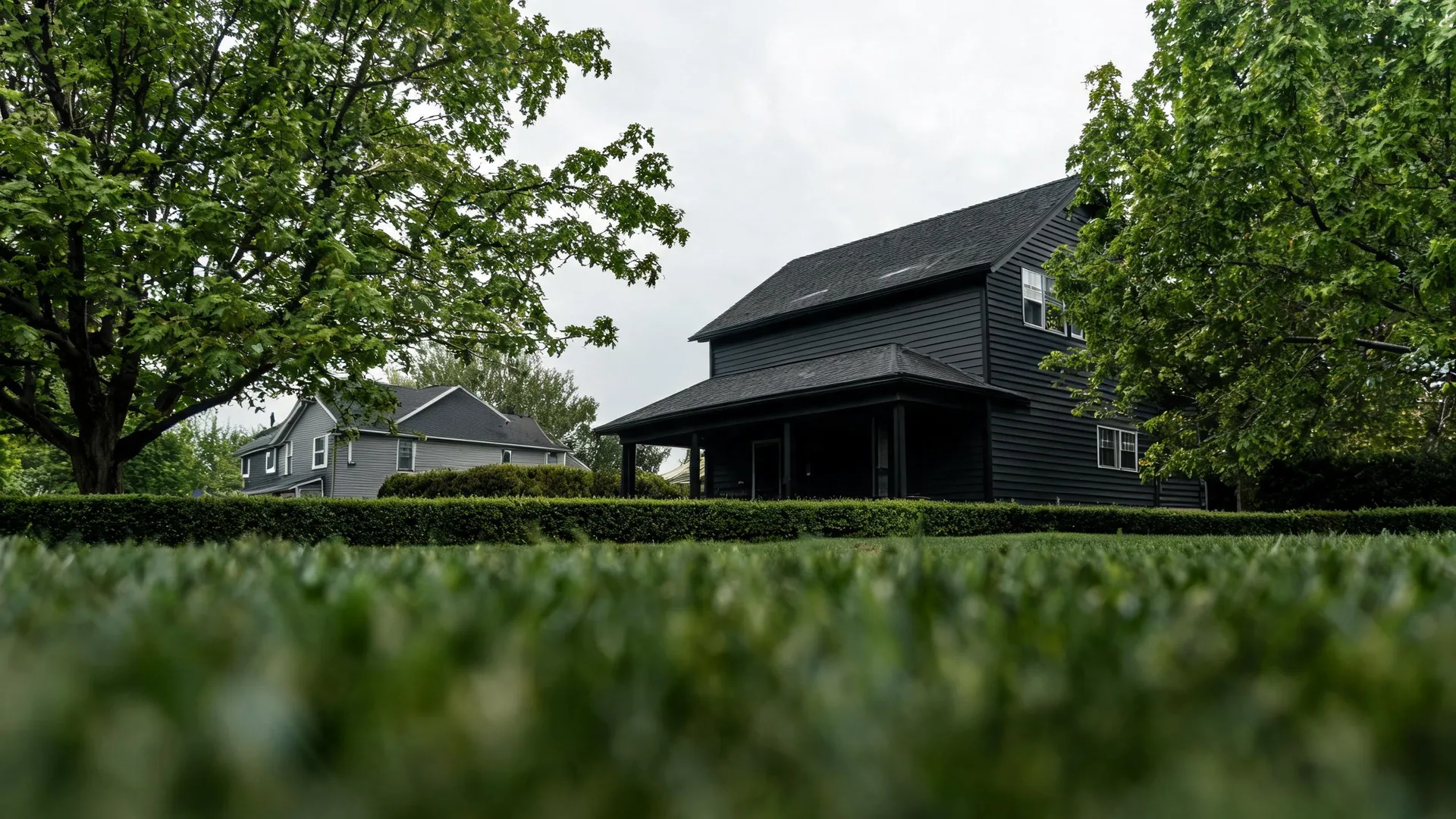
The gas line, duct connections and vent stay in place from the old furnace, and the new one gets fitted to them. If the new furnace is a different size or efficiency than the old one, some of that venting or ductwork may need to change to match it correctly.
Estimates for a typical Ionia County home, from EIA household energy data, Michigan fuel prices and NOAA climate normals. Your home will differ.
Once the new furnace is connected, the work isn't done. A technician checks the temperature rise across it, the difference between the air going in and the air coming out, against the number the manufacturer specifies for that model. That tells you whether the blower speed matches what the ductwork can actually move. The gas line gets pressure tested before anyone calls the job finished, and the vent gets checked for proper draft. A furnace that drafts wrong can put combustion gas back into the house instead of outside it, so this step doesn't get skipped. Expect the technician to walk through these checks with you before they leave.