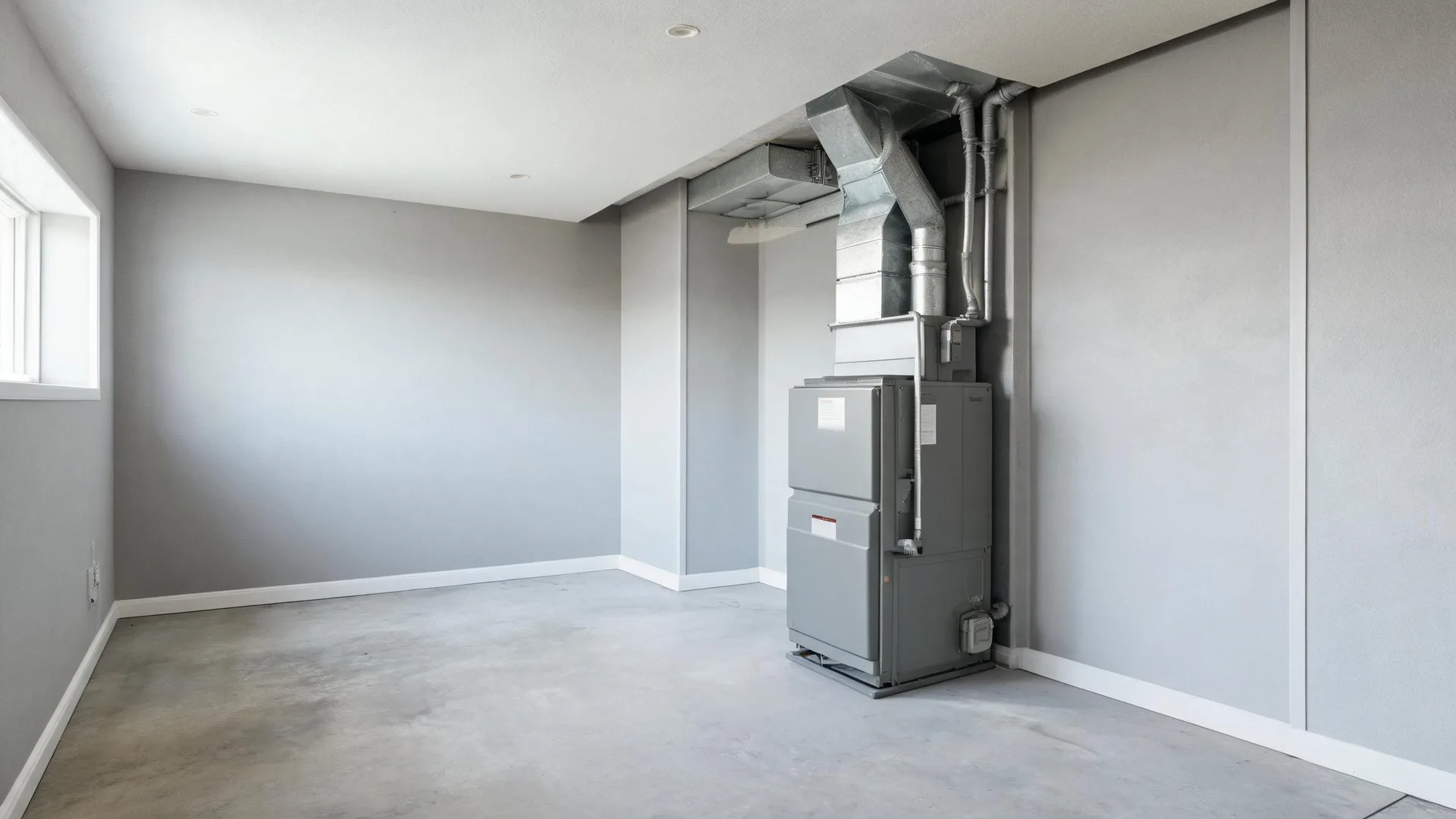
Gas is the common fuel here
Utility gas heats 48.6% of homes in Mecosta County, more than any other fuel. Bottled or LP gas heats another 30.2%. Between the two, most furnaces around Big Rapids run on some form of gas.
Takes about a minute. No obligation.
Utility gas heats 48.6% of homes in Mecosta County, more than any other fuel. Bottled or LP gas heats another 30.2%. Between the two, most furnaces around Big Rapids run on some form of gas.
If your old furnace ran on gas, a new gas furnace can usually connect to the line and vent already in place. Switching fuel types is a bigger job, since it means new gas, electric or venting work the old system never needed.
NOAA nClimDiv, 1991–2020 normals
Half the homes in Mecosta County were built in 1979 or earlier.
An older furnace in an older house still gets sized to what that house needs now, not bumped up because of its age.
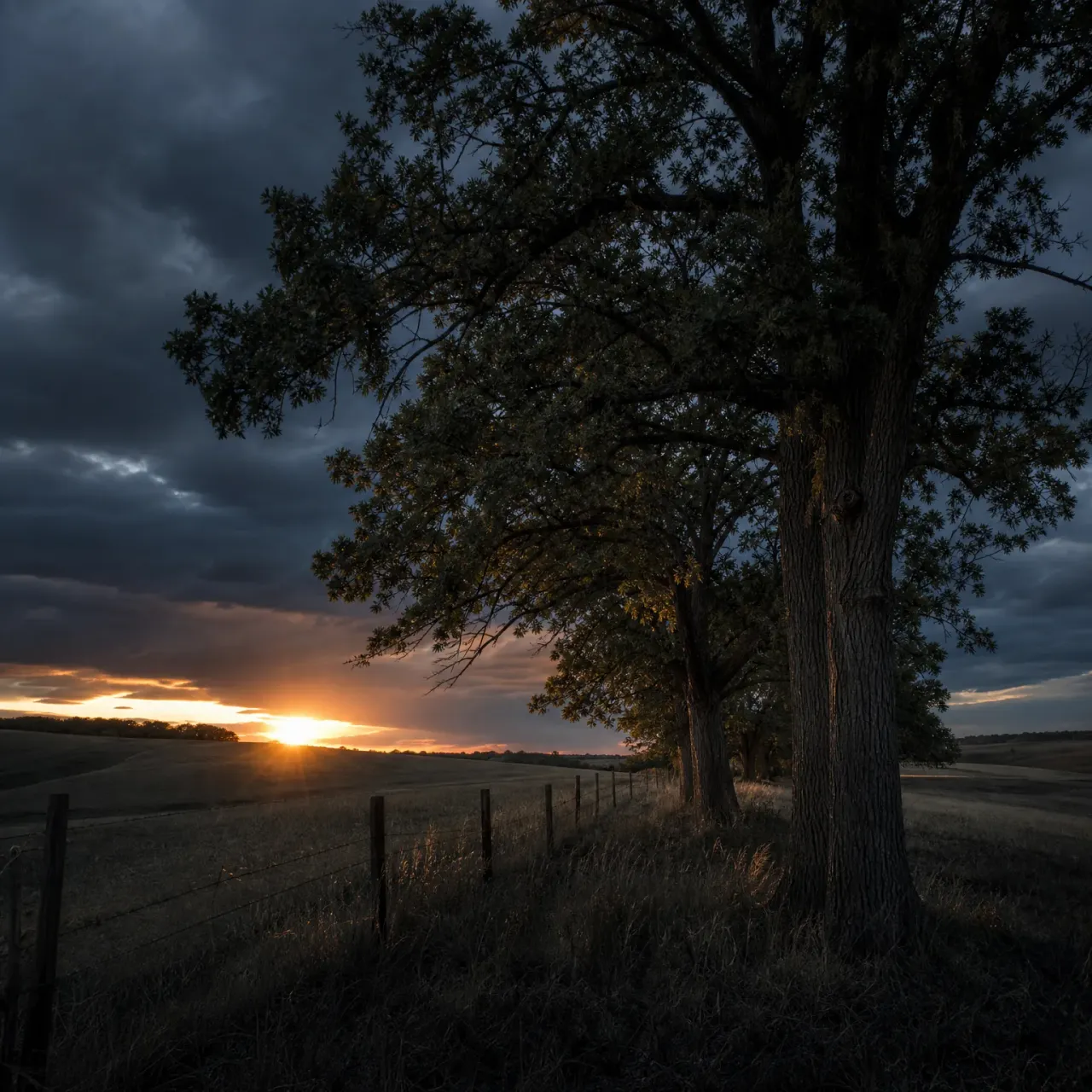
Gas here runs $10.21 per million Btu, about the same as the rest of Michigan pays. That price does not change how a furnace gets sized. A contractor still works from the heat your house loses through its walls and windows, not from what gas costs or how cold it gets outside. For most houses around Big Rapids, that math lands on a standard size at standard efficiency. Nothing about gas prices here calls for a bigger unit or a higher efficiency rating than the house needs.
A standard size and efficiency fit fine here. There's no local reason to go bigger or pricier.
Find a contractorHeat runs here from September through May, nine months of the year. August is the last month before it starts. A furnace replaced in August goes in on a day you pick, not a day the weather picks for you. Wait until the old one quits once the heat's already needed, and you're choosing from whatever unit and whatever installer can get to you fastest.
A contractor measures the house itself. Wall and ceiling insulation, window area, how much outside wall it has, even which way it faces. That calculation says how much heat the house loses on the coldest day, and the furnace gets matched to that number. Square footage alone never gets you there. Houses that look alike from the street can need different furnaces depending on how they're built underneath.
Too big and the furnace heats the house fast, shuts off, then starts again soon after. That short cycling wears on the heat exchanger and the igniter, and rooms farther from the furnace never quite catch up. Too small and it runs constantly on the coldest days and still falls behind. The right size runs in long, steady stretches and wears evenly.
Estimates for a typical Mecosta County home, from EIA household energy data, Michigan fuel prices and NOAA climate normals. Your home will differ.
Install day starts with the old furnace coming out, and that's when a contractor can actually see the ductwork, the gas line and the vent for what they are, not what the paperwork says. Connecting the new furnace to existing duct and gas lines takes a few hours. Setting new venting or correcting something the old install got wrong takes longer. The gas line gets pressure tested before any flame is lit, and the vent run gets checked for the right slope and clearances, not just hooked back up the way it was. Once it's running, a contractor checks the temperature rise across the furnace against what the manufacturer specs for that model, and adjusts the gas pressure and blower speed to hit it. That last check is what tells you the furnace is actually matched to your ductwork, not just installed in the space where the old one sat.