



An unfinished basement featuring concrete block walls, exposed floor joists, a bare concrete floor, and a forced-air furnace with a large metal exhaust duct in the corner.

Furnace Installation in Holland, MI

Tell us about the job

Takes about a minute. No obligation.

New system or replacementFurnace or heatingOttawa County, MI
Step 1 of 2

What ZIP code is the job in?

Ottawa County saw 61 severe weather events between 2015 and 2024. That includes 35 damaging wind events, 6 hail storms, 3 tornadoes, and 17 winter storms with heavy snow or ice. Any one of those can knock out power, and when it does, a furnace with no electricity doesn't run even if the gas is on. Statewide, 34% of Michigan households lost power for 24 hours or more in 2024. A new furnace is worth planning around that, not just around the cold.

8 months
October through May, your furnace is on duty
20°F
the average winter night it heats against
84%
of homes here heat with gas, so most furnaces here burn gas
80% AFUE
the federal minimum any new unit must meet
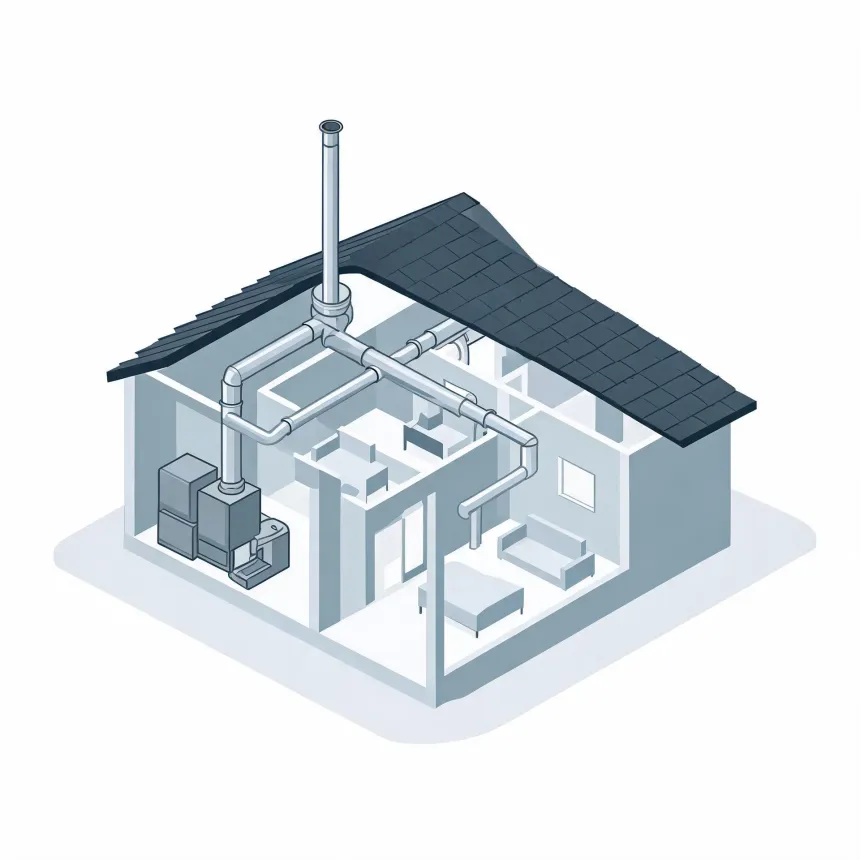
Isometric cutaway illustration of a small house showing a furnace unit connected to ductwork and a vertical flue pipe extending through the dark shingled roof, with sparse furniture in the rooms.
Your furnace works hardest from November through March.

NOAA nClimDiv, 1991–2020 normals

Gas heats 83.9% of homes in Ottawa County.

A new furnace here is almost always a gas furnace, so the install is about doing that well, not picking a different fuel.

Eight months of heat a year wears a furnace down faster

Heat runs October through May
Winter nights average 20°F
Climate zone 5A
Install it before OctoberHeat starts in October, so September is the month to get it installed

Ottawa County falls under zone 5A, a cool, humid climate where heating carries most of the load. Any furnace installed here has to meet the federal minimum of 80 percent efficiency, turning at least 80 cents of every dollar of gas into heat for the house. That floor rises to 95 percent for furnaces built on or after December 18, 2028, so a unit bought close to that date should already be looking at the higher number. Going above the minimum now costs more up front. In a county where the furnace runs most of the year, that difference shows up on the gas bill long before the equipment is due for replacement.

Install it with the next outage in mind

A furnace needs power to run no matter how it's fueled. When a storm comes through and the power goes with it, that's not the time to find out where the shutoff is or whether the new unit can pair with a generator. Settle that when it's installed.

Find a contractor
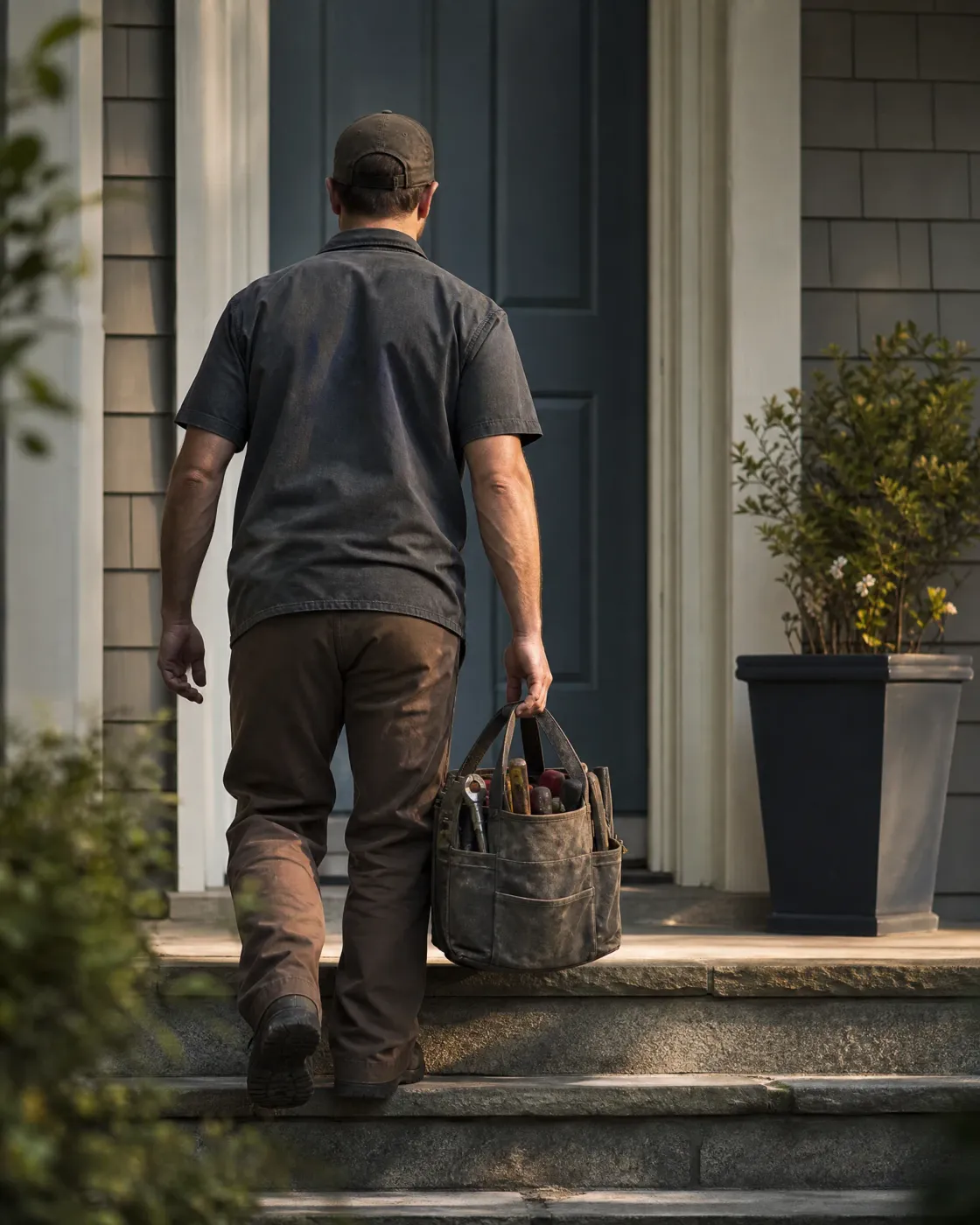
A man in a cap, dark work shirt and brown trousers walks up stone steps toward a dark blue panelled door, carrying a canvas tool bag filled with hand tools, beside a potted shrub.
A gray high-efficiency gas furnace installed in an unfinished basement, surrounded by gas lines, a condensate drain, and sheet-metal ductwork.

Eight months of work a year starts at install

Eight months of the year, this furnace is what stands between the house and the cold outside. That's most of the calendar, not just the deep winter stretch. When a system runs that much, sizing it right matters more than it would somewhere it only kicked on for a few weeks at a time. Too big and it short cycles, wearing itself out in bursts. Too small and it runs flat out just to keep up, which wears it down just as fast. Get the sizing right at install and the furnace spends eight months doing the job it was built for, not fighting against its own size.

The old furnace has to come out clean

A furnace installer disconnects the gas line, the vent pipe or flue, and the electrical connections before the cabinet comes out. If the old unit vents into a chimney shared with a water heater, that chimney has to be checked and often resized, because a furnace alone used to pulling exhaust up that flue can leave it too wide to draft properly once removed.

The old ductwork and gas line stay, mostly as they are

A new furnace usually connects back into the same ducts and the same gas line the old one used. Where the new unit is a different size or a higher efficiency model, the installer checks whether the duct opening still matches and whether the vent material is rated for cooler exhaust, since a higher efficiency furnace often vents through plastic pipe instead of metal.

An unfinished concrete basement containing a gas furnace with sheet-metal ductwork, utility shelving, and exposed overhead joists.

A high-efficiency gas furnace would save about $120 a year to run in Ottawa County compared with a gas furnace.

  • A high-efficiency gas furnace$580 a year
  • A gas furnace$700 a year

Estimates for a typical Ottawa County home, from EIA household energy data, Michigan fuel prices and NOAA climate normals. Your home will differ.

Installation starts with the old furnace shut down and disconnected, then moves to setting the new cabinet in place and squaring it to the duct opening and the gas line. The installer runs new venting if the furnace needs it, connects the gas line and checks it for leaks before anything is powered on, then wires in the thermostat and control board. Once it's buttoned up, the system gets fired and run through a full cycle, not just a quick burn. That means checking the flame through a few on and off cycles, measuring the temperature rise across the heat exchanger, and confirming the blower is moving the right amount of air. A furnace that looks installed and a furnace that's been proven to run correctly are two different things, and the second one only happens with that testing done before the installer leaves.