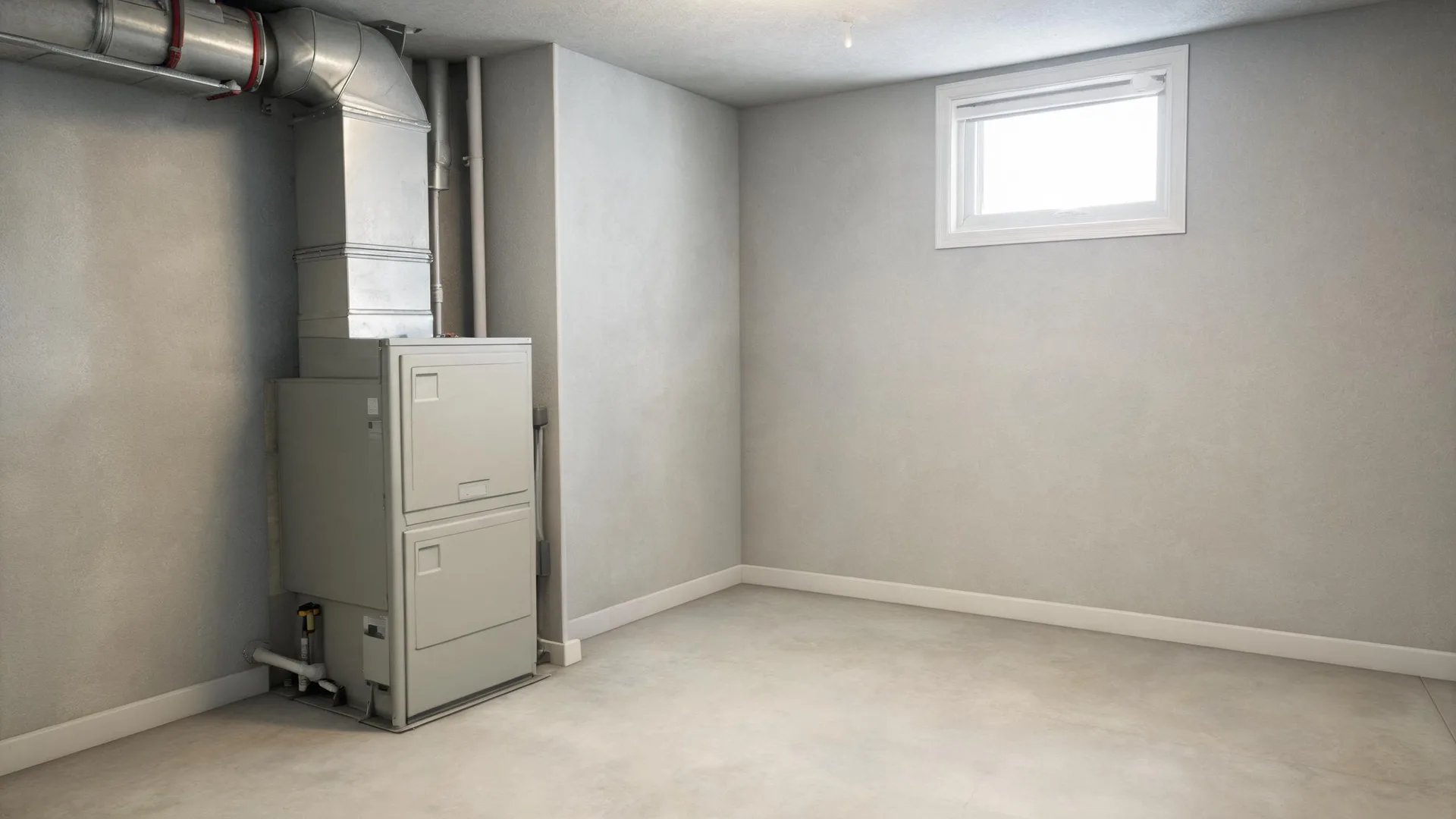
An unfinished basement containing a forced-air furnace with metal ductwork, exposed wooden ceiling joists, a hanging Edison bulb, and bare concrete floors.

Furnace Installation in Flint, MI

Tell us about the job

Takes about a minute. No obligation.

New system or replacementFurnace or heatingGenesee County, MI
Step 1 of 2

What ZIP code is the job in?

Storms hit this county often

Genesee County saw 109 severe weather events between 2015 and 2024, including 71 damaging wind events, 17 hail events, and 5 tornadoes. Sixteen winter storms brought heavy snow, ice or blizzards in that same stretch. A furnace installed here has to stand up to all of it.

Power outages aren't rare either

More than a third of Michigan households went at least 24 hours without power in 2024. A furnace needs electricity to run even when the fuel is gas, so a long outage can mean a cold house no matter what the furnace burns.

8 months
October through May, your furnace is on duty
19°F
the average winter night it heats against
81%
of homes here heat with gas, so most furnaces here burn gas
80% AFUE
the federal minimum any new unit must meet
Isometric grayscale illustration of a cutaway single-story house showing interior rooms with furniture, a furnace unit connected to ductwork and a tall vertical flue pipe extending above the roof.
Your furnace works hardest from November through March.

NOAA nClimDiv, 1991–2020 normals

Furnaces here run eight months out of the year, October through May.

A new furnace needs to be sized right for that load, not just priced right.

Most furnaces in this county burn gas, and a new one almost always should too

81.3% of homes heat with gas
Heat runs October through May
Winter nights average 19°F
Half the furnaces here go into older housesHalf the homes in Genesee County were built in 1969 or earlier.

October is when heat gets turned on here, which means September is when a new furnace should already be in. Waiting until the first cold morning puts you in line behind everyone else who waited too. A failed furnace in late September is an inconvenience. A failed furnace in January, with overnight lows averaging 19 degrees, is something else. Getting the installation done before the season starts means you pick the day, not the weather.

Install it ready for the outage, not just the cold

A furnace installed here needs a plan for the power going out, not just the cold. Ask where the installer puts the outdoor components and what it would take to keep heat running if the power drops for a day. That's part of the installation, not an afterthought once the furnace is in.

Find a contractor
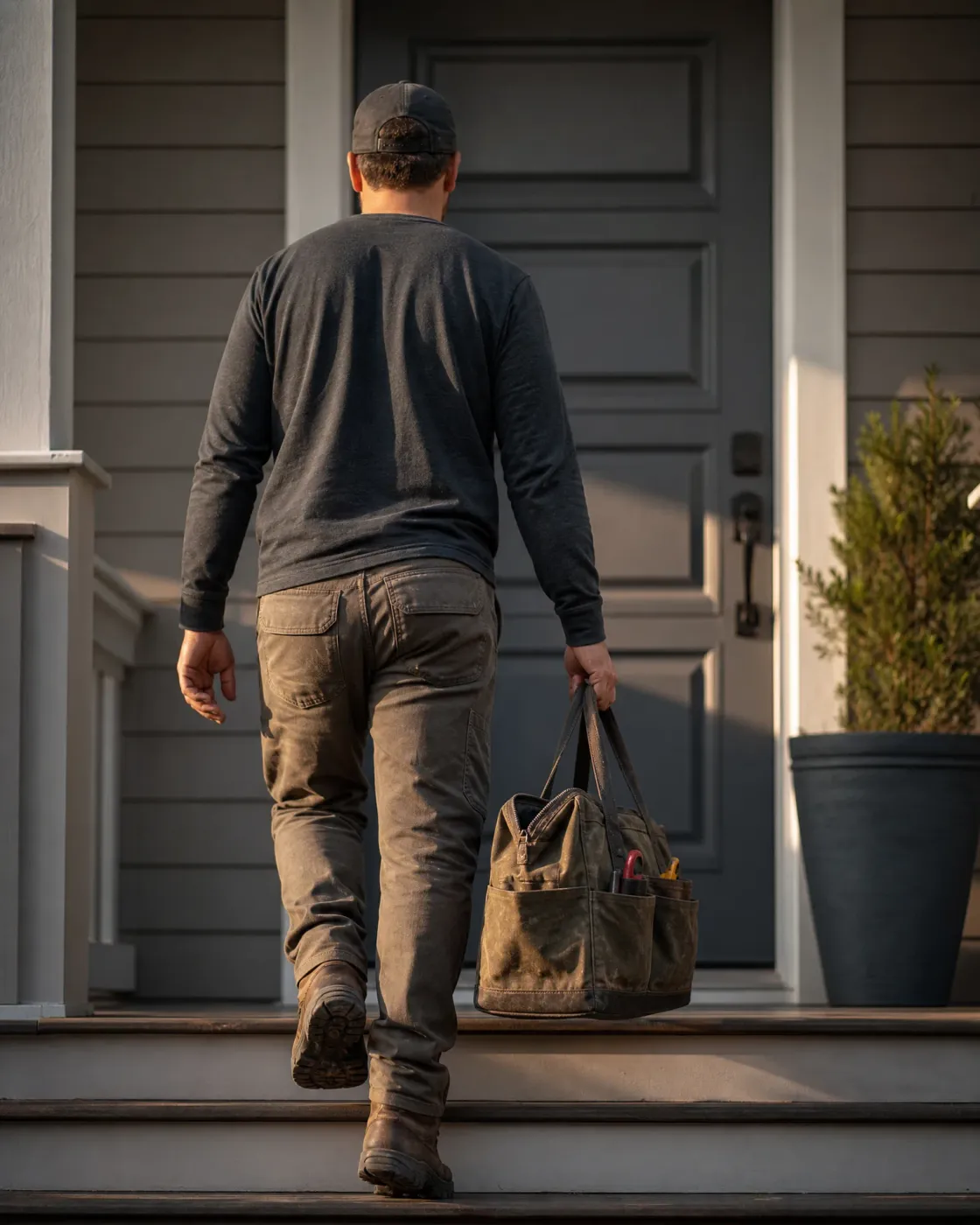
A man in a cap, long-sleeved shirt and work pants walks up porch steps toward a dark gray paneled front door, carrying a canvas tool bag, with a potted shrub to the right.
A gray high-efficiency gas furnace installed in an unfinished basement, surrounded by gas lines, a condensate drain, and sheet-metal ductwork.

The furnace has to match the house, not just the old furnace

If your place is one of the older ones, tell the installer before they size anything. Ductwork in a house from that era wasn't always laid out for a modern furnace, and the installer needs to check what's there rather than assume. Ask them to look at the vent pipe too. A furnace that's a different size or efficiency than the one it replaces can need a different venting setup to work safely. None of this is a reason to put off the job. It's a reason to pick an installer who walks through the house first instead of quoting off the old unit's label.

The size of the furnace drives the size of the bill

A furnace has to be sized to the house, not picked by what the old one was rated for. Too small and it runs constantly without catching up. Too big and it short cycles, turning on and off before the house ever feels even heat, which wears the heat exchanger and the blower motor faster than steady use would. Getting the size right takes a room by room look at the house, not a guess off the nameplate.

Venting and ductwork can cost more than the furnace itself

A higher efficiency furnace pulls heat out of the exhaust before it leaves the house, which means the exhaust comes out cool instead of hot. Cool exhaust can't vent up a masonry chimney the way an older furnace's hot exhaust did, so it often needs new PVC venting run through a wall. If the ductwork wasn't built for the new furnace's airflow, some of it may need to be resized or sealed before the furnace can heat the house evenly.

An unfinished basement containing a metal furnace with ductwork, exposed wooden joists on the ceiling, cardboard boxes, a coiled cable, and a single hanging incandescent bulb.

A high-efficiency gas furnace would save about $130 a year to run in Genesee County compared with a gas furnace.

  • A high-efficiency gas furnace$600 a year
  • A gas furnace$730 a year

Estimates for a typical Genesee County home, from EIA household energy data, Michigan fuel prices and NOAA climate normals. Your home will differ.

Installation starts with the old furnace coming out, along with the old venting if it doesn't match what the new unit needs. The installer sets the new furnace, connects the gas line, and runs the venting, whether that's a metal flue or new PVC pipe through a wall. Next comes the ductwork connection, the electrical hookup for the blower and control board, and the condensate line if the furnace is a high efficiency model that produces water as it runs. Once it's all connected, the installer fires it up and checks the gas pressure, the temperature rise across the heat exchanger, and the airflow at the registers. A combustion analyzer gets used to check the exhaust and make sure the furnace is burning clean and venting safely. The whole job gets tested with the system running a full cycle before the installer leaves, not just lit and left.