




A row of illuminated two-story brick houses with front porches and mature trees photographed at twilight.

Furnace Installation in Muskegon, MI

Tell us about the job

Takes about a minute. No obligation.

New system or replacementFurnace or heatingMuskegon County, MI
Step 1 of 2

What ZIP code is the job in?

Muskegon County logged 50 severe weather events between 2015 and 2024. Most of that was wind, 28 events, with 15 winter storms and 7 hail events mixed in. A furnace doesn't care about hail, but what comes with these storms does: downed lines and power cuts. A gas furnace needs electricity to run its blower and controls, so when the power goes, the heat stops even with gas still in the line. Across Michigan, 34% of households lost power for 24 hours or more in 2024. That's worth knowing before you pick a system, not after the lights go out.

8 months
October through May, your furnace is on duty
20°F
the average winter night it heats against
80%
of homes here heat with gas, so most furnaces here burn gas
80% AFUE
the federal minimum any new unit must meet
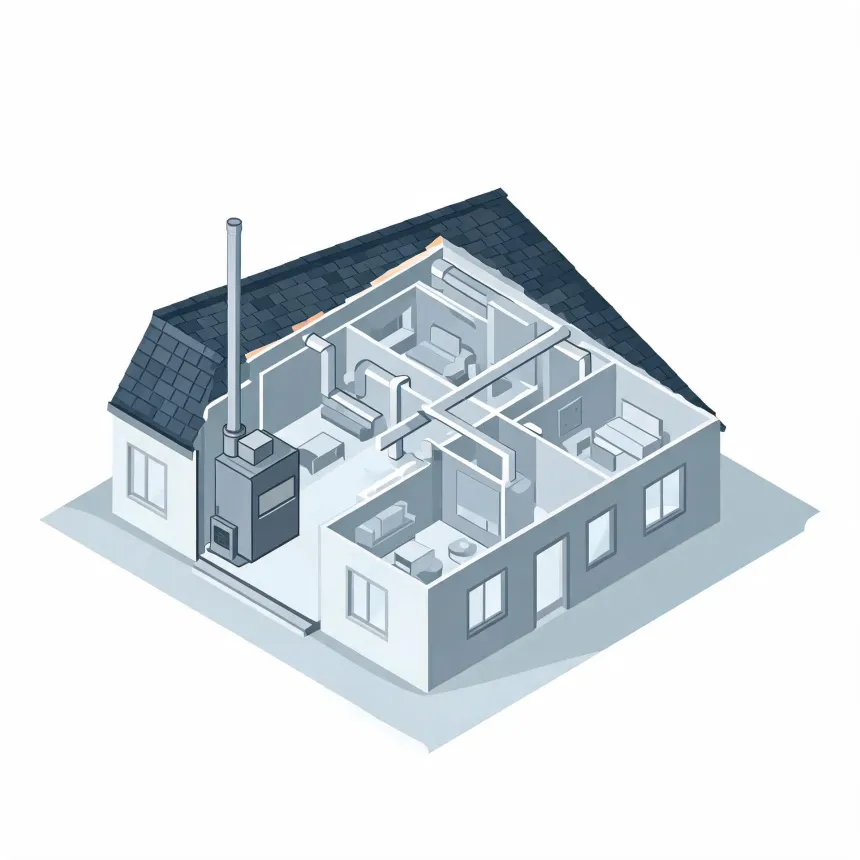
Isometric cutaway illustration of a single-story house showing interior rooms, ductwork, and a dark furnace unit with a tall flue pipe rising past the shingled roof.
Your furnace works hardest from November through March.

NOAA nClimDiv, 1991–2020 normals

Furnaces here run October through May, eight months of the year.

Get the new furnace in before October and you pick the date, not the cold.

Half these homes were built in 1969 or earlier, and the furnace has to work with that house

Half the homes here were built by 1969
Heat runs October through May
Winter nights average 20°F

Gas heats 79.7% of homes in Muskegon County, more than any other fuel here. That's the system most installers see on every other job, and it's why a like for like replacement is usually the simple path if gas already runs to your house. A new gas furnace still needs power to run its blower and ignition, so the fuel source doesn't solve the outage problem on its own. What it does mean is the gas line, the venting, and the sizing are things a contractor can plan around with confidence, because they've set up the same thing next door. If your home runs on something else, that's worth a conversation before installation day, not after.

Plan for the power going out, not just the cold

Ask about a battery backup or a transfer switch for the furnace while it's being installed. The blower and controls run on electricity, and that's the part a storm takes out first. Worth asking now, while the system is already being decided.

Find a contractor
A man in a cap, dark work shirt and brown cargo pants walks up concrete steps toward a blue-gray front door, carrying a worn canvas tool bag in his right hand, with a potted shrub beside the entry.
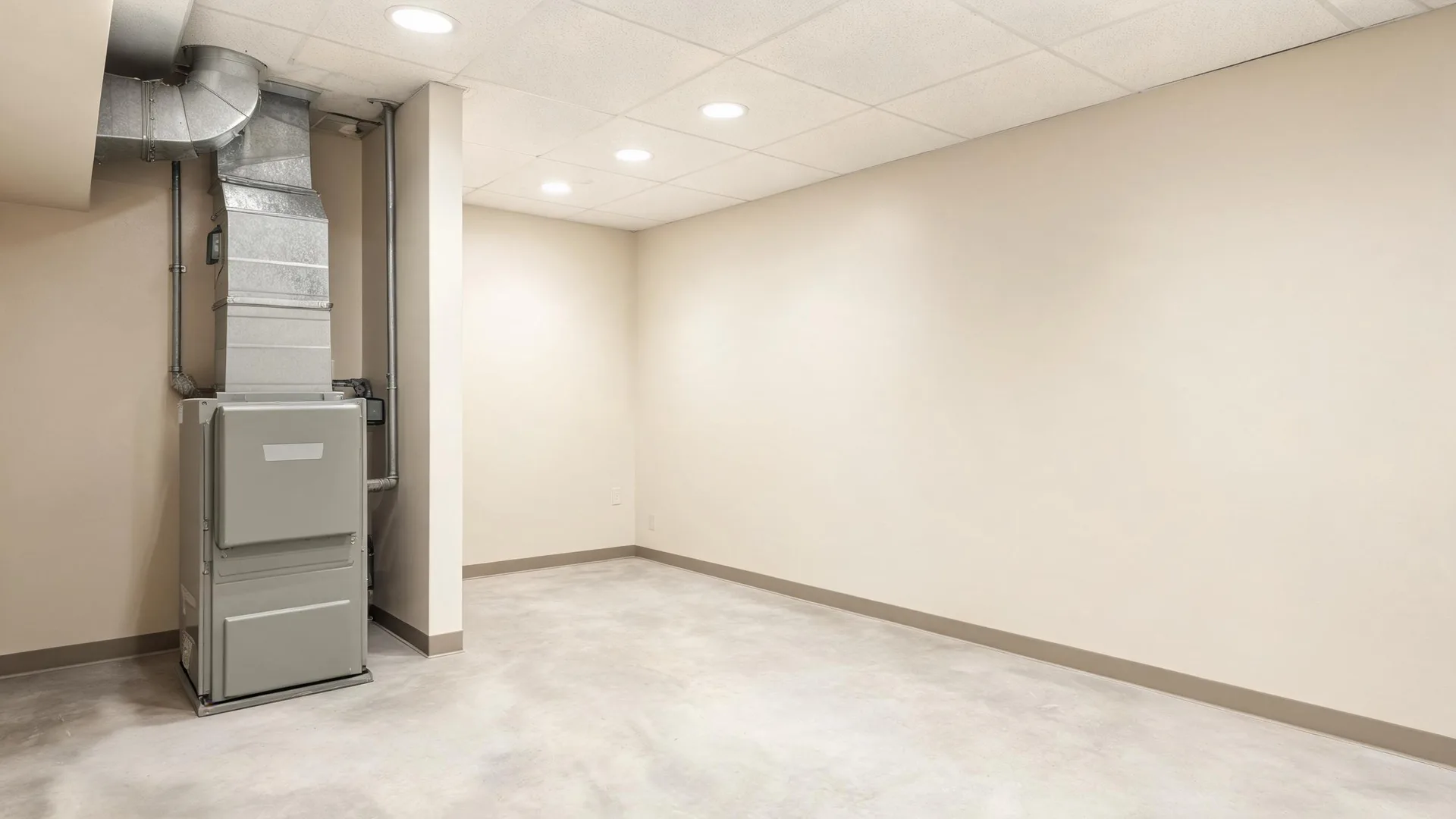
A gas furnace with attached ductwork, gas piping, and condensate lines installed in a concrete-block basement.

Eight months of heat, every year

Eight months of run time means the blower and igniter cycle on and off far more here than in a house down south that heats for six weeks a year. Each cycle is a small load on those parts. More cycles, sooner wear. A furnace sized right for your house handles that load the way it's supposed to. One sized wrong, too big or too small for the space, works harder on every single cycle, all eight months of it.

What the rating actually measures

The efficiency rating on a furnace tells you how much of the fuel it burns turns into heat in the house, and how much goes out the flue vent. A higher rated furnace pulls more heat out of the same flame before letting the exhaust go. It says nothing about how big a furnace is or how fast it can heat your place, only how little fuel it wastes doing it.

Why it changes what's in the wall

A higher efficiency furnace condenses the exhaust, which means the flue gas cools enough to turn to water before it leaves the house. That needs a drain line and usually a different kind of vent pipe than an older, lower rated furnace used. So the rating you pick isn't just about the furnace itself. It can decide what venting and drainage have to go in alongside it.

A bare concrete basement containing a gray gas furnace with metal ductwork and a vertical flue pipe, lit by a single hanging bulb.

A high-efficiency gas furnace would save about $130 a year to run in Muskegon County compared with a gas furnace.

  • A high-efficiency gas furnace$600 a year
  • A gas furnace$730 a year

Estimates for a typical Muskegon County home, from EIA household energy data, Michigan fuel prices and NOAA climate normals. Your home will differ.

Installation starts with the old furnace coming out, along with whatever venting and gas line work won't carry over to the new one. The installer checks the gas line, the vent, and the return and supply ducts against what the new furnace needs, since those rarely match the old unit exactly. Setting the furnace in place and connecting gas, venting, and ductwork takes up most of the day. Once it's hooked up, the installer fires it and checks the flame, the airflow, and the temperature rise against what the furnace is rated for. A gas leak check and a check of the vent pipe for a proper slope and seal happen before anyone calls it done. The thermostat gets wired in and tested last, cycling the system on and off to make sure it starts, heats, and shuts off the way it should.