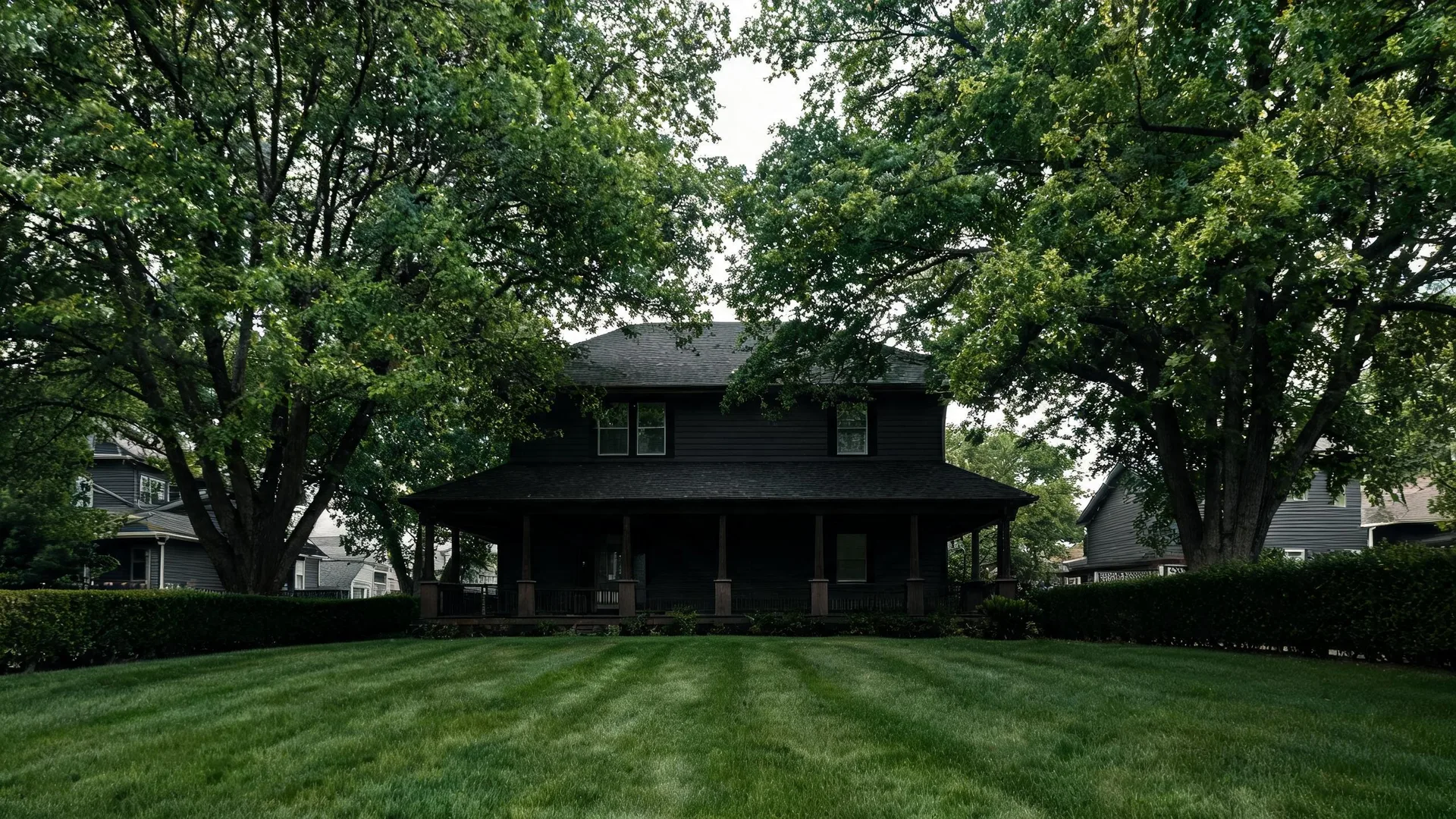
A dark two-story house with a wide covered front porch, framed by large leafy trees, behind a trimmed hedge and a striped mowed lawn.

Furnace Installation in Escanaba, MI

Tell us about the job

Takes about a minute. No obligation.

New system or replacementFurnace or heatingDelta County, MI
Step 1 of 2

What ZIP code is the job in?

Weather here is hard on equipment

Delta County logged 91 severe weather events between 2015 and 2024, counting wind, hail, snow and ice. A furnace sits indoors, but the vent pipe runs through the roof or a wall, and it has to hold up to that weather year after year.

Power outages are the bigger risk to heat

Over a third of Michigan households went at least 24 hours without power in 2024. A furnace needs electricity to run its blower and ignition, so losing power means losing heat no matter how new the system is. Worth asking about a transfer switch or backup power if outages have hit your street before.

9 months
September through May, your furnace is on duty
12°F
the average winter night it heats against
61%
of homes here heat with gas, so most furnaces here burn gas
80% AFUE
the federal minimum any new unit must meet
Isometric grayscale illustration of a cutaway single-story house showing interior rooms with furniture, a furnace unit connected to ductwork and a tall vertical flue pipe extending above the roof.
Your furnace works hardest from November through April.

NOAA nClimDiv, 1991–2020 normals

Natural gas in Michigan ran $10.21 per million Btu in 2024.

A furnace that wastes less of that gas earns back the difference every winter it runs.

61.1% of homes here heat with gas, so a gas furnace is the easy call

61.1% of homes heat with gas
Heat runs September through May
Winter nights average 12°F
Install before SeptemberHeat runs September through May here, nine months straight. August is the month to get ahead of it.

Delta County falls in zone 6A, a cold climate with a long stretch of winter. Any furnace going in here has to meet the federal minimum for that kind of equipment. Right now that's 80 percent AFUE for a standard gas furnace. That minimum jumps to 95 percent for units built from December 2028 on. If you're installing now, ask what the unit is rated at rather than assuming it clears the minimum. A furnace rated above 80 percent sends less of that gas out the vent unburned, and that matters most in a county that runs its heat for months at a time.

Half the homes here were built in 1970 or earlier. Size the furnace to that house.

Half the homes in Delta County were built in 1970 or earlier. A furnace sized for new construction won't necessarily fit a house that old. Get the new unit sized to the house you actually have.

Find a contractor
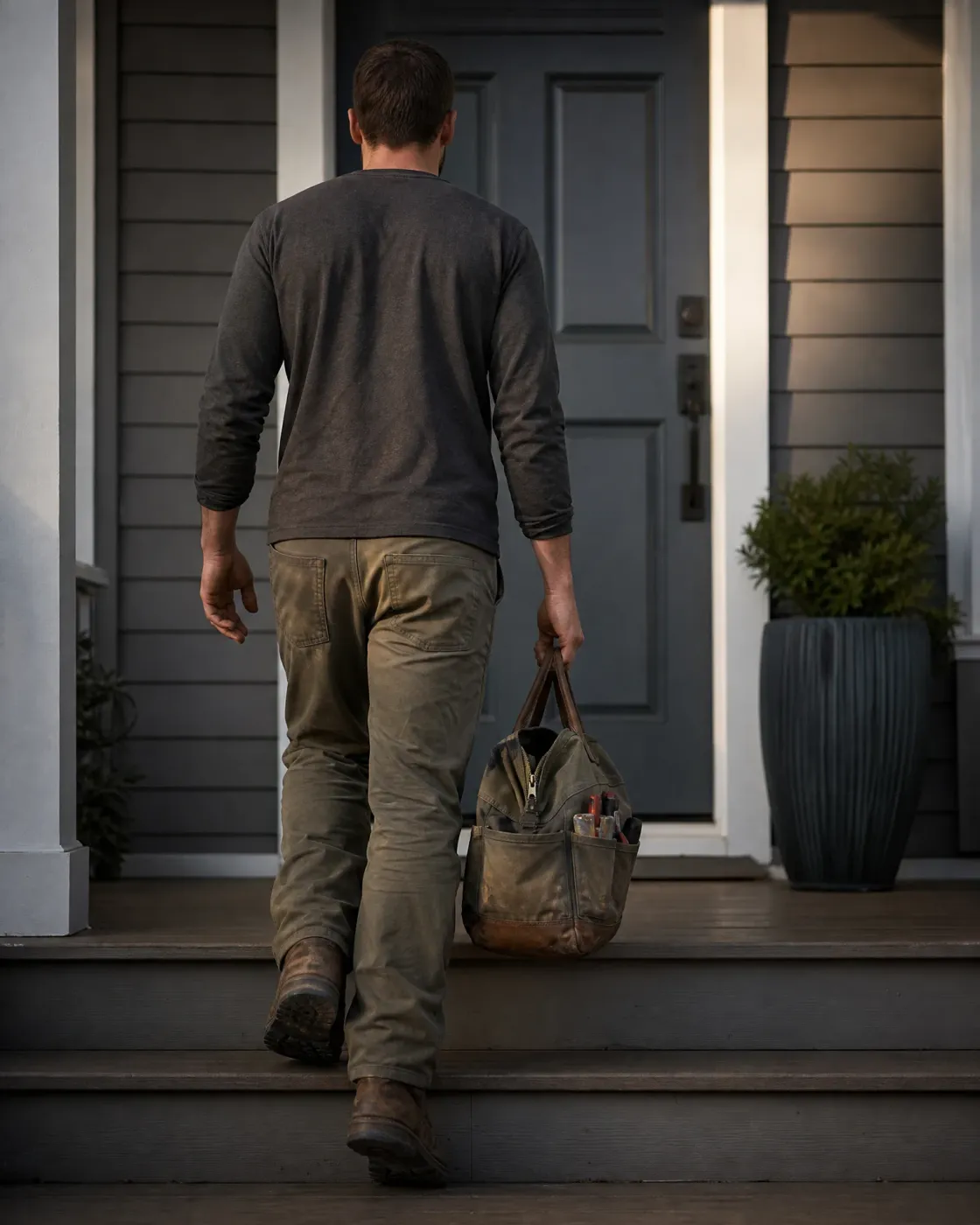
A man seen from behind in a dark long-sleeve shirt, olive work pants and brown boots climbs porch steps toward a gray front door, carrying a waxed canvas tool bag with tools in its outer pockets, beside a potted shrub.
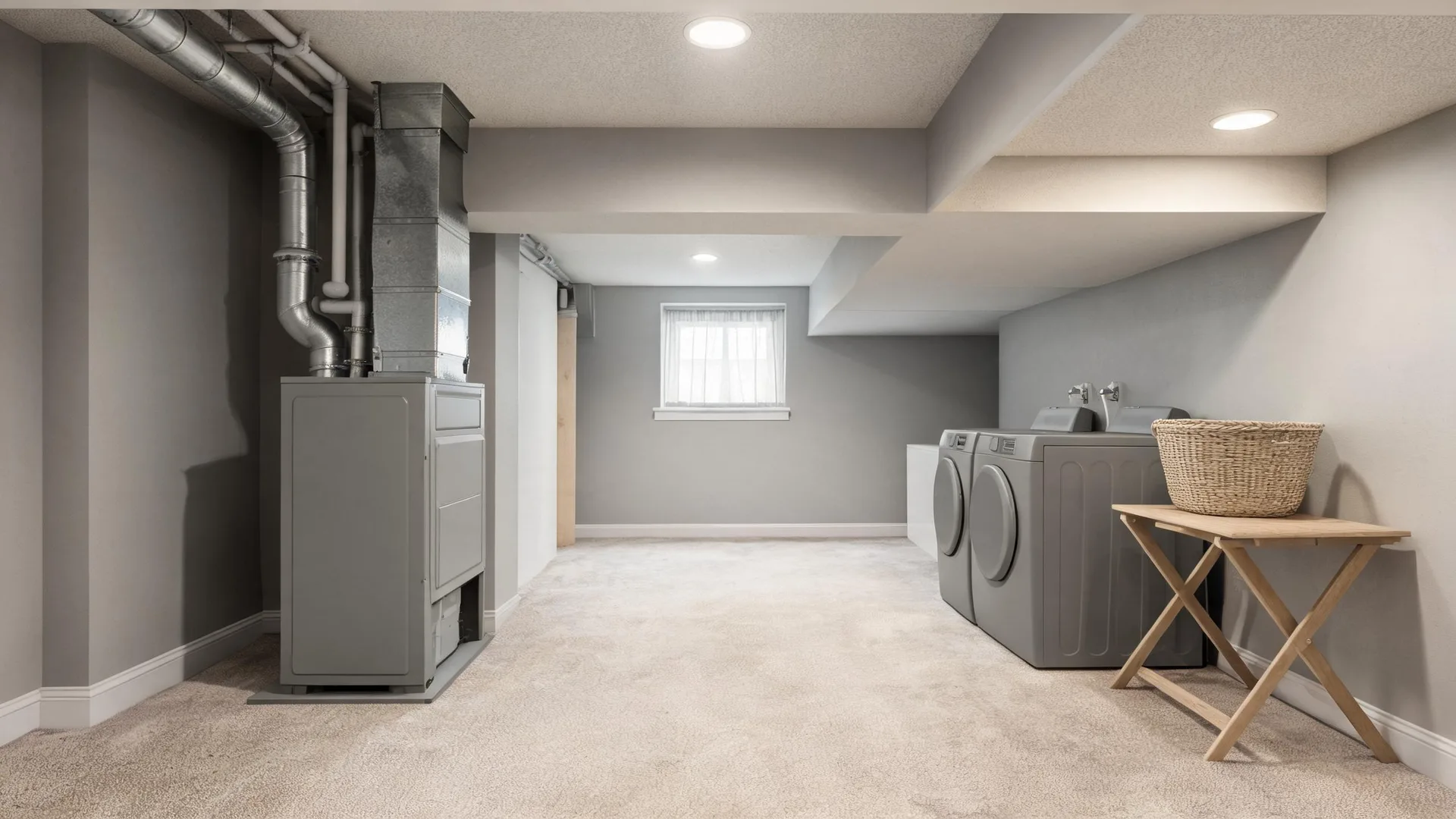
A gray residential gas furnace installed in an unfinished basement, connected to sheet-metal ductwork and PVC pipes.

Nine months of heat a year wears a furnace down faster

Nine months of heat a year, and overnight lows averaging 12°F through December, January and February. That's the stretch a new furnace here has to hold up through, every winter it runs. The longer a furnace runs each year, the sooner its igniter, blower motor and heat exchanger show their age. Get the unit sized to your house rather than picked off a shelf. One sized wrong will run longer and harder trying to keep up, no matter how new it is.

The old furnace gets disconnected and hauled out

The gas line gets capped or rerouted, the vent pipe comes down, and the old unit gets carried out before the new one goes in. If it's a flue vented through a chimney, that chimney may need a liner once the new furnace goes in, since a smaller or different vent setup changes how it drafts.

The new furnace won't just drop into the old spot

A higher efficiency furnace vents differently than what's coming out, often through a wall or up through PVC pipe instead of a metal flue. That can mean new venting, not just a new furnace bolted where the old one sat. Ask how the new unit vents before install day so there's no surprise about where the pipe has to run.

A gas furnace with sheet-metal ductwork and PVC pipes installed in an unfinished basement.

A high-efficiency gas furnace would save about $160 a year to run in Delta County compared with a gas furnace.

  • A high-efficiency gas furnace$740 a year
  • A gas furnace$900 a year

Estimates for a typical Delta County home, from EIA household energy data, Michigan fuel prices and NOAA climate normals. Your home will differ.

Install day starts with the old furnace coming out and the ductwork getting checked before the new one ever gets set in place. The supply and return plenums get opened up so the new unit can tie in cleanly, and any gaps or loose joints usually get sealed while they're exposed. The gas line gets pressure tested once it's hooked to the new furnace, and the vent gets tested for draft before anyone calls the job done. Electrical runs to the blower and control board, and the thermostat wire gets checked too since a new furnace often reads it differently than the old one did. Expect the crew to run the system through a full cycle before they leave, checking the flame, the temperature rise across the heat exchanger, and the blower speed. A furnace that's installed right gets tested under real conditions, not just switched on and left.