
Heat pump vs furnace in Delta County, Michigan

Find an Installer

Replacement quotes in Delta County

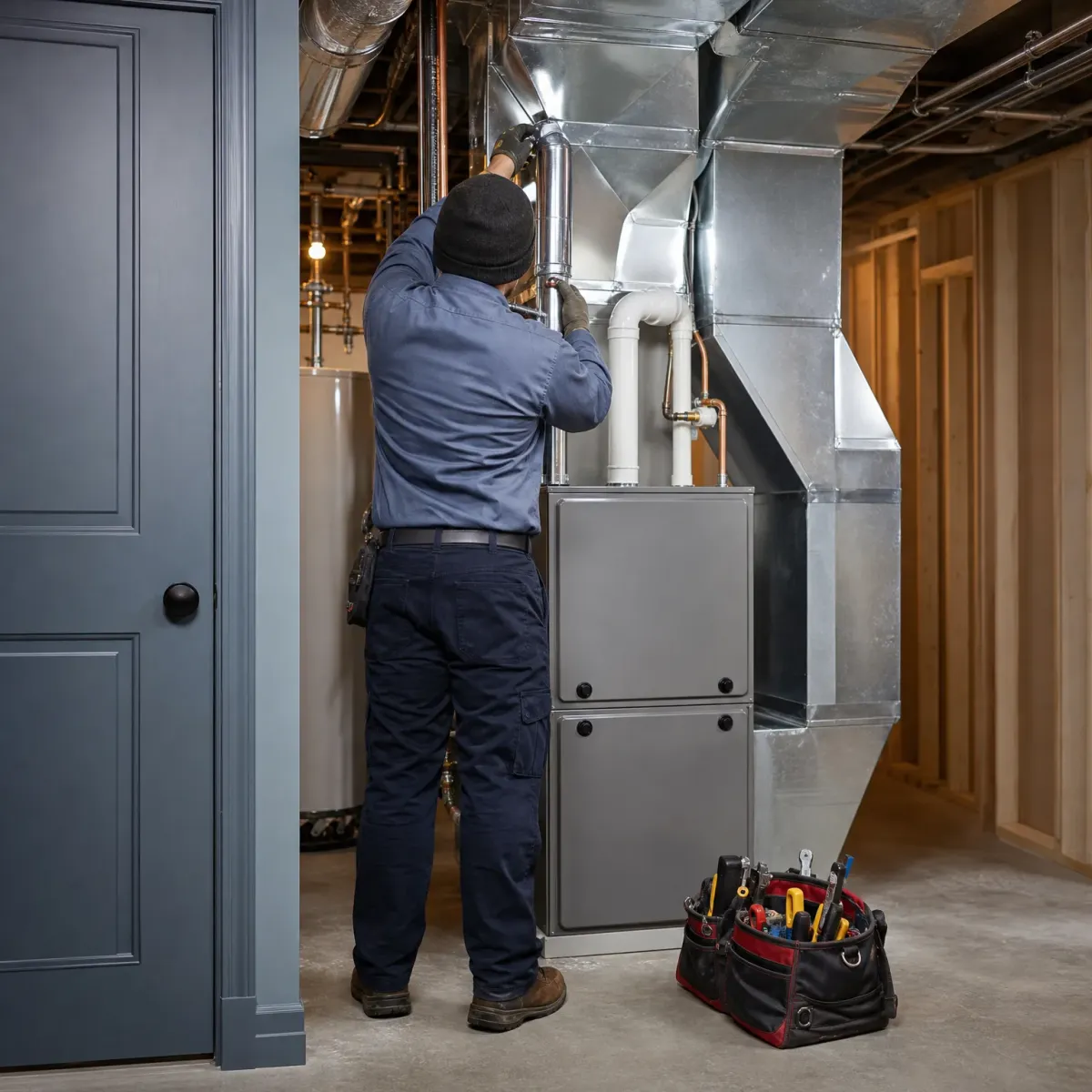
A person in a blue shirt, dark pants and knit cap works on piping above a gray furnace connected to sheet-metal ductwork in a basement, with an open tool bag on the floor nearby.

Tell us about the job

Takes about a minute. No obligation.

New system or replacementDelta County, MI
Step 1 of 3

What kind of equipment?

Which costs less to run in Delta County?

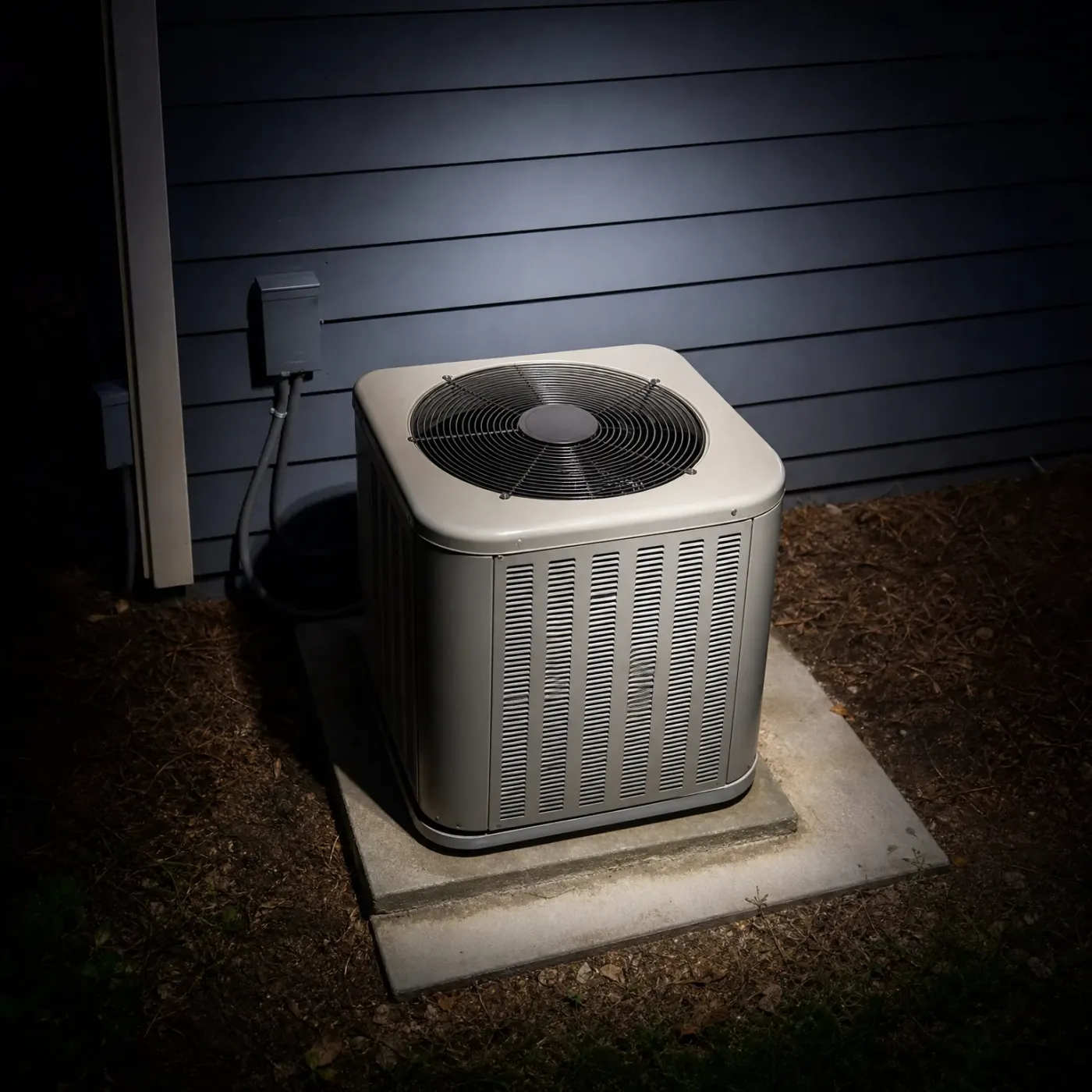
An outdoor air conditioner condenser unit on a concrete pad beside a house with dark horizontal lap siding, with an electrical disconnect box and conduit on the wall behind it.

Heat pump

To heat your home here$2.57per 100,000 Btu

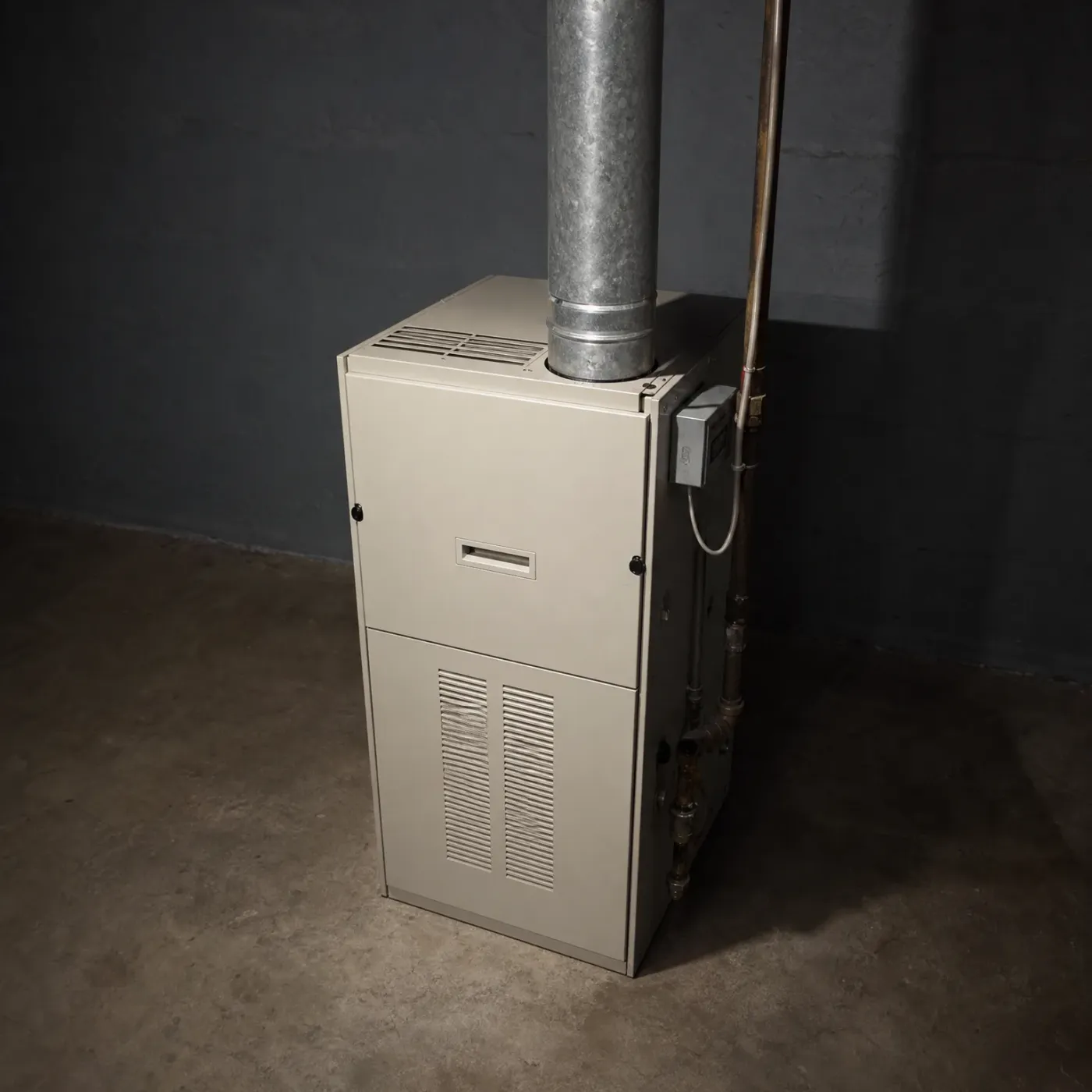
A beige forced-air furnace with louvered vent panels stands on a concrete floor against a dark gray wall, with a galvanized metal flue pipe rising from its top and copper gas piping along its right side.

Furnace

To heat your home here$1.28per 100,000 Btu

At Michigan's gas and electricity prices, a gas furnace makes the same heat as a heat pump for at least 50% less.

Btu stands for British thermal unit, the standard measure of heat energy.

Where does a heat pump shine?

  • Steady, even comfort

    Instead of short bursts of heat, it keeps a gentle, steady output going. The house stays at one comfortable temperature.

    A living room with a lit wood-burning stove, a grey armchair with a plaid throw and open book, a lamp on a small side table, glass doors showing a frosty dusk view, and a tan dog sleeping on a woven rug.
  • No gas line, nothing burning in the house

    There's no gas line to the unit and no flame anywhere in it. Carbon monoxide isn't part of the picture.

    A stainless steel whistling kettle sits on a black glass cooktop set into a white marble island, with navy cabinets, a stainless refrigerator, a cutting board, a bowl of green apples, and a vase of greenery by a bright window in the background.
  • Heats and cools in one system

    Winter and summer are covered by the same outdoor unit. That's one machine to service instead of two.

    A living room with a beige sofa holding grey and cream cushions and a grey fringed throw, beside a white-framed window overlooking a green garden, with a grey built-in cabinet and shelves holding vases and flowers at right and a rustic wooden coffee table in the foreground.

Where does a furnace shine?

  • Strong, steady heat in hard cold

    Winter nights here average 12°F, and a furnace is built to push hard against that kind of cold without losing ground. You get the same strong, steady heat out of the vents at midnight as you do at noon.

    A blue-gray clapboard cottage with a dormer and covered porch, its windows glowing warmly at dusk, behind a shoveled walkway flanked by deep snowbanks and a lit black lamppost.
  • Runs on the gas most homes here already use

    Most homes in Delta County already have gas line run to them, 61.1% heat with it. If yours is one of them, a gas furnace just hooks into what's already there.

    Two adjacent wood-sided houses with covered porches, railed front steps and gas meters, separated by a narrow walkway, with patchy snow on the lawns and a concrete sidewalk in front.
  • Pairs with any central AC

    Most central air systems are built around a furnace. The two share the blower, the ducts and the thermostat.

    A metal floor vent set in a hardwood floor near a window with a sheer curtain, with a wooden bench holding a mug at left and a wooden chair draped with a blue throw at right.

What the cold does to a heat pump here

Winter here is the whole question. Heat runs nine months a year, September through May, and the overnight low averages 12°F in December, January and February. A standard heat pump starts losing ground before it even gets that cold. Below 40°F it puts out less heat than its rating says. Below about 35°F it usually needs backup heat to keep up. The average winter night here is below both marks, and every single night that drops to freezing or under, about 175 of them a year, is below both marks too.

That doesn't mean a heat pump quits. It means it's working against the cold most of the heating season, not just on the worst nights. Twenty five nights a year here reach 0°F or below, and a standard heat pump at that temperature is putting out only a fraction of its rated heat. A cold climate model, the kind certified to hold at least 70 percent of its capacity at 5°F, is built for exactly this. A standard one is not.

Backup heat covers the gap, usually an electric resistance element built into the air handler. Field tests of cold climate heat pumps found that backup supplied only a small share of the total heat even between 0°F and 35°F, and running on backup alone was rare above 0°F. That's with the cold climate equipment. It tells you the gap can be managed. It doesn't tell you what a base model heat pump does in your house, because that depends on which one you buy.
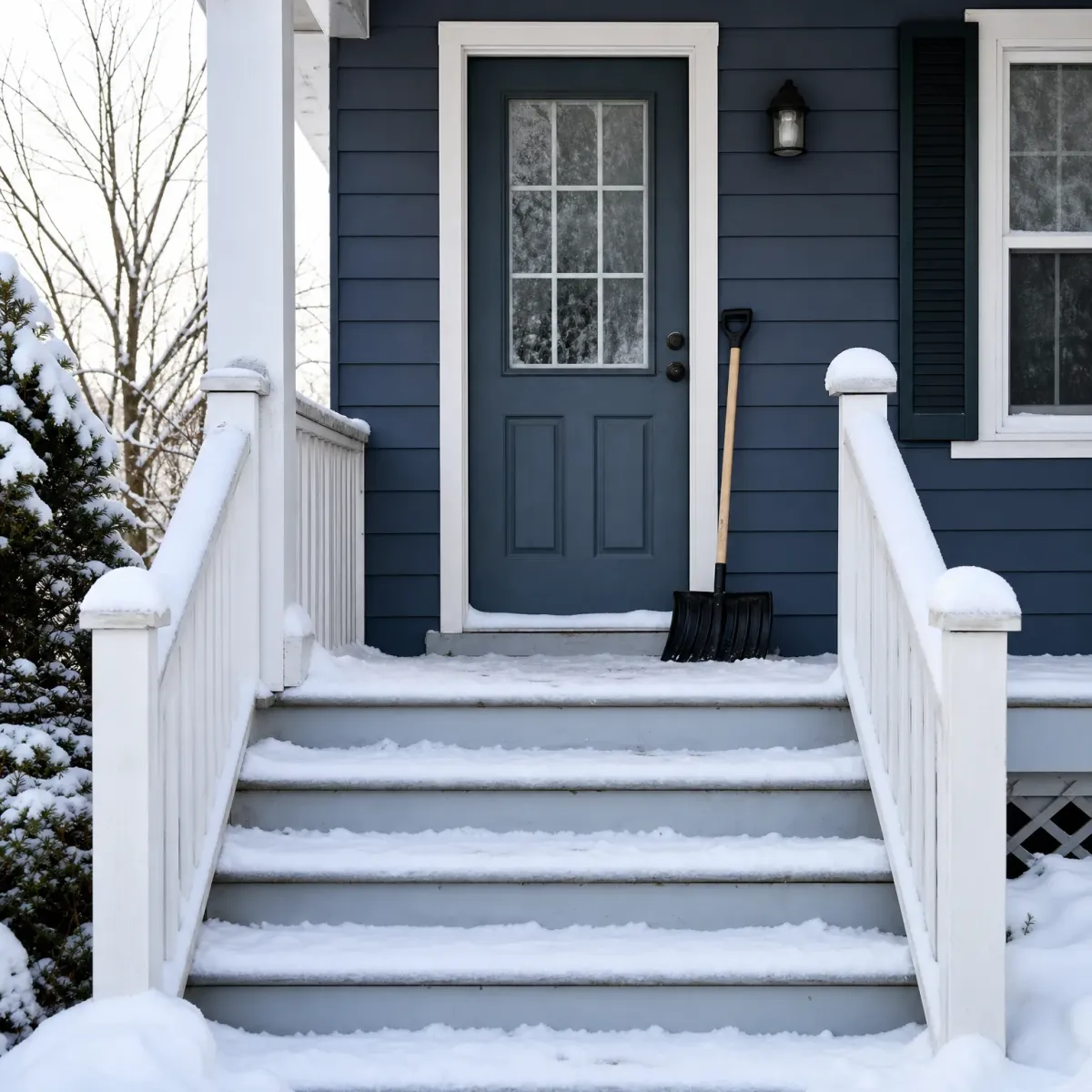
Snow-covered front steps with white railings leading to a blue house with a paneled door, a snow shovel leaning beside the entry, and a snowy evergreen shrub at left.

What it costs to run and what's already there

Cost follows from the same numbers. A heat pump built to the federal minimum runs $2.57 per 100,000 Btu here on Michigan's average electric rate. A furnace built to the federal minimum runs $1.28 on the average gas rate, half as much. That gap is built into the fuel prices, not the brand or the install, so it holds whether the equipment is new or old. If keeping monthly heating cost down matters more to you than anything else, the furnace wins on that alone.

What's already in the house matters too. Utility gas heats about three in five homes in Delta County, and propane heats about one in five more. Electricity alone heats about one in ten. If your house already has a gas line and a furnace, replacing it with another furnace means no new fuel source, no new venting, nothing to rework. Switching to a heat pump means adding a central air system where maybe none exists, and in most houses here, keeping some form of backup heat for the coldest nights.

Cooling is where the heat pump earns something back. It runs one month a year here, July, and a heat pump is both a furnace and an air conditioner in one system. A furnace only heats. It has nothing to do the other three months of the year outside heating season, so pairing it with central air means a second system alongside it. If you're weighing a new AC anyway, that changes the math. If you already have working central air, it doesn't, and the furnace's lower running cost stands on its own.

Sources: NOAA nClimDiv · NOAA 1991–2020 seasonal normals · PNNL Building America guide · PNNL-37127 field study · ENERGY STAR product criteria · EIA SEDS 2024 · 10 CFR 430.32 · Census ACS 2020–2024

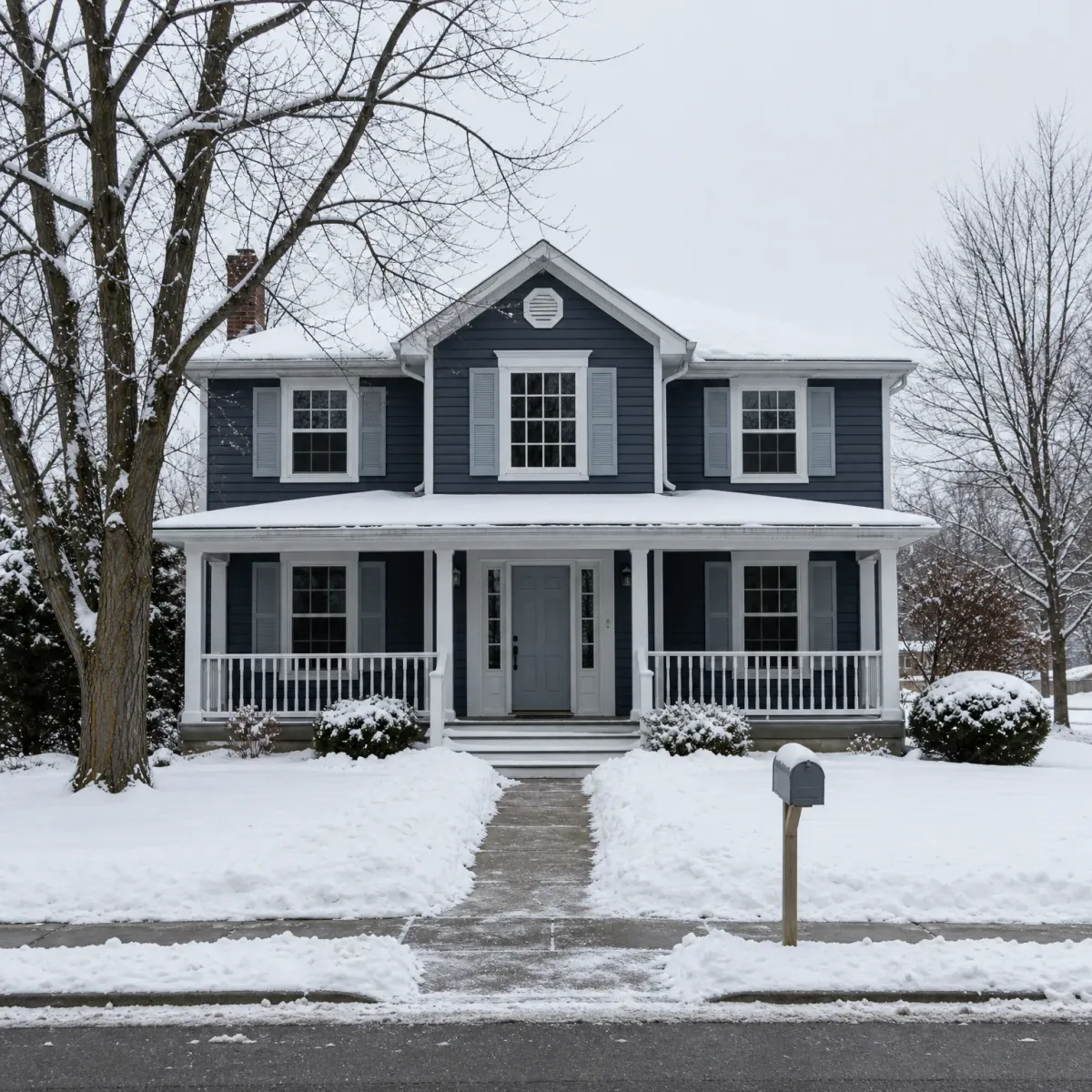
A two-story dark blue house with white trim, covered front porch, and light gray door, surrounded by snow-covered lawn, bare trees, and a cleared walkway leading to the street, with a gray mailbox at the curb.

Common questions about heat pumps and furnaces

  • Can a heat pump heat a house through a Michigan winter?

    A heat pump can heat a house through a Michigan winter, but a standard one struggles on the coldest nights. Below 40°F its heat output falls short of its rating, and below about 35°F it often needs backup heat. The overnight low here falls to freezing or below on about 175 nights a year, and to 0°F or below on about 25, so those marks get hit often.

  • Do I need backup heat with a heat pump here?

    Most likely, yes. A standard heat pump's output falls below its rating once it's under 40°F outside, and it often needs backup heat below about 35°F. The average overnight low here in December, January and February is 12°F, so a heat pump in this county will spend a lot of winter nights needing that backup.

  • Can I keep my furnace and add a heat pump?

    Yes, and here that often makes sense. A furnace and a heat pump can share the same ductwork, with the heat pump doing the work in milder weather and the furnace taking over once it gets cold. The average overnight low in December, January and February here is 12°F, well below the point where a standard heat pump needs help.

  • Is a heat pump cheaper to run than a furnace in Delta County?

    No, a furnace costs less to run here. The figures above work out to $2.57 per 100,000 Btu for a heat pump against $1.28 for a gas furnace, so the furnace runs at roughly half the cost. That gap comes from Michigan's fuel prices: natural gas runs $10.21 per million Btu against $56.56 for electricity.