


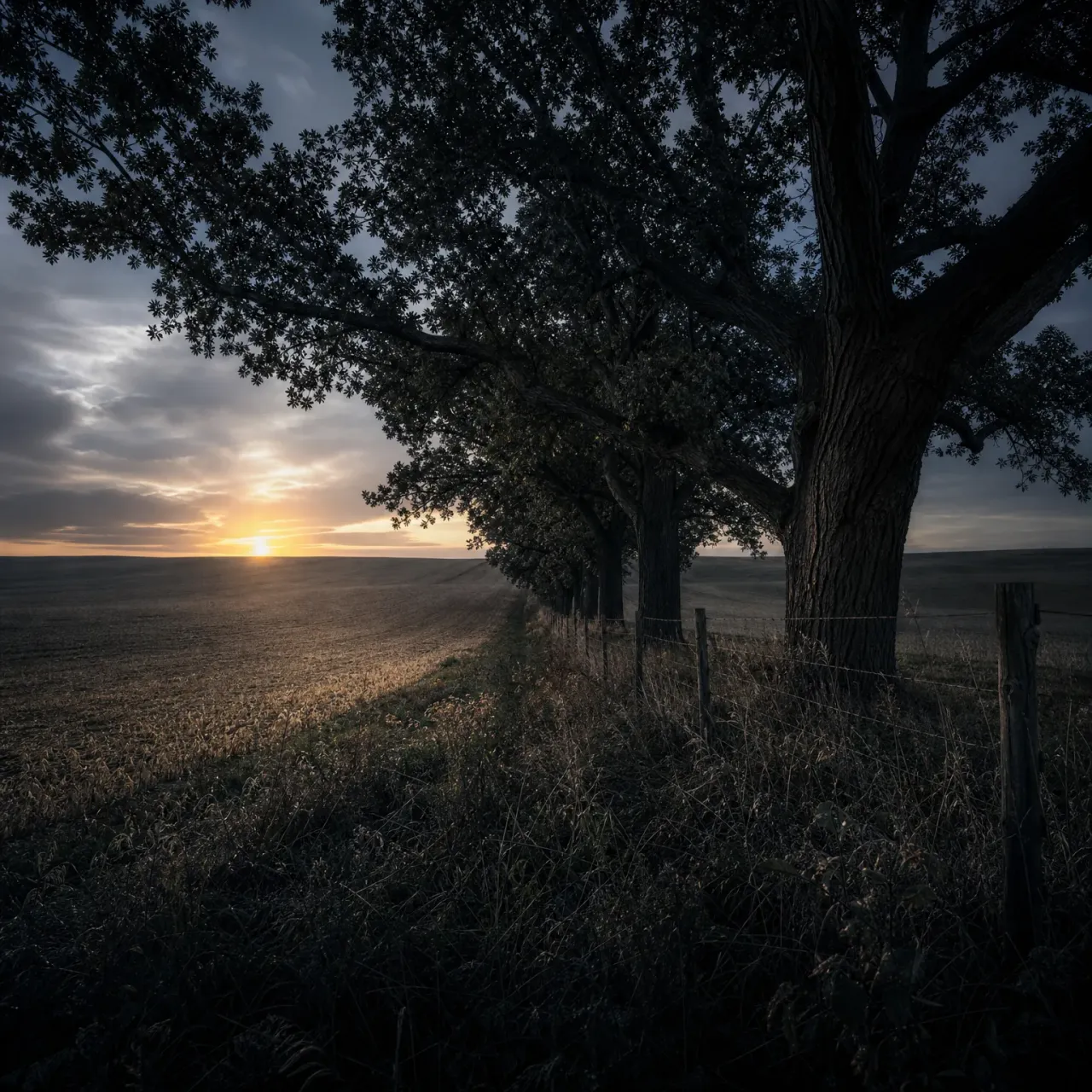
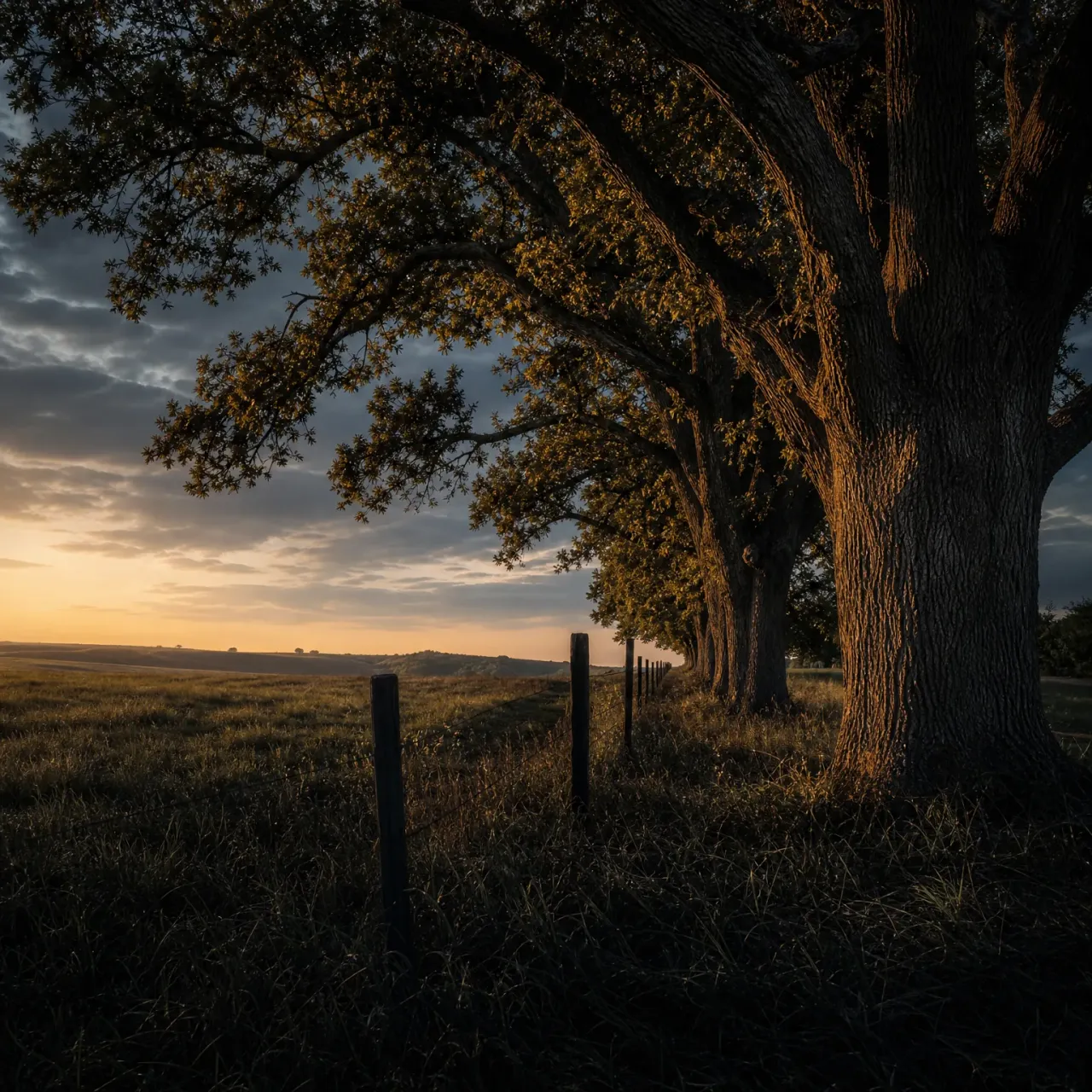


A illuminated two-story red brick house on a quiet residential street at dusk, flanked by mature trees under a deep blue evening sky.

Furnace Installation in Niles, MI

Tell us about the job

Takes about a minute. No obligation.

New system or replacementFurnace or heatingBerrien County, MI
Step 1 of 2

What ZIP code is the job in?

Berrien County logged 123 severe weather events between 2015 and 2024. Most of that was wind, 81 events, with 29 hail events and 12 winter storms mixed in. A furnace runs on electricity for its blower and ignition even when the heat itself comes from gas, so it sits in the middle of that record either way. Outages follow storms here too: 34% of Michigan households went at least 24 hours without power in 2024. A winter storm that knocks out power can take the furnace down with it, right when the house needs heat most.

8 months
October through May, your furnace is on duty
21°F
the average winter night it heats against
64%
of homes here heat with gas, so most furnaces here burn gas
80% AFUE
the federal minimum any new unit must meet
Isometric line illustration of a cutaway building interior showing a furnace unit with a flue pipe and ductwork running along the ceiling, plus adjacent rooms with simplified furniture.
Your furnace works hardest from November through March.

NOAA nClimDiv, 1991–2020 normals

Gas heats 64.4% of homes in Berrien County, more than any other fuel.

A new furnace here almost always means matching the gas line already run to the house.

Eight months of heat starts in October. Get it installed before then.

Heat runs October through May
Winter nights average 21°F
Climate zone 5A
Built For an Older HouseHalf the homes in Berrien County were built in 1966 or earlier.

Furnace installation here has to clear zone 5A's minimum before anything else gets decided. Any furnace built on or after November 19, 2015 already meets that bar, turning at least 80 percent of its gas into heat over the winter. That's the floor, not a feature to shop for. The next jump comes December 18, 2028, when new units have to hit 95 percent, so a furnace bought now still falls under the 80 percent rule. Either efficiency level can be paired with the system built to handle this county's wind and outages. The gas line and the storm readiness are separate questions from the efficiency number, and both still need an answer.

Pick a furnace that can handle a power cut

A gas furnace still needs power to run its blower and ignition. When a storm knocks the power out, the furnace goes with it. Installing now is the time to plan where the outdoor unit sits, what protects it, and how you'll keep heat going if the power doesn't come back right away.

Find a contractor
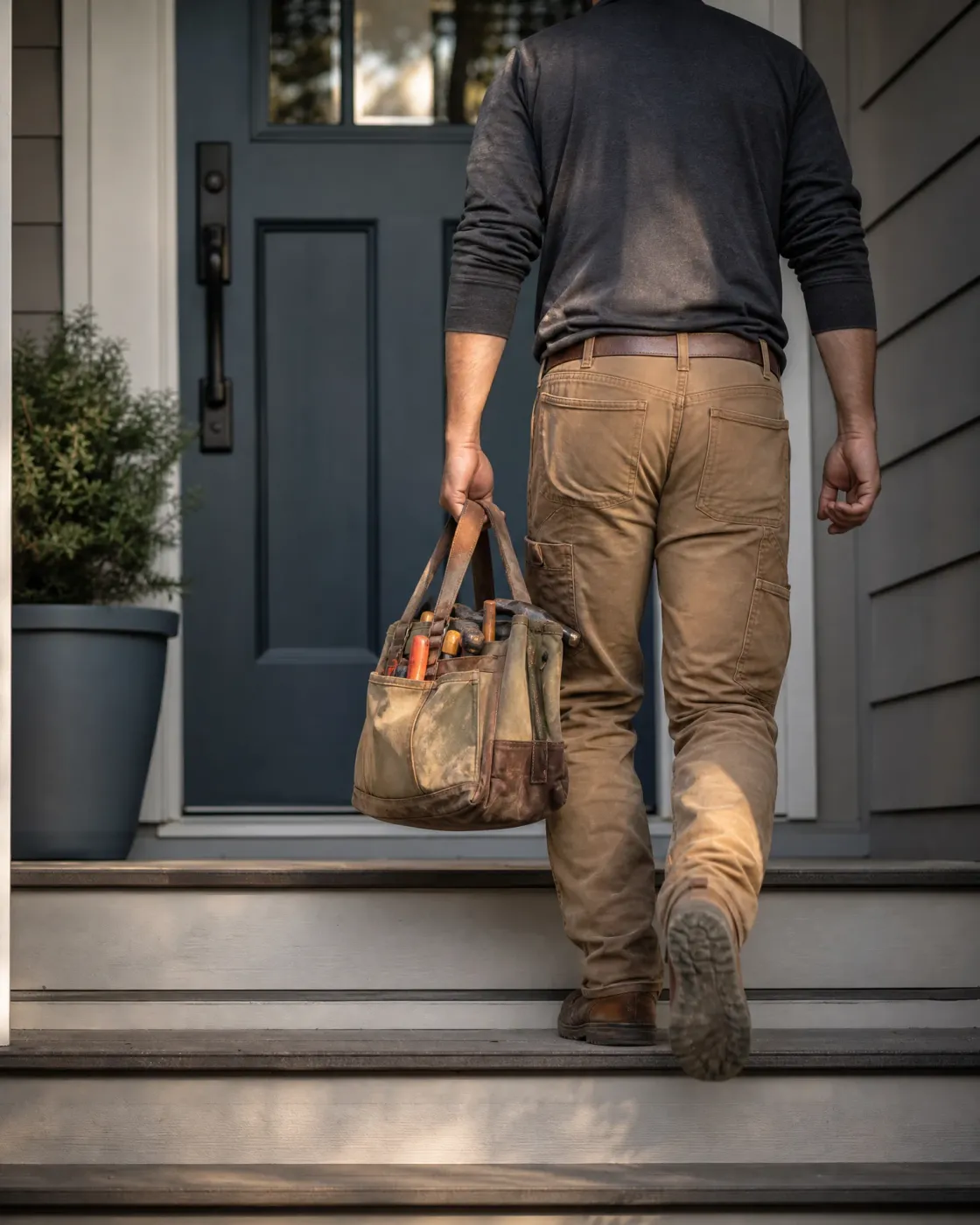
A person in a dark long-sleeve shirt and tan work pants, seen from behind, carries a canvas tool bag while stepping up porch stairs toward a dark blue front door.
A gas furnace with attached ductwork, gas piping, and condensate lines installed in a concrete-block basement.

Eight Months a Year, Not a Few Weeks

Eight months of heat is most of the year. Once it starts in October, this furnace runs close to every day until May. That's a lot of cycles on the igniter and the blower motor, and a lot of hours for a weak part to get found out. A system sized and installed right carries that load without strain. One that's undersized or cutting corners shows it earlier here than it would somewhere milder.

The Old Furnace Doesn't Come Out First

A contractor gets the new furnace set, the gas line connected, and the venting run before the old unit comes out of the way for good. Heat stays available through most of the swap instead of the house going cold for days. The last step is disconnecting the old gas and electrical lines and pulling the unit out through the same path it went in.

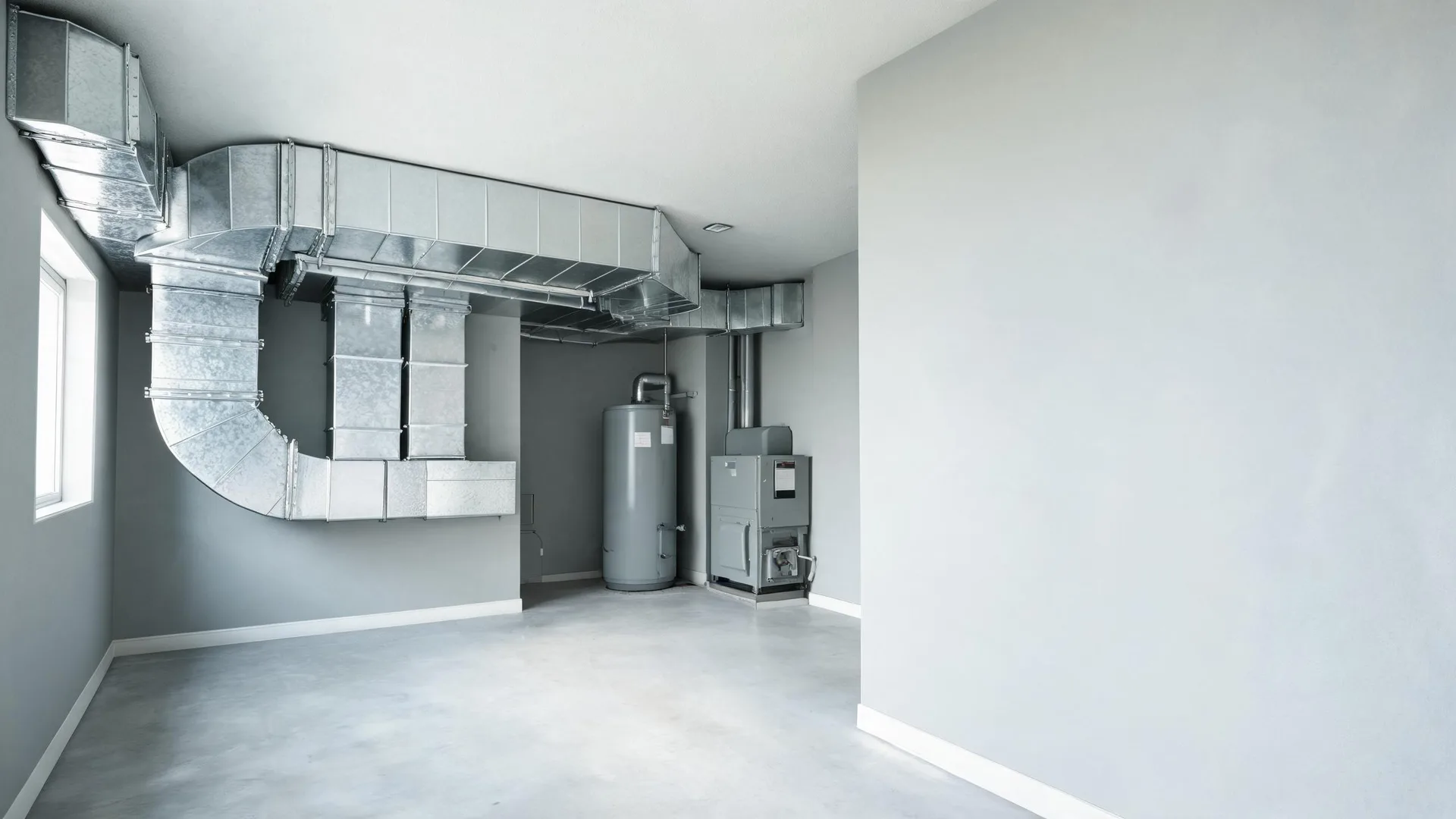
Where It Goes After That

A furnace is mostly steel, and scrap haulers take it for the metal alone. Some contractors fold removal and haul-away into the install, others charge separately or leave it to the homeowner, so it's worth asking which before the job starts. Either way, the old furnace does not get left behind for the next person to deal with.

An unfinished basement containing a metal furnace with ductwork, exposed wooden joists on the ceiling, cardboard boxes, a coiled cable, and a single hanging incandescent bulb.

A high-efficiency gas furnace would save about $120 a year to run in Berrien County compared with a gas furnace.

  • A high-efficiency gas furnace$550 a year
  • A gas furnace$670 a year

Estimates for a typical Berrien County home, from EIA household energy data, Michigan fuel prices and NOAA climate normals. Your home will differ.

Install day starts with a walkthrough. The contractor checks where the furnace sits now, where the new one will sit, and whether the vent and gas line need to change to fit it. Once that's settled, the old unit gets disconnected and the new furnace is set in place, leveled, and secured. Gas line, venting, and ductwork get connected next, then the electrical and thermostat wiring. Before anyone leaves, the system gets fired up and checked: gas pressure, airflow, temperature rise, and the controls that shut it down if something's wrong. A combustion analyzer gets run to confirm the furnace is burning clean. None of that happens out of order, because each step depends on the one before it holding up.