

A gray forced-air furnace with metal ductwork stands in an unfinished basement with exposed wooden joists, concrete walls, and a single hanging light bulb.

Furnace Installation in Caro, MI

Tell us about the job

Takes about a minute. No obligation.

New system or replacementFurnace or heatingTuscola County, MI
Step 1 of 2

What ZIP code is the job in?

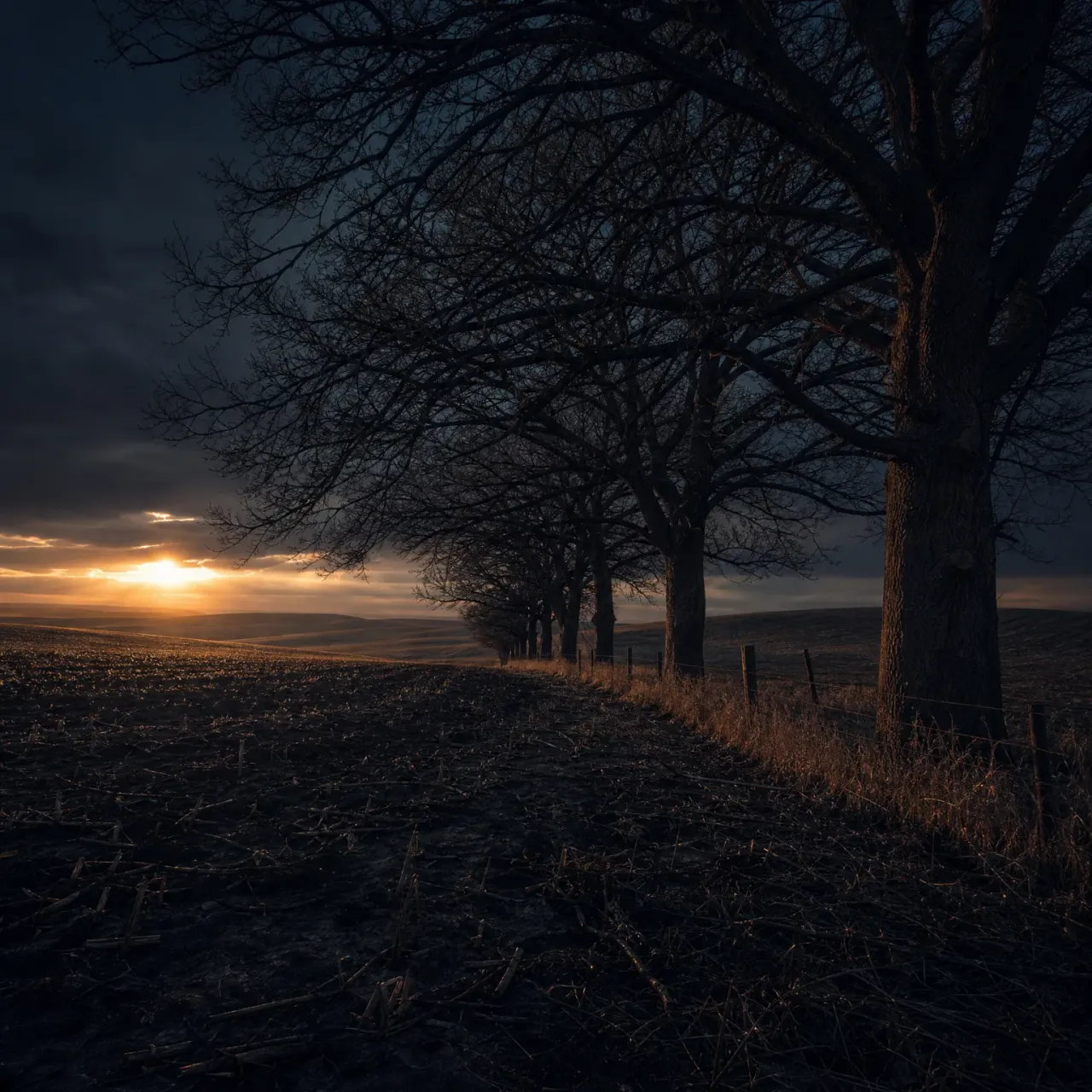
Tuscola County saw 87 severe weather events between 2015 and 2024. Most of that was wind, 59 events, with 14 winter storms and 6 tornadoes mixed in. A furnace does nothing for you in a house with no power, and across Michigan more than a third of households went at least a day without it in 2024. A new furnace is a chance to plan for that before it happens again, not after.

8 months
October through May, your furnace is on duty
18°F
the average winter night it heats against
80% AFUE
the federal minimum any new unit must meet
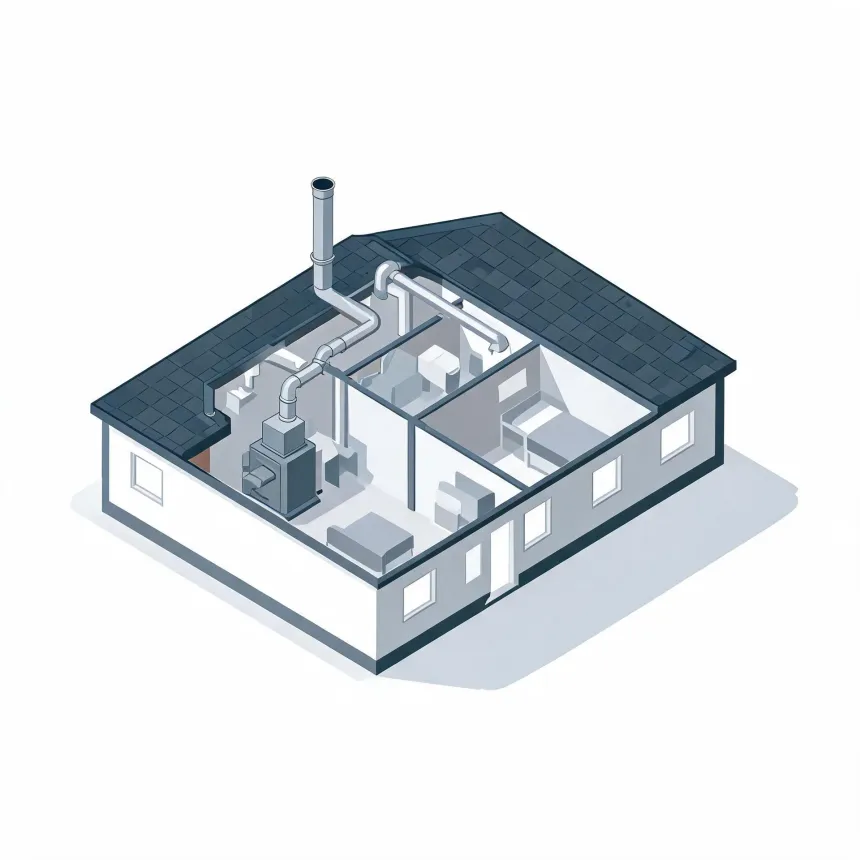
Isometric cutaway illustration of a single-story house with a dark shingled roof, showing interior rooms with furniture and a furnace connected to ductwork and a flue pipe extending above the roof.
Your furnace works hardest from November through March.

NOAA nClimDiv, 1991–2020 normals

Furnaces here start running in October and go through May.

Get the new one in during September, before the house needs it.

Gas heats most homes here, so your replacement furnace probably runs on it too

45.2% of homes heat with gas
Heat runs October through May
Winter nights average 18°F
Eight Months of Work a YearFurnaces here run October through May, close to two thirds of the year.

Half the homes in Tuscola County were built in 1971 or earlier. A furnace going into a house that age has to work with whatever ductwork and venting were put in decades ago, not a layout designed around today's equipment. That doesn't rule anything out, but it's worth having the installer check your duct sizing and venting before they recommend a unit, rather than after it's already in. A furnace sized for a new build won't necessarily perform the same way in a house that old, even if the square footage looks similar on paper. If your system came with the house, there's a decent chance it was the original, and whatever was built around it was built around that unit, not the one going in now.

Plan the new furnace around the outages, not just the cold

A furnace installed now is a chance to decide where the outdoor venting goes and how the system holds up when the power drops, before a storm makes that decision for you. Ask the installer about backup options for keeping heat running when the lines go down.

Find a contractor
A gray high-efficiency gas furnace installed in an unfinished basement, surrounded by gas lines, a condensate drain, and sheet-metal ductwork.

Sized for eight months, not guessed at

Eight months of runtime already wears a furnace down faster than it would in a milder state. The question for a new install is whether it's sized to carry that load without cycling harder than it has to. An oversized unit short cycles, turning on and off more than it should, and that's its own kind of wear. An undersized one runs close to flat out trying to keep up on the coldest days. Either way shows up early, as a repair call well before the furnace is due for one. A load calculation on the house, not a guess based on square footage, is what gets the size right before the unit goes in.

The rating tells you about the fuel, not the comfort

The efficiency rating on a furnace measures how much of the fuel it burns turns into heat in the house versus what goes out the flue. A higher rated furnace wastes less gas doing the same job. It says nothing about how evenly that heat gets distributed, how quiet the unit runs, or how it handles a really cold stretch. Two furnaces with the same rating can feel different in the same house depending on how the rest of the system is set up.

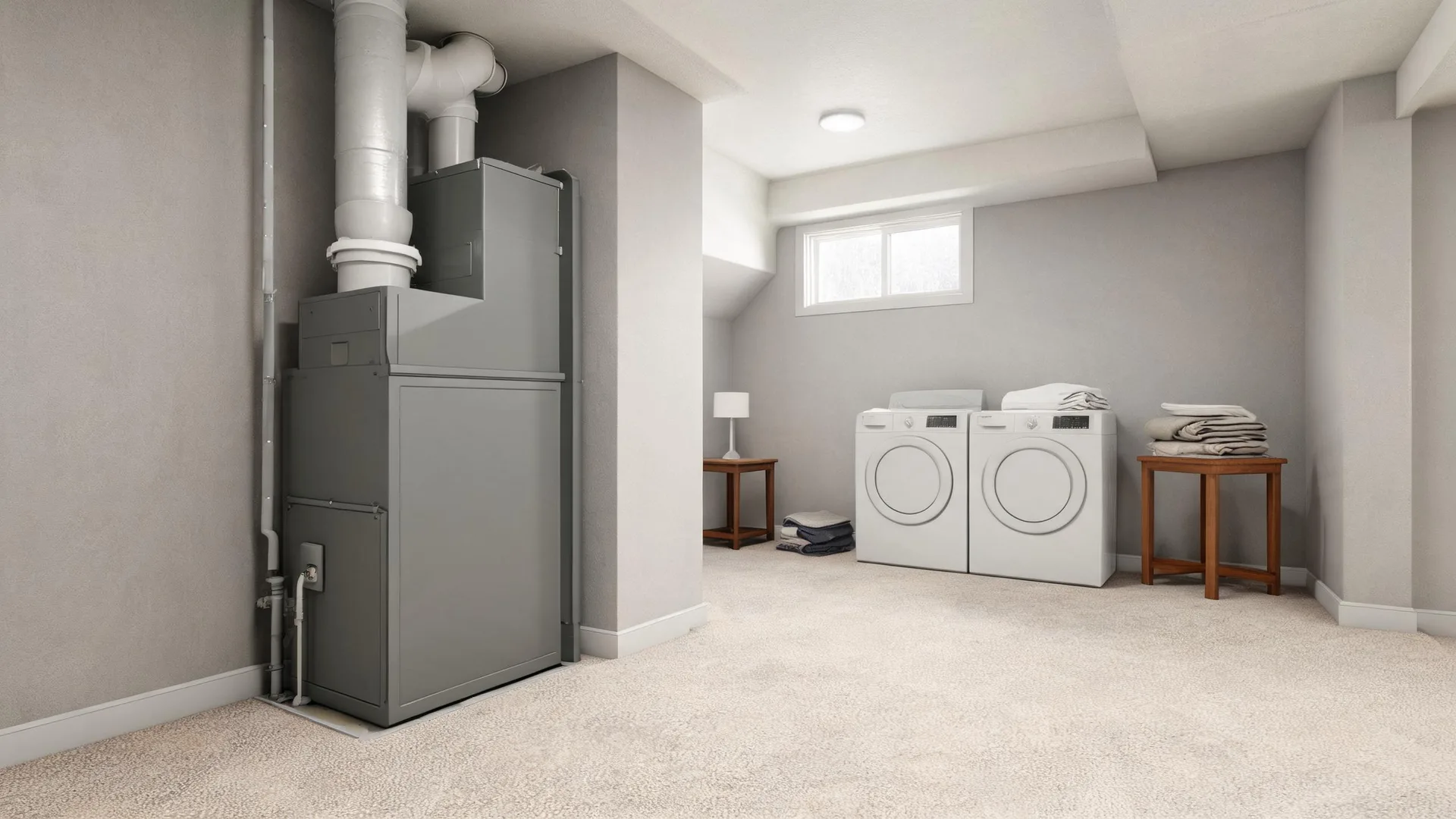
A higher rated furnace changes what's on the outside wall

Furnaces with a higher efficiency rating condense exhaust gas into water as part of getting more heat out of the fuel, so they vent through PVC pipe out a side wall instead of a metal flue through the roof. That means a condensate drain line has to go somewhere, and the vent termination needs clearance from windows, doors and anything that could block it. Picking the rating isn't just picking a number off a label. It decides where the installer can run the vent and what else has to move to make room for it.

An unfinished basement featuring concrete block walls, exposed floor joists, a bare concrete floor, and a forced-air furnace with a large metal exhaust duct in the corner.

A high-efficiency gas furnace would save about $130 a year to run in Tuscola County compared with a gas furnace.

  • A high-efficiency gas furnace$610 a year
  • A gas furnace$740 a year

Estimates for a typical Tuscola County home, from EIA household energy data, Michigan fuel prices and NOAA climate normals. Your home will differ.

Installation day starts with the old furnace coming out, and that alone can take a few hours if the ductwork or venting around it has to be adjusted. The installer sets the new unit, connects the supply and return plenums, and runs the gas line to it. Electrical comes next, the power feed and the thermostat wire, along with the control board hookups that let the furnace talk to the thermostat. Venting gets run according to what that furnace needs, whether that's a metal flue or PVC pipe, and it has to meet clearances around windows and doors before anything gets sealed. Once it's all connected, the installer fires it up, checks the gas pressure, and watches the heat exchanger and burners through a full cycle to make sure everything's reading right. The last step is going through the thermostat settings with the homeowner and pointing out where the filter sits and how often it needs changing.