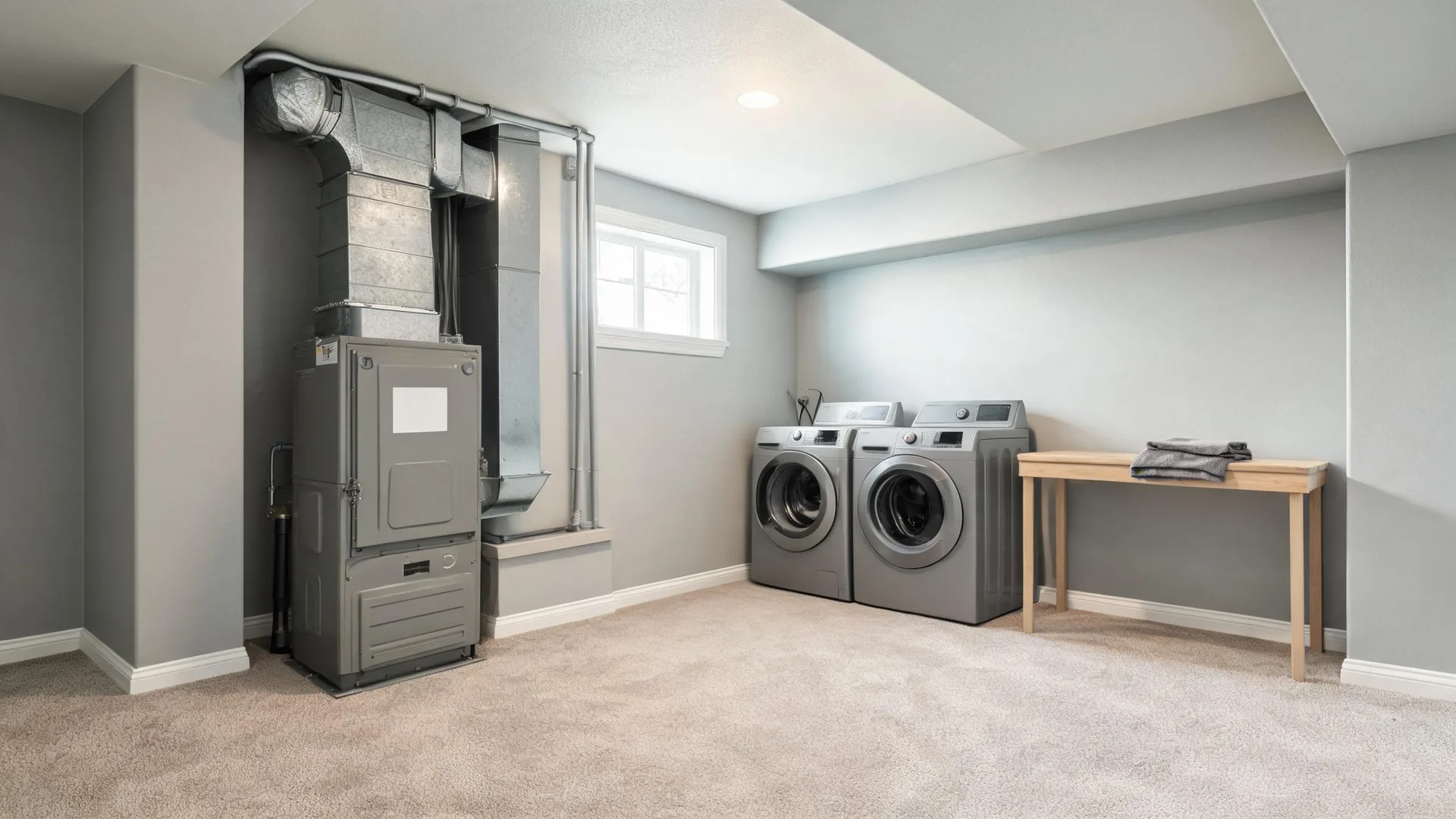
Half the homes here were built in 1971 or earlier
Sandusky sits in Sanilac County, where half the homes went up in 1971 or earlier. A furnace going into a house that age is often replacing whatever setup came after the original, not a first install.
Takes about a minute. No obligation.
Sandusky sits in Sanilac County, where half the homes went up in 1971 or earlier. A furnace going into a house that age is often replacing whatever setup came after the original, not a first install.
An older home can mean duct runs that were sized for a different furnace, or a layout that's changed since the ductwork went in. Worth having the installer check sizing and duct fit before swapping in a new unit, rather than matching the old one on paper.
NOAA nClimDiv, 1991–2020 normals
Furnaces in Sanilac County run from October through May, close to eight months of the year.
Eight months of heat a year calls for a furnace sized to this house, not just swapped in to match the old one.

October is when heat gets turned on here, so September is the month to have a new furnace already running. Wait until the first cold week and you're choosing equipment under pressure, taking whatever the installer has on hand instead of what fits your house. A September install gives the installer time to check duct sizing and run the furnace through a full cycle before it has to work. Sanilac County homes lean on their furnace for about eight months straight, October through May. That's a long stretch to find out mid-winter that something was sized wrong.
If you're replacing a system in an older house, the new one has to fit the house you have.
Find a contractor
Overnight lows here average 19°F through December, January and February, and the furnace runs from October into May to keep up with that. That's the stretch where an undersized unit gets found out, running flat out and still losing ground on the coldest nights. Get the sizing checked against this house before you buy, not just against what the old unit was rated for.
An oversized furnace heats the house fast, shuts off, and starts again a few minutes later. That short cycling keeps the house swinging between too warm and cooling off. It also wears out the parts that start the burner more than steady runtime ever would.
A proper sizing job, called a Manual J, adds up the house room by room. Window area, insulation, ceiling height, air leaks, how walls face the sun, all of it factors in. The old furnace's rating doesn't count for anything here. Houses with the same floor plan can still need different sized furnaces depending on what's built into the walls.
Estimates for a typical Sanilac County home, from EIA household energy data, Michigan fuel prices and NOAA climate normals. Your home will differ.
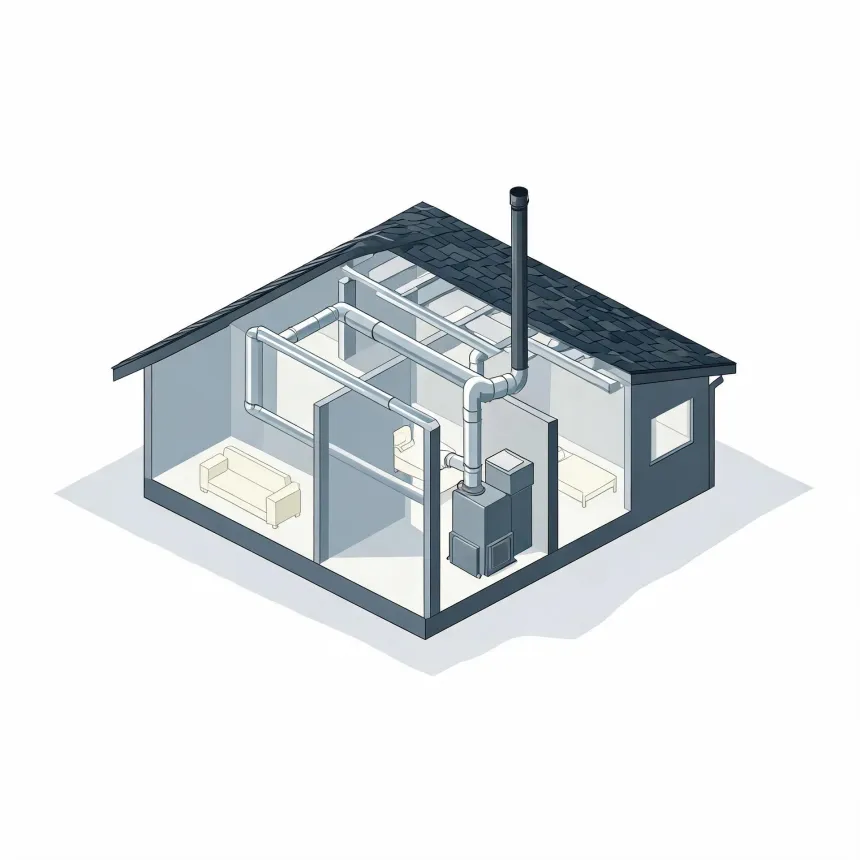
Install day starts with the old furnace coming out, along with the vent pipe and gas line connections that fed it. The installer sets the new unit, levels it, and connects the ductwork, gas line, and vent pipe, then wires it to the thermostat. Gas connections get pressure tested before anything is fired up. The vent pipe gets checked for the right pitch so exhaust actually leaves the house instead of backing up. Once it's hooked up, the furnace runs through a full cycle. Burners firing, blower moving air, flame sensor and limit switch both checked while it's running. Airflow gets checked at the registers too, since a furnace can be wired right and still move too little or too much air if a duct run is off. A good install ends with the furnace running on its own, not with someone standing over it.