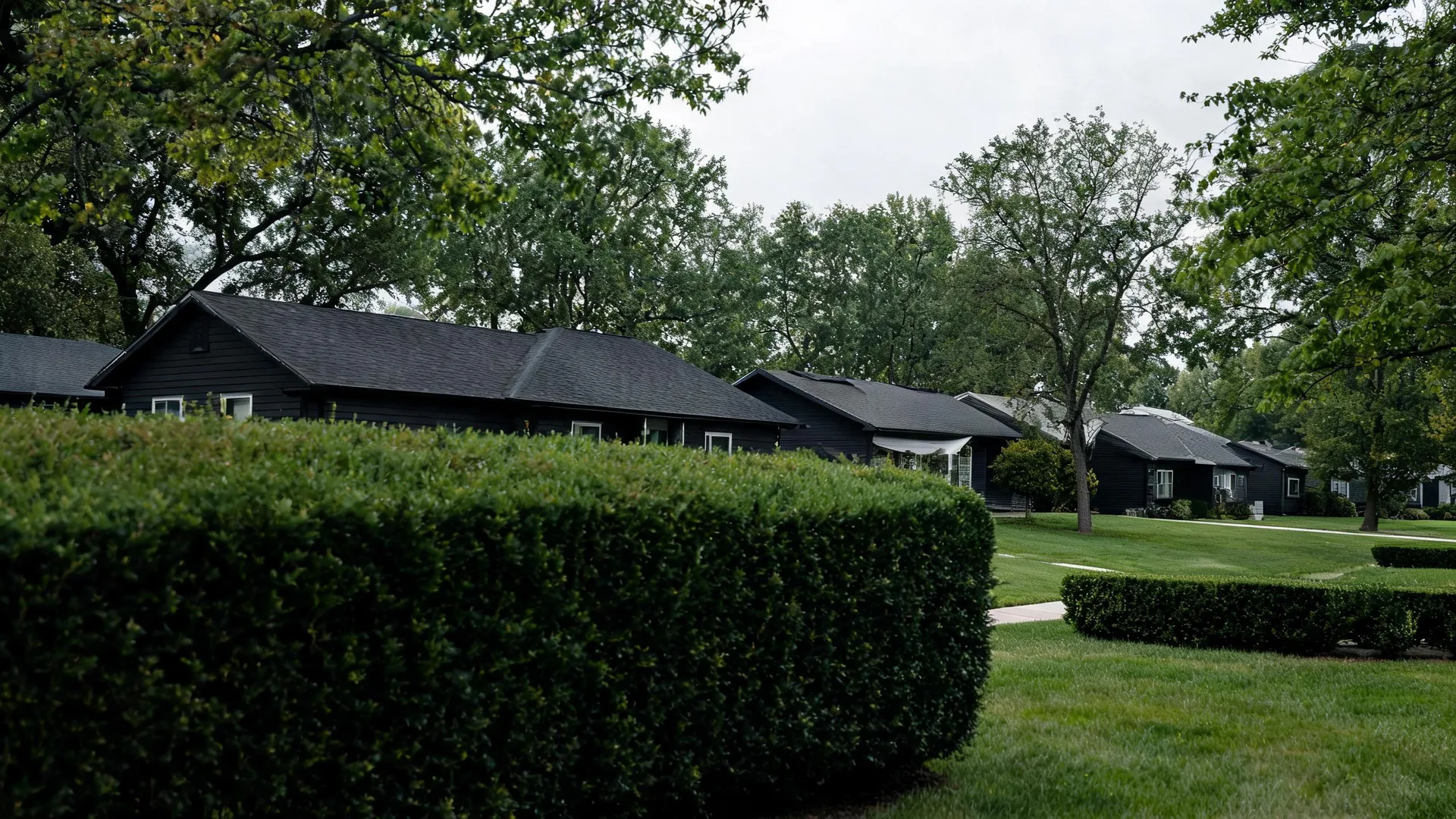





A row of dark-painted single-story houses with gray shingled roofs behind a tall trimmed hedge, with mown lawn, a walkway, and leafy trees under an overcast sky.

Furnace Installation in Charlotte, MI

Tell us about the job

Takes about a minute. No obligation.

New system or replacementFurnace or heatingEaton County, MI
Step 1 of 2

What ZIP code is the job in?

Utility gas heats 63.0% of occupied homes in Eaton County, meaning most houses in Charlotte already have the gas line and venting a furnace needs. That's the system installers here work with most, and it's why replacing a gas furnace with another gas furnace is usually the simplest path. Electricity heats 15.2% of homes, and propane another 13.7%, mostly in houses without gas service nearby. If your old furnace ran on gas, the venting and gas line are already sized and placed for it. Switching fuels is possible, but it means rerouting or adding what the house doesn't already have, work a like-for-like swap skips entirely.

8 months
October through May, your furnace is on duty
19°F
the average winter night it heats against
63%
of homes here heat with gas, so most furnaces here burn gas
80% AFUE
the federal minimum any new unit must meet
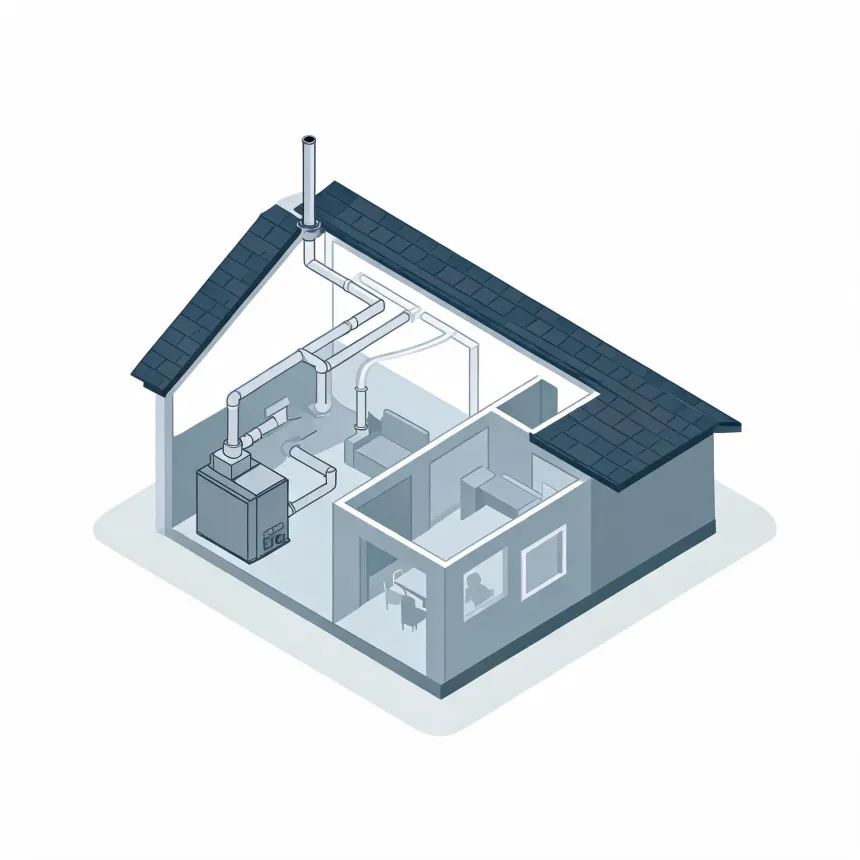
Isometric cutaway illustration of a single-story house showing interior rooms, a furnace unit with connected ductwork, and a flue pipe extending through the dark shingled roof.
Your furnace works hardest from November through March.

NOAA nClimDiv, 1991–2020 normals

Gas in Michigan ran $10.21 per million Btu in 2024.

A standard-efficiency furnace sized right for the house is the one to install here, not an oversized or premium unit.

A furnace sized for this house is all this county asks for

Half the homes here were built by 1977
Heat runs October through May
Winter nights average 19°F

Furnace here runs from October through May, about eight months of the year. September is the month before that starts, and it's the better time to replace a furnace than waiting for the first cold morning. An installer working in September has time to size the unit for the house and check the gas line and venting without rushing. Wait until the house actually needs heat and you're choosing between a rushed install or a few cold nights while a unit gets ordered in. Put a new furnace in during September and it gets a full eight months to show any problems while it's still easy to get someone back out.

Eaton County asks for 80 percent AFUE, nothing more

Any furnace installed in Eaton County now has to reach 80 percent AFUE. That's the federal minimum for gas furnaces built from November 2015 on. A standard-efficiency furnace clears that bar without trouble, which is why it's the right call for most houses here rather than paying more for a high-efficiency model the climate doesn't require.

Find a contractor
A man in a dark shirt and brown work pants, seen from behind, carries a worn canvas tool bag up porch steps toward a dark front door, with a potted shrub to the right.
A gray residential gas furnace installed in an unfinished basement, connected to sheet-metal ductwork and PVC pipes.

Eight months of heat, and nineteen degrees to fight

Eight months of heat a year, and the overnight average through December, January and February sits at 19°F. That's the load a new furnace here is sized against, not a mild stretch with a few cold snaps thrown in. A furnace that size runs long hours most of the winter, and that's normal for this county. It's why getting the size right matters more than picking a brand. Too small and it never stops running trying to catch up. Too big and it short-cycles, wearing the igniter and the heat exchanger sooner than they should.

Size comes from a room by room heat loss calculation

A contractor measures every wall, window and ceiling in the house and figures out how fast each room loses heat in the cold. That total, not the size of the old furnace, is what tells them what size to install. Going by the old unit just repeats whatever mistake was made last time, if one was.

The wrong size shows up long before it fails

A furnace too big for the house heats it fast, shuts off, then starts again a few minutes later. That short cycling puts more wear on the igniter and the heat exchanger than steady running ever would. A furnace too small never gets that rest. It runs constantly and still leaves the far rooms cold on the worst nights.

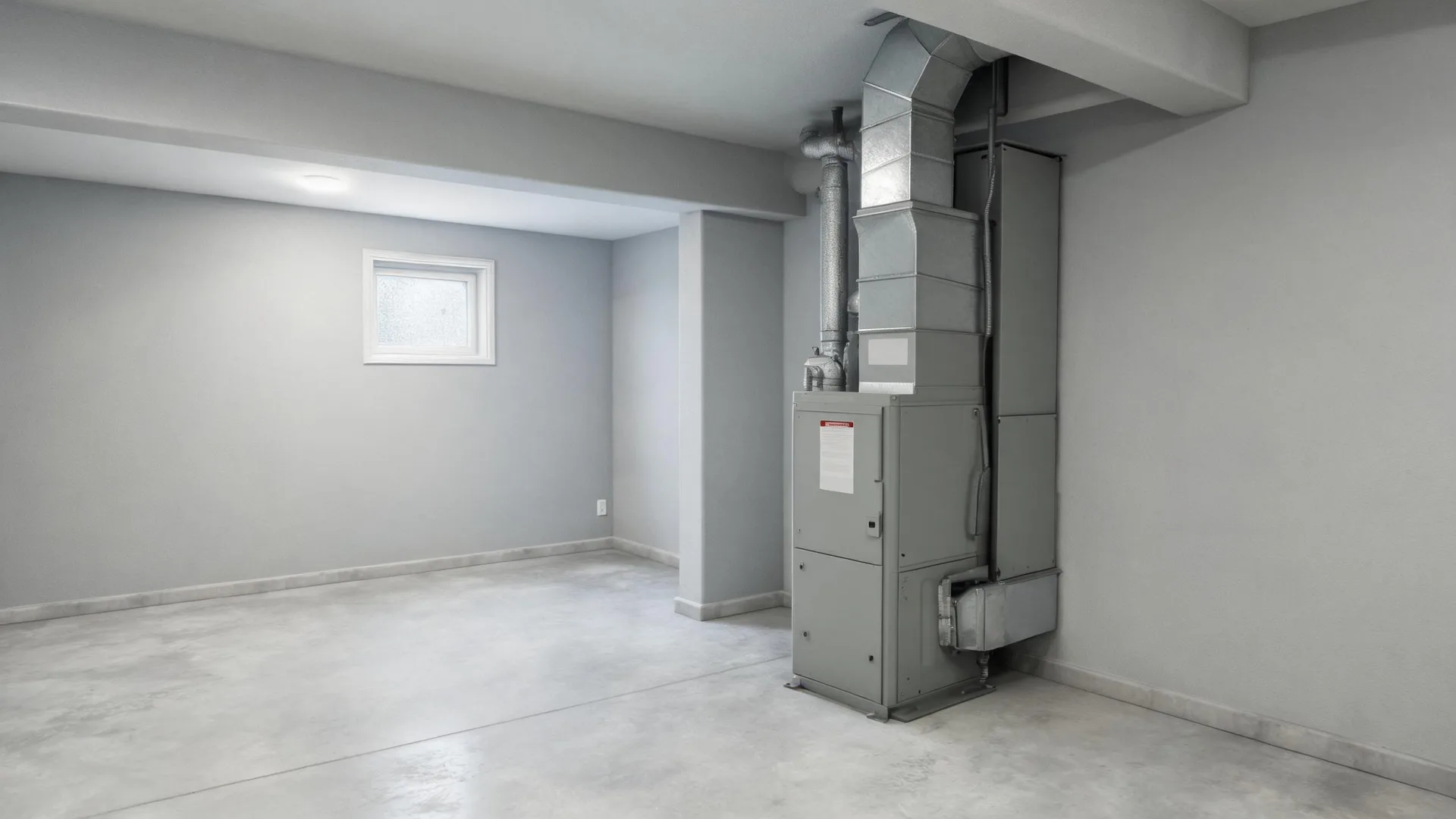
An empty unfinished basement containing a forced-air furnace with overhead ductwork, exposed ceiling joists, and a single hanging light bulb.

A high-efficiency gas furnace would save about $120 a year to run in Eaton County compared with a gas furnace.

  • A high-efficiency gas furnace$600 a year
  • A gas furnace$720 a year

Estimates for a typical Eaton County home, from EIA household energy data, Michigan fuel prices and NOAA climate normals. Your home will differ.

Installation day starts with the old furnace coming out, along with the flue pipe and gas line fittings if they're being swapped rather than reused. The installer sets the new cabinet, connects the gas line, and checks it for leaks before anything else happens. Duct connections come next, sealed where they meet the furnace so air isn't leaking out before it reaches the rooms. Venting gets connected and checked for the right slope and clearance, since a furnace that vents wrong can push exhaust back into the house instead of outside. Once it's wired and the gas is on, the installer runs the furnace through a full cycle, checking the flame, the temperature rise across the heat exchanger, and the airflow at the vents. A furnace isn't done until it's been run long enough to prove it holds steady, not just that it turns on.