



A nighttime view of a tree-lined residential street with illuminated two-story brick houses and street lamps.

Furnace Installation in Sturgis, MI

Tell us about the job

Takes about a minute. No obligation.

New system or replacementFurnace or heatingSt. Joseph County, MI
Step 1 of 2

What ZIP code is the job in?

St. Joseph County logged 122 severe weather events between 2015 and 2024. Damaging wind caused 88 of them. Add 16 winter storms, 14 hail events, and 4 tornadoes, and that's most years with something hitting the area. A furnace is only as good as the power behind it, and statewide, 34% of Michigan households lost power for 24 hours or more in 2024. A furnace with no power doesn't run no matter how new it is. That record is worth factoring in before the install, not after the first outage.

8 months
October through May, your furnace is on duty
20°F
the average winter night it heats against
61%
of homes here heat with gas, so most furnaces here burn gas
80% AFUE
the federal minimum any new unit must meet
Isometric cutaway illustration of a house with a shingled gable roof, showing a gray furnace unit connected to overhead ductwork and a chimney flue, with simplified furniture in the rooms below.
Your furnace works hardest from November through March.

NOAA nClimDiv, 1991–2020 normals

Gas heats 61.2% of homes in St. Joseph County.

A gas furnace is the easiest install here, since the gas line and venting are usually already in place.

Eight months of heat is a long time to find out the hard way

Heat runs October through May
Winter nights average 20°F
Climate zone 5A

Furnace here runs October through May. That's eight months out of twelve, not a quick stretch in the cold months. A unit sized wrong for the house will short cycle through that whole run, and the wear shows up early. Get the size matched to the square footage and the ductwork it's tied into, not just the number on the quote. The cheapest furnace to install isn't the cheapest one to run for eight months straight.

Plan for the outage before the furnace goes in

A new furnace still needs power to run, so it's worth asking the contractor how it's wired for that before install, not after. A battery backup or a transfer switch for a generator can keep it running when the lines go down. Worth asking where the outdoor venting sits, too, clear of where snow and ice tend to pile up.

Find a contractor
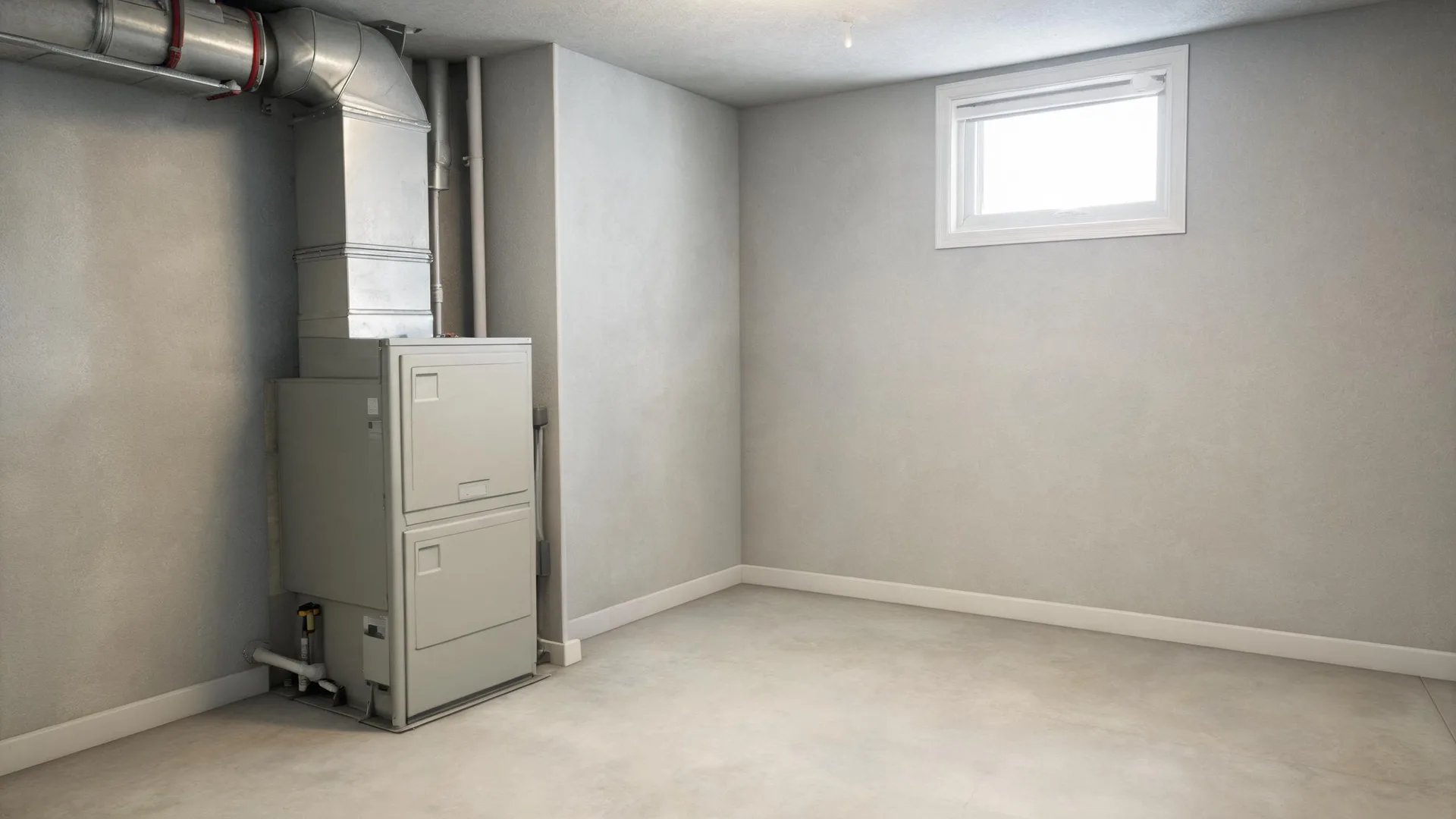
A gray high-efficiency gas furnace installed in an unfinished basement, surrounded by gas lines, a condensate drain, and sheet-metal ductwork.

Half these homes were built in 1970 or earlier

A furnace going into a house that age is working with whatever ductwork and venting came before it, not a clean slate. That doesn't mean the old setup is wrong for the new unit, but it's worth having the contractor check the duct sizing and the venting path before install rather than assuming they'll match whatever furnace shows up on the truck. A furnace sized and vented for the house it's actually going into holds up better than one sized off a chart.

The size of the unit sets the price first

A furnace is priced by the heat it can put out, and that number has to match the house. Going bigger than the house needs doesn't buy comfort, it buys short cycling and early wear on the heat exchanger. The only way to get the size right is a load calculation on the actual house, not a guess based on the old unit.

What it hooks into costs as much as the furnace itself

The furnace sitting in the showroom isn't the whole job. Ductwork that's undersized or leaking has to be corrected or the new unit will never heat the way it's rated to. Venting has to run the right material and the right distance for the type of furnace going in. None of that shows up on the sticker price of the unit, but it shows up on the invoice.

An unfinished basement containing a metal furnace with ductwork, exposed wooden joists on the ceiling, cardboard boxes, a coiled cable, and a single hanging incandescent bulb.

A high-efficiency gas furnace would save about $120 a year to run in St. Joseph County compared with a gas furnace.

  • A high-efficiency gas furnace$570 a year
  • A gas furnace$690 a year

Estimates for a typical St. Joseph County home, from EIA household energy data, Michigan fuel prices and NOAA climate normals. Your home will differ.

Installation starts with the old furnace coming out, along with whatever venting and ductwork connections won't carry over to the new one. The new unit gets set in place, then connected to the supply and return ducts, the gas line, and the vent. Electrical and any control wiring gets run next, tying the furnace to the thermostat. Once it's hooked up, the contractor fires it up and checks the flame, the gas pressure, and the temperature rise across the heat exchanger. Airflow gets checked at the registers to make sure the ductwork is moving what the furnace is putting out. The last step is sealing up the venting and connections and walking through the thermostat settings before calling it done.