

An unfinished basement featuring exposed ceiling joists, a metal HVAC unit with round ductwork, a hanging light bulb, and scattered boxes and debris along the left wall.

Furnace Installation in Traverse City, MI

Tell us about the job

Takes about a minute. No obligation.

New system or replacementFurnace or heatingGrand Traverse County, MI
Step 1 of 2

What ZIP code is the job in?

Grand Traverse County falls under zone 6A, the cold end of the 2021 energy code. Any furnace installed here has to be built for that rating, not a warmer one. Right now that means at least 80 percent of the gas it burns has to turn into heat over the winter. That minimum goes up to 95 percent for furnaces made on or after December 18, 2028, so what counts as compliant will change for units built after that date. A federal tax credit is available for qualifying high-efficiency furnaces, worth checking against whatever model you're considering.

9 months
September through May, your furnace is on duty
16°F
the average winter night it heats against
73%
of homes here heat with gas, so most furnaces here burn gas
80% AFUE
the federal minimum any new unit must meet
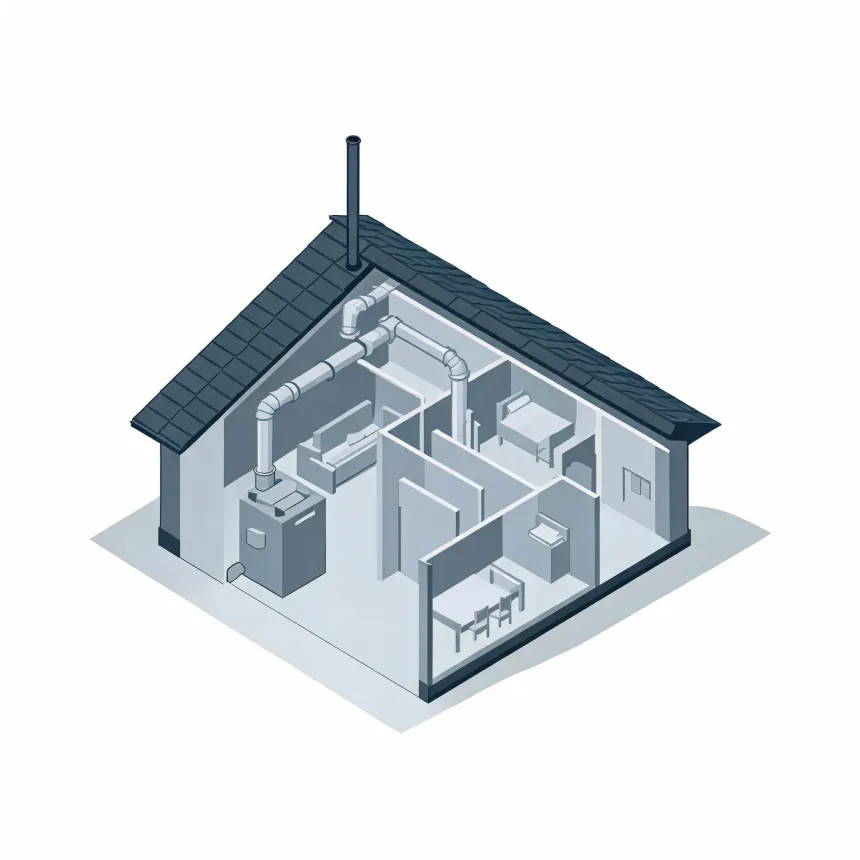
Isometric cutaway illustration of a small single-story house showing interior rooms with furniture, a furnace unit with attached ductwork running to a roof flue, and a dark shingled roof.
Your furnace works hardest from November through April.

NOAA nClimDiv, 1991–2020 normals

Furnaces here run from September through May.

Nine months of work a year means the furnace you pick has to hold up, not just fit the budget.

Nine months of heat start in September. Have the new furnace in before then.

Heat runs September through May
Winter nights average 16°F
Climate zone 6A

Gas heats 72.7% of the homes in Grand Traverse County, more than every other fuel combined. Another 11.6% run on bottled or LP gas, so well over four out of five homes here are burning some form of gas already. If that's what's in your house now, a gas furnace is the straightforward replacement. The venting, the gas line, the thermostat wiring, all of it is already set up for the fuel you're staying with. Electric furnaces and heat pumps exist, but they're a smaller slice here for a reason, and switching fuels on a furnace job adds cost and work that a like-for-like swap doesn't.

Meet the standard here

A new system here has to meet this region's minimum efficiency, which limits what can go in.

Find a contractor
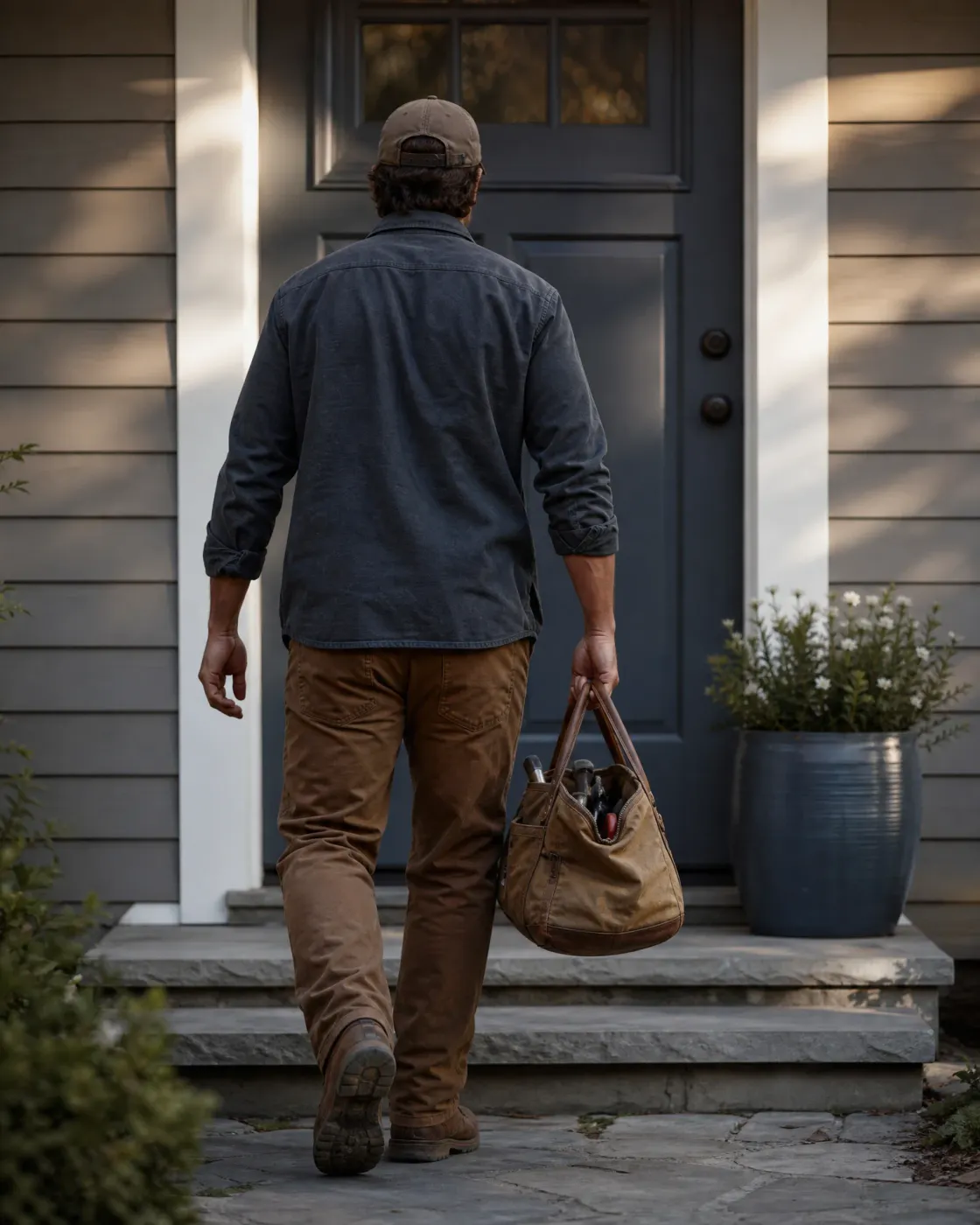
A man in a cap, dark shirt and brown work pants walks up stone steps toward a gray front door, carrying a canvas tool bag in his right hand, with a potted plant beside the porch.
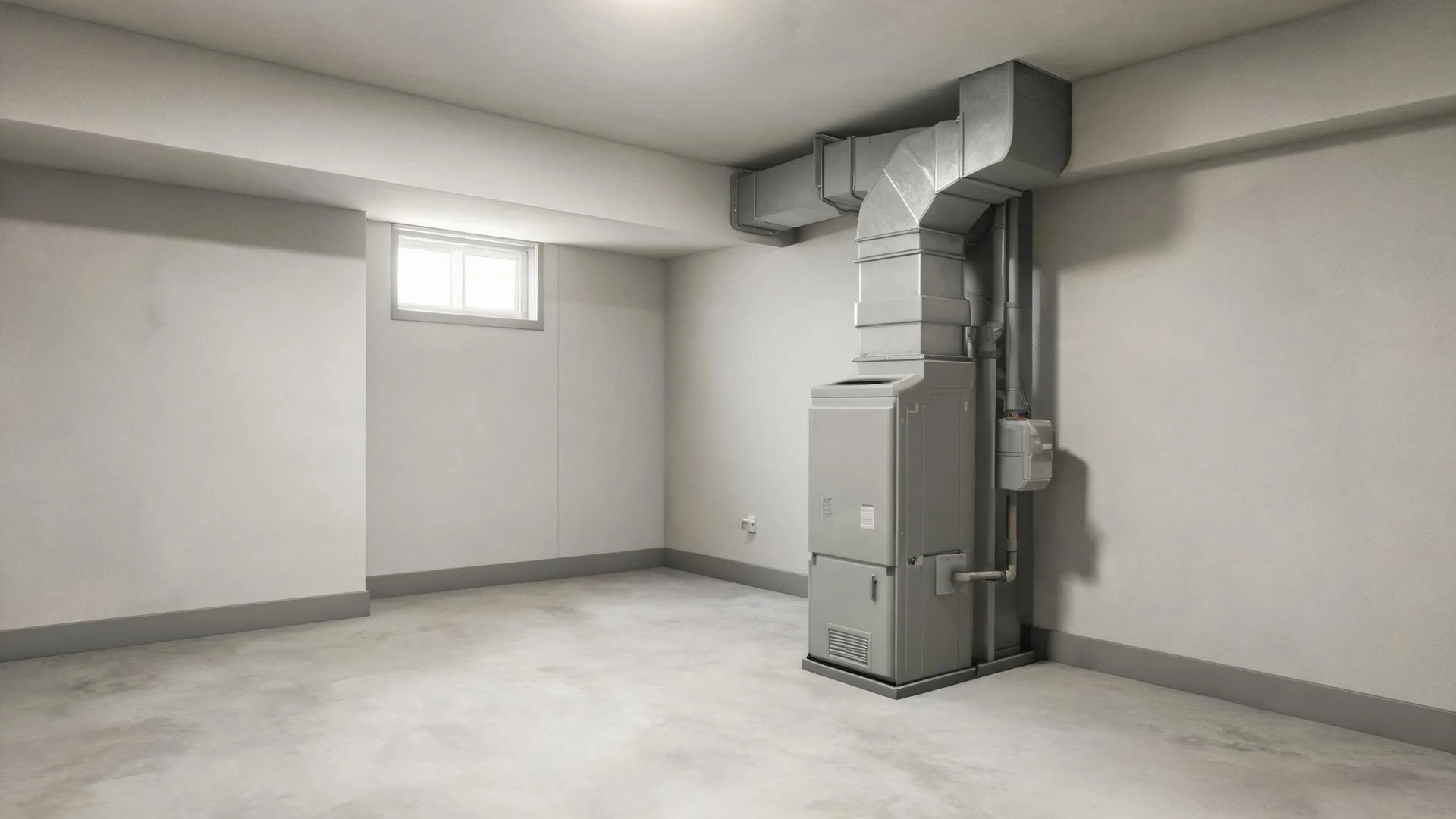
A gray residential gas furnace installed in an unfinished basement, connected to sheet-metal ductwork and PVC pipes.

Nine months a year, not a few weeks

Nine months a year this furnace is running, not just warming the place up on cold mornings. September through May, it cycles on and off whether anyone's watching it or not. A unit sized for a milder place would be working past its limit most of that time. One sized for this load just runs. The igniter, the blower motor, the heat exchanger, all of them log more hours here than they would almost anywhere else. That's the case for picking a furnace rated for the job in front of it, not just the one that fits the budget today.

The old furnace gets disconnected and hauled out

The gas line gets capped or rerouted, the vent connector comes down, and the ductwork or plenum gets opened up for the new unit. If the old furnace shared a flue with the water heater, that flue gets checked and resized, because a flue built for two appliances often drafts wrong with only one left on it.

What's left behind matters as much as what's new

A new furnace dropped onto an old plenum, old wiring, or a flue sized for a different unit won't run the way it's rated to. Whoever installs it has to check the venting, the gas line, and the ductwork against the new furnace's specs, not just swap boxes and walk away.

A gray forced-air furnace with ductwork stands in an unfinished concrete basement surrounded by storage items and clutter.

A high-efficiency gas furnace would save about $150 a year to run in Grand Traverse County compared with a gas furnace.

  • A high-efficiency gas furnace$670 a year
  • A gas furnace$820 a year

Estimates for a typical Grand Traverse County home, from EIA household energy data, Michigan fuel prices and NOAA climate normals. Your home will differ.

Installation day starts with pulling the old furnace out, and that part goes fast. The work that takes the time is everything around it. The installer checks the ductwork for the right size and seals the joints where it connects to the new unit, because a leaky plenum connection wastes heat before it ever reaches a room. The gas line gets connected and tested for leaks before anything is fired up. The vent gets run and checked for proper slope and clearance, since a furnace that drafts wrong can backdraft exhaust into the house instead of outside. Once it's hung and connected, the installer fires it up, checks the temperature rise against the manufacturer's spec, and adjusts the gas pressure and blower speed to match. A furnace that's never been started up and tuned on site is still a guess, not a finished job.