




An unfinished basement interior showing a gray furnace unit beneath a bare incandescent bulb, surrounded by exposed joists, concrete walls, cardboard boxes, and utility pipes.

Furnace Installation in St. Johns, MI

Tell us about the job

Takes about a minute. No obligation.

New system or replacementFurnace or heatingClinton County, MI
Step 1 of 2

What ZIP code is the job in?

Gas heats 62.3 percent of homes in Clinton County, more than every other fuel combined. Another 17.8 percent run on bottled or LP gas, so between the two, most furnaces here are built around a gas line rather than straight electric. If your home already has a gas furnace, replacing it with another gas furnace is the straightforward path. The contractor sizes the new unit to your house and connects it to the venting and gas line already in place. Electric heat and oil both show up in smaller numbers here, so if your home runs on one of those, say so up front since it changes what the installation involves.

8 months
October through May, your furnace is on duty
19°F
the average winter night it heats against
62%
of homes here heat with gas, so most furnaces here burn gas
80% AFUE
the federal minimum any new unit must meet
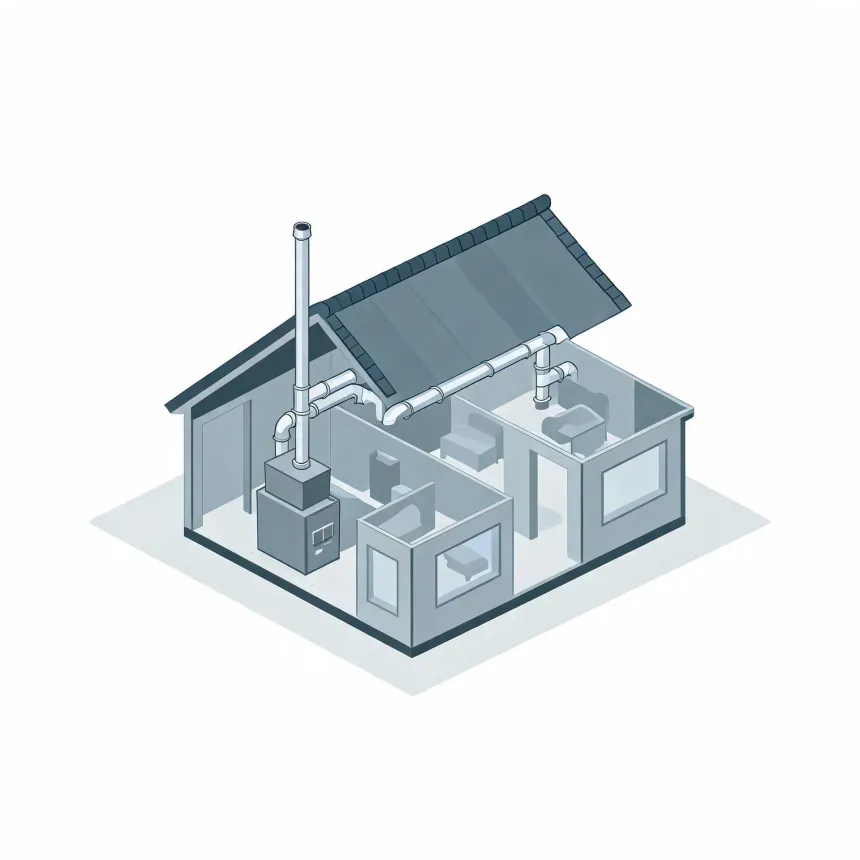
Isometric grayscale illustration of a cutaway house showing an interior furnace with a tall flue pipe and ductwork running to rooms under a partially lifted roof.
Your furnace works hardest from November through March.

NOAA nClimDiv, 1991–2020 normals

Furnaces in Clinton County run about eight months a year, October through May.

Overnight lows averaging 19°F in winter keep a furnace cycling on for most of the night, not just a few cold snaps.

What a standard furnace already handles here

31 severe weather events from 2015 to 2024
34% of homes statewide lost power a day or more in 2024
17 damaging wind events from 2015 to 2024

October is when furnaces here get switched on for the winter, which makes September the month to have a new one already in. Wait until the first cold morning and you're choosing a system under pressure, taking whatever the contractor can get installed fast rather than what actually fits your house. A furnace replacement means sizing the unit, connecting it to the existing gas line and venting, and testing it before it has to run eight months straight. That work goes better scheduled ahead than squeezed in because the old one quit. Homes here run heat from October through May, so there's no real off season to put it off until.

A right-sized gas furnace is the job here

A standard gas furnace, sized to your house, is what this job calls for. Gas here runs $10.21 per million Btu, and nothing about Clinton County changes what size or efficiency makes sense. There's no local reason to pay for more furnace than your house needs.

Find a contractor
A gray residential gas furnace installed in an unfinished basement, surrounded by ductwork, a metal flue pipe, and a gas supply line.

This furnace doesn't get an off season

Eight months of run time and nights near 19°F mean this furnace doesn't get much of a break once the weather turns. A unit that's undersized will run close to flat out on the cold nights and still fall behind. One that's oversized short cycles instead, turning on and off more than it should, which wears the igniter and the blower motor faster. Either way the house feels it before the furnace is old enough to be the obvious reason. Get the load calculated for your house rather than matched to the one it's replacing, and weigh a unit on what it's built to handle over a long season.

Size comes from a room by room load calculation

A contractor measures the square footage, checks the windows, the insulation, and the ceiling height room by room, then adds it up to figure out how much heat the house actually loses on a cold night. That number, not the size of the furnace already in the basement, is what decides the replacement. Going by the old unit just repeats whatever mistake was made the first time it was sized.

Matching the load means less wear, not just comfort

A furnace sized to the load reaches the temperature on the thermostat and holds there, cycling on and off at a steady pace. One that's too big for the house blasts past the setting fast and shuts off again, which puts more stress on the igniter and the blower motor over a season than a properly sized unit sees in several. One that's too small runs long stretches trying to catch up and still leaves the house short on the coldest nights.

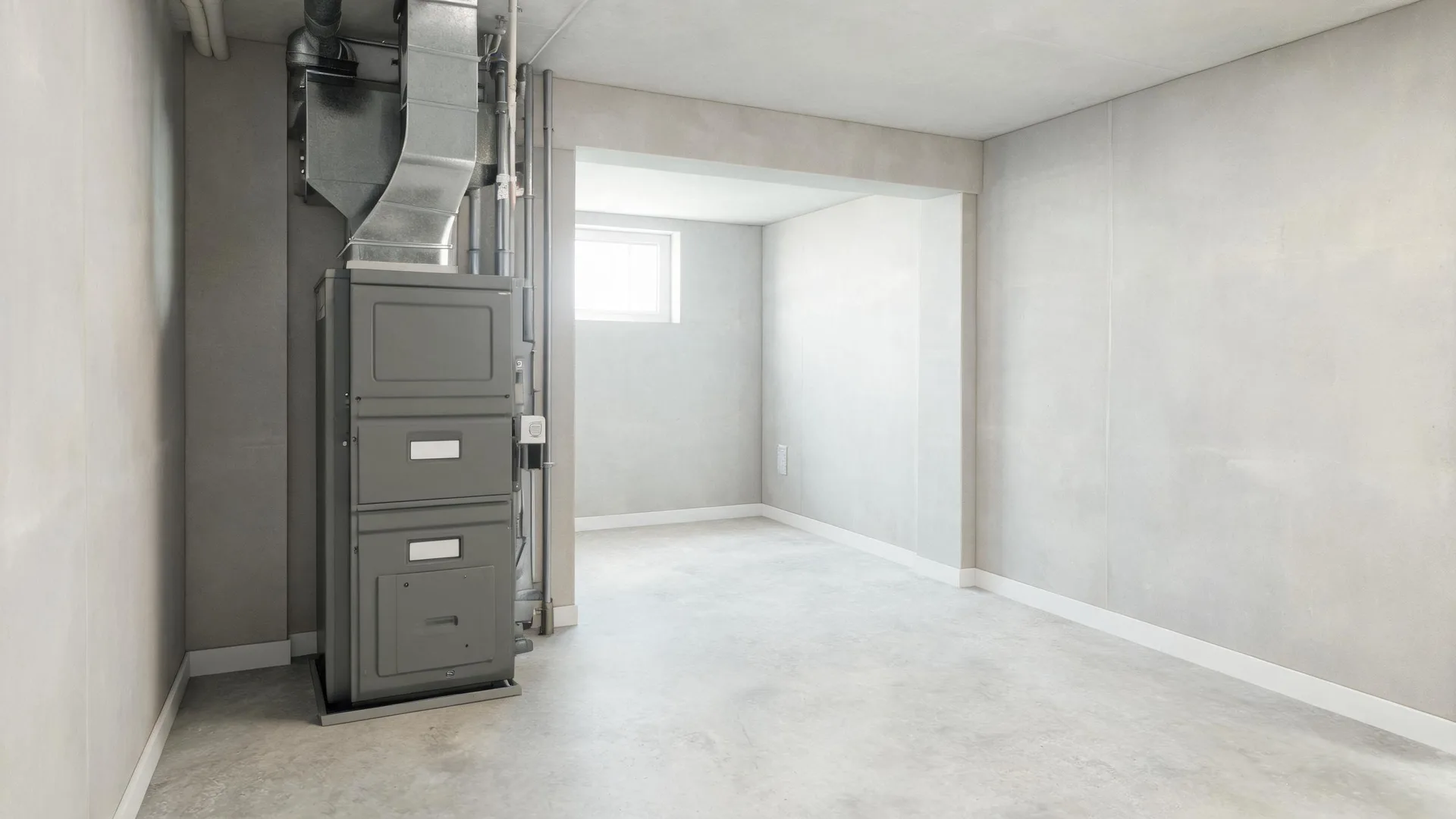
An unfinished basement interior featuring a large metal furnace unit, exposed ceiling joists, concrete walls, and scattered boxes and cables on the floor.

A high-efficiency gas furnace would save about $130 a year to run in Clinton County compared with a gas furnace.

  • A high-efficiency gas furnace$600 a year
  • A gas furnace$730 a year

Estimates for a typical Clinton County home, from EIA household energy data, Michigan fuel prices and NOAA climate normals. Your home will differ.

Installation day starts with the old furnace coming out, along with the venting and ductwork connections that go with it. The contractor checks the gas line and the vent before anything new goes in, since a new furnace still has to work with whatever is already running through the house. Setting the new unit means leveling it, securing the ductwork to it, and connecting the gas and electrical. Venting gets checked for the right pitch and clearance, since a furnace that vents wrong can push exhaust back into the house instead of outside. Once it's connected, the contractor fires it up and runs it through a full cycle, checking the flame, the temperature rise through the plenum, and the pressure in the gas line. The last step is checking airflow at the registers, because a furnace can be installed correctly and still leave a room short if the ductwork feeding it is undersized or blocked.