

What winter here does to a heat pump
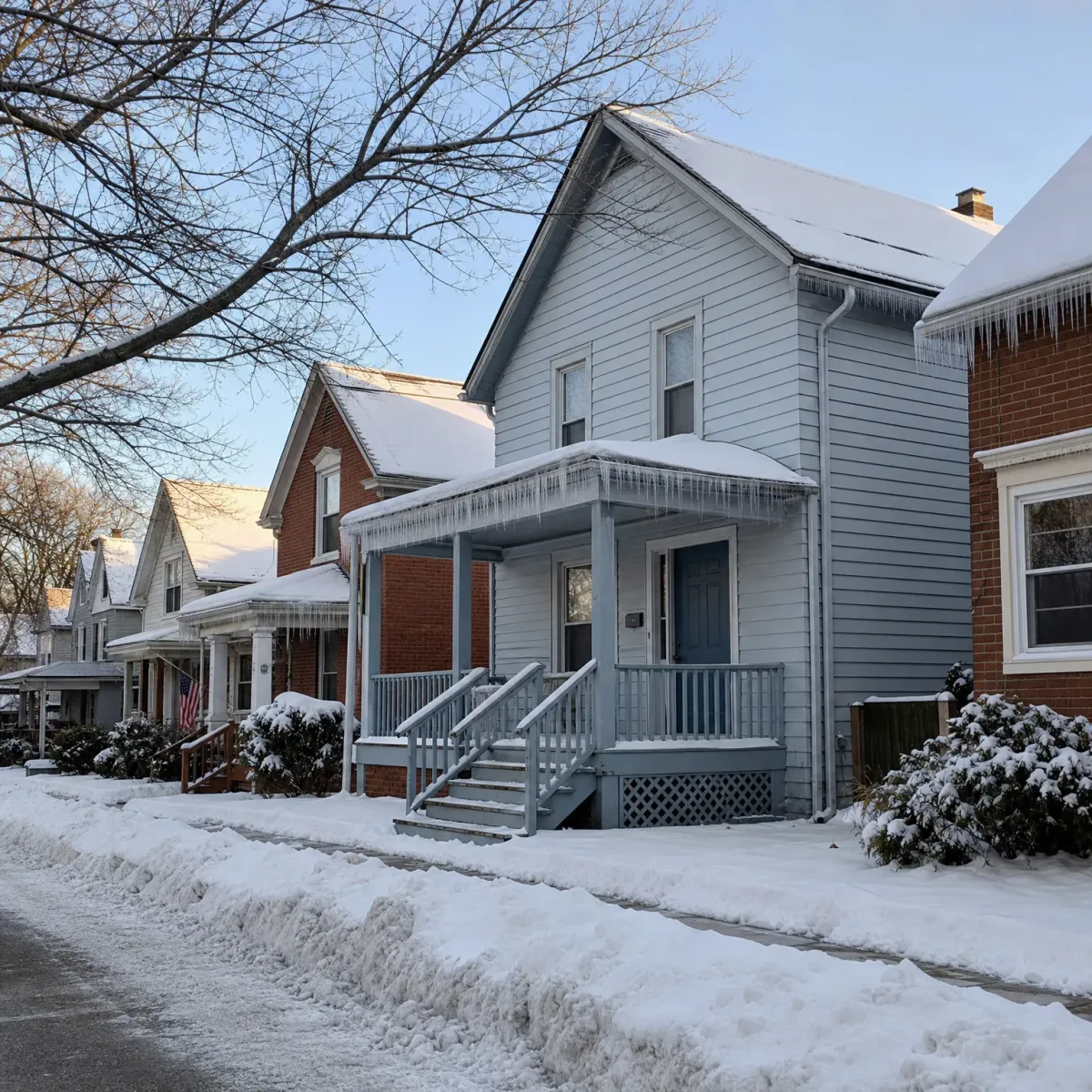
Clinton County winters sit right where a standard heat pump struggles. The overnight low averages 19°F across December, January and February, and that is below both marks that matter for this machine. Below 40°F its heat output falls short of its rating. Below about 35°F it often needs backup heat to make up the difference. At 19°F average, you are past both marks most winter nights, not just on the cold snaps.
Heat runs about eight months a year here, October through May, and about 145 of those nights drop to freezing or below. That is over half the heating season spent at or under the point where a standard heat pump is already losing ground. The deep cold, 0°F or below, only hits about 8 nights a year, so the furnace's real test here is the long stretch of ordinary freezing nights, not the rare cold snap.
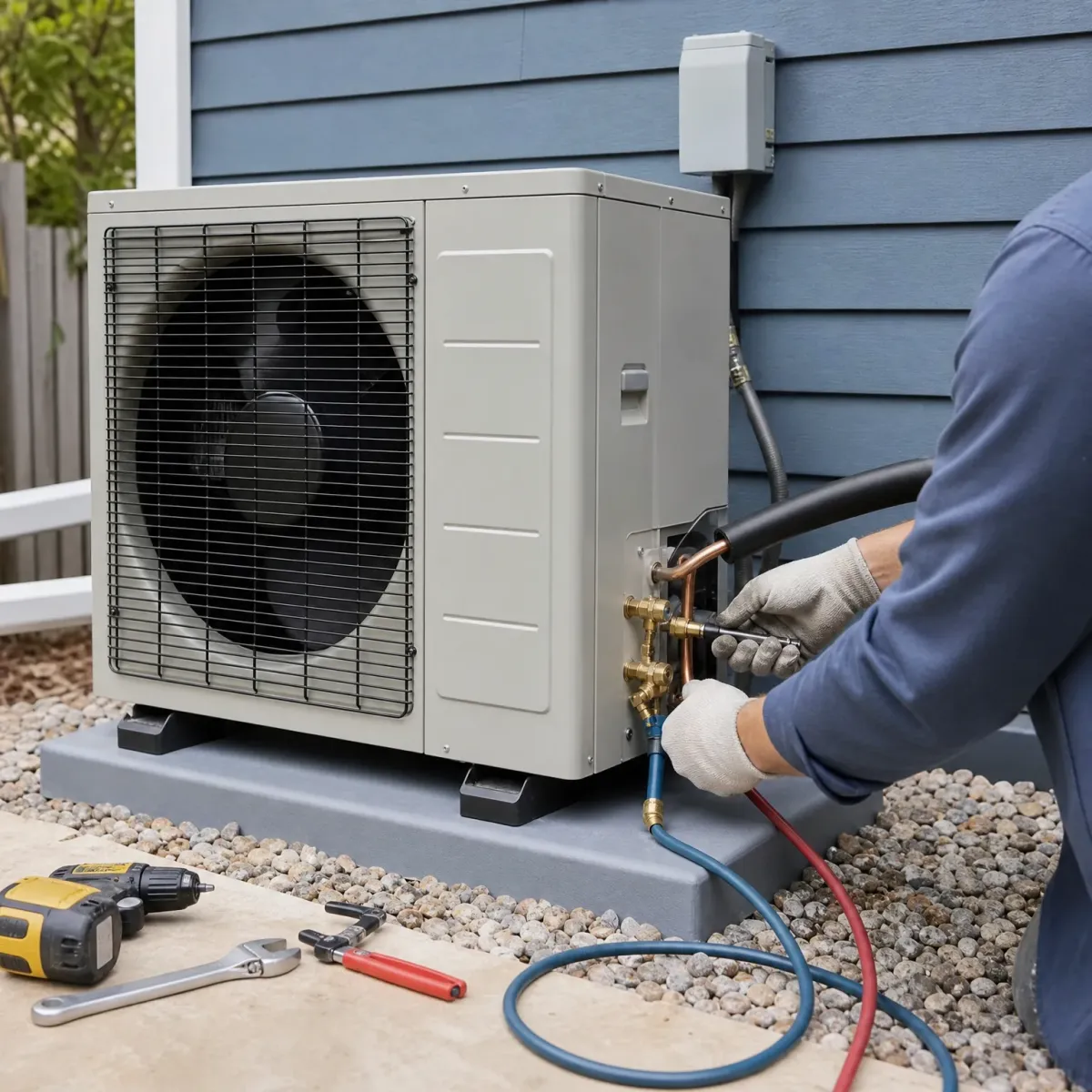
A heat pump built to carry the ENERGY STAR Cold Climate label is a different machine on paper. To earn it, it has to keep at least 70 percent of its 47°F heating capacity at 5°F and still make 1.75 units of heat for every unit of electricity it uses at that temperature, with a third party checking the numbers. A field test of prototype cold-climate heat pumps backs this up in practice: over two winters in occupied homes, backup heat covered only a small share of the heat needed between 0°F and 35°F, and the units rarely ran on backup alone even above 0°F. The standard heat pump most homes picture is not the one built for this climate. If you are comparing a heat pump to a furnace here, the cold climate model is the one worth putting in that comparison.