Three lit brick homes on a tree-lined residential street photographed at dusk.

Furnace Repair in St. Johns, MI

Tell us about the job

Takes about a minute. No obligation.

RepairFurnace or heatingClinton County, MI
Step 1 of 2

What ZIP code is the job in?

Clinton County sees its share of severe weather

Clinton County recorded 31 severe weather events between 2015 and 2024, including 17 damaging wind events, 10 winter storms, 3 hail events and a tornado. Statewide, 34% of Michigan households went at least a day without power in 2024.

A furnace depends on power to run at all

A gas furnace still needs electricity to fire the igniter and run the blower. When the power goes out in a Clinton County winter, the furnace stops with it, even though the gas line is still live.

8 months
October through May, your furnace is on duty
19°F
the average winter night it heats against
62%
of homes here heat with gas, so most furnaces here burn gas
10 winter storms
in ten years, the nights a failure hurts most
Isometric cutaway illustration of a small house showing a furnace unit connected to ductwork running through the interior and attic, with a chimney on the shingled roof and simple furniture in the rooms.
Your furnace works hardest from November through March.

NOAA nClimDiv, 1991–2020 normals

October is when a Clinton County furnace gets asked to run for the first time in months.

A weak part found in September gets fixed on a schedule, not during the first cold snap.

Eight months of heat a year means this furnace doesn't get much of a break

Heat runs October through May
Winter nights average 19°F
Climate zone 5A

Half the homes in Clinton County were built in 1981 or later. If yours is one of them, the furnace inside it hasn't necessarily been through decades of winters. A furnace that's only a few years into its working life usually has a straightforward problem behind a breakdown, something like a failed igniter or a stuck valve, not a cabinet full of worn parts. That's a repair, not a reason to replace the whole system. Worth checking when your house was built, or when the furnace itself was put in if it's been swapped since.

After the power comes back, have the furnace checked too

A furnace that lost power during one of last winter's storms may have come back on fine, but a lost flame or a short against surge damage won't always announce itself right away. If yours has been through an outage this year, it's worth having someone look it over, even if it's still heating.

Find a contractor
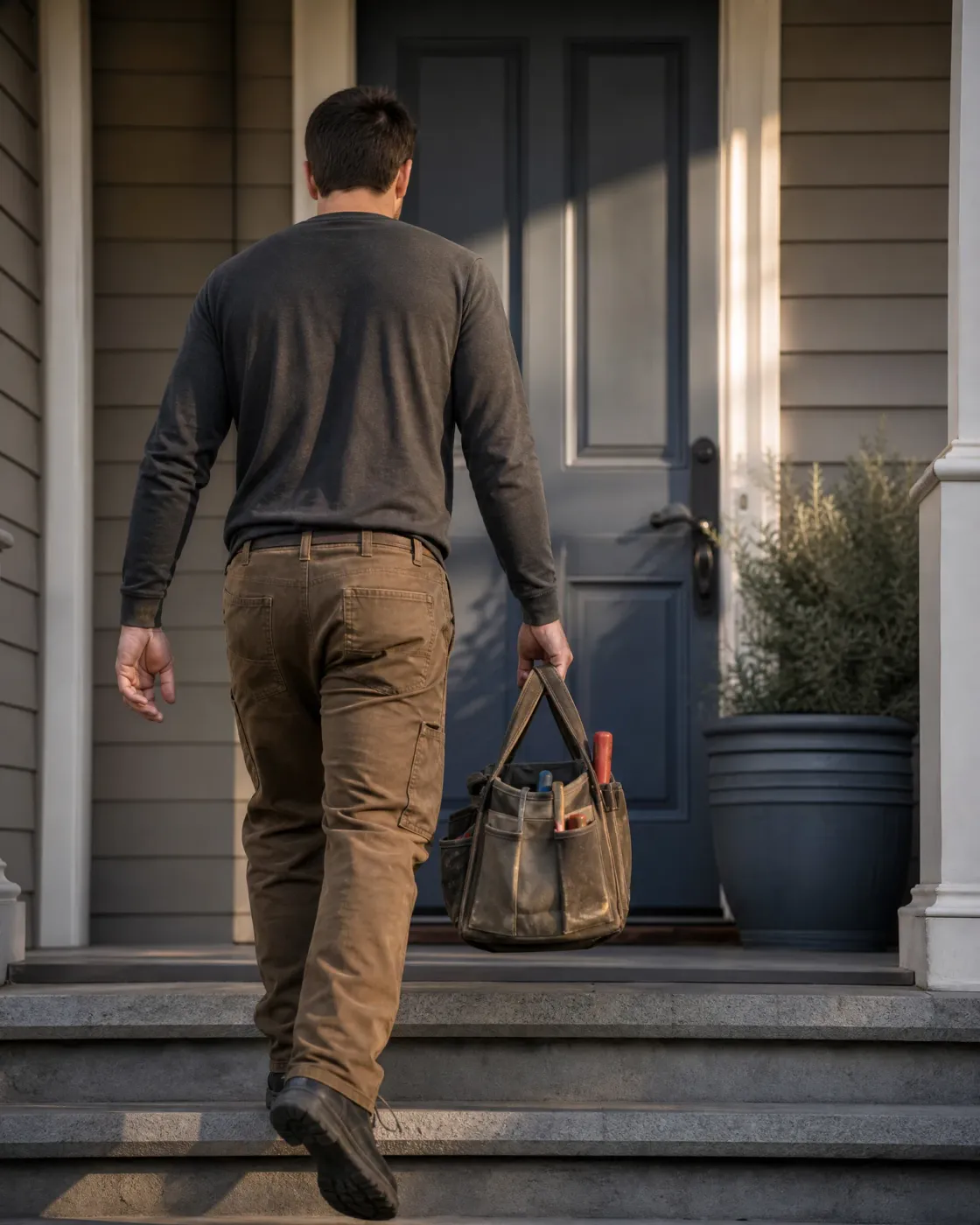
A man in a dark long-sleeved shirt and brown pants walks up concrete steps toward a dark blue front door, carrying a canvas tool bag with tools in it, beside a potted shrub.
A gas furnace with attached ductwork, gas piping, and condensate lines installed in a concrete-block basement.

A young furnace breaks down over one part, not the whole system

A furnace that's only a few winters in doesn't need a teardown to find out what's wrong. A technician can usually trace a no-heat call back to one failed part and have it running again the same visit. If the furnace in your house is one of the newer ones, say so when you call, and ask for the repair before anyone brings up replacement.

A cracked heat exchanger gets worse under heat

Running a furnace with a cracked heat exchanger flexes that crack every time the burners fire. The metal heats, expands, and opens the crack wider than it was the cycle before. Shutting it down at the first sign, a burning smell or soot around the cabinet, keeps a repair from turning into a full replacement.

A failing blower motor can take other parts with it

A blower motor that's straining, grinding, or shutting off early is working harder to move the same air. Left running, it can overheat and trip the limit switch repeatedly, and that wear doesn't stay isolated to the motor. Getting it looked at while it's still running, rather than after it seizes, usually means replacing one part instead of several.

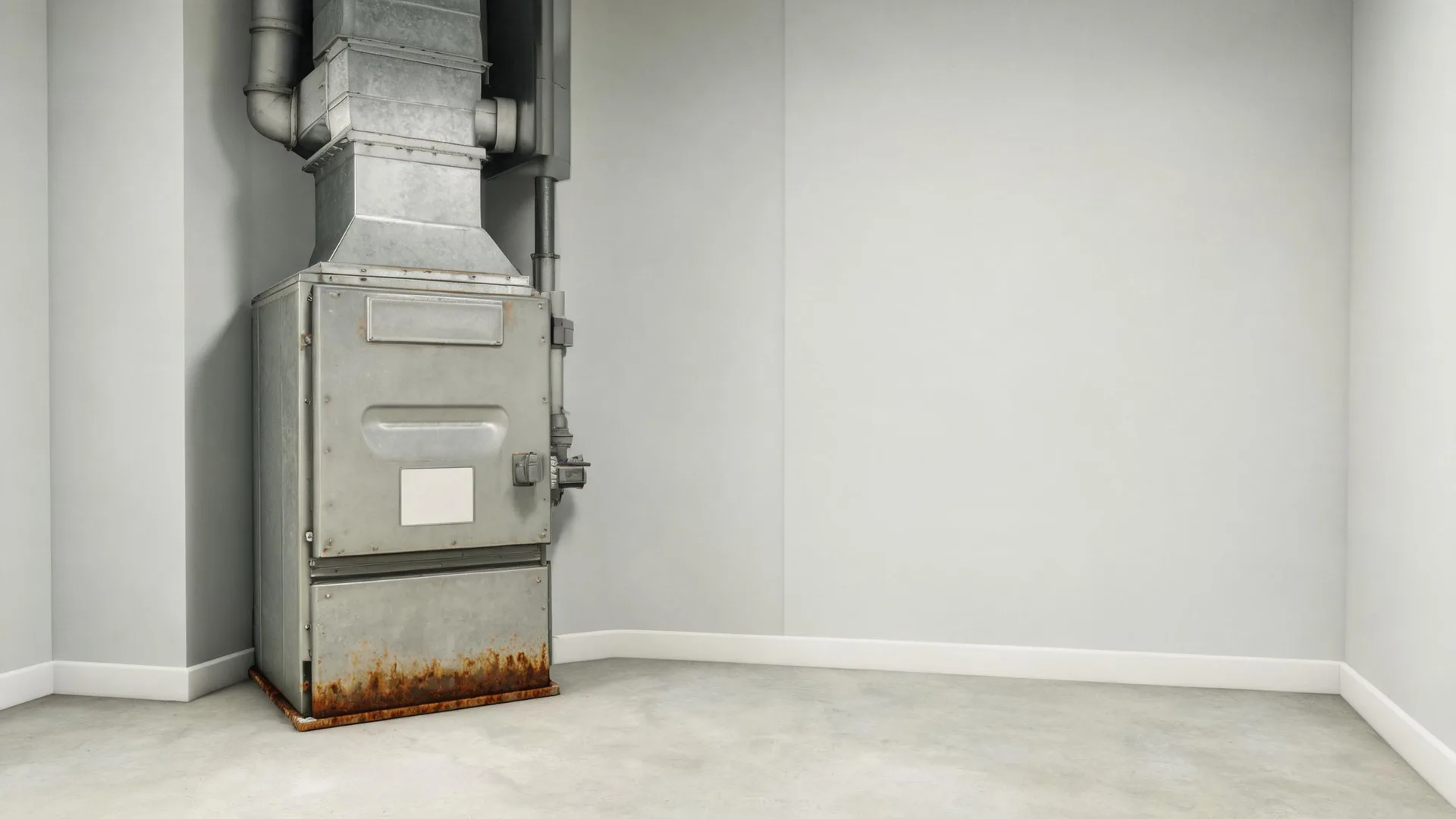
An unfinished concrete basement containing a gas furnace with sheet-metal ductwork, utility shelving, and exposed overhead joists.

A new furnace would cut about $150 a year off heating for a typical Clinton County home.

  • A new high-efficiency furnace$600 a year
  • An older furnace$750 a year

Estimates for a typical Clinton County home, compared with an older unit built to the previous federal minimum, from EIA household energy data, Michigan fuel prices and NOAA climate normals. Your home will differ.

Repair makes sense when one part has failed and the heat exchanger is sound.

Replacement makes sense when the heat exchanger is cracked or the furnace keeps needing parts.

A diagnostic visit starts with the complaint, not the cabinet. A technician will ask when the trouble started, what the furnace was doing right before, and whether it's a no-heat, a short cycle, or a smell. From there it's a set order: power and thermostat call first, then gas supply, then ignition, then the flame itself once it lights. A multimeter checks whether the parts that are supposed to get voltage are getting it. A failed igniter or a bad flame sensor usually shows up fast once power is confirmed at the board. If everything upstream checks out and the burners still won't stay lit, the search moves to the gas valve and the pressure switch. The part that's actually bad gets replaced or cleaned on the spot in most cases, and the furnace gets run through a full cycle before the technician leaves, not just lit and left.