





A lit brick residential street at dusk showing a row of two-story homes with covered porches and mature trees.

Furnace Installation in Battle Creek, MI

Tell us about the job

Takes about a minute. No obligation.

New system or replacementFurnace or heatingCalhoun County, MI
Step 1 of 2

What ZIP code is the job in?

Calhoun County logged 50 severe weather events between 2015 and 2024. Most of that was wind, 30 events strong enough to get recorded, with 13 winter storms and 6 hail events mixed in. A furnace still needs electricity to run, even on gas, to fire the igniter and move the air. Across Michigan, 34% of households went at least 24 hours without power in 2024. That's worth knowing before you settle on a system, not after the power goes out.

8 months
October through May, your furnace is on duty
19°F
the average winter night it heats against
75%
of homes here heat with gas, so most furnaces here burn gas
80% AFUE
the federal minimum any new unit must meet
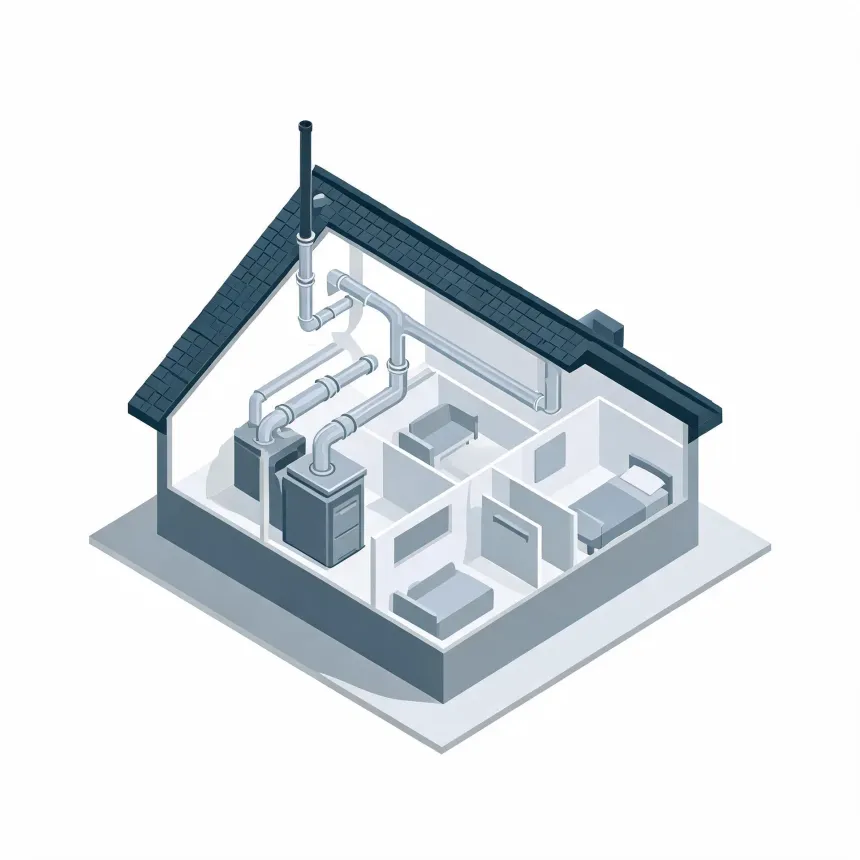
Isometric illustration of a cutaway house showing a furnace unit with ductwork and a flue pipe running through the interior rooms, which contain simple furniture.
Your furnace works hardest from November through March.

NOAA nClimDiv, 1991–2020 normals

Gas heats 74.8% of homes in Calhoun County, more than any other fuel.

A gas furnace replacing a gas furnace keeps the existing gas line and venting in place.

Eight months of heat a year wears a furnace out faster

Heat runs October through May
Winter nights average 19°F
Climate zone 5A
Half the furnaces going in here replace one older than the house next doorHalf the homes in Calhoun County were built in 1961 or earlier.

Calhoun County falls under zone 5A in the 2021 energy code, a cool zone where heating carries more of the year's work than cooling. Any furnace going into a home here has to meet that standard. Right now that means turning at least 80 percent of the gas it burns into heat over the winter. That minimum goes up to 95 percent for furnaces made on or after December 18, 2028, so what counts as compliant will change before long. A contractor installing a furnace here now will size and vent it to meet the rule in place at the time. There's also a federal tax credit available for qualifying high-efficiency furnaces, worth asking about when comparing models.

Plan for the outage before it happens, not during it

If the power goes out, a gas furnace still needs electricity to run the igniter and the blower. Ask what happens to heat and hot water when that happens, and plan the outdoor equipment's spot with wind and hail in mind. Settling that now costs nothing. Finding out during an outage does.

Find a contractor
A gray residential gas furnace installed in an unfinished basement, connected to sheet-metal ductwork and PVC pipes.

Eight months of work a year. Get it in before October.

Heat runs here from October through May, eight months out of twelve. That's most of the year spent carrying the load, and September is the last quiet month before it starts. Installing then gives a contractor time to size the unit and check the venting without rushing. Wait until the first hard freeze and you're choosing from whatever's in stock, on whatever day a crew is free.

The size comes from a room-by-room heat loss calculation, not the old furnace's rating

A contractor measures the walls, windows, ceiling and floor in every room and works out how fast each one loses heat on the coldest day. That number, not the size of the furnace already in the house, is what the new one gets matched to. A furnace sized off the last one just copies whatever mistake was made the first time around.

Too big is its own problem, not a safety margin

An oversized furnace blasts a room to temperature and shuts off before it finishes a full heating cycle. That short cycling leaves cold spots, wears the ignition system down faster, and never runs long enough to move air evenly through the ductwork. Bigger isn't a cushion here. It's a furnace working against itself all winter.

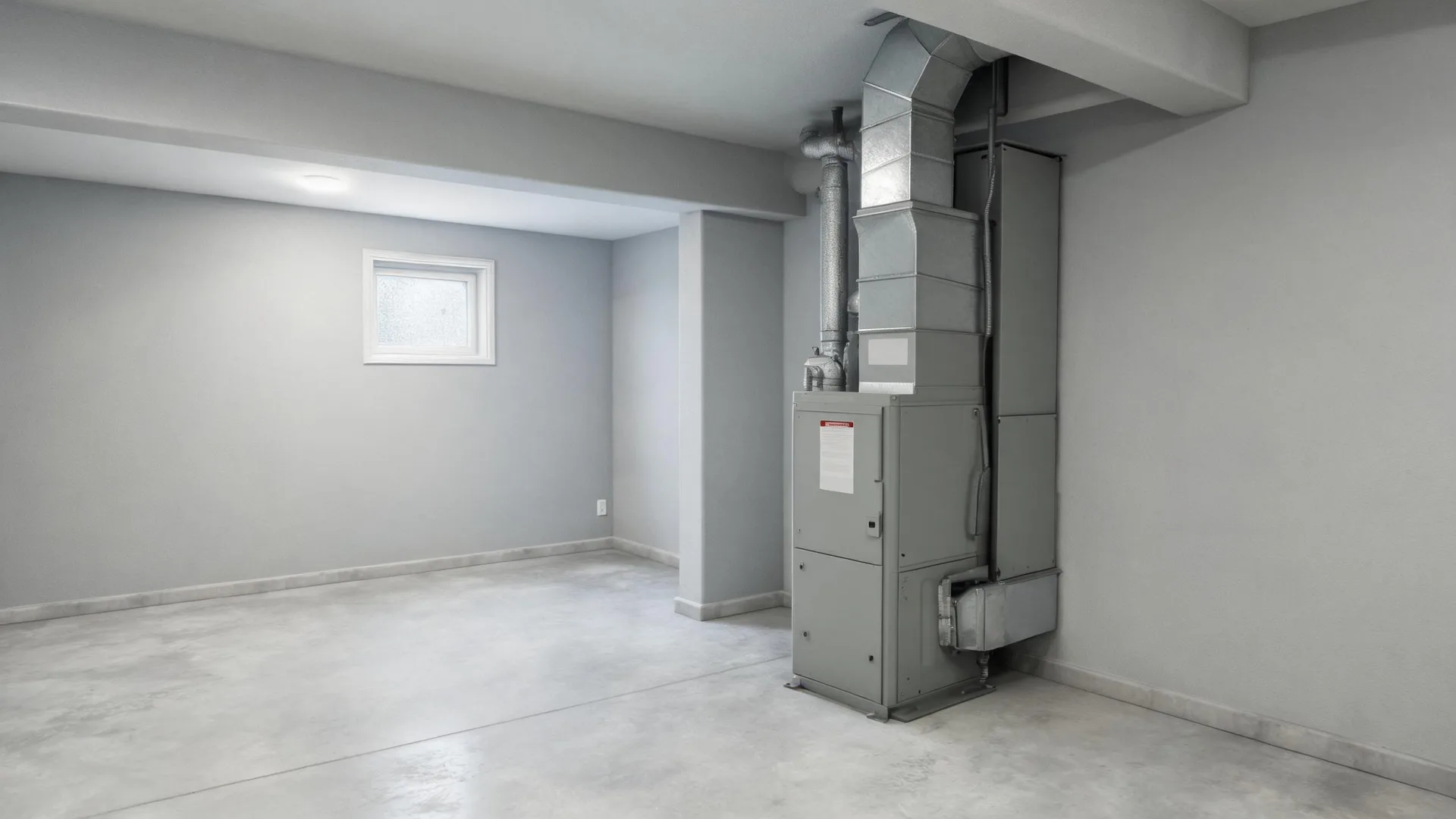
An empty unfinished basement containing a forced-air furnace with overhead ductwork, exposed ceiling joists, and a single hanging light bulb.

A high-efficiency gas furnace would save about $120 a year to run in Calhoun County compared with a gas furnace.

  • A high-efficiency gas furnace$590 a year
  • A gas furnace$710 a year

Estimates for a typical Calhoun County home, from EIA household energy data, Michigan fuel prices and NOAA climate normals. Your home will differ.

Installation day starts before the crew unloads anything, with the old furnace and coil coming out and the line set and vent checked against what the new unit needs. A gas line gets pressure tested, not just reconnected, because a furnace with a different input rating can need a different size. The vent is next. Venting sized for one furnace doesn't always work for another, especially moving between a standard and a high-efficiency model, and a high-efficiency furnace vents through PVC pipe rather than the metal flue the old one used. Ductwork gets checked too, since a furnace that moves more or less air than the last one needs the supply and return sized to match. Once the new unit is set and connected, it gets fired up and run through a full cycle while the technician checks gas pressure, temperature rise, and airflow against what the manufacturer specifies. The thermostat gets tested last, after everything else is confirmed to be drawing air, burning gas, and venting the way it's supposed to.