Storms come through here often
Saginaw County recorded 110 severe weather events between 2015 and 2024, including 79 damaging wind events, 17 hail events and 13 winter storms. A new furnace goes in alongside a system that has to survive that.
Takes about a minute. No obligation.
Saginaw County recorded 110 severe weather events between 2015 and 2024, including 79 damaging wind events, 17 hail events and 13 winter storms. A new furnace goes in alongside a system that has to survive that.
More than a third of Michigan households went at least 24 hours without power in 2024. A furnace with no electricity won't fire, even if the gas line feeding it is fine.
NOAA nClimDiv, 1991–2020 normals
Half the homes in Saginaw County were built in 1968 or earlier.
An older furnace setup may not match what a new system needs, so installers have to check the house, not just swap the unit.

Gas heats 73.5% of homes in Saginaw County, more than any other fuel by a wide margin. Electricity is next at 13.9%, then propane at 8.7%. If your old furnace ran on gas, a new gas furnace is almost always the straightforward swap, since the gas line and venting are already there. That matters when a system is going in alongside the storm and power risks this county sees. A gas furnace with a standing pilot will still light without power. One that relies on electronic ignition won't fire until power comes back, so it's worth asking an installer what your specific unit needs to start.
Ask the installer how your new furnace starts and where the outdoor parts will sit. A unit with electronic ignition needs power to fire, so it's worth asking about a battery backup or generator hookup now, while the system is already being planned. Ask them to place any outdoor components clear of falling branches and drifting snow too. Settling this during install means less to figure out when a storm actually knocks the power out.
Find a contractor
Eight months a year is a long stretch for one machine to carry this county through. When you size the new furnace, bigger isn't the safe choice. A unit that's too large for the house cycles on and off more than it should, and that short cycling wears parts out faster than steady running would. Have the installer run a load calculation on your house instead of matching the old unit's size by habit, especially if that old system was never sized right to begin with. Ask what the furnace is rated for against what your house actually needs, and get that number before you get a price.
A technician disconnects the gas line, the venting and the ductwork connections, then takes the cabinet out in one piece or close to it. If it's a forced air furnace, the same supply and return ducts usually stay in place for the new unit. The gas line and electrical connections get checked before anything new ties into them, not just reused as is.
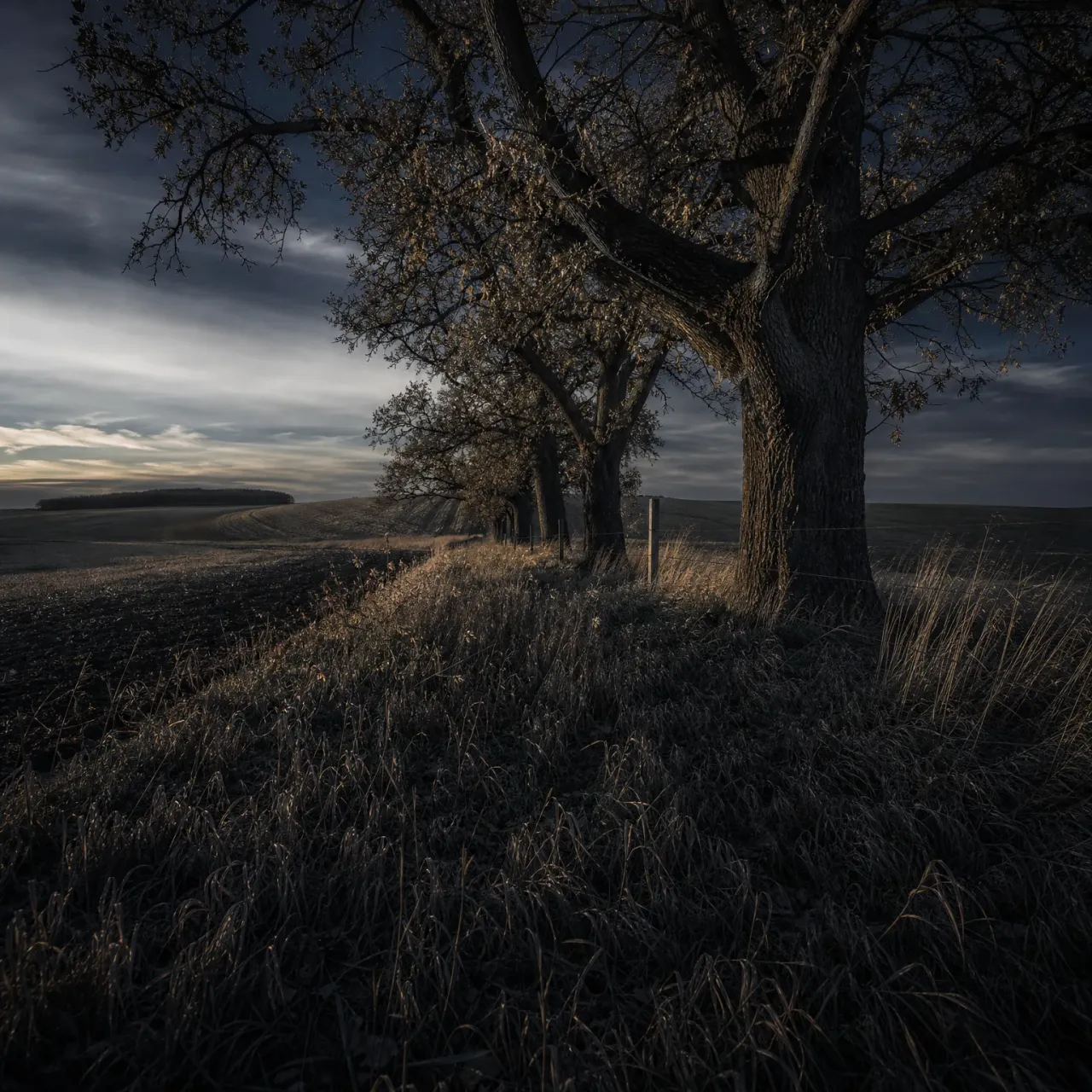
An old furnace and a new one don't always breathe the same way. Older furnaces often vent through a metal flue by themselves or alongside the water heater. Newer high efficiency furnaces vent through a sidewall pipe instead, which means the old flue may no longer be needed, and the water heater may need its own venting looked at once the furnace isn't sharing it.
Estimates for a typical Saginaw County home, from EIA household energy data, Michigan fuel prices and NOAA climate normals. Your home will differ.
Installation day goes faster once the old furnace is already out and the venting question is settled, since that decides what the crew still has to do. With the new furnace set in place, the installer connects the gas line, the electrical, and the ductwork, then checks each connection before the system runs on them. Setting the cabinet level matters more than it looks, since a furnace sitting crooked puts strain on the blower and the heat exchanger over time. Once it's hooked up, the installer fires it, watches the flame, and checks that the vent is drawing properly, whether that's the old metal flue or a new sidewall pipe. The last step is running the furnace through a full cycle to see that it holds a steady temperature before anyone calls the job done.