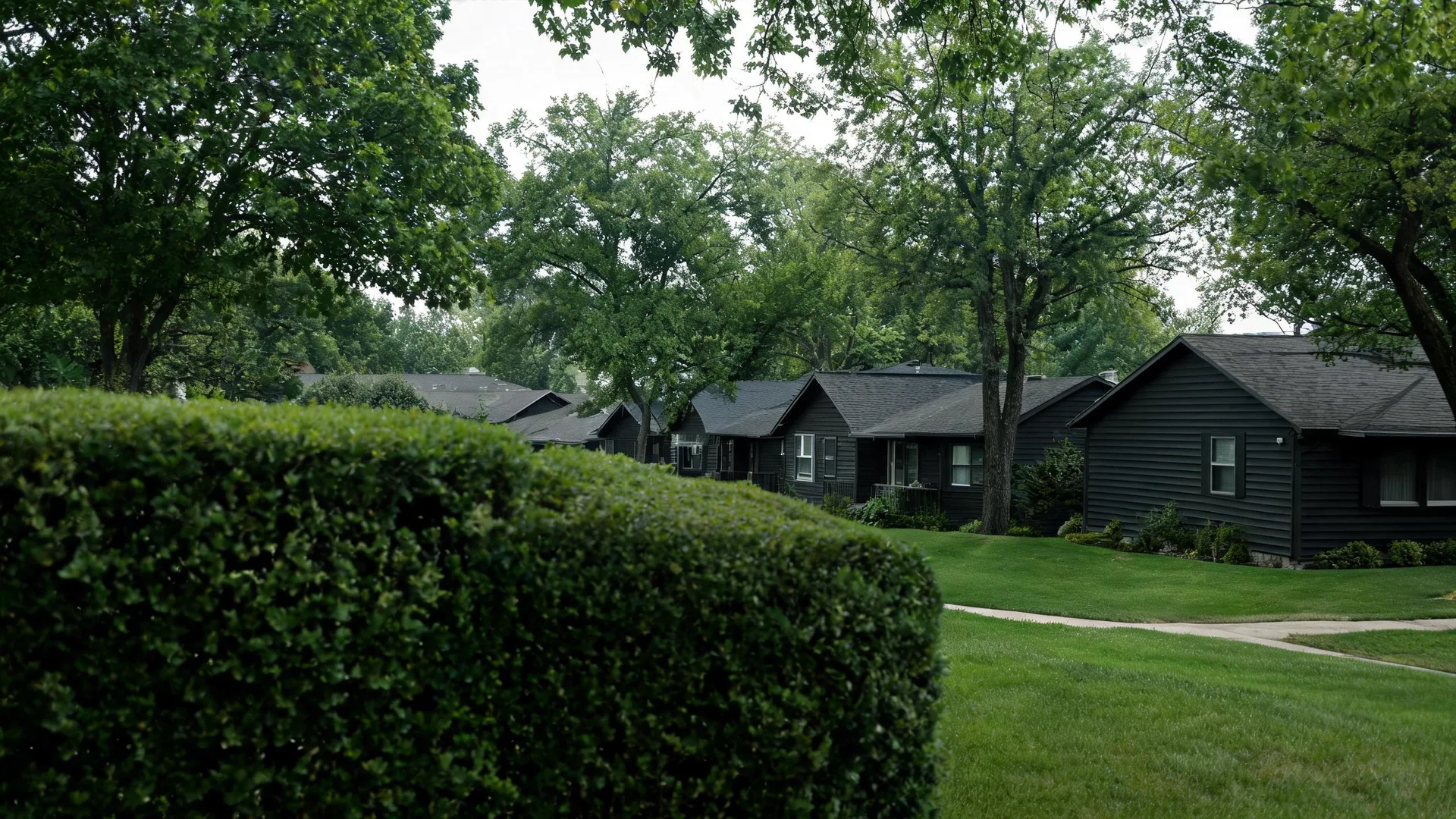
A row of dark-sided single-story houses among large deciduous trees, with a trimmed hedge in the foreground and a mown lawn crossed by a paved path.

Furnace Installation in Detroit, MI

Tell us about the job

Takes about a minute. No obligation.

New system or replacementFurnace or heatingWayne County, MI
Step 1 of 2

What ZIP code is the job in?

Wayne County sees real weather

Wayne County logged 189 severe weather events between 2015 and 2024, with damaging wind alone hitting 142 times. Add 23 hail events, 9 tornadoes, and 14 winter storms with heavy snow and ice, and the pattern is clear. This county gets hit.
Power doesn't always hold

Over a third of Michigan households went at least a full day without power in 2024. A furnace with no electricity won't fire, even if the gas line is fine. The installation has to account for what happens when the power goes out, not just whether the unit runs on a calm day.

8 months
October through May, your furnace is on duty
21°F
the average winter night it heats against
84%
of homes here heat with gas, so most furnaces here burn gas
80% AFUE
the federal minimum any new unit must meet
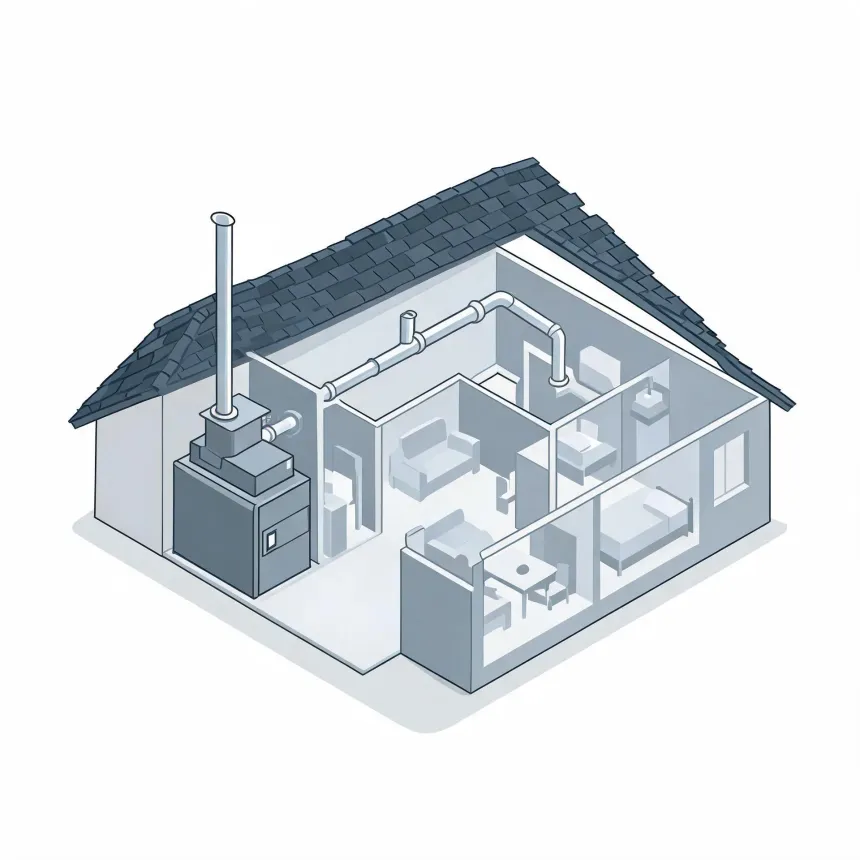
Isometric cutaway illustration of a single-story house showing interior rooms with furniture, ceiling ductwork, and a large furnace unit with a tall flue pipe in a corner room.
Your furnace works hardest from November through March.

NOAA nClimDiv, 1991–2020 normals

Furnaces here start running in October.

Get it installed in September and it's done before you need it.

Most of Wayne County already heats with gas, and that's what a new furnace should match

83.6% of homes heat with gas
Climate zone 5A
Heat runs October through May

Heat runs about eight months a year here, October through May. That's most of the year the furnace is the thing keeping the house livable, not a system that gets a break every spring. A unit sized right for that kind of run time holds up better than one sized off a quick estimate or picked because it was the cheapest bid. Ask what load calculation the installer used for your house, not just the square footage. The cheapest furnace to buy is not always the one that costs least to run eight months straight.

Plan for the power going out before it does

A gas furnace still needs power to run the igniter and the blower. When the power goes out, it won't fire. Ask the installer about a transfer switch or battery backup during the install, not after the next outage.

Find a contractor
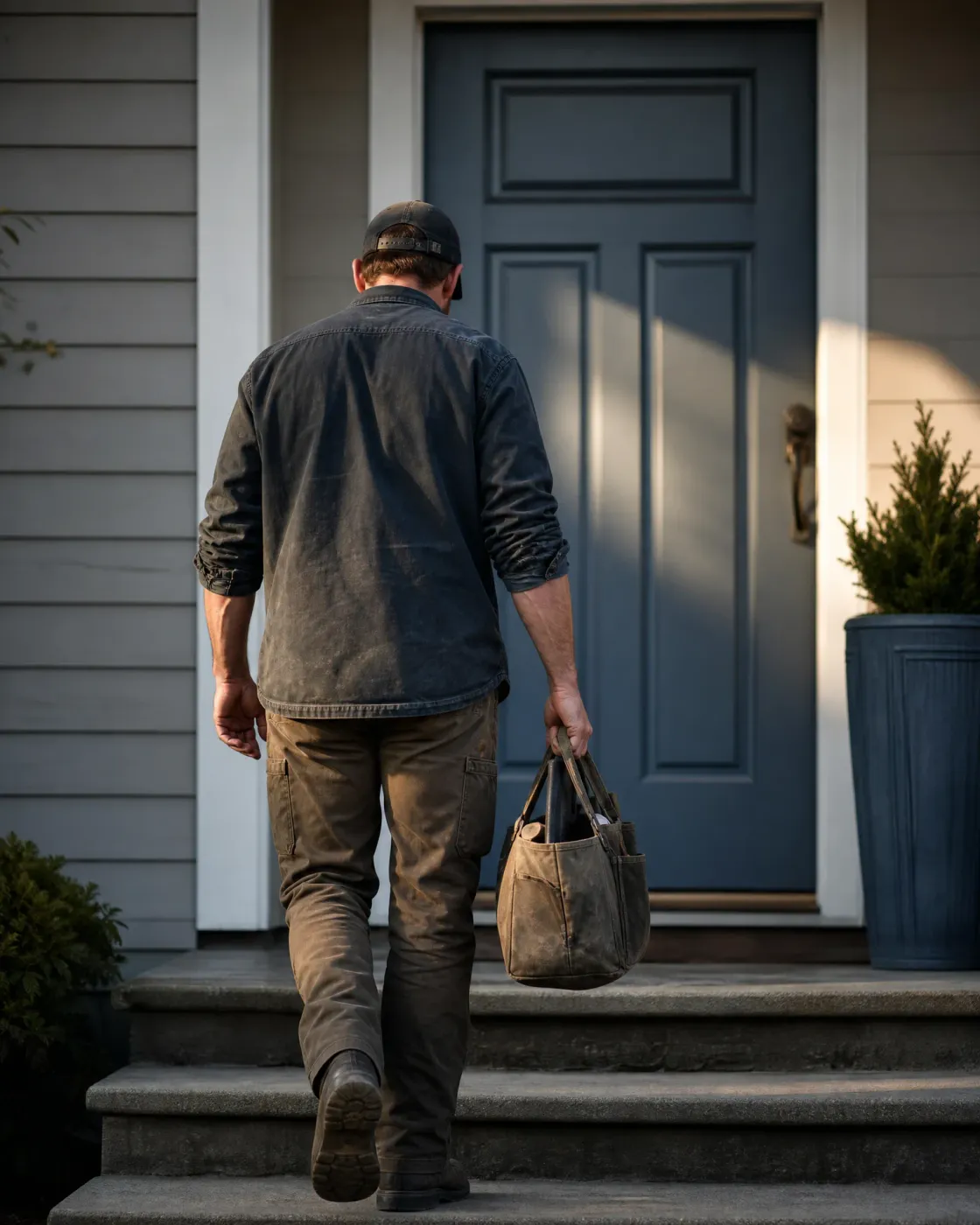
A man in a cap, dark work shirt and brown cargo pants walks up concrete steps toward a blue-gray front door, carrying a worn canvas tool bag in his right hand, with a potted shrub beside the entry.
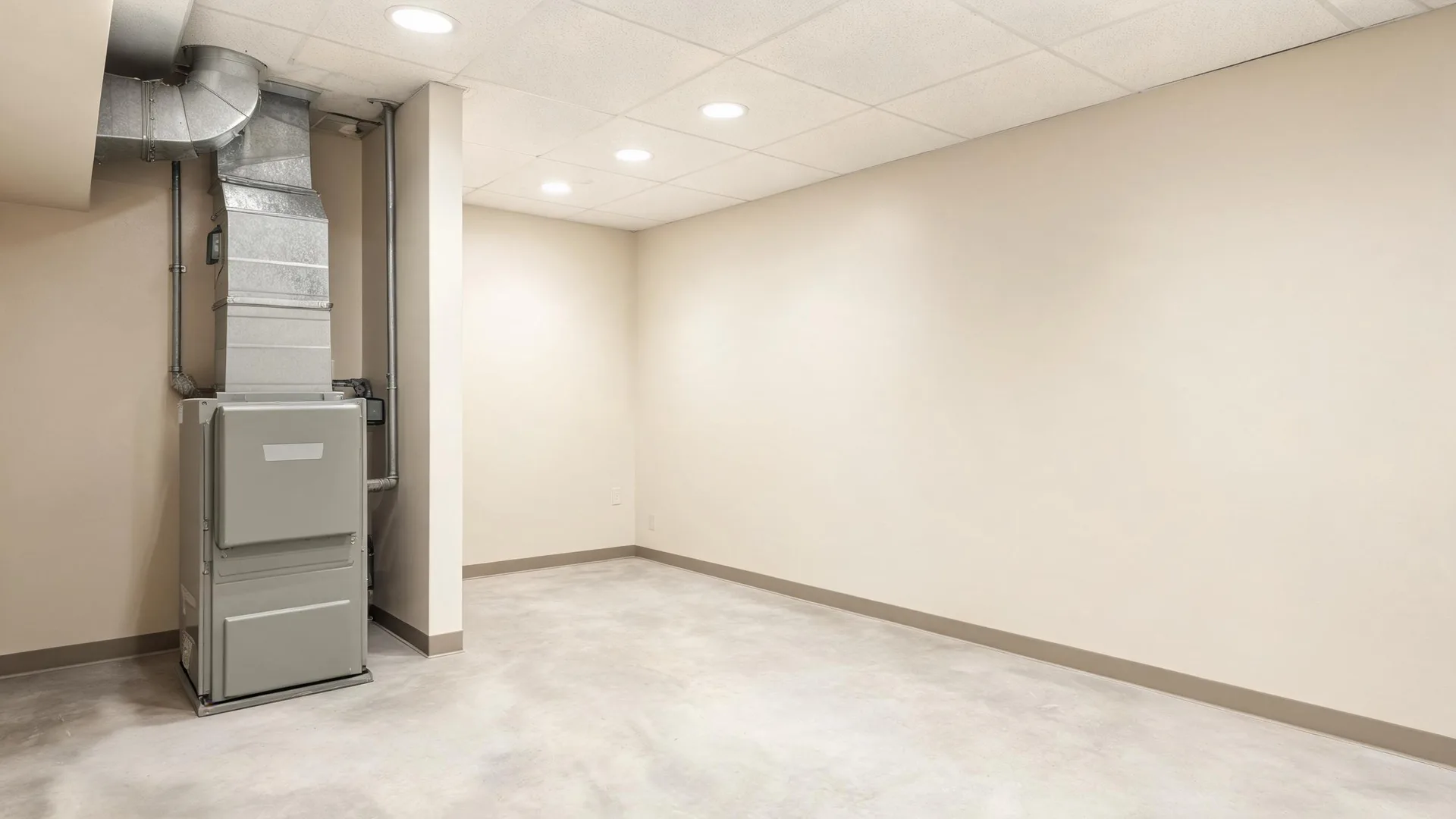
A gray residential gas furnace installed in an unfinished basement, connected to sheet-metal ductwork and PVC pipes.

This furnace is going into an older house

Half the homes in Wayne County were built in 1956 or earlier. A furnace going into one of those houses is going into a place that was never built around central heat. Ductwork may have been added later, or modified more than once since. None of that tells you the duct run is wrong for the new unit, but it's worth having the installer check static pressure and duct sizing before they size the furnace, not after it's in. A furnace that's right on paper can still run poorly if the ducts feeding it weren't sized for it.

The rating tells you the waste, not the heat

The efficiency rating on a furnace says how much of the fuel it burns turns into heat for the house, and how much goes out the flue. A furnace with a higher rating wastes less gas doing the same job. It doesn't mean the furnace heats the house faster or runs a bigger system. Two furnaces with the same rating can still be sized completely differently for two different houses.

A higher rating changes how the furnace is vented

Furnaces with a higher efficiency rating cool the exhaust more before it leaves the house, so that exhaust can't vent up a traditional chimney flue. Those units vent through plastic pipe out a sidewall instead, with a separate intake pipe to pull in combustion air. That changes what the installer has to run, not just what furnace goes in the basement. It's worth asking which venting your new furnace needs before the install, since it affects where the furnace can sit and what gets drilled through the wall.

A bare concrete basement containing a gray gas furnace with metal ductwork and a vertical flue pipe, lit by a single hanging bulb.

A high-efficiency gas furnace would save about $120 a year to run in Wayne County compared with a gas furnace.

  • A high-efficiency gas furnace$550 a year
  • A gas furnace$670 a year

Estimates for a typical Wayne County home, from EIA household energy data, Michigan fuel prices and NOAA climate normals. Your home will differ.

The old furnace comes out first, and the installer will check what it's leaving behind. Gas gets shut off at the valve, power disconnected at the switch, and the existing flue or vent pipe inspected to see if it can still be used or needs to be replaced for the new unit. Setting the new furnace means leveling it, connecting the supply and return plenums, and sealing those connections so air isn't leaking out before it reaches the ducts. The gas line gets hooked up and pressure tested before anything is lit. Electrical and any control wiring comes next, including the thermostat connection. Once it's all tied in, the installer runs the furnace through a full cycle, checking flame, airflow, and that the system shuts off and restarts the way it should, before calling the job done.