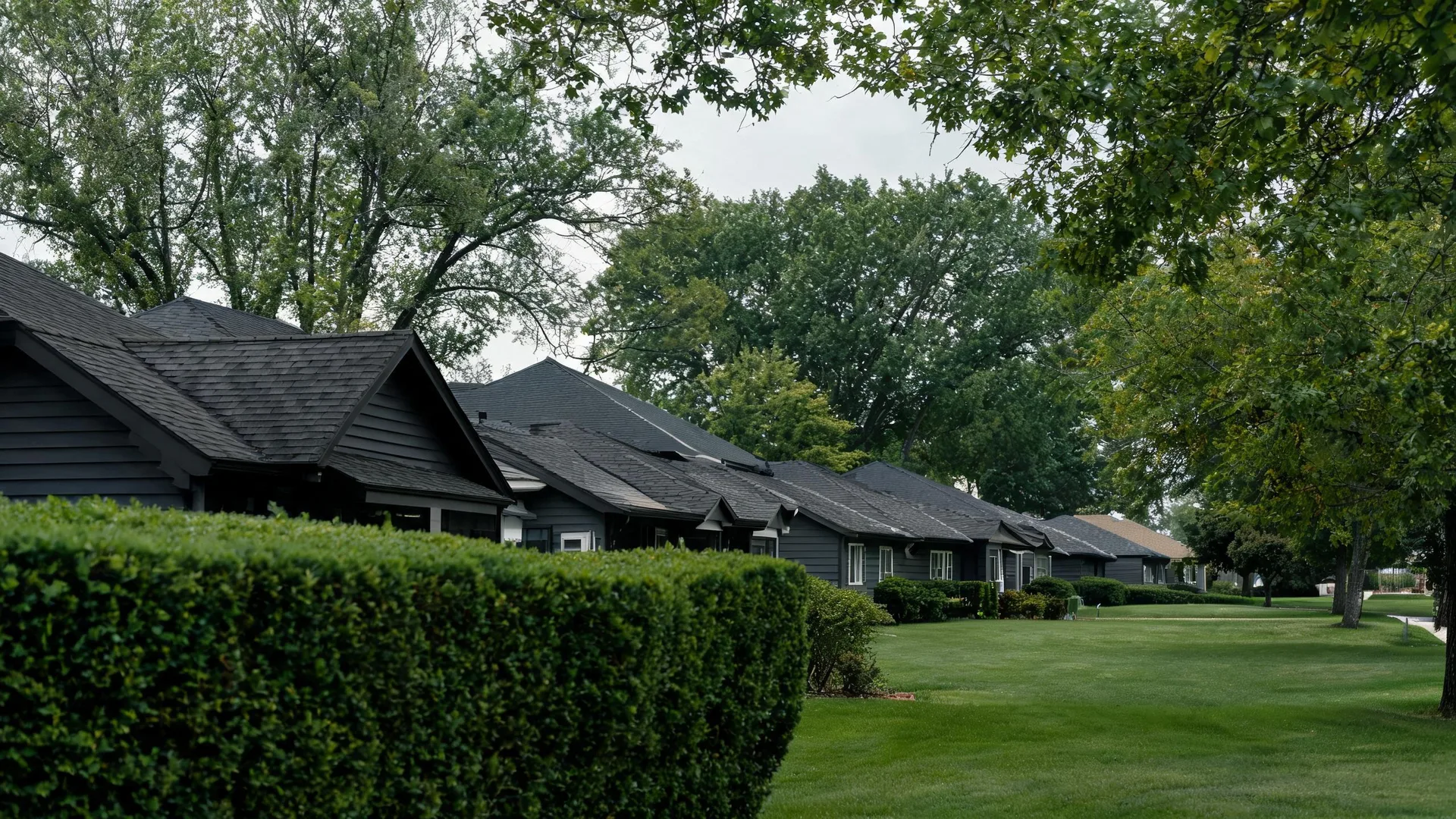
A row of dark-sided single-story houses with gray shingled roofs behind a trimmed hedge, with mown lawn and large deciduous trees under an overcast sky.

Furnace Installation in Adrian, MI

Tell us about the job

Takes about a minute. No obligation.

New system or replacementFurnace or heatingLenawee County, MI
Step 1 of 2

What ZIP code is the job in?

Weather here takes a toll

Lenawee County recorded 84 severe weather events between 2015 and 2024, including 60 rounds of damaging wind, 11 hail events and a tornado. A furnace installation here is also a decision about what the system sits next to and what it has to survive.
Power doesn't always hold

More than a third of Michigan households went at least 24 hours without power in 2024. A new furnace should fit into a plan for keeping heat going when the power doesn't, not just how it runs on a normal day.

8 months
October through May, your furnace is on duty
20°F
the average winter night it heats against
75%
of homes here heat with gas, so most furnaces here burn gas
80% AFUE
the federal minimum any new unit must meet
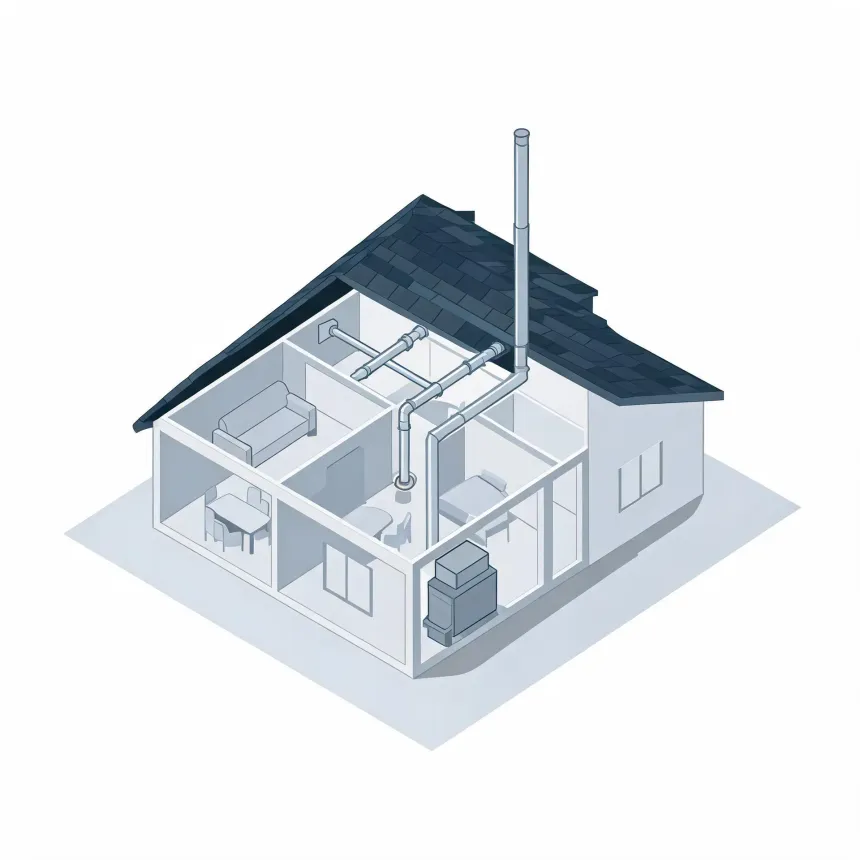
Isometric cutaway illustration of a single-story house showing interior rooms with furniture, ductwork and piping running to a tall vertical flue through the dark shingled roof, and a furnace-like appliance unit on the floor.
Your furnace works hardest from November through March.

NOAA nClimDiv, 1991–2020 normals

Gas heats 74.6% of homes in Lenawee County, more than any other fuel.

A new furnace here is almost always a gas furnace, so the choice comes down to the unit and the install, not the fuel.

Half these homes were built by 1968, and the furnace has to fit the one you've got

Half the homes here were built by 1968
Climate zone 5A
Heat runs October through May
Eight months of work a yearFurnaces in Lenawee County run from October through May, longer than in most of the country.

Heat runs here from October through May, eight months out of twelve. That leaves a narrow window to get a new furnace in before you need it. September is the month to have it done. Wait until the first cold snap and you're choosing a furnace under pressure, from whatever is in stock, on whatever day a crew can come. Plan it for September instead and you get to pick the unit and the install date both.

Plan this furnace for the power going out, not just the cold

A furnace installation is a chance to plan for the outage along with the heat. Ask where the new unit goes, what backs up the furnace's controls and blower if the power drops, and how you'll keep hot water going too. Settle that as part of the install, not after the next storm.

Find a contractor
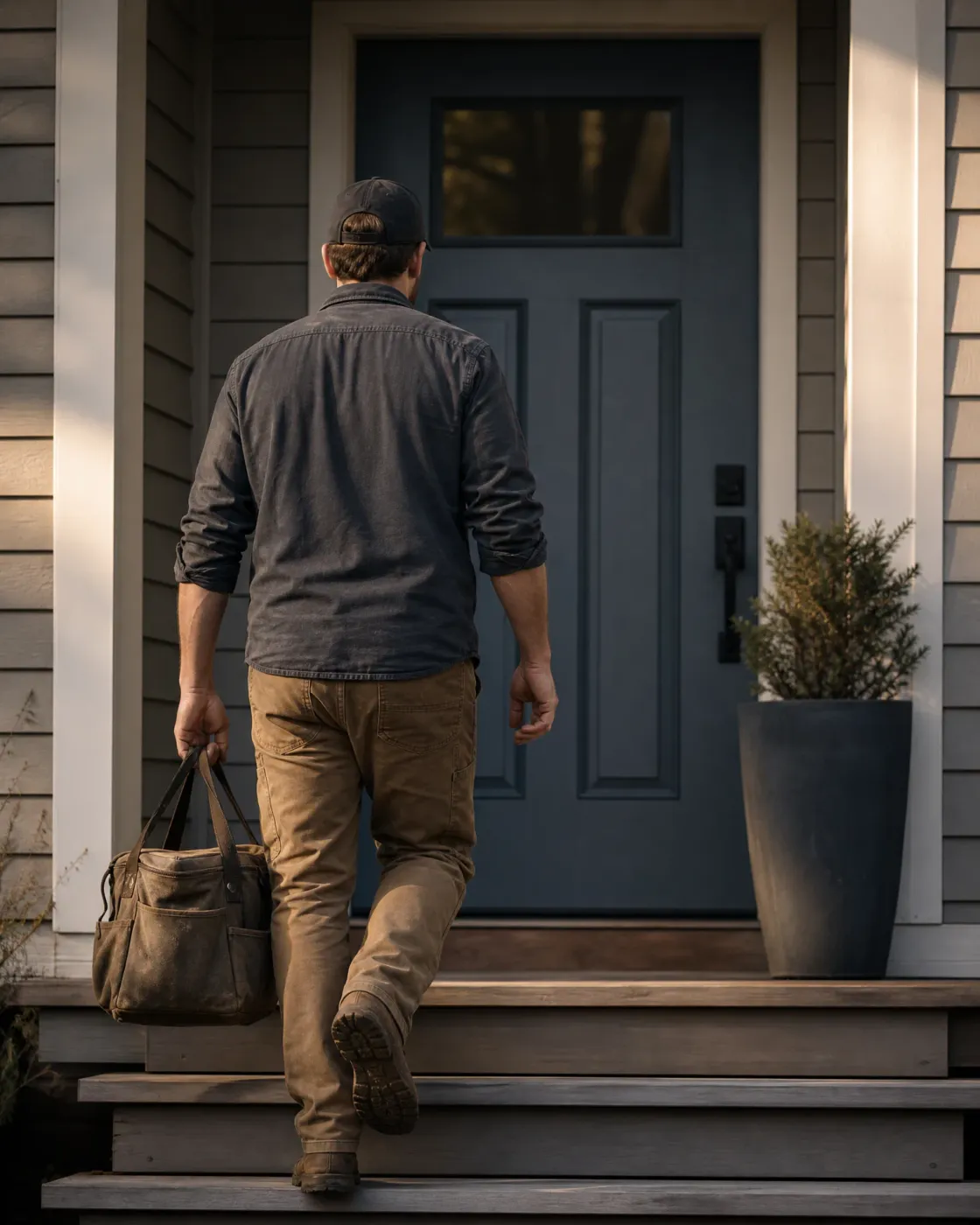
A man in a cap, dark shirt and tan pants, seen from behind carrying a canvas bag, climbs wooden porch steps toward a blue front door beside a potted evergreen.
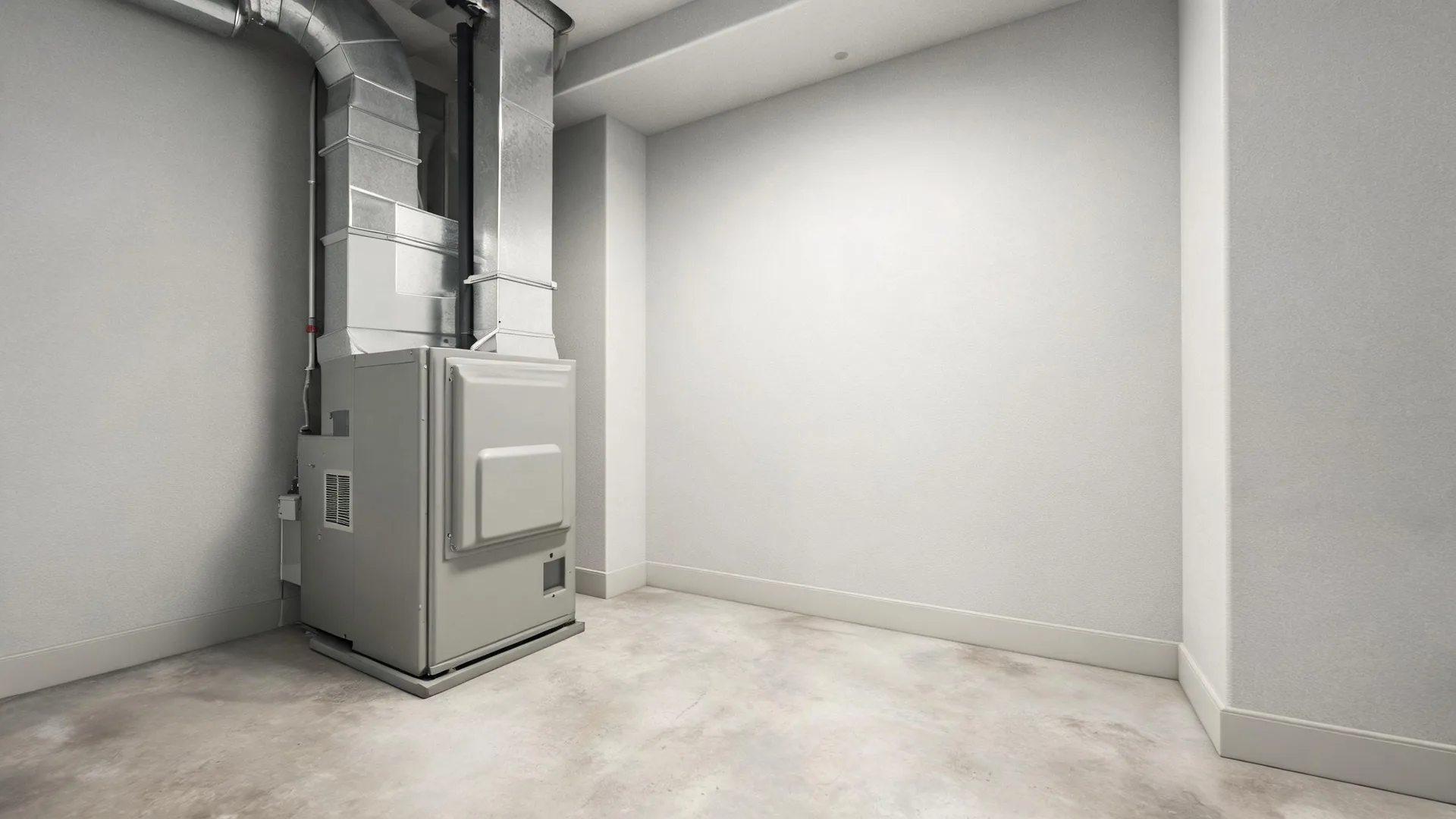
A gray high-efficiency gas furnace installed in an unfinished basement, surrounded by gas lines, a condensate drain, and sheet-metal ductwork.

Sized for how much it runs, not just the sale

That runtime is the reason to size this furnace for the house, not for the sale price. A unit too big for the space will short cycle, turning on and off more than it should, and over eight months those extra cycles wear the igniter and the blower faster. A unit too small will run long and hard trying to keep up on the coldest nights, which does the same thing from the other direction. Ask the contractor for a load calculation on your house, not a guess based on square footage alone. Ask what the unit is rated for continuous use, since that is closer to what it will actually see here than peak output numbers are. The install matters as much as the equipment when the furnace is going to run this much of the year.

Size it to the house, not the old furnace

A contractor should run a load calculation on the house rather than quote a replacement that matches what's already there. Duct layout, window count and insulation all factor in. A furnace that's too big cycles on and off fast and never runs long enough to heat evenly. One that's too small runs constantly and still can't keep up on the coldest days.

The install work costs as much as the unit

Pulling the old furnace, matching the ductwork, venting it correctly and tying in the gas line and controls takes real labor, and it's where a lot of the price actually sits. A furnace that has to be vented a different way than the old one, or ductwork that needs modifying to work with the new unit, adds to the job before the furnace itself is even part of the conversation.

A gas furnace and sheet-metal air handler unit installed in an unfinished concrete basement.

A high-efficiency gas furnace would save about $120 a year to run in Lenawee County compared with a gas furnace.

  • A high-efficiency gas furnace$570 a year
  • A gas furnace$690 a year

Estimates for a typical Lenawee County home, from EIA household energy data, Michigan fuel prices and NOAA climate normals. Your home will differ.

Installation day starts with pulling the old furnace out, and that part goes fast. The slower work is everything around it. The gas line gets connected and checked for leaks before anything else happens. The vent gets tied in, and if the new furnace vents differently than the old one, that pipe run has to be planned, not just reused. Ductwork gets connected to the plenum, and any gaps or mismatches get sealed there rather than left for later. Once it's wired and gas is live, the furnace gets fired up and run through a full cycle so the technician can check the flame, the temperature rise, and the pressure in the gas line while it's actually heating. Nobody signs off on the job until it's run that cycle and the numbers check out.