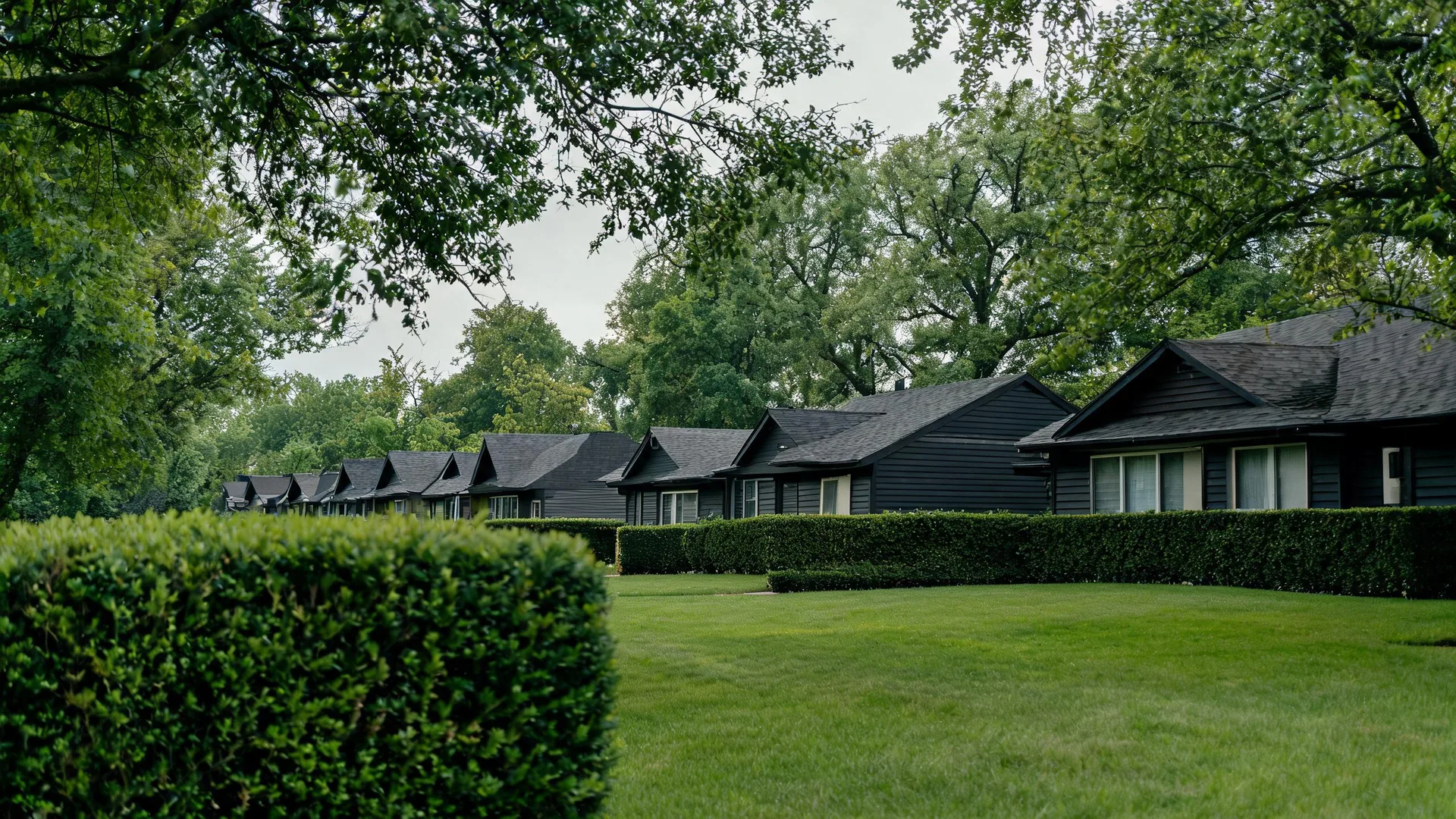



A row of dark-clad single-story cottages with gabled roofs behind trimmed hedges, with a mown lawn in the foreground and large leafy trees under an overcast sky.

Furnace Installation in Hastings, MI

Tell us about the job

Takes about a minute. No obligation.

New system or replacementFurnace or heatingBarry County, MI
Step 1 of 2

What ZIP code is the job in?

More than half the homes in Barry County heat with utility gas, and that's what a furnace means here in most cases. If your old system ran on gas, replacing it with another gas furnace is the straightforward path, since the gas line and venting are already in place. LP gas is the next most common here at 26%, mostly in homes without access to utility gas lines, and those furnaces install the same way with a propane tank instead. Electric furnaces and oil or kerosene systems make up a small share of homes here, so parts and service for those are less common than for gas.

8 months
October through May, your furnace is on duty
19°F
the average winter night it heats against
53%
of homes here heat with gas, so most furnaces here burn gas
80% AFUE
the federal minimum any new unit must meet
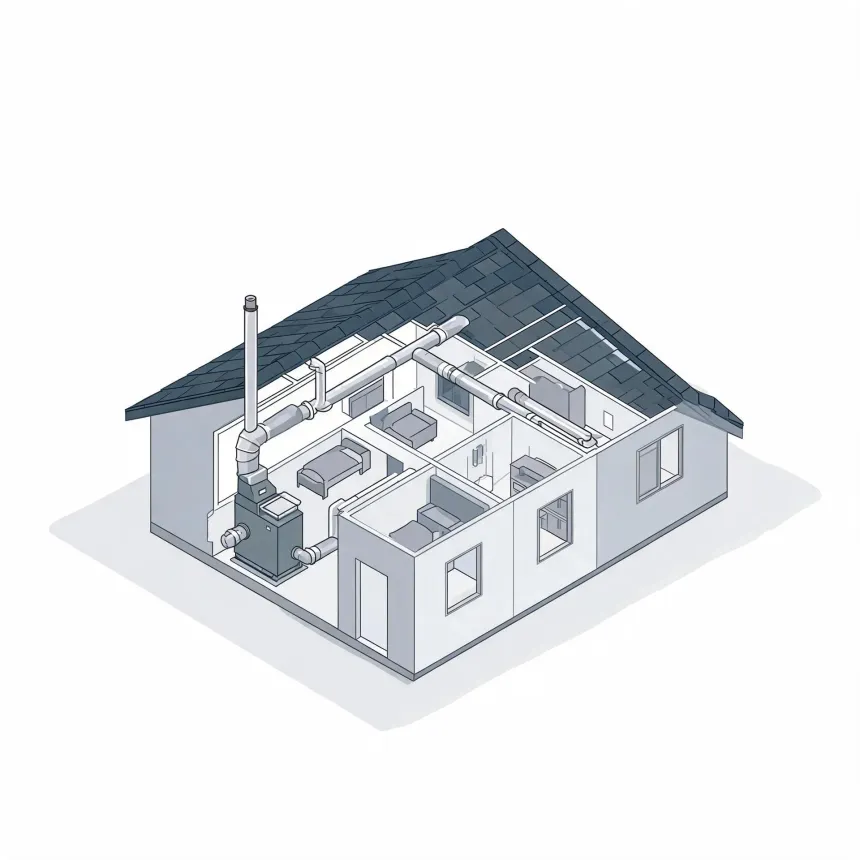
Isometric cutaway illustration of a single-story house showing interior rooms with furniture, ceiling ductwork, a furnace unit with a tall flue pipe, and a dark shingled roof.
Your furnace works hardest from November through March.

NOAA nClimDiv, 1991–2020 normals

Natural gas ran $10.21 per million Btu in Michigan in 2024.

A standard-efficiency furnace sized right for your house is the sensible pick here, not an upsize.

Heat starts in October, so September is when you want this done

Heat runs October through May
Climate zone 5A
Winter nights average 19°F
A furnace built for an average Hastings homeHalf the homes in Barry County were built in 1976 or earlier, half later. Standard sizing fits either one.

Hastings sits in climate zone 5A, where winter is the bigger job for a furnace and the code accounts for that. Any furnace manufactured today has to hit at least 80 percent AFUE, gas or propane. That floor stays in place until December 2028, when it moves to 95 percent for non-weatherized gas furnaces built from that date on. A furnace installed now still has to meet whatever rule applies on its manufacture date, so this isn't something you can plan around by waiting. Beyond the minimum, a contractor can size and rate a system for what your house actually needs, and the federal tax credit for qualifying high-efficiency furnaces is worth asking about when you compare options.

The right size for your house is the right call here

Barry County sees its share of wind and winter storms, but that's not a reason to size up. A standard furnace built to code handles what this county sees. Pick the size and efficiency that fit your house, not the weather.

Find a contractor
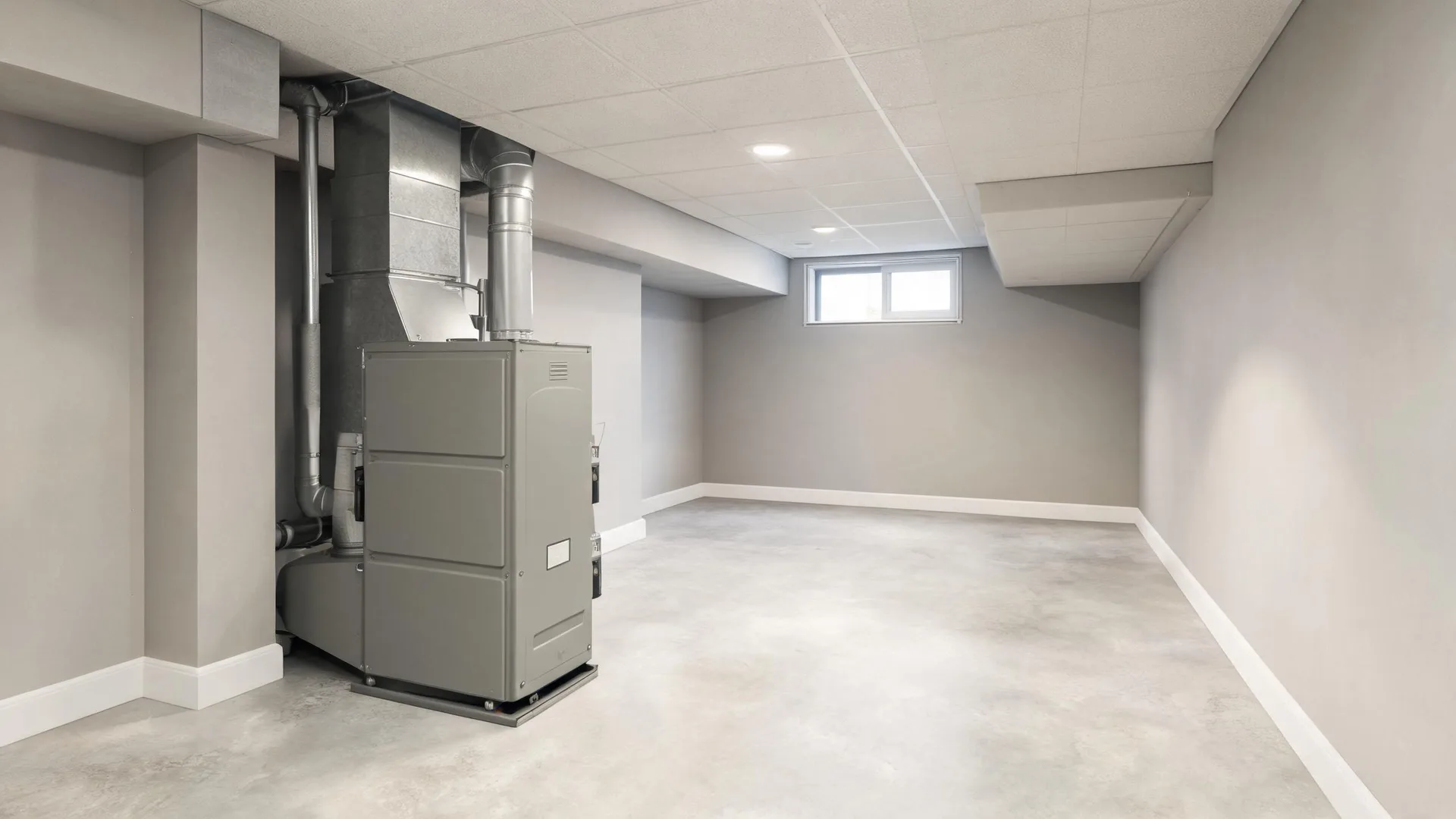
A gray high-efficiency gas furnace installed in an unfinished basement, surrounded by gas lines, a condensate drain, and sheet-metal ductwork.

Eight months a year, down to 19°F at night

October through May, that's eight months of the year this furnace runs. Overnight lows average 19°F through December, January and February, so a lot of those eight months are spent working against real cold, not just taking the edge off. That's the load a furnace here carries every year, not the exception. A system sized right for your house handles that load the way it's meant to, year after year.

Ask what AFUE rating each quote is built around

Contractors can quote the same furnace size and mean different things about how it runs. AFUE tells you how much of the fuel actually becomes heat in your house versus what goes out the vent. A higher rating costs more up front but burns less gas all winter. Ask for the AFUE number in writing, not just 'high efficiency.'

Ask how they sized it, not just what size they picked

A furnace sized off the old unit or a square footage rule of thumb can run wrong for your house. A contractor should walk the house, check the insulation and windows, and run a load calculation before naming a size. If nobody mentions measuring anything, ask what the number is based on.

An unfinished basement containing a gray HVAC furnace with ductwork, exposed wooden joists, a concrete floor, and miscellaneous clutter in one corner.

A high-efficiency gas furnace would save about $130 a year to run in Barry County compared with a gas furnace.

  • A high-efficiency gas furnace$590 a year
  • A gas furnace$720 a year

Estimates for a typical Barry County home, from EIA household energy data, Michigan fuel prices and NOAA climate normals. Your home will differ.

The old furnace comes out first, along with the flue pipe and any ductwork that doesn't match up with the new unit. A contractor checks the gas line and venting before setting the new furnace in place, since both have to match what the new unit needs, not just what the old one used. Once it's set, the gas line, flue and ducts get connected and tested for leaks before anything runs. Startup comes next. That means checking gas pressure, airflow and the rise in air temperature across the furnace, and making sure the thermostat talks to the new system correctly. A combustion analyzer gets run on the furnace once it's firing, to check that it's burning clean and venting properly. Most of the time the whole job happens in one day, with the furnace running and tested before anyone leaves.