



What the cold does to a heat pump here
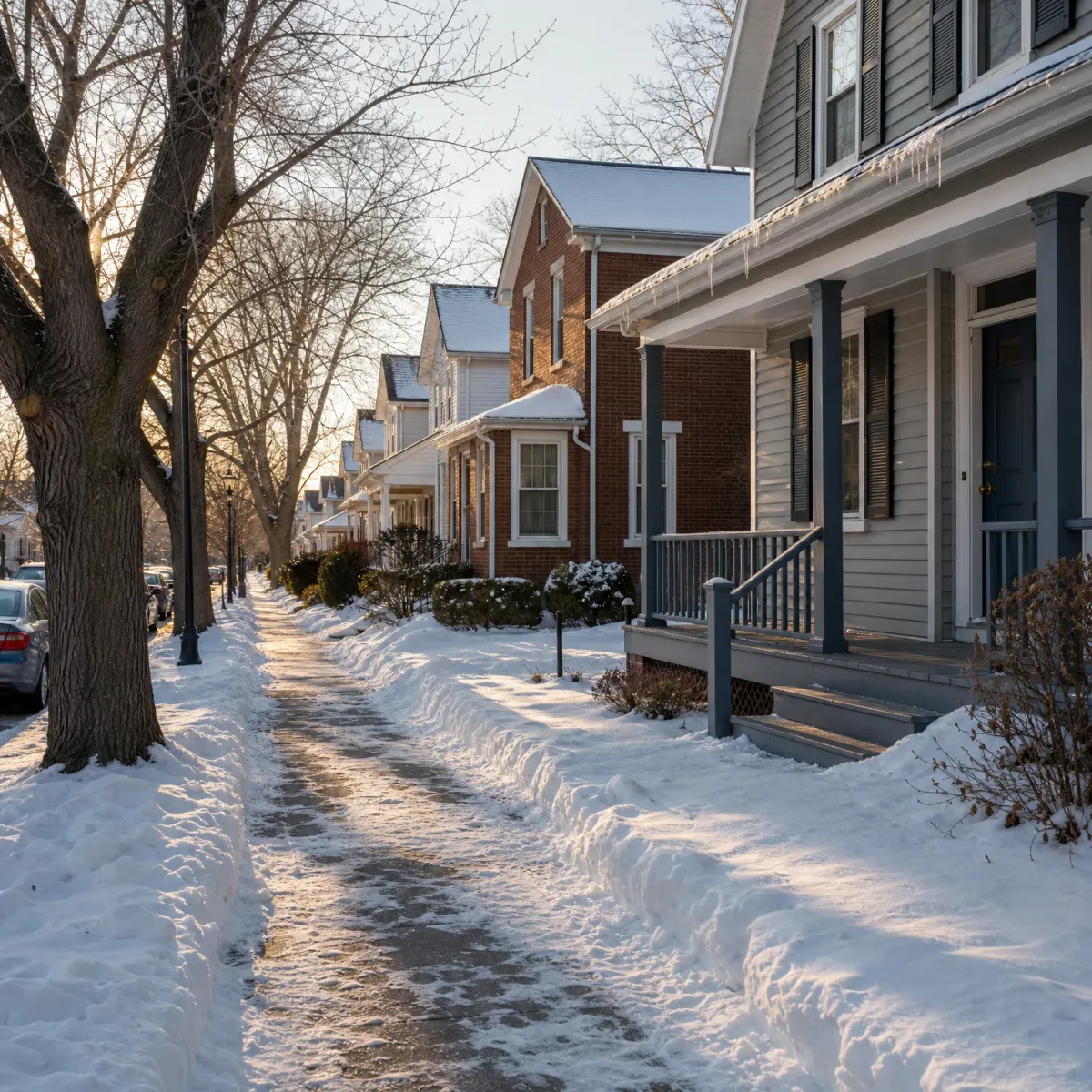
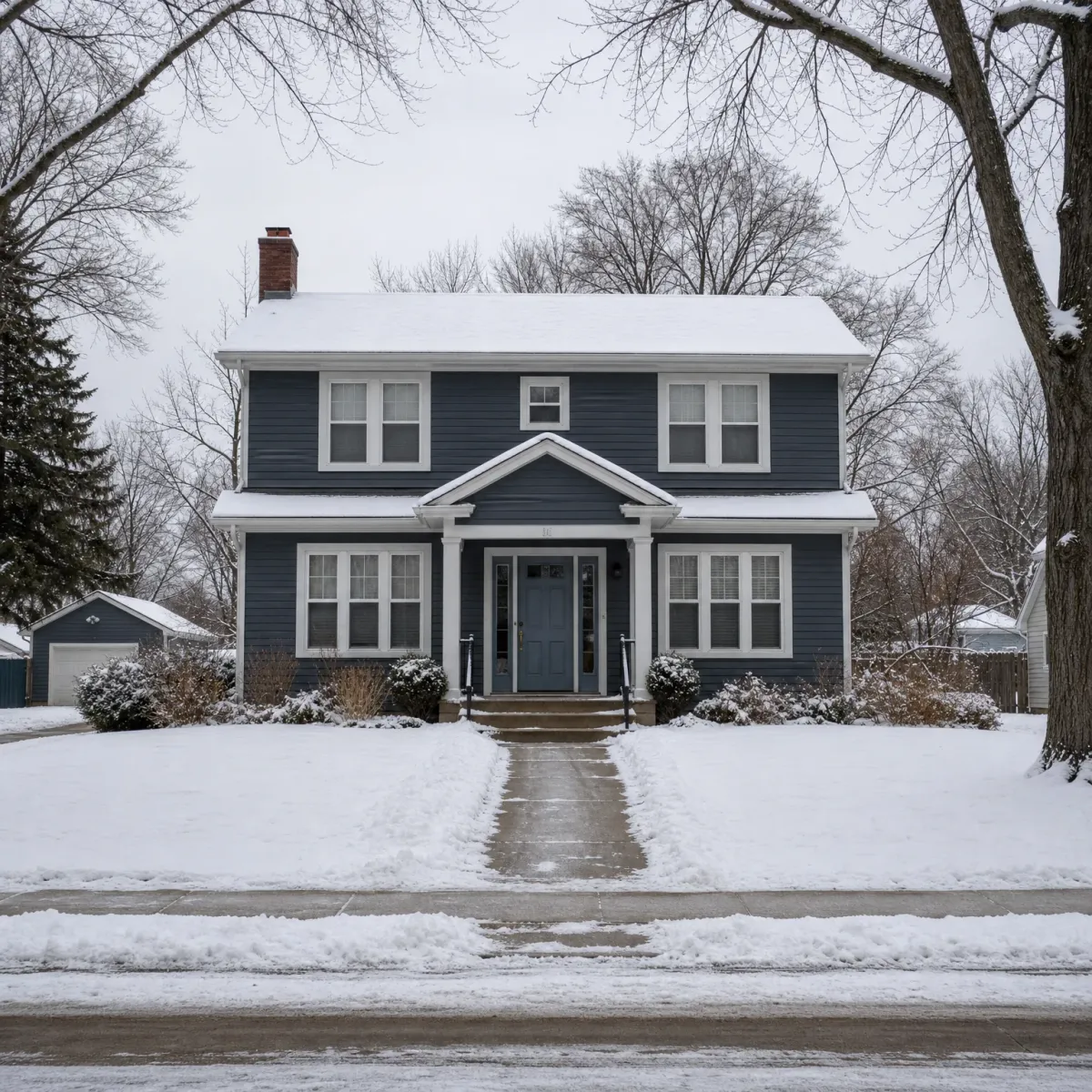
Winter is the long season in Barry County. Heat runs eight months, October through May, against three months of cooling. Whatever you install is mostly a heating decision, not a cooling one.
A standard heat pump starts losing ground below 40°F, and below about 35°F it usually needs backup heat to keep up. The average overnight low here in December, January and February is 19°F, below both marks. On about 145 nights a year, over half the nights in heating season, the low drops to freezing or colder, and every one of those nights is past the point where a standard heat pump is working at its rated capacity.
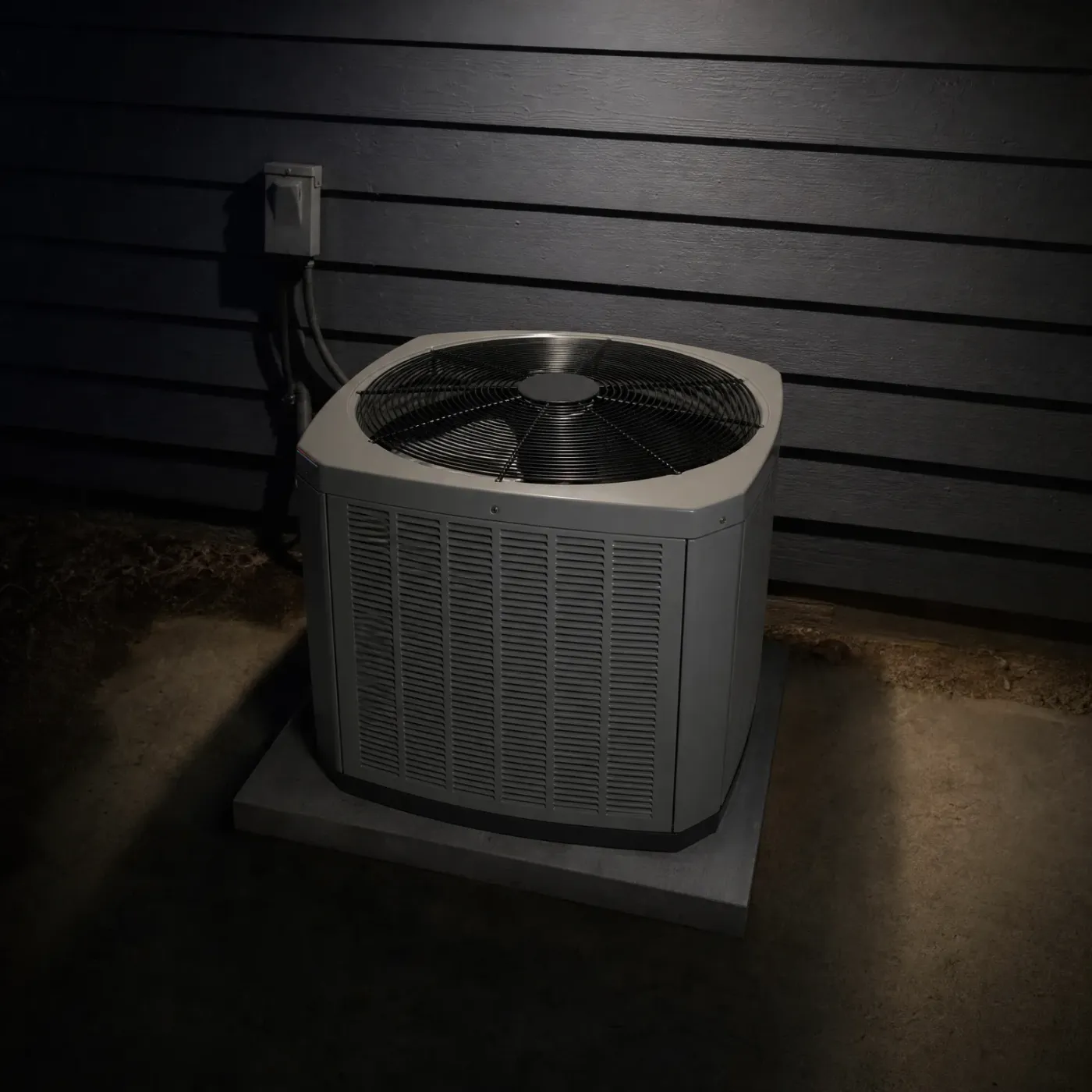
That doesn't rule out a heat pump. Seven nights a year here reach 0°F, a small share of the 145 freezing nights. A cold-climate heat pump, the kind certified to still deliver most of its rated heat at 5°F, is built for exactly that stretch. Field testing on prototype cold-climate systems found backup heat carried only a small share of the load between 0°F and 35°F, and the system running on backup alone was rare even above 0°F. The standard equipment is what struggles here. The cold-climate equipment is built for this winter specifically.