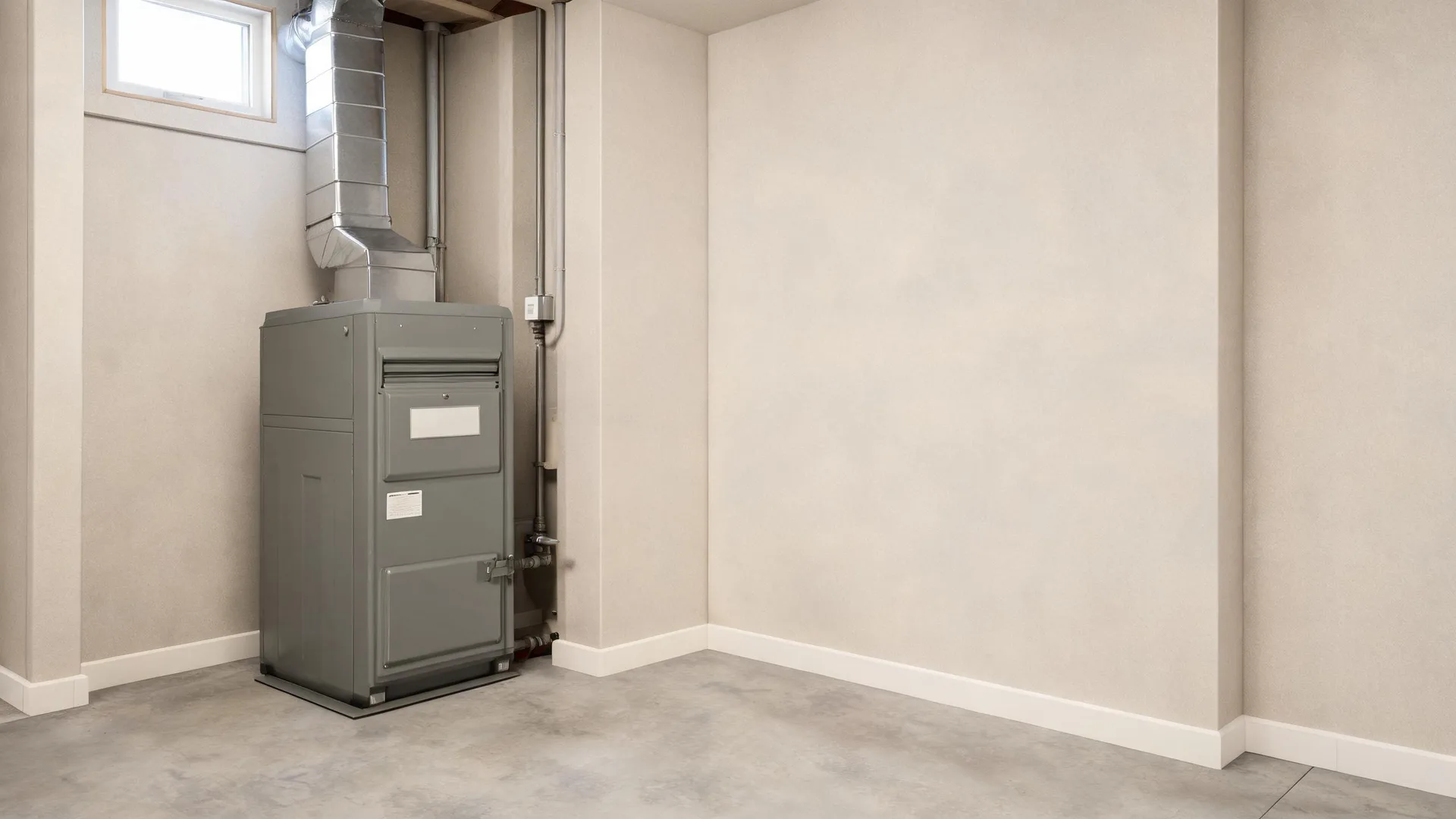
A dark two-story house with a wraparound covered porch sits behind a trimmed hedge and a mown lawn, framed by two large leafy trees.

Furnace Installation in Troy, MI

Tell us about the job

Takes about a minute. No obligation.

New system or replacementFurnace or heatingOakland County, MI
Step 1 of 2

What ZIP code is the job in?

Weather here is rough on equipment

Oakland County logged 210 severe weather events between 2015 and 2024, including 164 damaging wind events and 25 hail events. A furnace installed here shares the property with an outdoor system exposed to that weather year after year.


Power doesn't always stay on

More than a third of Michigan households went at least 24 hours without power in 2024. A furnace that depends on electricity to run, even a gas one, stops working when the power does.

8 months
October through May, your furnace is on duty
19°F
the average winter night it heats against
86%
of homes here heat with gas, so most furnaces here burn gas
80% AFUE
the federal minimum any new unit must meet
Isometric cutaway illustration of a single-story house showing interior rooms with furniture, a furnace unit with connected ductwork and a tall vertical flue pipe extending above the dark shingled roof.
Your furnace works hardest from November through March.

NOAA nClimDiv, 1991–2020 normals

Furnaces in Troy run eight months out of the year, October through May.

A system that works that many months a year needs to be sized and installed right, not just bought cheap.

Gas heats 85.9 percent of homes here, and that changes what a new furnace should be

85.9% of homes heat with gas
Climate zone 5A
Heat runs October through May
Get it done before OctoberFurnaces here run eight months a year starting in October, so September is the month to have it installed.

Oakland County falls under climate zone 5A, a designation that treats heating as the bigger demand on a furnace than cooling. Any gas furnace installed here now has to turn at least 80 percent of the fuel it burns into heat over the winter, the federal minimum for units built since November 2015. That floor is changing. Furnaces manufactured from December 18, 2028 onward have to hit 95 percent, which means more of the gas burned turns into heat in the house instead of going out the flue. A homeowner installing before that date can still choose a furnace rated anywhere from 80 percent up, and a federal tax credit is available for higher-efficiency units that qualify.

Plan this furnace for the power cuts and storms that come with living here

A new furnace install is the chance to decide where the outdoor equipment sits and how the system handles a power cut, before either one is a problem. Ask about placement that keeps it clear of falling branches and ice, and about backup options so a gas furnace can still fire when the grid goes down.

Find a contractor
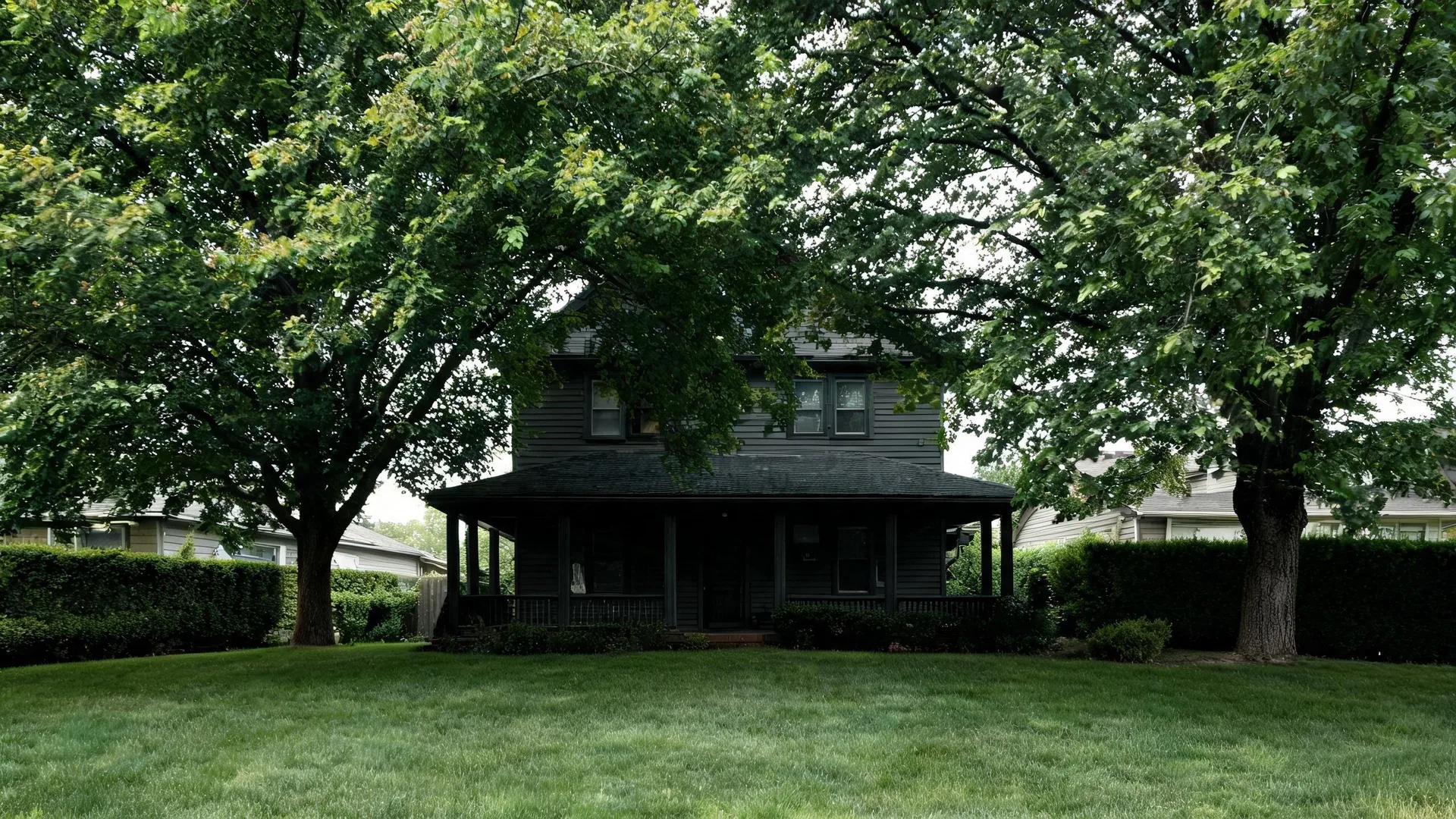
A gray gas furnace with attached ductwork and piping installed in an unfinished concrete basement.

Eight months a year adds up fast

Eight months of runtime means the burners cycle on and off more times over a winter, and the blower motor logs more hours doing it. None of that means the furnace is flawed. It is just what the work adds up to in a place that heats this long. Getting the size right at install matters more here than somewhere the furnace only runs a few months, because a unit that is too big or too small will show it sooner when it is working this hard, not later.

The old furnace gets disconnected and removed

The gas line gets capped or reconnected to the new unit, the flue or vent pipe comes apart, and the electrical and thermostat wiring gets disconnected before the cabinet is taken out. If the old furnace shares a flue with a water heater, that venting often needs a second look, since a furnace alone draws differently than a furnace and water heater venting together.

What's left behind matters as much as what's new

Old ductwork, the plenum, and the condensate drain often get reused rather than replaced, so a tech checks whether they fit the new furnace before calling the job finished. A duct sized for the old blower can choke a new one, and a drain line that worked fine before can clog or freeze if it was already marginal.

A bare concrete basement containing a gray gas furnace with metal ductwork and a vertical flue pipe, lit by a single hanging bulb.

A high-efficiency gas furnace would save about $130 a year to run in Oakland County compared with a gas furnace.

  • A high-efficiency gas furnace$590 a year
  • A gas furnace$720 a year

Estimates for a typical Oakland County home, from EIA household energy data, Michigan fuel prices and NOAA climate normals. Your home will differ.

Installation starts with sizing the ductwork and venting to the new furnace, not just swapping boxes. A tech runs a load calculation so the new unit is matched to the house instead of guessed at, since the wrong size shows up later as short cycling or rooms that never get warm. Once the furnace is set and anchored, the gas line gets pressure tested before anything is lit, and the vent pipe is checked for the right pitch so exhaust actually leaves the house instead of pooling. The electrical and thermostat wiring gets connected and tested, then the system runs through a full cycle while the tech checks the temperature rise, the flame, and the airflow at the vents. Carbon monoxide gets tested before the job is called done. A furnace that passes all of that on day one is a furnace that was installed right, not just installed.