Why your gas furnace won't light in Troy, MI

RepairFurnace or heatingOakland County, MI
Step 1 of 2

What ZIP code is the job in?

A gas furnace that won't light usually comes down to one of a few things. The igniter can fail and stop glowing hot enough to catch the gas. The flame sensor can get coated with residue and stop telling the control board a flame is there, so the system shuts the gas off as a safety measure. A clogged filter can choke airflow and trip a limit switch that keeps the burners from firing. Pressure switch problems from a blocked vent cause the same no-light result, especially after a hard freeze when exhaust pipes can get blocked. In Troy, with furnaces running hard through a long, cold winter, these parts wear faster than people expect. None of this is something to force past by relighting it yourself over and over. A furnace that refuses to light is doing that on purpose, as a safety response, and the fix depends on finding which part triggered it.

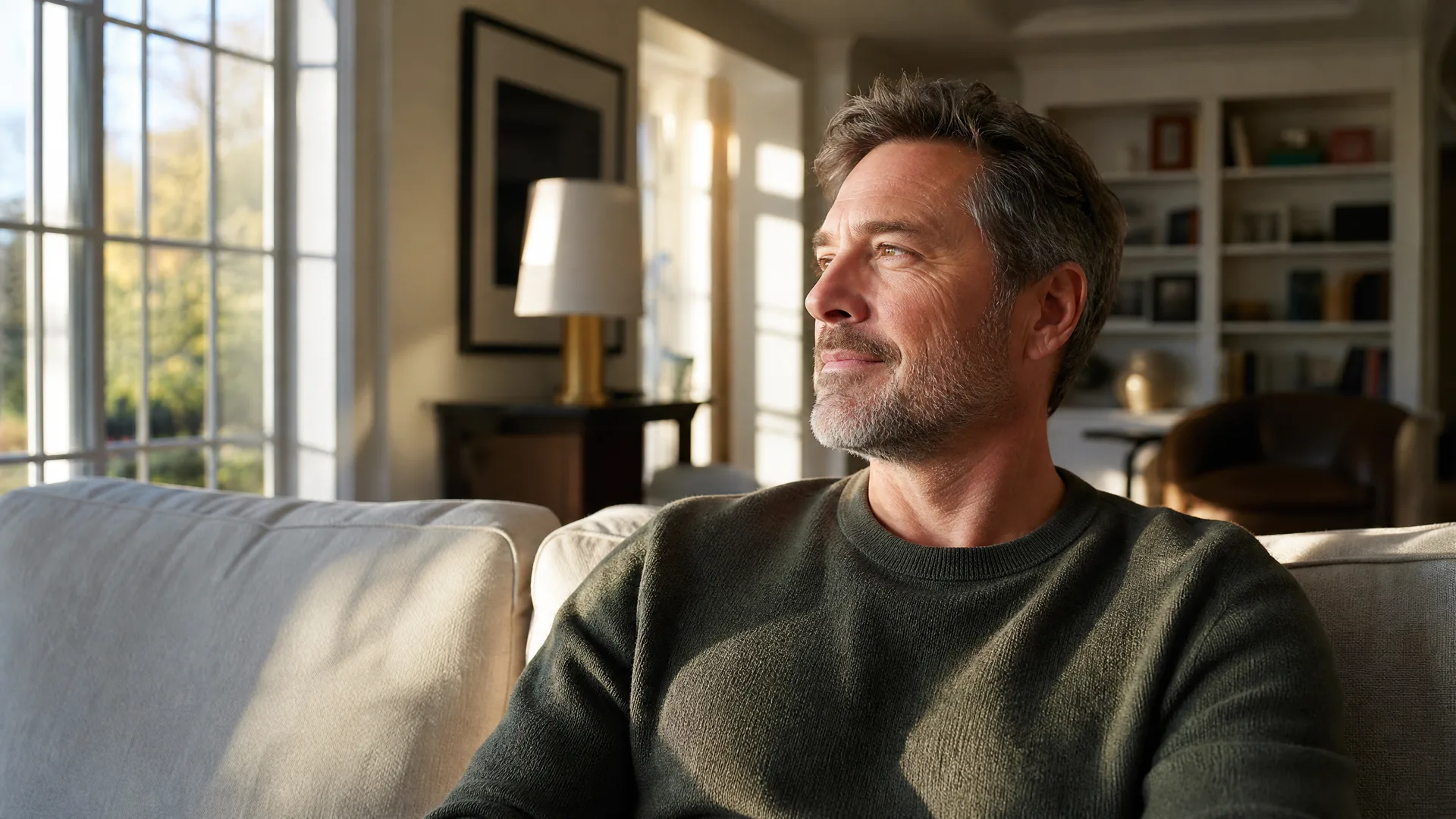
A man with greying hair in a dark green sweater sits on a light sofa in a sunlit living room, looking off to the side, with a large window, table lamp, framed art and white built-in shelves behind him.
A gray-haired man in a dark navy sweater sits on a light sofa in a living room, looking toward a sunlit window with a houseplant and wooden cabinet behind him.
A gray-haired man in a dark green ribbed sweater sits on a light sofa in a living room, looking toward a sunlit curtained window with a potted plant and lamp nearby.
A middle-aged man with gray hair and a beard, wearing a dark green sweater, sits on a light sofa in a sunlit living room with large windows, a potted plant, and a dining area in the background.

Why does your furnace just click and never light?

You turn up the thermostat and hear the furnace try. Maybe it clicks a few times, maybe the blower runs with no heat behind it, maybe you hear nothing at all after the initial hum. Some furnaces will attempt to light three or four times before the control board locks out and makes you reset it at the switch. If yours has been doing that over several days, the part causing it is wearing out, not having an off night. Left alone through a Troy winter, a furnace that won't light at all means no heat in the house while temperatures outside sit well below freezing, and pipes along exterior walls are the first thing to worry about.

  1. Thermostat calls for heat and sends power to the control board.

  2. Inducer motor starts and pulls air through to clear the exhaust path.

  3. Pressure switch confirms draft before gas is allowed to flow.

  4. Igniter heats up or the control board sends a spark to light the burners.

What You Can Check, What Needs a Pro

Safe to try yourself

  • Check that the thermostat is set to heat and a few degrees above room temperature, since a setting left on cool won't call for heat at all.
  • Look at the furnace door and make sure it's fully latched, since most furnaces have a switch that won't let the unit run with the panel loose.
  • Check the breaker for the furnace in your electrical panel, since a tripped breaker will stop the control board from getting power.
  • Replace the air filter if it's visibly dirty, since restricted airflow can trip a safety switch and stop the ignition sequence.
  • Check that the switch on or near the furnace, often shaped like a light switch, hasn't been bumped off.

Needs a licensed technician

  • A failed igniter has to be tested with a meter and replaced with the correct part for your furnace model.
  • A dirty flame sensor needs to be removed and cleaned without scratching it, or it has to be replaced if the coating won't come off.
  • A pressure switch that won't close can mean a blocked vent pipe, a failing inducer motor, or a switch itself gone bad, and each needs separate testing to tell apart.
  • Gas valve problems involve a live gas line, and opening one without the training to do it safely isn't something to take on at home.
  • A control board that won't send power where it should has to be diagnosed against the furnace's wiring diagram, since the fix depends on which signal is missing.
A gray high-efficiency furnace stands on a concrete basement floor beside sheet-metal ductwork, with white PVC vent pipes and a black flexible line running up to exposed wood floor joists, next to a wood-framed post against a concrete wall.

Furnace lighting the way it should

This is a furnace that catches on the first try. The igniter glows, the flame sensor confirms it, and the burners stay lit call after call. Nothing here needs attention yet, but a furnace that's starting to struggle often still looks this normal from the outside.

A beige metal furnace with a louvered front panel stands on a concrete floor against a concrete wall, connected to galvanized sheet-metal ductwork and a metal pipe.

Furnace that won't catch

This older furnace sits quiet when it should be running, the round flue pipe cold instead of venting exhaust. Age alone doesn't stop a furnace from lighting, but worn parts fail more on units that have run for many winters. A Troy contractor who services furnaces like this one can tell you which part gave out.

Why does my furnace try to light but keep failing?

You turn the thermostat up, the furnace tries, and it keeps trying and failing instead of settling into a steady burn. It's not that it never does anything. It gets partway through the sequence and stops, or it lights for a second and then goes out. That repeated attempt and failure usually points to something specific, not a random glitch.

The flame sensor or igniter is likely losing the signal partway through

A furnace that tries and fails is different from one that's silent. It means the control board is getting past the first steps, pulling air through the inducer and clearing the pressure switch, but losing the flame signal right after ignition. Most often the flame sensor has a thin layer of residue on it from normal burning, and it can't read the flame well enough to tell the board to keep the gas open. A weakening igniter does something similar, glowing just enough to catch gas once in a while but not every time. Either part can be cleaned or replaced, and a furnace tech working Troy and Oakland County homes through a hard winter sees both often enough to know which one is failing just by how the furnace is behaving.

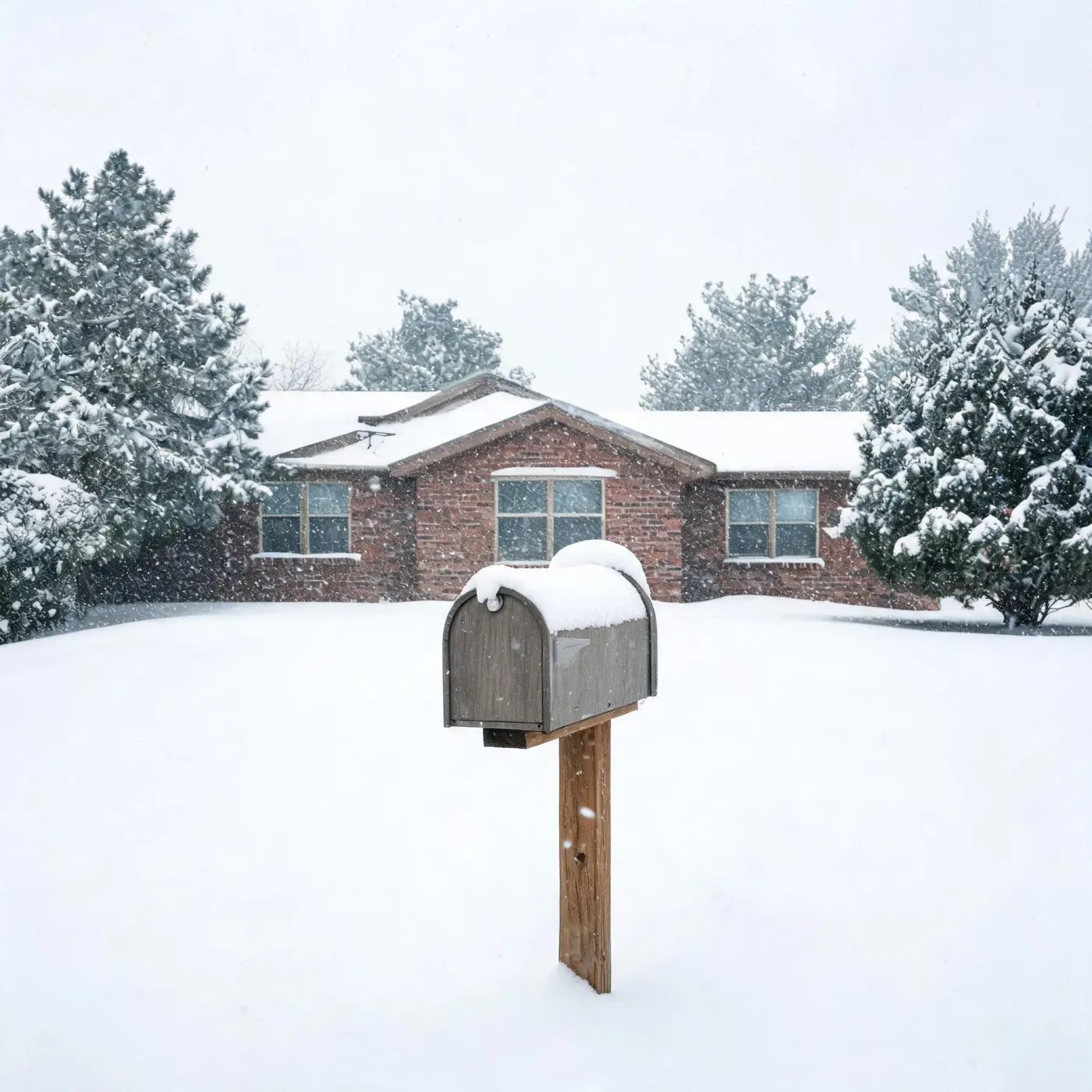
A snow-covered mailbox on a wooden post stands in a deep snowy yard in front of a single-story brick house flanked by snow-laden evergreen trees during falling snow.

Oakland County winter nights average 19°F, December through February, and that's when a furnace that won't light gets noticed fast. At that temperature a house loses heat quickly, so a failed ignition doesn't give you an hour to think it over. You'll feel it in the first thirty minutes, usually in the coldest room first. Cold snaps like this are also when a marginal igniter or a sensor that's been slowly fouling finally gives out, since the furnace is running longer and more often to keep up. A local contractor who works on furnaces all winter in this area has likely already seen this exact failure a few times this season, on the same furnace models that are common here, and can usually tell what's wrong before the panel even comes off. Data: NOAA climate normals for Oakland County, MI.

NOAA nClimDiv 1991-2020

Skip the search

A furnace that won't light in Troy doesn't wait for a good time. You're left checking the pilot light instructions that don't apply to your ignition system, searching for someone who works on your brand, calling two or three companies to compare what they'd charge, and repeating the same description of the clicking and the cold air to each one. That's the part that eats the evening while the house keeps losing heat. A request here goes to one licensed contractor who works in Oakland County and sees this same failure, an igniter that's worn out or a flame sensor that's stopped reading a flame, all winter. You're not getting five calls back at once, and you're not explaining yourself twice. Someone who already knows what tends to go wrong in a furnace like yours gets the details once, and you get your night back while the house gets warm again.

Most furnace control boards will try to light three times before locking out and shutting the whole system down until someone resets it or power cycles the unit.

That lockout is the board protecting itself from feeding gas into a burner that isn't catching, not a sign the furnace is done for good, and a contractor can usually find the one part behind it.

Why does a furnace that won't light matter so much here?

  • Winter nights average 19°F

    Nights average 19°F in December, January and February, so a furnace that won't light leaves a house losing heat fast, not slowly.

  • Heat runs October through May

    Furnaces here run from October through May, about eight months a year, which is a long stretch for an igniter or flame sensor to hold up.

  • 85.9% of homes heat with gas

    85.9% of homes in Oakland County heat with gas, so a failure like this is one most of your neighbors will deal with too.

NOAA nClimDiv 1991-2020 · ACS 2020-2024

Where this leaves you

  • A gas furnace that won't light is almost always the igniter, the flame sensor, or a pressure switch stopping the sequence partway through.
  • The control board locks out after three failed tries, which is the board protecting itself, not a sign the furnace is done for good.
  • A furnace that stops at the same step every time is pointing at one part, not a mystery that needs guessing.
  • In Oakland County winters, a furnace that won't light needs a fix the same day, not a wait and see.
  • Fixing it means someone who works on gas ignition systems checking the sequence in person, not another night of troubleshooting on your own.

A furnace that won't light is doing exactly what it's built to do when something in the sequence fails. The control board checks for a draft, waits for ignition, and shuts down rather than feed gas to a burner that isn't catching. That's not the furnace failing you. It's the furnace refusing to do something unsafe. Somewhere between the inducer motor starting and the burners staying lit, one step didn't confirm, and the board stopped the whole process at the same point it always will until that part gets fixed. The igniter not glowing hot enough, a flame sensor coated with residue, a pressure switch that won't close, each one stops the sequence at a different stage, and a furnace that fails at the same stage every single call is telling you plainly which one it is. That's useful. It means a contractor who works on gas furnaces isn't starting from zero. They're checking the part that stage points to first. None of this changes what a 19°F night in Oakland County does to a house with no heat. The diagnosis matters because the weather doesn't give you room to wait on it. A furnace that clicks and quits in October is the same problem as one that does it in January, but the clock you're working against is shorter in January. Either way, the fix is the same: someone qualified, in person, looking at the actual sequence instead of guessing at it from the thermostat.
A woman with shoulder-length dark brown hair in a cream knit cardigan sits in an upholstered armchair beside a window, looking off to the side, with a white bookshelf and potted plant blurred behind her.
A woman with her hair in a bun sits wrapped in a beige knitted blanket on a couch, holding a sleeping child against her chest in a warmly lit room with a lamp and houseplant in the background.

Explain it one time

A furnace that won't light needs someone who can tell the igniter from the flame sensor from a bad pressure switch, not a guess over the phone. The contractor this connects you with works on furnaces around Troy every winter and knows which part tends to fail and why. You get one call, not three or four companies competing for your number, and no explaining the same problem over and over. That part of this is settled. Getting the furnace lit again is still the work ahead.

Start one form

A licensed pro who works in Oakland County gets your request.

There's no charge for the request.