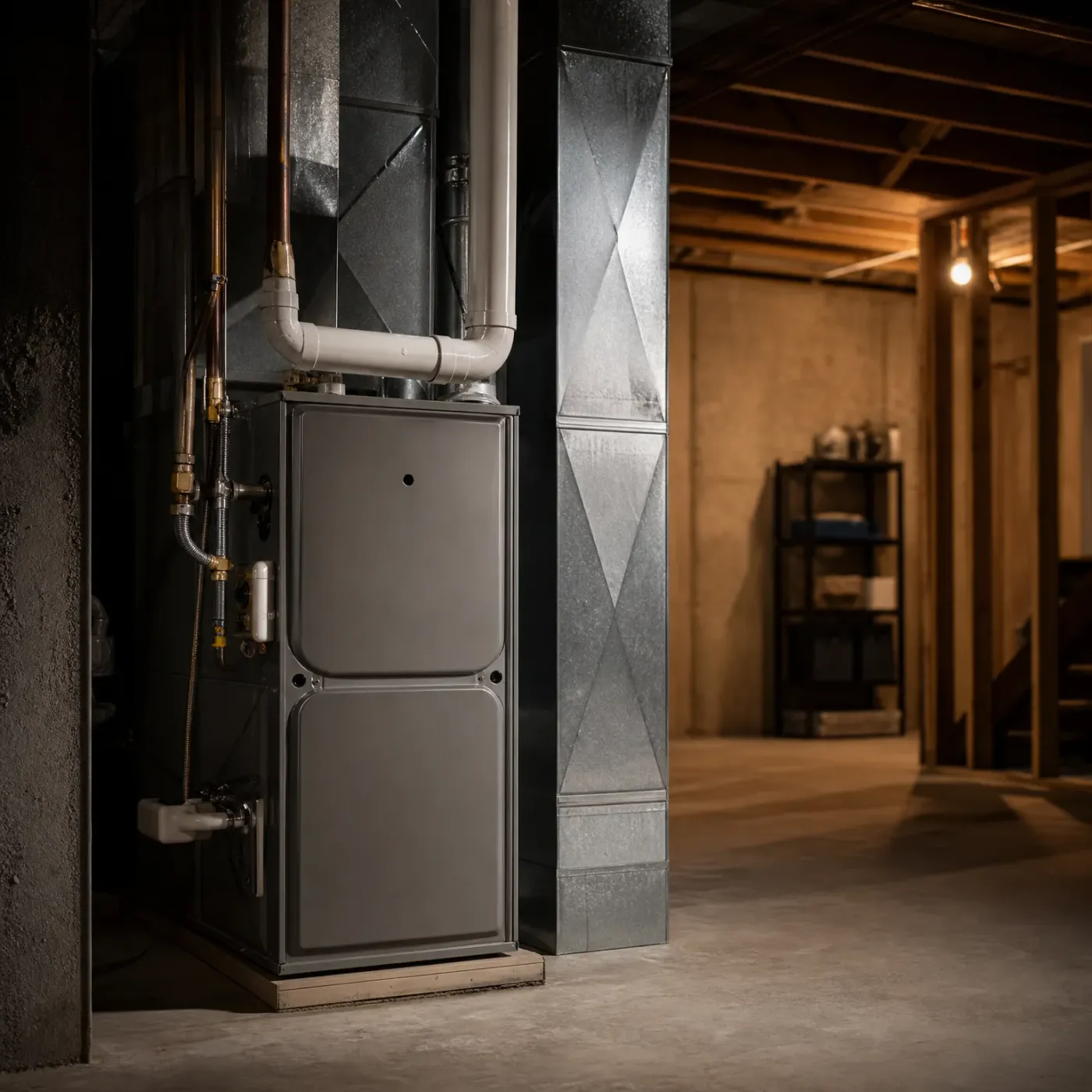

A gray gas furnace with copper and PVC piping stands beside large galvanized sheet-metal ductwork in an unfinished basement with concrete floor, wood framing, and a glowing bare bulb in the background.

Matched to your furnace job

Heat pump vs propane heat in Shelby, MI

Winters are hard in Shelby, and most homes around here run on propane. A heat pump can still cut your fuel use, but whether it makes sense for your house depends on your ductwork, your propane setup, and how your furnace is sized now. This page walks through that. If you want a straight answer for your own house, a local contractor who installs both can look at what you have and tell you what fits.

Find my pro

A heat pump alone will struggle with a Shelby winter. Below around freezing it pulls less heat out of the outside air, and once temperatures drop into the teens and lower, most heat pumps can't keep up with the house on their own. That's why the setups that work well here pair a heat pump with the propane furnace you already have, instead of replacing it. The heat pump runs for most of fall and spring and the milder winter days, since it moves heat more cheaply than propane burns it. The furnace kicks in once it gets too cold for the heat pump to keep up. You keep the propane for the hardest weeks of winter, and use less of it the rest of the year. Whether that split makes sense for your house depends on how your furnace is sized and whether your ductwork and the rest of your setup can run both.

A gray gas furnace stands on a concrete basement floor, connected to sheet-metal ductwork, white PVC vent pipes, and a yellow gas line, with plastic sheeting covering the walls.

Furnace running as it should

A furnace in good shape, like this one, vents cleanly through PVC piping and keeps a steady flame at the burner. Paired with a heat pump, it only has to carry the coldest stretch of the year, so it burns less propane overall while still handling single digit nights without strain.

A metal furnace with louvered panels stands against a concrete basement wall, connected to sheet-metal ductwork and a round flue pipe, with wooden framing posts and a pipe nearby.

An aging furnace on its own

A furnace this old is working harder to do the same job, and dust on the cabinet often means dust in the heat exchanger too. Running it alone through a Shelby winter means every cold night is on propane, with no heat pump to pick up the mild days in between.

Is your furnace running nearly nonstop this winter

If your furnace is cycling on and off all day, or running for long stretches without shutting off, it's doing all the work on its own, and your propane tank is draining faster for it. Check your propane gauge against last year's fill-ups. If you're calling for a delivery more often, or the tank's dropping faster than it used to, that's the furnace covering a load a heat pump could share. A furnace that short-cycles or runs constantly also wears out its igniter and blower motor sooner. If your ductwork was sized for a furnace alone, that's worth knowing before you add anything to the system, since a heat pump moves a different volume of air.

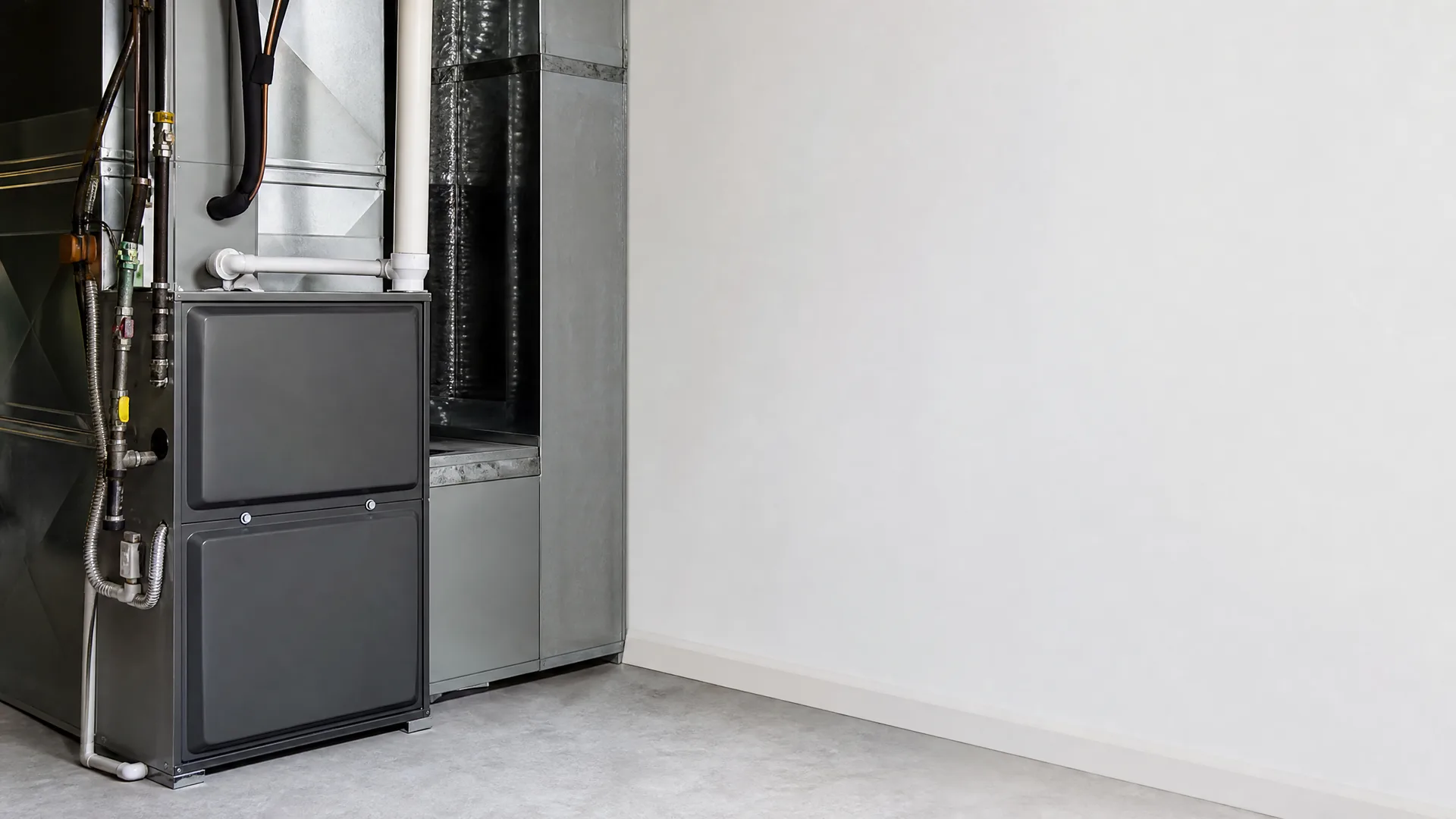
A dark gray furnace unit with connected ductwork, pipes and flexible hoses stands in the corner of an empty room with bare white walls and a concrete floor.

How a heat pump moves heat

A heat pump doesn't burn anything to make heat. It runs a refrigerant cycle like your air conditioner, but in reverse, pulling warmth from the outside air and moving it inside. That's why it loses ground as the air gets colder. There's simply less heat out there to grab. At 40 degrees it works fine. At 15 degrees it's pulling from thin air, and the house needs more than it can deliver. That's the point where the furnace needs to take over.

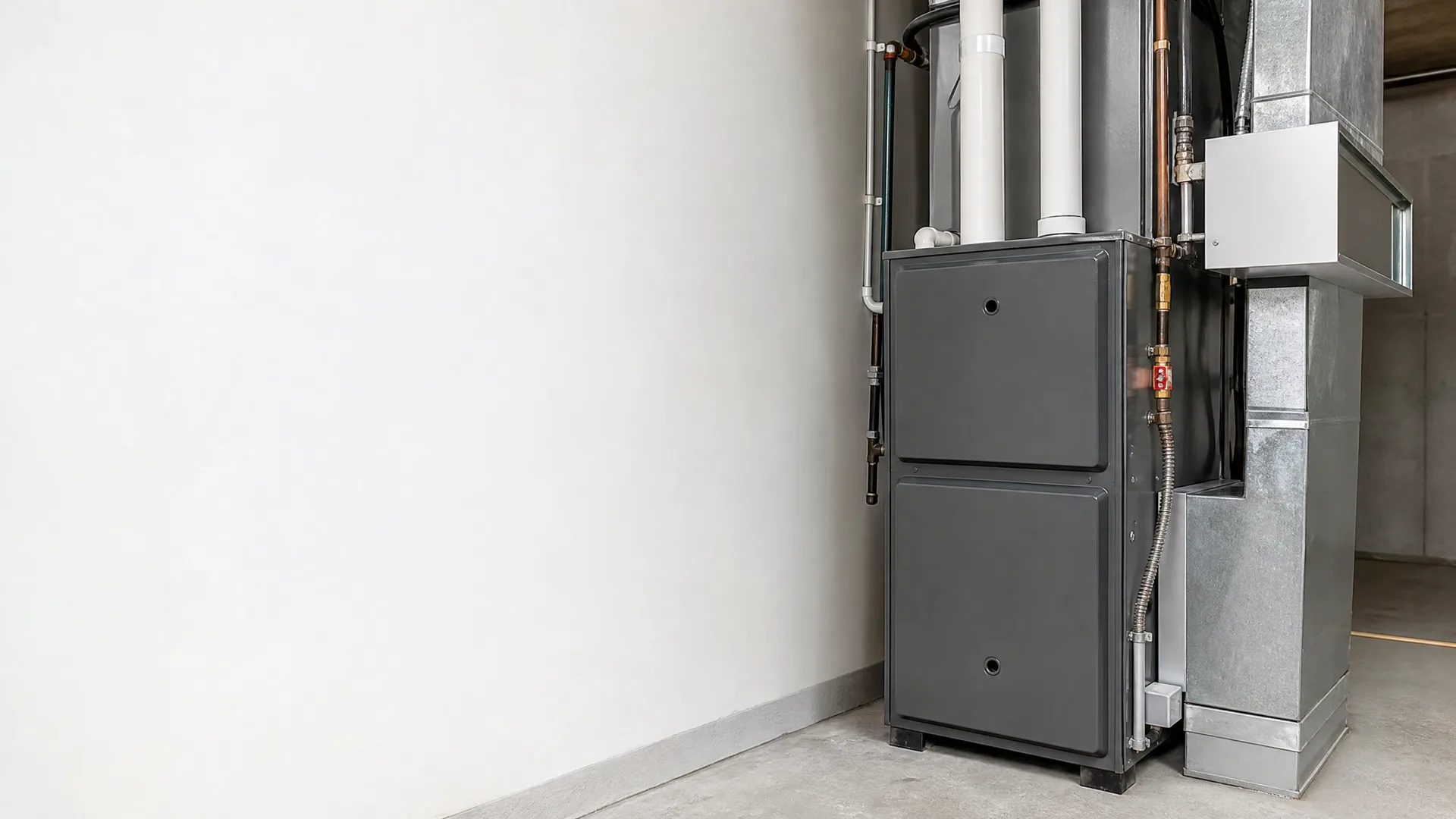
A gray high-efficiency furnace stands against a plain white wall in a concrete-floored utility room, connected to white PVC vent pipes, copper gas lines, and sheet-metal ductwork.

The switchover is automatic

A dual fuel setup uses a thermostat that tracks outdoor temperature and switches between the heat pump and the furnace on its own. You set the changeover point once, usually somewhere in the 30s, and it handles the rest through the winter. You won't be flipping a switch at 10pm when the temperature drops. The furnace kicks on, burns propane while the cold snap lasts, and the heat pump takes back over once temperatures climb again.

How cold does it get, and how long does that furnace have to run?

  • Winter nights average 18°F

    Winter nights here average 18°F across December, January and February, according to NOAA climate data. That's cold enough that a heat pump alone can't carry the house.

  • Heat runs September through May

    Heat runs September through May in Oceana County, about nine months of the year. That's nine months your furnace or heat pump setup has to actually perform, not just sit in the garage.

  • 36.3% of homes heat with propane

    36.3% of homes in Oceana County heat with propane, per Census data, more than any other fuel. That's the system most of your neighbors are already working around.

NOAA nClimDiv 1991-2020 · ACS 2020-2024

An older woman with gray hair in a gray knit sweater sits on a sofa under a knitted blanket beside a large window, looking out toward yellow autumn foliage, with a living room, fireplace and patterned rug behind her.
An older woman with gray hair in a cowl-neck sweater sits on a sofa under a blanket, looking out a large window toward trees with yellow autumn foliage.
A gray-haired woman in a light knit sweater sits in an armchair by a window, looking out at trees with yellow autumn leaves, with a dark ceramic mug on the sill and a plant in the foreground.
A gray-haired woman in a cream knit sweater sits in a chair by a large window, looking out at rolling hills covered in autumn-colored trees.

A furnace pro near you

A licensed installer who works in Oceana County gets your project.

No charge to send it. You decide if you hire them.

How the switchover actually works

  • A dual fuel system runs the heat pump until outdoor temperatures hit a set point, called the balance point, then switches the furnace on.
  • That switchover happens automatically at the thermostat or control board, so nobody has to flip between systems by hand.
  • The furnace still needs its own flue, gas line and combustion air just as it would running alone.
  • Most dual fuel setups put the balance point somewhere in the 30s, below that the furnace carries the load instead of the heat pump.
  • The outdoor unit and the furnace share the same ductwork and blower, so sizing both to that one duct system matters.
  • A contractor sets the balance point based on your propane cost against your electric rate, not on a fixed number every home uses.

Dual fuel means two systems sharing one job, and a control board deciding which one runs. The heat pump handles the house until the outdoor temperature drops to a set point called the balance point. At that point the board shuts the heat pump down and fires the furnace instead. You never touch a switch. The thermostat reads outdoor temperature, or the system does, and the changeover happens on its own, usually while you're not even thinking about it.

The furnace side of this still needs everything a furnace running alone needs. It needs its own flue to vent exhaust, its own gas line sized for the burner, and combustion air to feed the flame. Adding a heat pump doesn't simplify the furnace. It just changes how often that furnace fires.

Where that balance point sits matters more than people expect. Most installations land somewhere in the 30s, and below that line the furnace is doing the work, not the heat pump. Set it too low and the heat pump tries to carry cold it can't handle. Set it too high and you're burning propane when the heat pump could've managed fine on its own.

Both systems also run through the same ductwork and the same blower, so whoever sizes the equipment has to size it to that one duct system, not two separate ones. A contractor sets the actual balance point by weighing your propane cost against what you pay for electric, not off some number every house in Oceana County gets.

A gray high-efficiency furnace in a basement with sheet-metal ductwork, white PVC vent pipes, metal plumbing lines, a condensate pump on the floor, and a window showing green trees outside.
A furnace like this handles the coldest stretch of a Shelby winter without strain, flue and condensate lines clear and venting as they should.
An older metal furnace with PVC and metal pipes stands on a concrete basement floor beside galvanized ductwork, with wooden stairs and a water tank in the background.
A furnace left to run the whole season alone wears faster, and a dusty, neglected unit like this is more likely to fail on the night you need it most.
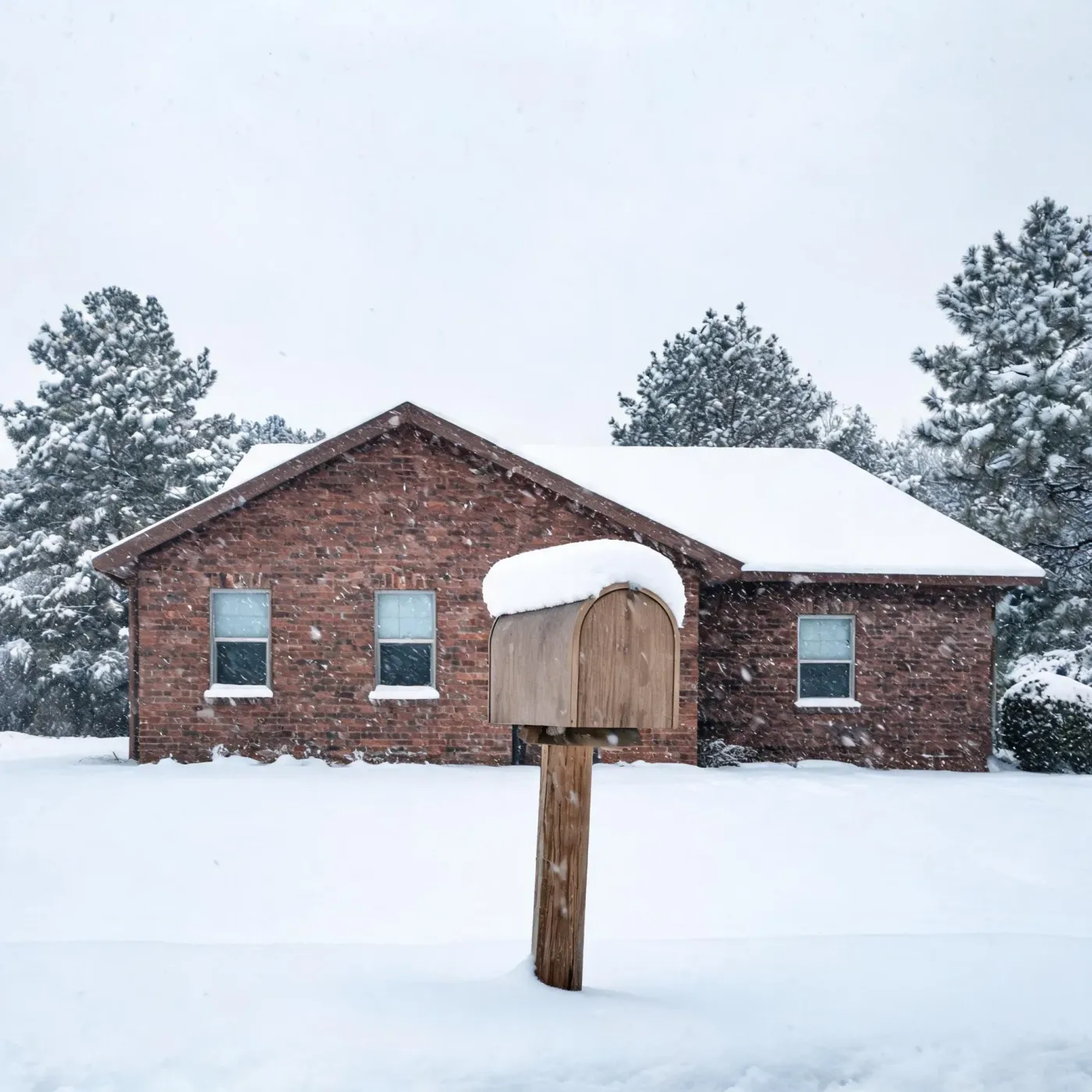
A snow-covered wooden mailbox on a post stands in a snowy yard in front of a single-story red brick house with a snow-laden roof, framed by snow-covered pine trees under an overcast sky with falling snow.

That 18°F average isn't the cold snap, it's a typical night. Your furnace sees that temperature over and over for three months straight, not just on the worst week. At that point a heat pump working alone is pulling heat out of air that's barely above freezing outside, so it has to run longer and harder to keep the house even. If yours is paired with a furnace, this is the range where the furnace should be picking up the load instead. A heat pump still trying to carry the house at 18°F is why some homeowners notice the air coming from the vents feels cooler than it used to.

NOAA nClimDiv 1991-2020

A woman in a grey knit sweater leans back with closed eyes in an armchair beside a window, with a ceramic mug on a round wooden side table and a yellow-leaved tree outside.
An older man with white hair and a beard sits in a padded armchair with his eyes closed and a slight smile, wearing a gray zip-up fleece, in a sunlit room with large windows and houseplants behind him.
A man with a duffel bag walks up a concrete path toward a white board-and-batten house where a woman stands in the open wooden front door, flanked by potted plants and black lanterns.

A dual fuel setup, sized for your house, is the answer

A heat pump paired with your furnace handles a Shelby winter the way the equipment is meant to. The heat pump carries the mild stretches, and the furnace takes over once temperatures drop to the balance point, so propane only burns when it's actually needed. That's the setup that fits what this area sees: 18°F nights for three months straight, not just a cold snap.

Getting the balance point and the sizing right for your ductwork and your current furnace is the part worth getting from someone who installs these locally. A contractor who works on this equipment every winter in Oceana County knows how these setups tend to fail when they're sized wrong, and can look at your furnace and your propane setup before recommending anything. You'll hear from one contractor, not a handful of them.

A mug and a small round vase sit on a wooden windowsill beside sheer and heavier curtains, with blurred autumn trees seen through the rain-speckled window and a sofa with cushions and a throw in the foreground.
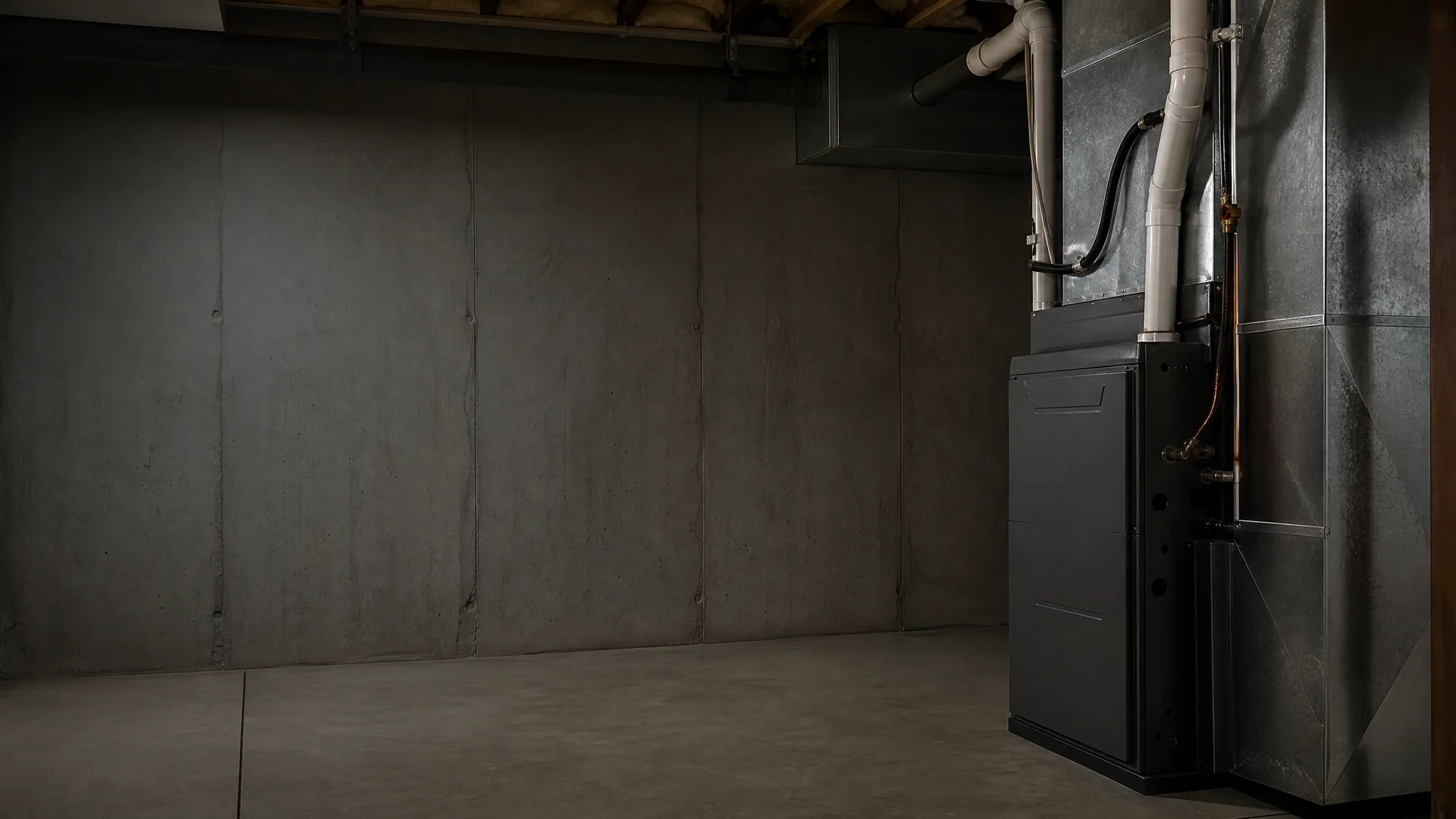
A dark basement with bare concrete walls and floor, with a furnace, ductwork, and PVC vent pipes along the right side.

Get matched with a furnace pro in Oceana County

Your request goes to one pro, not a list of companies.

New system or replacementFurnace or heatingOceana County, MI
Step 1 of 2

What ZIP code is the job in?