Profile view of a bearded man wearing a dark baseball cap and a dark gray T-shirt against a plain off-white background.

Heat pump vs gas heat in Ann Arbor, MI

New system or replacementFurnace or heatingWashtenaw County, MI
Step 1 of 2

What ZIP code is the job in?

Should I switch to a heat pump or stick with gas heat in Ann Arbor?

Gas prices feel steady and your furnace already works, but heat pumps keep coming up whenever people talk about cutting bills or going electric. With a Michigan winter ahead, you want to know if switching makes sense here or if that's a better fit for a milder climate.

For most homes in Ann Arbor, gas heat still makes more sense on its own

A heat pump works by pulling heat from outside air, and the colder that air gets, the harder it has to work to do it. Washtenaw County winters go well below freezing for weeks at a time, and in that range a heat pump alone struggles to keep up and leans on backup electric heat strips that run up the bill fast. Gas heat doesn't lose output when it's cold out. It burns the same whether it's 30 degrees or 0. Some homeowners here pair a heat pump with their existing furnace, a setup that switches to gas once temperatures drop, which gets the efficiency on milder days without losing ground on the hardest ones. A heat pump as the only heat source is a harder case to make in this area.

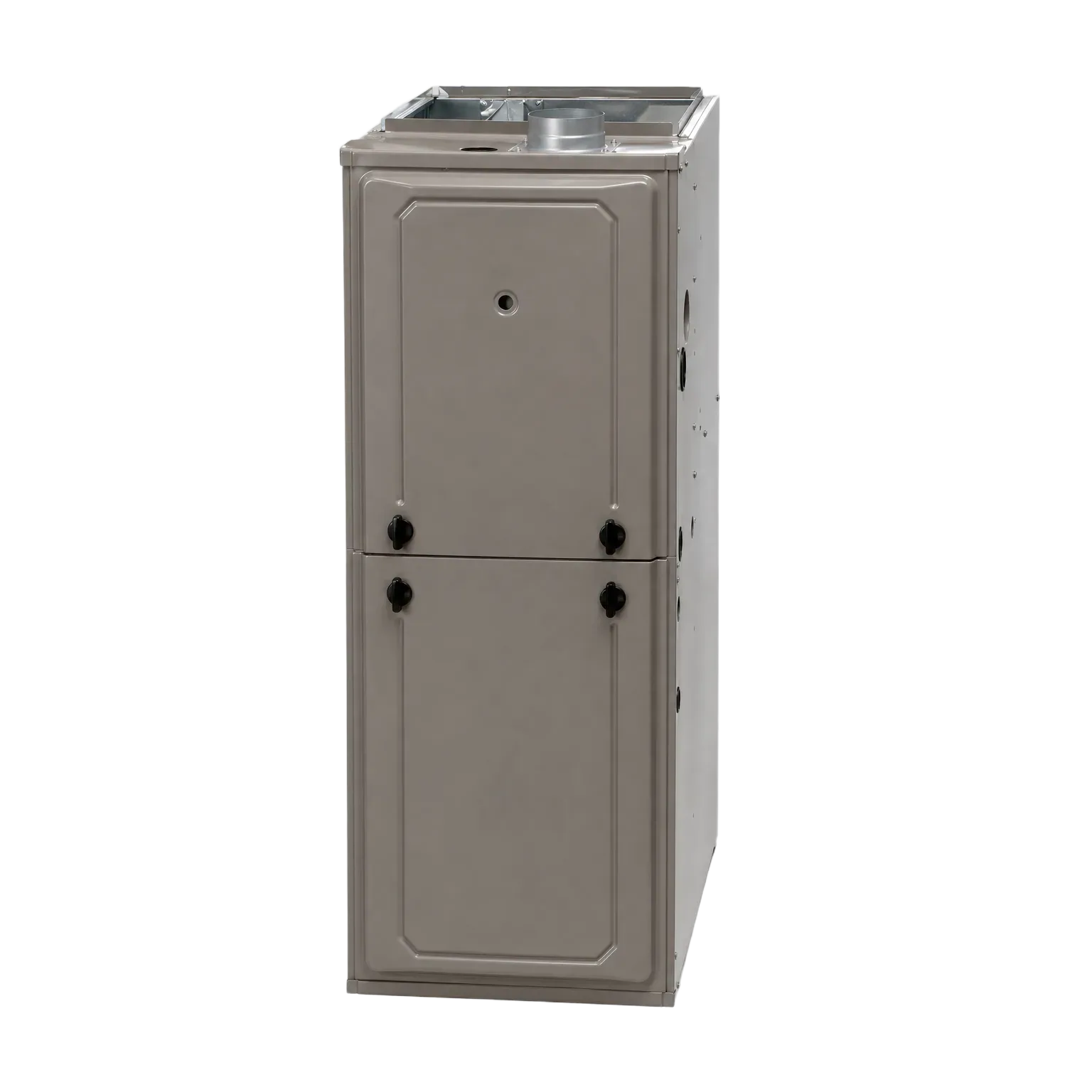
A gray high-efficiency furnace in a basement, connected to sheet-metal ductwork on the left and white PVC vent pipes above, with black gas and drain piping and an exposed wood-stud wall with OSB sheathing on the right.

Keeping the furnace you have

A gas furnace like this one keeps up when it's 10 degrees outside without slowing down. The burners fire as hot as they need to, so the temperature in the house doesn't drift the way it can with electric heat on the coldest nights. If your furnace was installed in the last several years, it's likely already running at high efficiency, and there's no ductwork or wiring to change.

An older gas furnace with two louvered front panels stands on a concrete basement floor beside galvanized sheet-metal ductwork, pipes, and a weathered concrete wall.

Switching to a heat pump

This older furnace is a candidate for replacement, and a heat pump is one option when that time comes. Heat pumps move heat instead of burning gas, which works well most of the year, but Washtenaw County gets cold enough that most installs still pair the heat pump with a backup furnace for the hardest stretches of winter.

Heat Pump or Keep Your Furnace

Heat pump

  • A cold-climate heat pump still pulls heat from outside air down to around 5 degrees, but below that it leans hard on backup heat to keep the house warm.
  • It handles the cooling side too, so window units or a separate AC become unnecessary once it's installed.
  • Electricity here costs more than gas per unit of heat, so running one through a Washtenaw County winter can raise the bill even though it's more efficient machine for machine.
  • Most installs keep the furnace in place as backup for the coldest stretches, so the ductwork and gas line stay in use rather than getting removed.
  • It's one system doing both jobs, so there's only one piece of equipment to maintain instead of a furnace and a separate AC.

Gas furnace

  • A furnace burns gas to make heat directly, so it doesn't lose capacity as the temperature outside drops the way a heat pump does.
  • Gas is the cheaper fuel per unit of heat in this area, which matters most across a full Michigan winter.
  • It only heats, so cooling the house in a muggy July still depends on whatever AC is already in place.
  • Parts like the igniter and the heat exchanger wear over the years the furnace runs, and eventually need replacing on their own schedule.
  • Keeping it means no changes to the gas line or the electrical panel, since the house is already set up to run it.
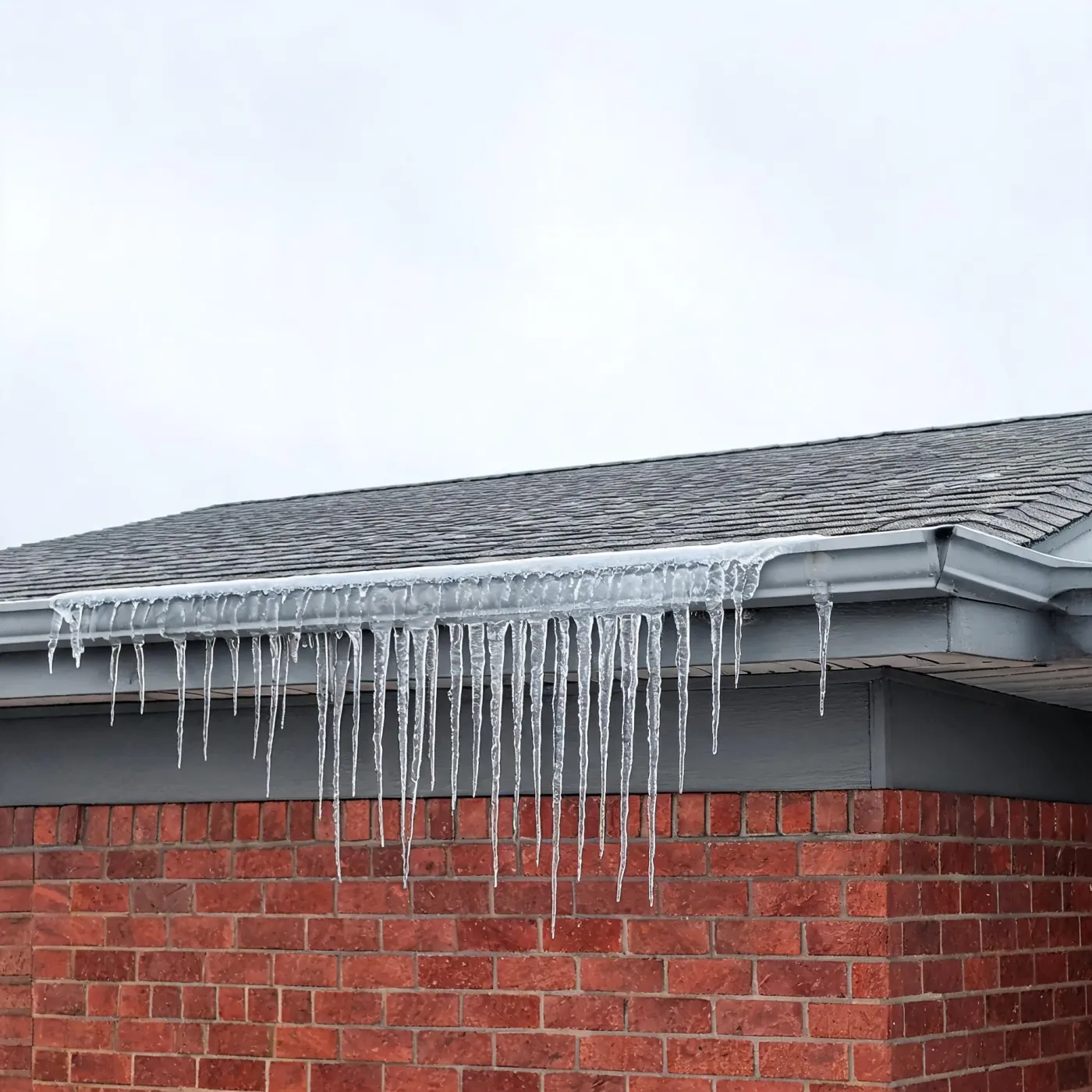
Icicles hanging from a gutter along the edge of a shingled roof above a red brick wall and gray siding, under an overcast sky.

Winter nights here average 19°F, according to NOAA climate data for Washtenaw County. That's the range where a cold-climate heat pump is working hard just to keep up, cycling on backup heat more often to hold the house at temperature. A gas furnace doesn't notice the difference between 30 degrees and 10. It fires the same burners either way, so the air coming out of your vents stays just as warm on the coldest night of the year as it does in late October. If you're weighing a switch, this is the number that matters most, because it's the stretch of winter where the two systems behave the most differently. A contractor who installs both can look at your house and tell you what that difference would actually feel like at your thermostat.

NOAA nClimDiv 1991-2020

Find a furnace installation pro in Washtenaw County

After this form, you can stop searching for a furnace pro.

You're not committing to anything by asking.

What a dual fuel setup changes

Some homeowners in Washtenaw County split the difference instead of choosing one system outright. A dual fuel setup pairs a heat pump with the existing gas furnace, and a control switches between them based on outside temperature. The heat pump handles the milder stretches of fall and spring along with summer cooling, and the furnace takes over once temperatures drop low enough that the heat pump stops being the better option. The switch point is usually set in the 30s or low 40s. Nothing about the furnace changes under this setup. It still fires the same way it does now on the coldest nights.

Why the furnace side still matters

A dual fuel system only works as well as the furnace behind it, so the condition of that furnace still matters even if a heat pump takes over most of the year's run time. If the furnace is old enough that a contractor would normally flag it for replacement on its own, pairing it with a heat pump doesn't change that. The two systems get installed and set up together, with the switchover point tuned to the house and to how the furnace performs. That's a decision worth working through with a contractor who can look at both systems rather than one in isolation.

A smiling man with dark curly hair in a dark green henley shirt sits on a light sofa in a living room with large windows, a lamp, shelving, a stone fireplace, and a bowl of popcorn in the foreground.
A smiling man in a dark long-sleeved henley shirt sits on a beige sofa in a living room, with a bowl of popcorn and a remote on the table in the foreground and shelves, a lamp, and a doorway behind him.
A smiling man with graying hair and stubble in a blue henley shirt sits on a gray sofa with cushions in a living room, with a bowl of popcorn on a wooden table in the foreground.
A smiling man in a dark green long-sleeve shirt reclines on a sofa in a dimly lit living room, with a bowl of popcorn on a side table in the foreground and a bookshelf, lamp, and houseplant behind him.

How Each System Actually Heats

  • A heat pump moves heat instead of burning fuel, so it can run in reverse and cool the house in summer too.
  • The outdoor unit pulls heat out of the air even when it's cold, then compresses it to a higher temperature before sending it inside.
  • As the air outside gets colder, the heat pump has to work harder to pull the same amount of heat from it.
  • Most cold-climate heat pumps switch on electric resistance backup once the outdoor temperature drops low enough that the compressor can't keep up alone.
  • A gas furnace skips that whole process and just burns fuel to heat air directly, so outdoor temperature doesn't change how hard it works.
  • The furnace's output stays the same whether it's 30 degrees outside or 0, because the flame doesn't care about the air around the house.

A heat pump doesn't make heat the way a furnace does. It moves it. The outdoor unit has a compressor and a refrigerant line, the same setup as an air conditioner, but it can run in both directions. In winter it pulls whatever heat is in the outside air, even cold air, and the compressor squeezes that refrigerant until its temperature climbs high enough to warm the air blowing through your ducts. In summer the cycle reverses and the same unit pulls heat out of the house instead.

The catch is the colder the air outside, the less heat there is to grab, and the harder the compressor has to work to pull the same amount out of it. A cold-climate heat pump is built to keep doing this well below freezing, but there's a point where the compressor alone can't keep up with the house's heat loss. That's when electric resistance backup kicks in, the same kind of heating element you'd find in a space heater, to cover the gap.

A gas furnace doesn't go through any of that. It burns fuel in a sealed combustion chamber and a blower pushes the heated air through the ducts. The flame puts out the same heat whether it's 30 degrees outside or 10 below. Nothing about the outdoor air changes how the burner fires.

Winter nights average 19°F

At 19°F, your furnace is barely working. A gas furnace holds the house at 70 without strain at that temperature, burners cycling the same as they would at 30. That's the stretch of winter where the gap between gas and a heat pump shows up most.

NOAA nClimDiv 1991-2020

If you swap your furnace for a heat pump alone, the coldest nights of the year are when you'll feel it most, with backup heat kicking in to cover what the outdoor unit can't pull from the air.

Keep the gas furnace, pair it with a heat pump, or stay put. Any of the three gets you through a Washtenaw County winter. The difference is what runs on the nights near 19°F, and what that does to your bill.

A gray sheet-metal furnace with flue pipe and adjacent ductwork stands against a stone basement wall on a concrete floor, with white PVC and metal pipes running nearby.
Before you get your furnace installation
A gray high-efficiency furnace with white PVC vent pipes stands against a concrete basement wall beside sheet-metal ductwork, a small condensate pump on the floor, and exposed wood framing at left.
After you get your furnace installation

For most houses in and around Ann Arbor, the gas furnace still makes sense once that 19°F average night sets in. A heat pump can carry the load most of the fall and spring, and a dual fuel setup lets you keep the furnace for the nights it's actually needed. Replacing a furnace outright is the one move that doesn't ask you to think about any of this again. Whatever you decide, matching the equipment to a Michigan winter matters more than matching it to a trend. If you want a second opinion on what your house needs, send the details once and let a licensed contractor who knows Washtenaw County winters sort through the options with you. You won't be the one tracking down quotes or chasing callbacks. That part is off your plate the moment you hit send.

A lit ceramic table lamp with a linen shade sits on a round wooden side table with a small vase of greenery and a dark shallow bowl, beside a beige upholstered sofa with a cushion and knit throw, below a framed artwork on a pale wall.
Corner of a beige linen sofa with a large woven cushion and a fringed knit throw, beside a potted leafy tree in a woven basket against a neutral wall.
Sunlit interior corner with a wood-framed armchair with beige cushions and a striped pillow, a leafy plant in a tall ceramic pot, a window with wood sill showing green foliage outside, and dark wood flooring.
A lit black path light beside a stone walkway leading to a dark front door of a white clapboard house, with shrubs and flowering plants in the bed at dusk.
A covered porch at dusk with a wooden front door, a lit lantern wall sconce on gray horizontal siding, a black rocking chair with a cream throw, a potted white flowering plant, a coir doormat, and a window showing a lit interior lamp.

The right pro for this job

One request and the search for a pro is handled.

Match me with a pro

It costs nothing to send, and you don't have to hire anyone.