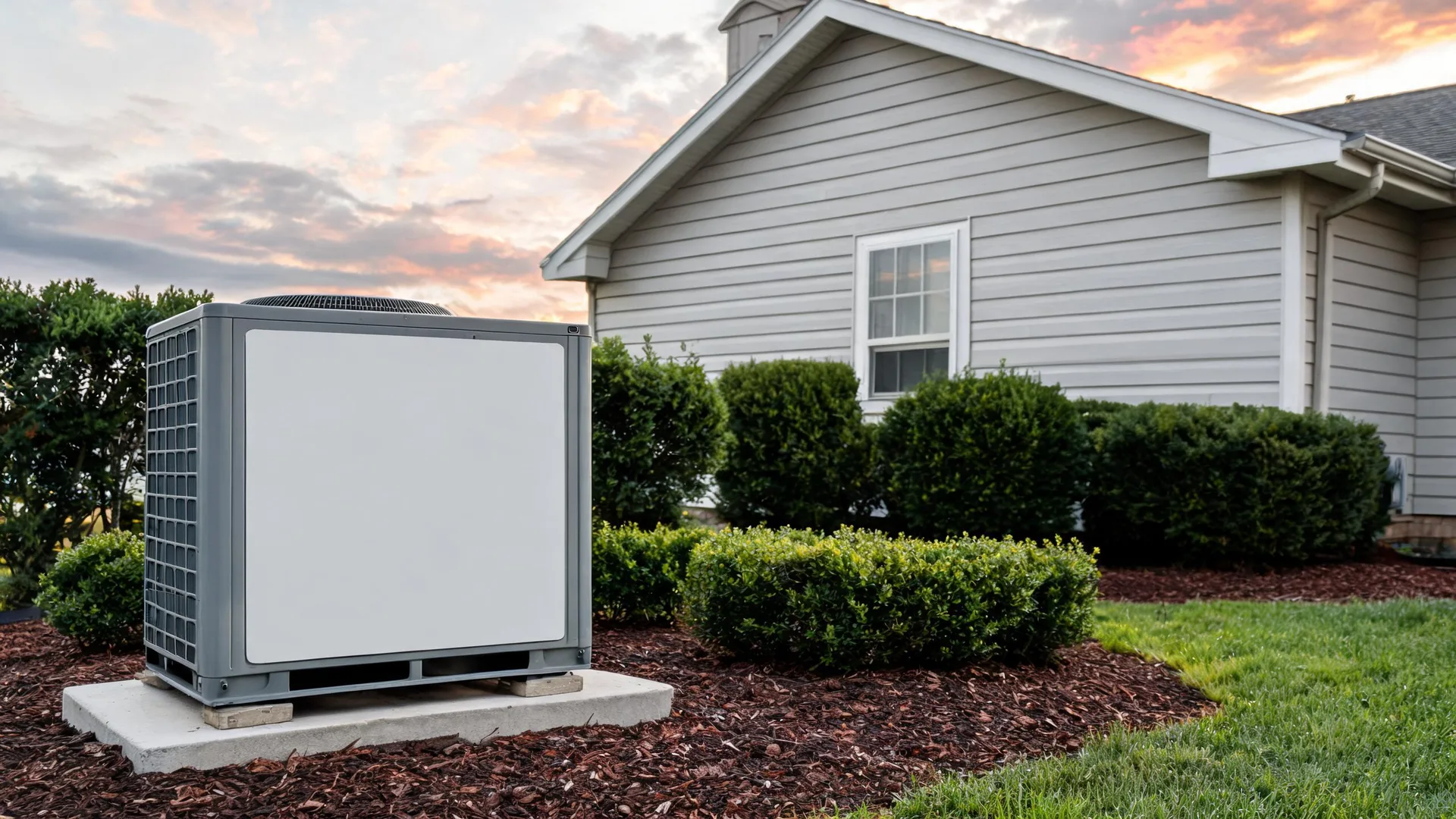
Electricity here runs 19.30 cents per kilowatthour
Michigan's electricity rate ran 19.30 cents per kilowatthour in 2024. A heat pump runs on electricity for both heating and cooling, so that rate applies every month it works, not just in summer.
Takes about a minute. No obligation.
Michigan's electricity rate ran 19.30 cents per kilowatthour in 2024. A heat pump runs on electricity for both heating and cooling, so that rate applies every month it works, not just in summer.
Two heat pumps can heat the same house and cost different amounts to run. At this rate, the difference shows up on the bill fast. Ask what efficiency rating a unit carries before deciding between models.
NOAA nClimDiv, 1991–2020 normals
Heat here runs October through May, eight months out of the year.
Get your heat pump installed in September and it's already proven out before that first cold morning.




Lapeer County sits in climate zone 5A, a cool zone where heating carries more of the load than cooling. Any split-system heat pump installed here from 2023 onward has to meet 14.3 SEER2 for cooling and 7.5 HSPF2 for heating. Those are federal minimums, not a ceiling, so units on the market here run from that floor on up. The HSPF2 number is the one worth asking about given how many months this system spends heating rather than cooling.
Power costs more here, so an efficient system pays you back on every bill.
Find a contractorThe old condenser does not get reused once it comes out. A technician recovers the refrigerant first, since it cannot just be vented, then disconnects the lines and hauls the unit off for scrap. A compressor that has run its course does not get a second life bolted to another house. If the old unit still ran fine, it is sometimes kept as a backup, but most homeowners find it is not worth the space it takes up outside. The furnace or air handler staying behind usually needs new control wiring added so it can hand off heating duty to the heat pump instead of running the whole season by itself.
A heat pump that's too big will short cycle, kicking on and off instead of running a steady stretch. One that's too small runs constantly and still falls behind on the coldest nights. Either mistake costs more to fix after the fact than getting the sizing right before install, since it means a contractor measuring the house rather than guessing off the old system's rating.
If the ductwork, electrical panel and line set are already sized for a heat pump, installation is mostly swapping equipment. If the panel needs more capacity, or the ducts were built for a furnace that moved less air, or there's no existing line set to reuse, each of those is its own job stacked onto the install. A contractor walking the house before quoting is checking for exactly this.
Ask where the balance point sits on a unit before buying it. That is the outdoor temperature below which the heat pump can no longer pull enough heat from the air to keep up, and below that it leans on backup heat, whether that is the furnace or electric resistance coils built into the air handler. Units can carry a similar rating on paper and still switch over to backup at different outdoor temperatures. Ask also how the system stages. Some run at a lower output most of the time and ramp up only when the house calls for more, instead of switching on and off at full blast. A unit that modulates tends to hold a room's temperature steadier and runs longer, gentler cycles rather than short bursts.
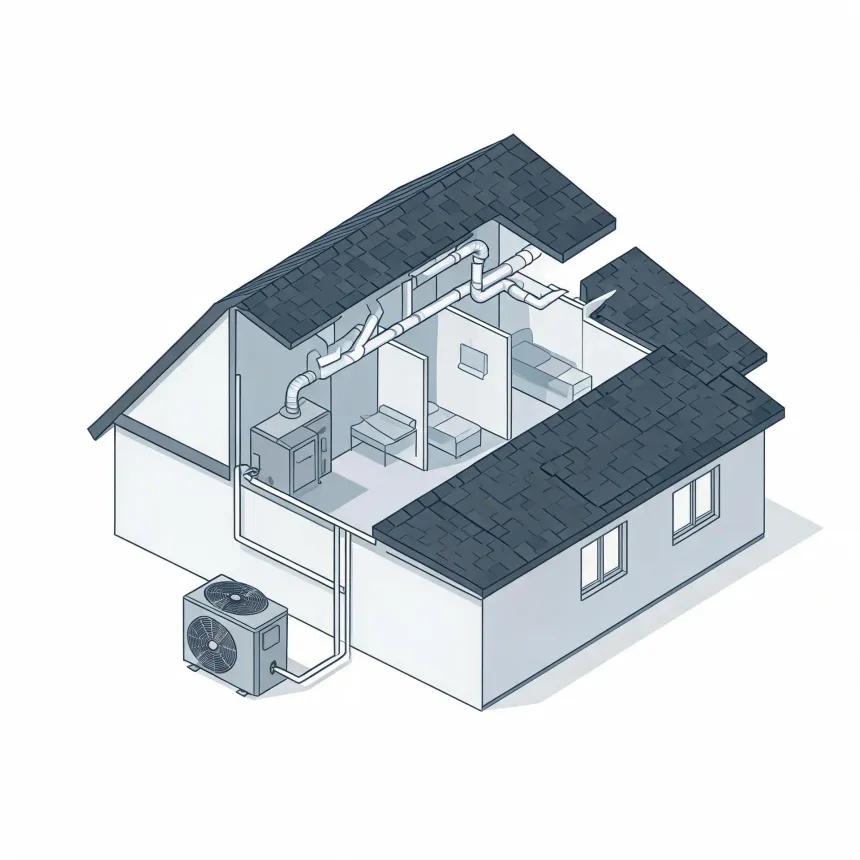
Installation day starts with the old equipment coming out, then the new unit goes in roughly the same spot, since the line set and electrical usually run to that location already. The outdoor unit gets set on a pad or mounting brackets, refrigerant lines get connected and the system gets evacuated to pull out air and moisture before refrigerant goes in. Indoors, the air handler or furnace gets the new control board wiring so it can talk to the heat pump and hand off heating duty when needed. Once everything is connected, the technician checks refrigerant charge, confirms airflow across the coil, and runs the system through both heating and cooling modes before calling it done. A straightforward swap, where the ductwork and panel already fit, is usually done in a day. Anything extra, like panel upgrades or duct work, gets scheduled and done first so install day itself is just the equipment change.