A quiet residential street at dusk lined with illuminated two-story brick houses and mature trees.

Heat Pump Installation in Niles, MI

Tell us about the job

Takes about a minute. No obligation.

New system or replacementHeat PumpBerrien County, MI
Step 1 of 2

What ZIP code is the job in?

Weather here is hard on outdoor equipment

Berrien County logged 123 severe weather events between 2015 and 2024, most of them damaging wind or hail. A heat pump sits outside year round, so where it goes and what shields it from wind-blown debris and hail is worth deciding up front.

Power doesn't always stay on

More than a third of Michigan households went at least 24 hours without power in 2024. A heat pump needs electricity to run, so an outage means no heat and no hot water from an electric water heater until the power comes back. Worth asking a contractor about backup options before you need them.

8 months
October through May, your system heats
3 months
June through August, it cools
21°F
the average winter night it heats against
81°F
the average summer afternoon it cools against
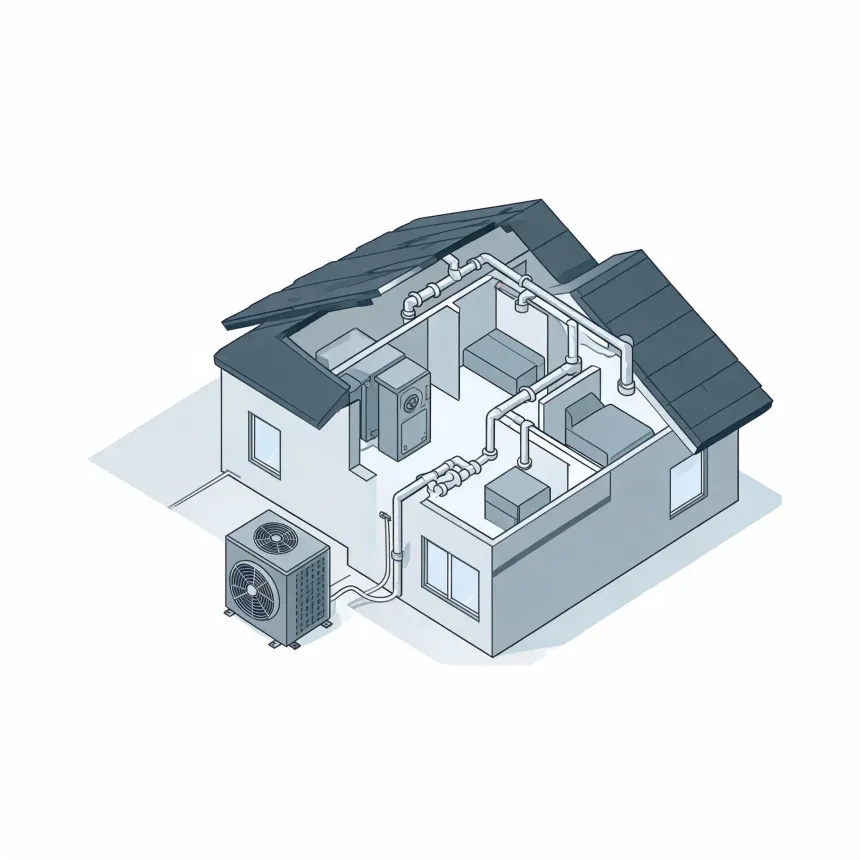
Isometric grayscale illustration of a cutaway two-story house showing interior ductwork, an indoor air handler unit, and an outdoor condenser unit on a pad beside the building.
Your system heats October through May and cools June through August.

NOAA nClimDiv, 1991–2020 normals

Heat here runs October through May, eight months out of the year.

Get a heat pump in before September and it's set before it has to carry the house.

Mild winters here mean the heat pump itself isn't under much strain

81 damaging wind events from 2015 to 2024
29 hail events from 2015 to 2024
12 winter storms from 2015 to 2024

Michigan households paid 19.30 cents per kilowatthour in 2024, well above the national average. A heat pump already uses electricity more efficiently than baseboard or furnace heat, since it moves heat instead of generating it. Pair that with a system installed and sized correctly, and the gap between a good job and a poor one shows up on every bill through the winter. It's worth asking any contractor for the system's rated efficiency and what that means for a house this size, not just the price to install it.

Most homes here run on gas. That's the simplest starting point.

Gas heats 64.4% of homes in Berrien County, more than any other fuel. A furnace is the common setup here. A heat pump can replace one outright or work alongside it, so matching what the house already has is the simplest path when you're comparing options.

Find a contractor
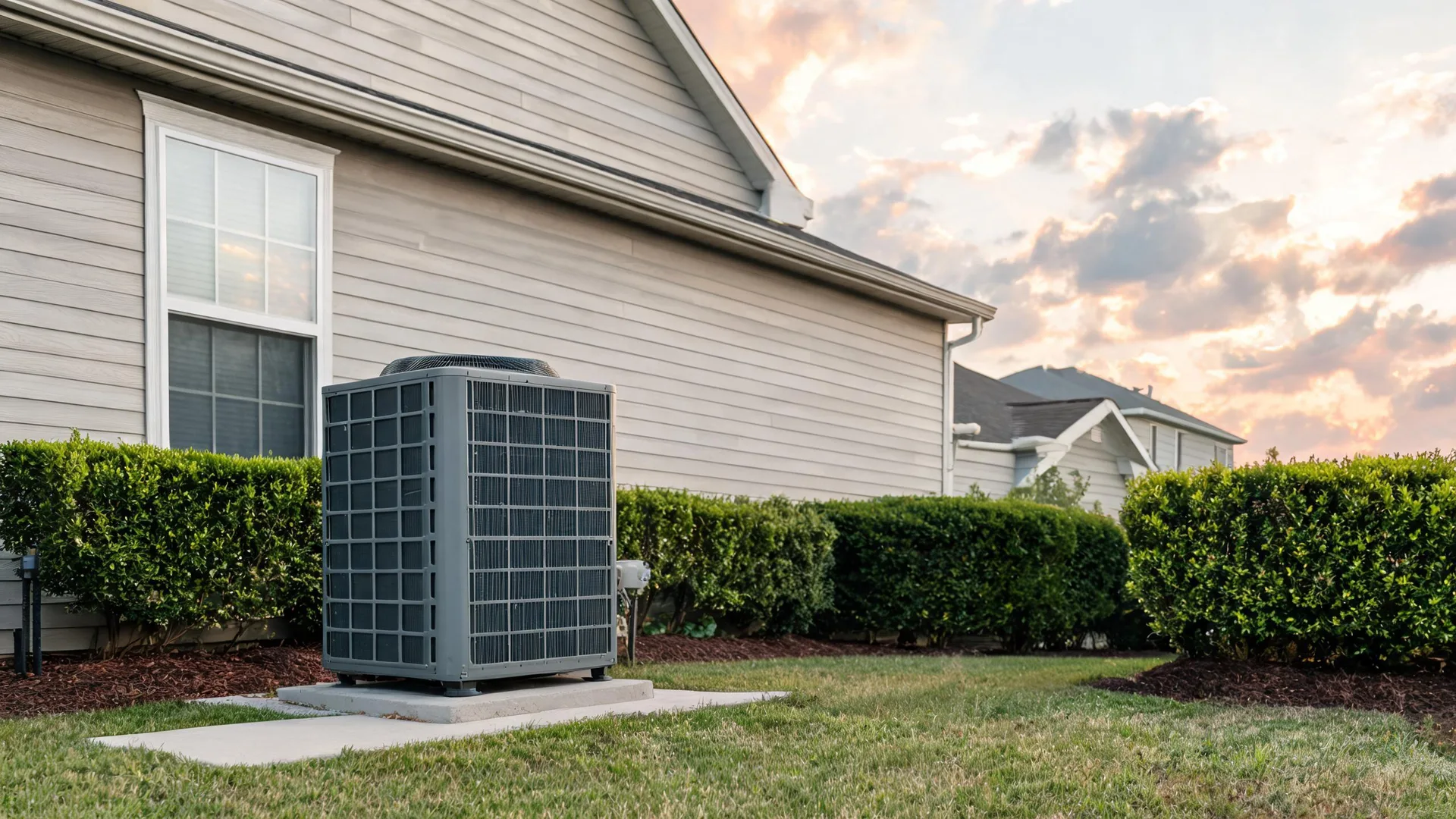
A residential heat pump outdoor unit mounted on a concrete pad next to a house with gray vinyl siding.

This house wasn't built with a heat pump in mind

Half the homes in Berrien County were built in 1966 or earlier. A house that age wasn't built with a heat pump in mind, and whatever ductwork or electrical it has now is whatever got added or updated since. Before swapping in a heat pump, a contractor needs to check that the ducts can move the air it puts out and that the electrical panel can carry it. Sizing it to the house matters more than matching the old system's output.

The old furnace or AC comes out

A heat pump replacing a furnace means the furnace gets disconnected from the gas line and the ductwork, then hauled away. Replacing a straight air conditioner is simpler, since the heat pump just takes over the same ducts and the same power connection. Either way, the old equipment doesn't get left in the garage as a backup. Removing it is part of the job.

Sometimes the furnace stays, just demoted

If the furnace is still in good shape, some setups keep it on as backup heat for the coldest stretches, with the heat pump carrying the load the rest of the time. That decision gets made with a contractor before install day, not after. Once the ductwork and controls are set up around the heat pump alone, going back and adding the furnace into the system is a much bigger job than wiring it in from the start.

Ask every contractor to walk the house and explain how they landed on a size, not just hand over a number. A unit too big short cycles, switching on and off before it ever settles into a steady run, and that wears on the compressor. One too small runs constantly in the coldest stretch and still can't keep up. Ask what sound level to expect near bedrooms or a patio, since outdoor units vary and this one will run year round, not just in summer. Ask about the warranty on the compressor versus the rest of the unit, since those terms often differ. And ask what happens to the backup heat source, if there is one, when the heat pump can't keep up on the coldest days. That answer tells you more about the system than the brand on the side of it.

Installation day starts with the outdoor unit and indoor coil going in, then the lines that connect them get run and sealed. Every joint gets checked for leaks before the system is charged with refrigerant, since even a small leak will show up as weak performance months later. The electrical hookup gets tied in, and if the panel needed an upgrade to carry the new load, that work happens first. Once it's wired and charged, the contractor runs the system through both heating and cooling modes and checks the airflow at the vents, not just whether it turns on. The thermostat gets set up and tested last, after the rest of the system is already proven to work. A job done right ends with someone walking the house with you, pointing out the disconnect switch, the filter location, and what the unit sounds like when it's running normally, so you know what to check if something changes later.