



A row of dark-sided single-story houses with gray shingled roofs behind a trimmed hedge, with mown lawn and large deciduous trees under an overcast sky.

Heat Pump Installation in Detroit, MI

Tell us about the job

Takes about a minute. No obligation.

New system or replacementHeat PumpWayne County, MI
Step 1 of 2

What ZIP code is the job in?

Wayne County sees real weather. Between 2015 and 2024, the county logged 189 severe weather events, including 142 instances of damaging wind, 23 hail events, 9 tornadoes, and 14 winter storms with heavy snow or ice. An outdoor heat pump unit sits outside year round, exposed to whatever comes through. Power is part of the picture too. More than a third of Michigan households went at least a full day without power in 2024. A heat pump handles both your heat and your cooling, so when the power goes out, so does your only source of heat until it comes back.

8 months
October through May, your system heats
3 months
June through August, it cools
21°F
the average winter night it heats against
82°F
the average summer afternoon it cools against
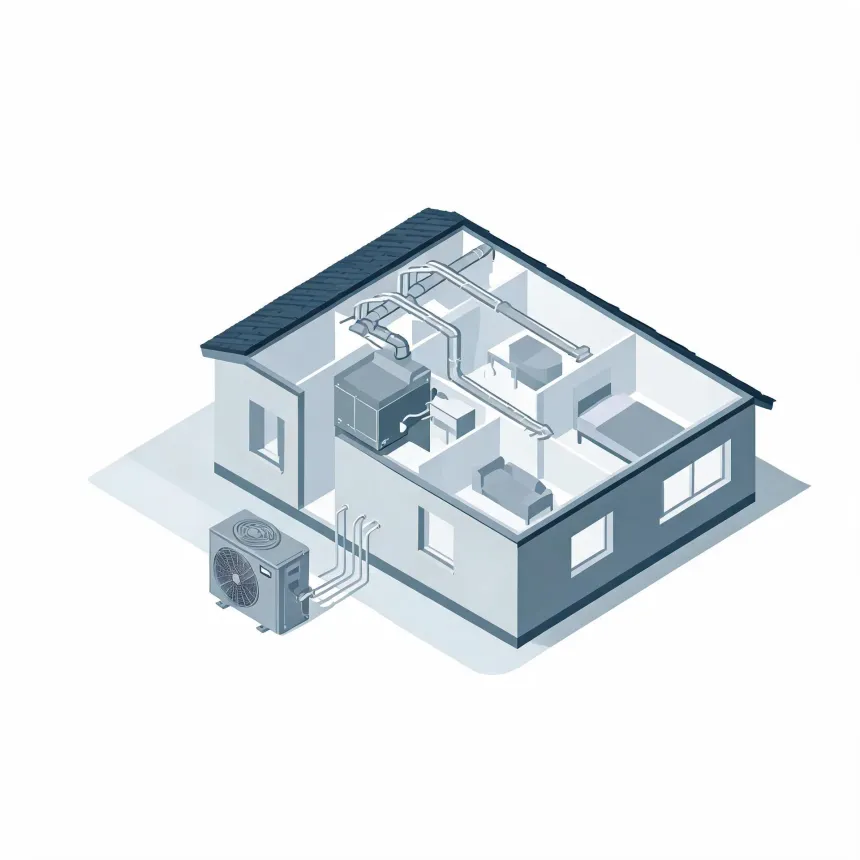
Isometric cutaway illustration of a single-story house showing interior rooms with ductwork, an indoor air handler unit, and an outdoor condenser unit connected by lines along the exterior wall.
Your system heats October through May and cools June through August.

NOAA nClimDiv, 1991–2020 normals

Electricity in Wayne County runs 20.20 cents per kilowatt-hour, more than most US counties pay.

A heat pump that wastes power turns that rate into a bigger bill every month it runs.

September is the month to get this done, before eight months of heat start in October

Cooling runs June through August
Heat runs October through May
142 damaging wind events from 2015 to 2024

Half the homes in Wayne County were built in 1956 or earlier. A house that age wasn't built with a heat pump in mind, because the systems didn't exist yet for most of that building boom. Whatever heats the place now, whether it's a furnace with ductwork added later or something retrofitted more than once, that history shapes what a heat pump install has to work with. The ductwork, the electrical panel, the spot where the old equipment sits, all of it was sized for a different kind of system. None of that rules out a heat pump. It just means the install has to account for the house as it actually is, not as a newer one would be.

Plan this install around the weather, not around a calm day

This is the kind of place where a storm takes the power out and the heat pump outside takes the hit from whatever came with it. Deciding where it sits and how it's protected before the install beats figuring it out after. Have a plan for heat and hot water too, for the stretch before power is back.

Find a contractor
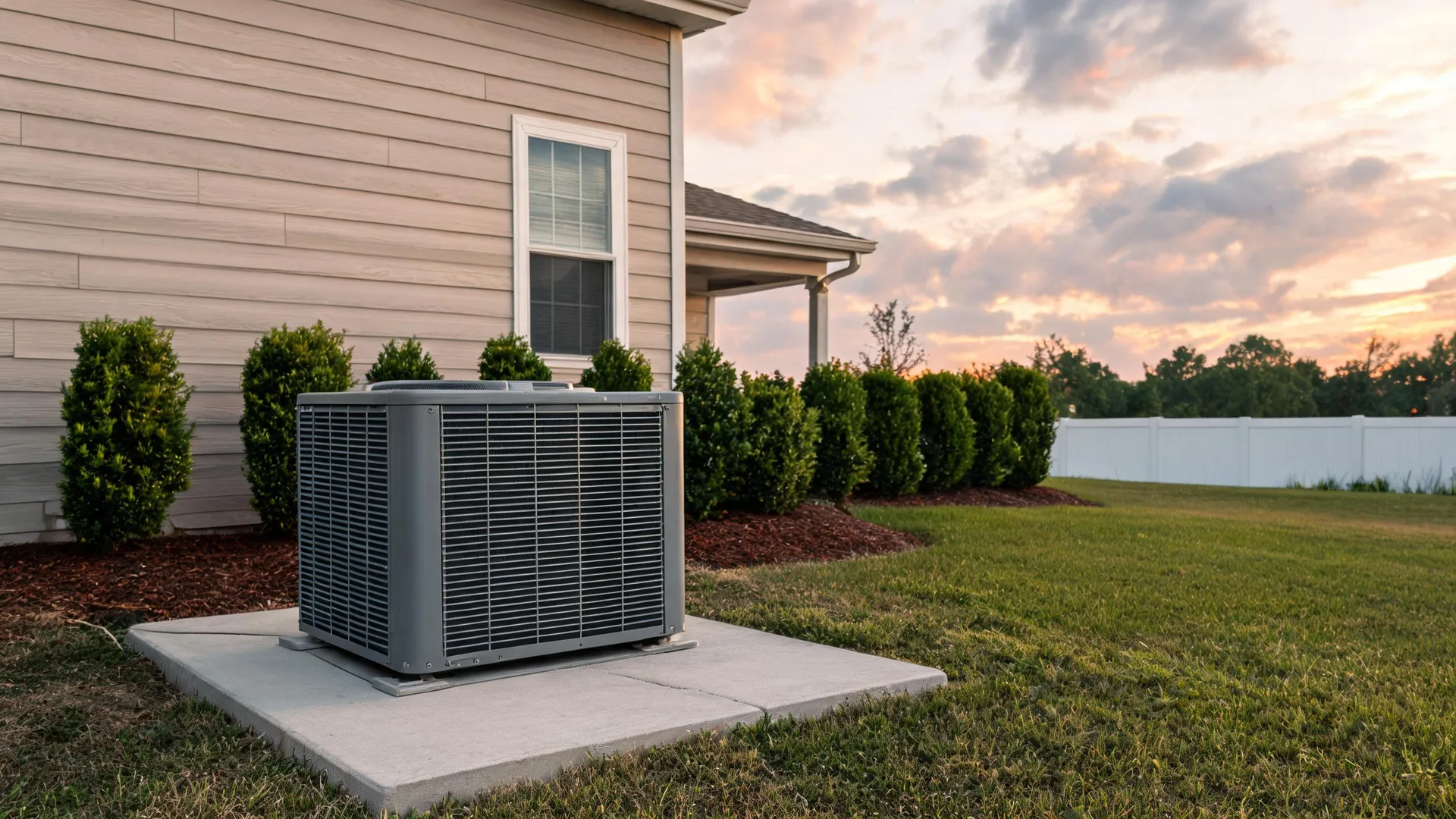
A gray air-source heat pump mounted on a concrete pad next to a house with gray vinyl siding, surrounded by gravel and flanked by green shrubs and white hydrangea flowers.

Built in 1956 or earlier, running a machine that didn't exist yet

A contractor sizing this job has to start with what's already there. That means pulling the panel size, checking what the ductwork can move, and looking at where the old equipment sits before deciding where the new one goes. Some of these homes have had the electrical updated over the years and some haven't. That gets checked before anything gets installed, not after. A heat pump runs on electricity alone, so if the panel can't carry the extra load, that gets addressed as part of the job, not treated as a surprise later.

The old equipment doesn't just get unplugged

A furnace or AC swap means disconnecting gas lines, venting, refrigerant lines and electrical whichever apply, then hauling the old units out. Refrigerant in an old AC or heat pump has to be recovered properly, not vented, so that's part of the job before anything comes out the door.
The new install has to work around what the old one left behind

Old ductwork, an old electrical whip, a pad or slab the old condenser sat on, a flue that vented a furnace that's no longer there. A contractor has to decide what gets reused, what gets modified, and what gets capped off or removed so the new system isn't fighting the layout of the old one.

The label on a heat pump carries two ratings, one for cooling and one for heat output in the cold, and both tell you how much heat gets moved for the power put in. A higher rating means less electricity for the same comfort. That matters more with a heat pump than with a furnace, because every bit of heating and cooling runs through that one rating, not just the summer side. The number on the label is also measured in a lab, under set conditions, so the system has to be installed and charged correctly to actually perform near it. A unit that's undersized for the house, or has the refrigerant charge off, won't hit its rated efficiency no matter what the label says. The rating tells you what the equipment is capable of. Getting it installed right is what decides whether the house actually sees that.

Gas heats 83.6% of homes in Wayne County, more than anything else by a wide margin. Electricity is a distant second at 13.9%, and oil and propane barely register here. That matters for this install because most of these homes don't have a furnace sized for an all-electric system. A heat pump can still go in alongside the existing gas furnace, switching on above freezing and letting the furnace take over when it's colder than the heat pump can handle well. That setup, a dual fuel system, fits what's already in most of these houses instead of asking the electrical to carry a load it was never built for.