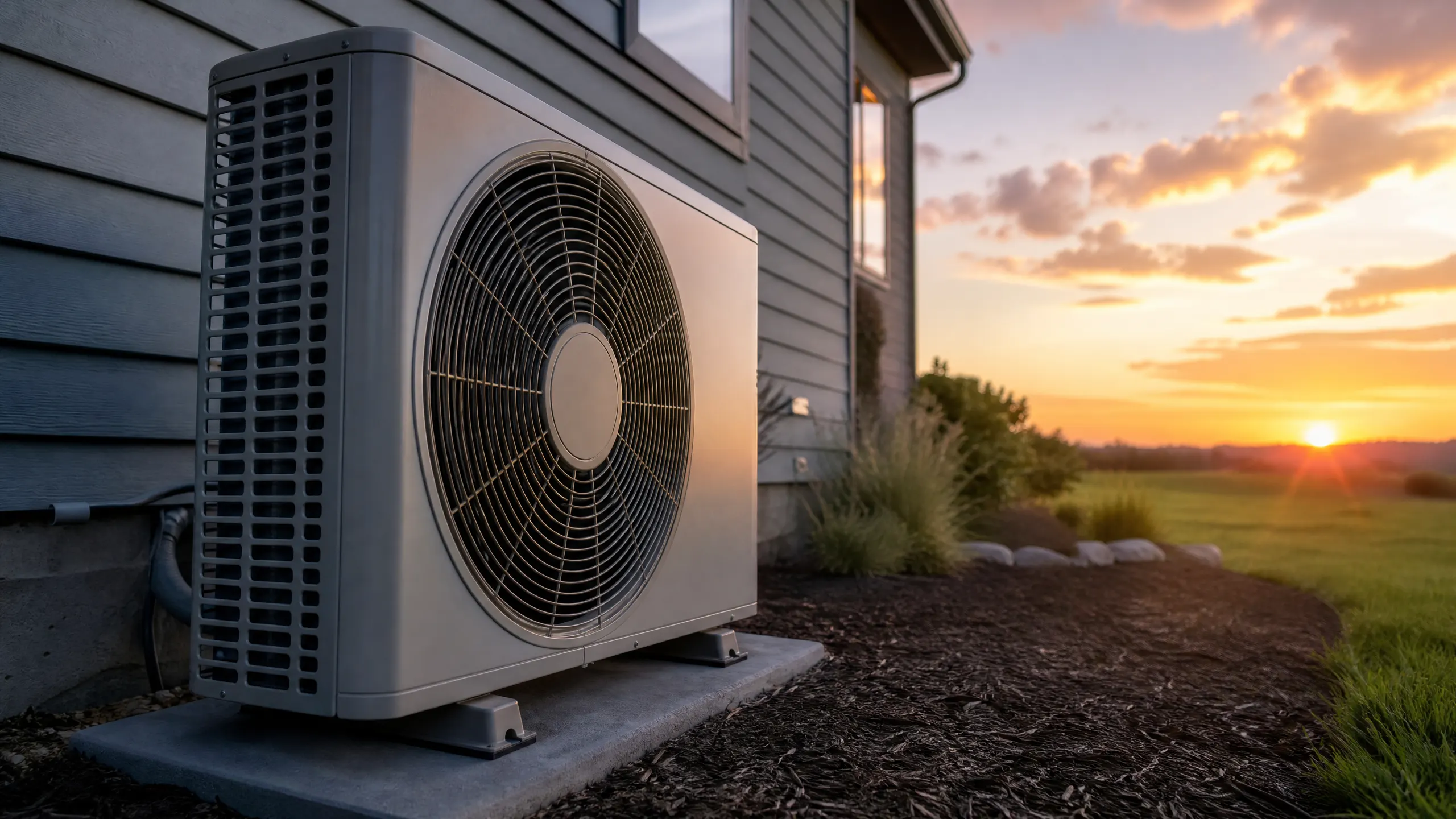






A grey residential air-conditioning condenser unit mounted on a concrete pad beside a house, photographed at sunset.

Heat Pump Installation in Charlotte, MI

Tell us about the job

Takes about a minute. No obligation.

New system or replacementHeat PumpEaton County, MI
Step 1 of 2

What ZIP code is the job in?

Electricity in Eaton County ran homeowners 19.56 cents per kilowatt-hour in 2025. Most counties pay less. A heat pump runs on electricity for both heating and cooling, so that rate applies to the system every month of the year, not just in summer. Two heat pumps can carry the same price tag and cost different amounts to run, because the one with better efficiency gets more heat moved per cent paid. At this rate, that difference shows up on the bill faster than it would somewhere with cheaper power.

8 months
October through May, your system heats
3 months
June through August, it cools
19°F
the average winter night it heats against
80°F
the average summer afternoon it cools against
Isometric line illustration of a cutaway house showing interior rooms with furniture, a furnace or air handler with overhead ductwork, and an outdoor condenser unit connected by lines outside the wall.
Your system heats October through May and cools June through August.

NOAA nClimDiv, 1991–2020 normals

Heat here runs October through May, about eight months of the year.

May is the slow month before summer starts, and the best time to get a heat pump installed before the next one comes due.

Most homes here already run on gas, so a heat pump is joining a gas furnace, not replacing the only thing you've got

63% of homes heat with gas
8 hail events from 2015 to 2024
11 winter storms from 2015 to 2024
Easier Air To CoolEaton County summer air averages a 60°F dew point, lighter than most of the country.

Eaton County has logged 30 severe weather events between 2015 and 2024: 11 windstorms, 8 hail events, and 11 winter storms. An outdoor heat pump unit sits outside through all of that, so where it goes matters. Keep it clear of roof runoff and away from where ice or snow sheds off the house, and give it room so wind-blown debris has nowhere to pile up against the coil. Hail can dent the fins; a contractor can tell you what guard options fit the unit you choose. Power loss is the other side of it. In 2024, 34% of Michigan households went at least 24 hours without power, and a heat pump needs electricity to produce any heat at all. Worth asking a contractor what backup heat looks like for the system you're considering.

The rating on the unit is part of what it costs to run

Power here costs more than most places pay, and a heat pump runs on it year round. That makes the efficiency rating part of the price, not a footnote. Ask what SEER2 and HSPF2 ratings a contractor is quoting, and get it in writing before the install.

Find a contractor
A dark gray heat pump unit mounted on a concrete pad next to a house with gray siding and a stone veneer wall.

Light duty means you can build for reliability, not headroom

A heat pump here spends most of its hours working against mild demand. Summer air is light to cool, and that eases the compressor's load on the cooling side. Winter is the harder stretch, but even then the unit isn't straining against extremes most of the year. That lighter duty cycle means you don't need the top-tier model to keep up. Put the money into a unit that's built solidly and matched right to the house, and have it set with clearance from roof runoff and snow shed, since it still has to sit outside through whatever the season brings. A well-installed, straightforward system will do this job for years without needing the highest rating on the shelf.

Ask for the load calculation, not a guess off the old system

A heat pump should be sized from a room by room load calculation, not matched to whatever tonnage the last system used. Oversizing cycles the unit on and off, which wears the compressor and leaves the house colder in the middle of winter because it never runs long enough to pull full heat. Undersizing runs it nonstop and leans hard on the backup heat. Ask the contractor to walk you through the numbers that got them to that size, not just hand you a model number.
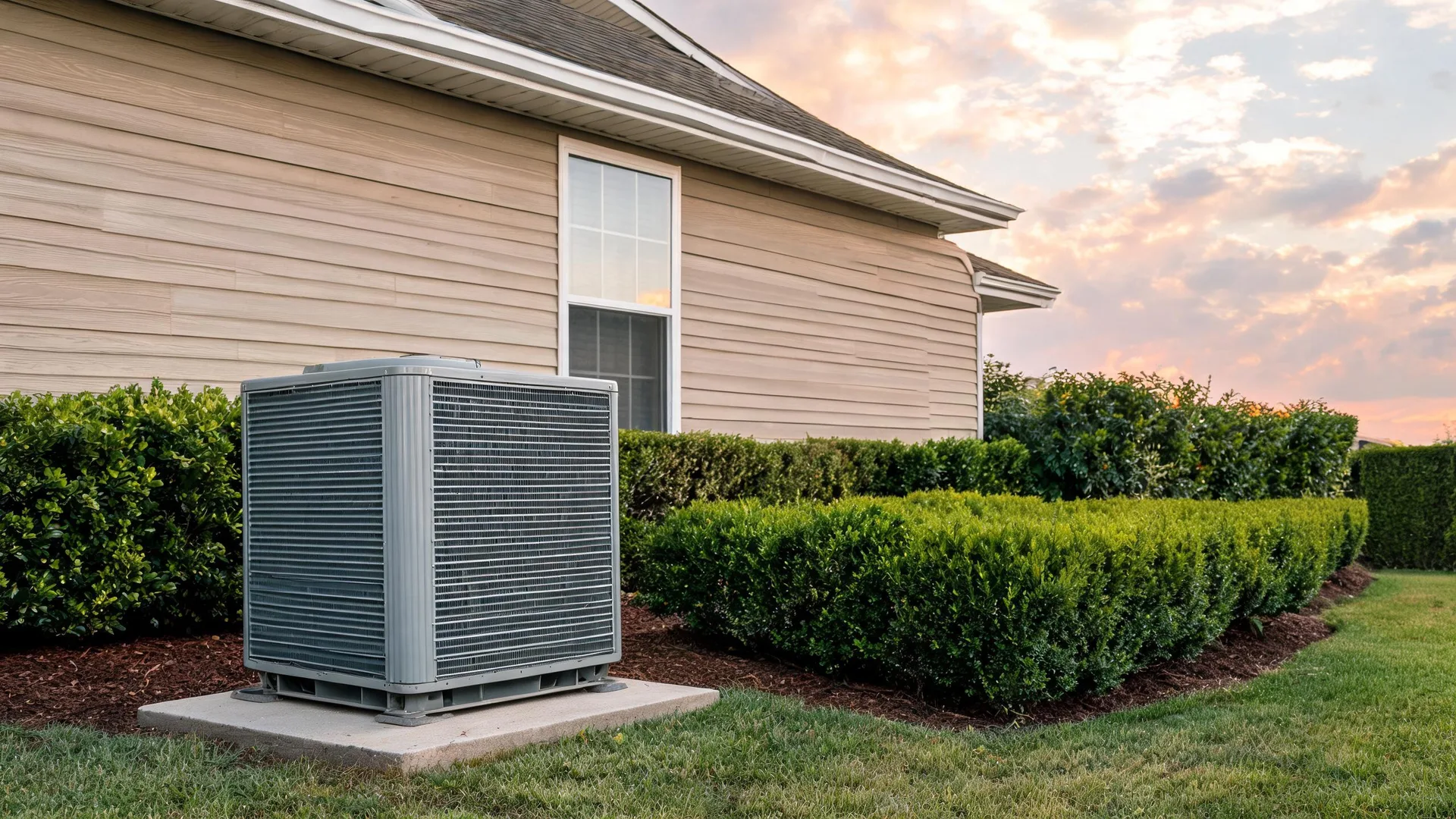
Ask what happens at the coldest point of the year

Every heat pump has a balance point, the outdoor temperature below which it can't pull enough heat on its own and backup heat has to carry the rest. Below that point, something else has to make up the difference, whether that's electric resistance coils or a paired furnace. Ask what the balance point is for the system being quoted, and ask what kicks in below it. That answer tells you more about winter performance than any spec sheet.

Two numbers show up on every heat pump label, and they measure different things. SEER2 covers cooling, HSPF2 covers heating, and both tell you how much heat gets moved per unit of energy put in, not how powerful the unit is. A higher rating doesn't mean a bigger capacity or a faster recovery. It means the compressor and coil are doing more with the same draw of power. That comes from build quality: a variable speed compressor that throttles to match the load instead of just switching on and off full blast, a larger coil that transfers heat with less strain, better refrigerant control. None of that shows up when you look at the unit. It only shows up on the bill, month after month, for as long as you own it.

Eaton County falls under zone 5A in the 2021 energy code, a cool climate where heating carries more of the load than cooling. Any split-system heat pump sold here new has to meet the federal minimum for that: at least 14.3 Btu of heat moved per watt-hour of electricity over summer, at least 7.5 Btu per watt-hour over winter. That floor applies everywhere, but it means more here, since the system draws on expensive power through a long heating stretch and whatever cooling summer asks for. A contractor can quote above that minimum. There's also a federal tax credit for qualifying heat pumps, worth asking about before you settle on a model.