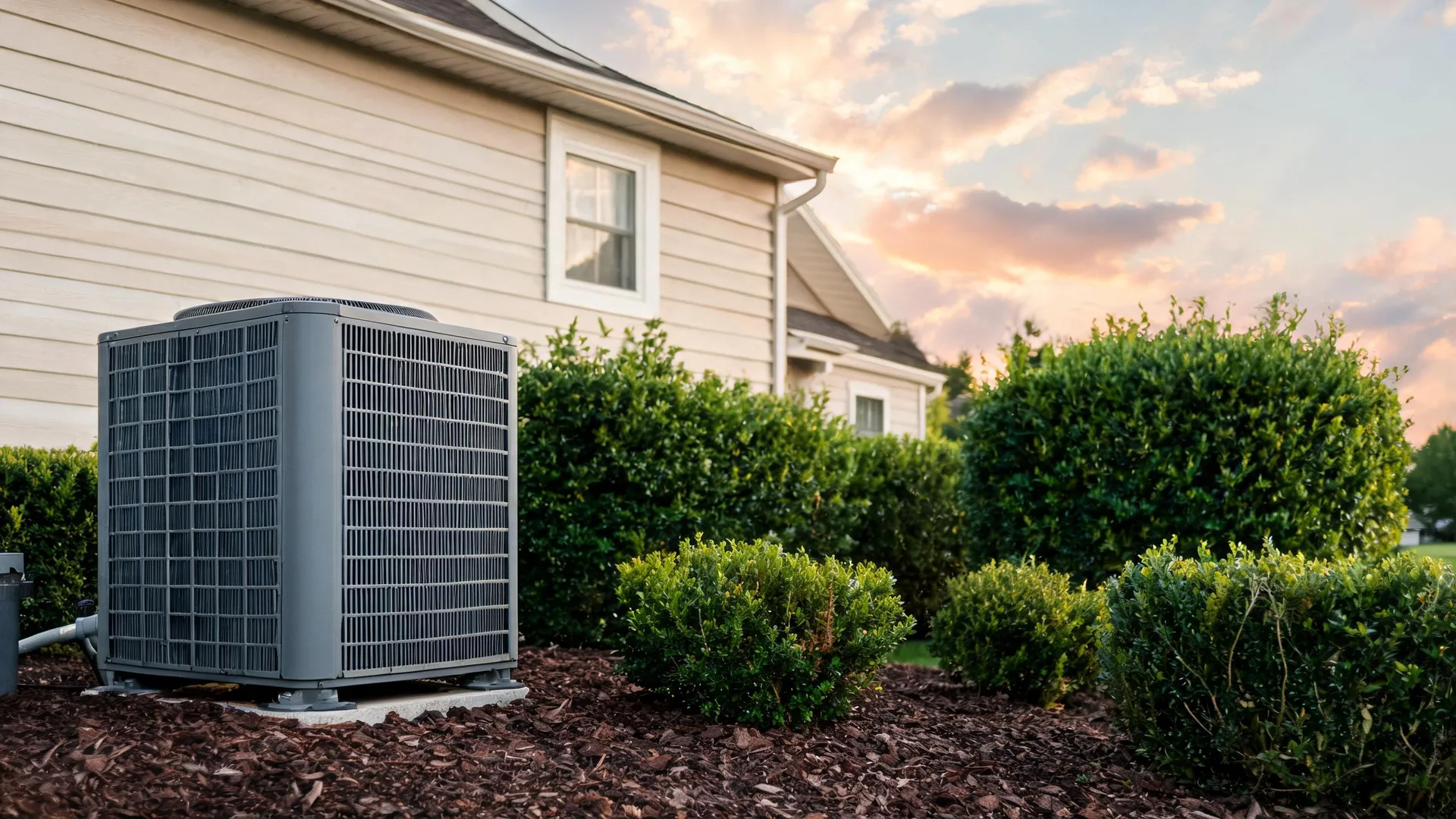
Storms come through here regularly
Van Buren County recorded 59 severe weather events between 2015 and 2024, with damaging wind hitting 33 times and winter storms affecting the county 17 times. Hail showed up 9 times in that same stretch.
Takes about a minute. No obligation.
Van Buren County recorded 59 severe weather events between 2015 and 2024, with damaging wind hitting 33 times and winter storms affecting the county 17 times. Hail showed up 9 times in that same stretch.
More than a third of Michigan households went at least a full day without power in 2024. A heat pump installed here needs to handle hail and wind against the outdoor unit, and a plan for what happens to heat and hot water when the power drops for that long.
NOAA nClimDiv, 1991–2020 normals
Electricity in Van Buren County runs 18.52 cents per kilowatt-hour, higher than most of the country.
A heat pump installed here needs to earn its keep on efficiency, since every kilowatt it uses costs more than it would almost anywhere else.



May is the window to get this done. Heat runs here through May and cooling starts in June, so an install that happens in May doesn't leave the house without either one. Wait too long and you're choosing a system after the heat has already set in, with less room to size it right or plan for the outages this area sees. A system put in during May has to carry the house through eight months of heat starting that October, so it's worth having installed before that clock starts rather than after.
This is the kind of place where the outdoor unit needs a clear spot, away from falling branches, and where the install plan should cover what runs if the power goes down for a day. That's a conversation to have before the system goes in, not after a storm.
Find a contractor
A heat pump here spends most of the year at moderate load. It isn't fighting extreme heat for months on end, and a correctly sized unit won't run flat out just to keep up. That means less wear on the compressor over time. Pick a unit that's built solidly and sized right for the house, rather than chasing the highest efficiency number on the sticker. A reliable system that's properly matched to this place will outlast one picked for a spec sheet.
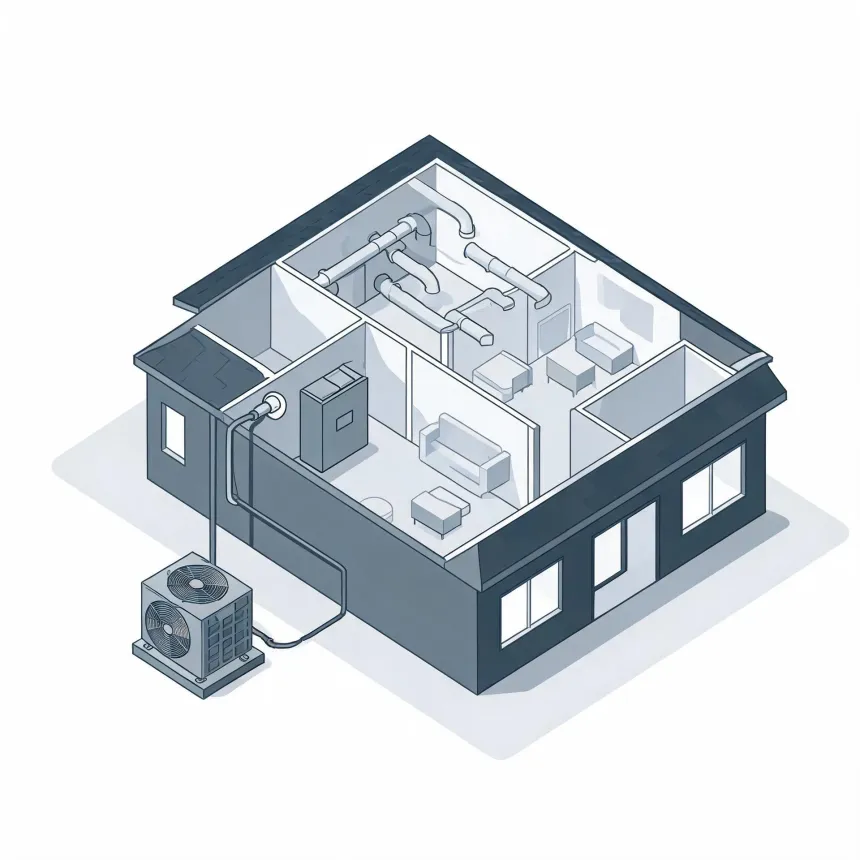
A heat pump installation usually means pulling the old furnace, air conditioner, or both, along with the line set and sometimes the ductwork connections they used. The old refrigerant gets recovered, not vented, since that's required by law. What gets disconnected depends on whether the home is switching from a gas furnace to a heat pump or replacing an existing heat pump.
Some installs pair the new heat pump with the existing gas furnace instead of removing it, so the furnace kicks in when the outdoor temperature drops below where the heat pump can keep up efficiently. That setup needs a control board that can switch between the two automatically. It's worth asking which approach the installer is planning before the work starts, since it changes what gets removed and what gets left in place.
Sizing a heat pump isn't about picking the biggest unit on the lot. Too large and it short cycles, blasting the house to temperature and shutting off before it's pulled out the humidity, then starting again a few minutes later. That cycling wears on the compressor more than steady running ever would, and it leaves the house feeling clammy even though the thermostat says the job is done. Too small and it can't hold the temperature on the hardest days of the year, so it runs long and still falls behind. The right size comes from a load calculation, a room by room look at window area, insulation, ceiling height, and air leakage, not just the square footage of the house. A contractor who skips that step and matches the new unit to whatever was there before is guessing, since the old equipment may have been sized wrong from the start.
Gas heats 58% of homes in Van Buren County, more than any other fuel. That's the furnace most installers here are used to working around. A heat pump doesn't need to replace it. The two can run side by side, with the furnace stepping in on the coldest days and the heat pump handling the rest. For a county where only 12.1% of homes already heat with electricity, that pairing is the path most homeowners end up on, not a straight swap.