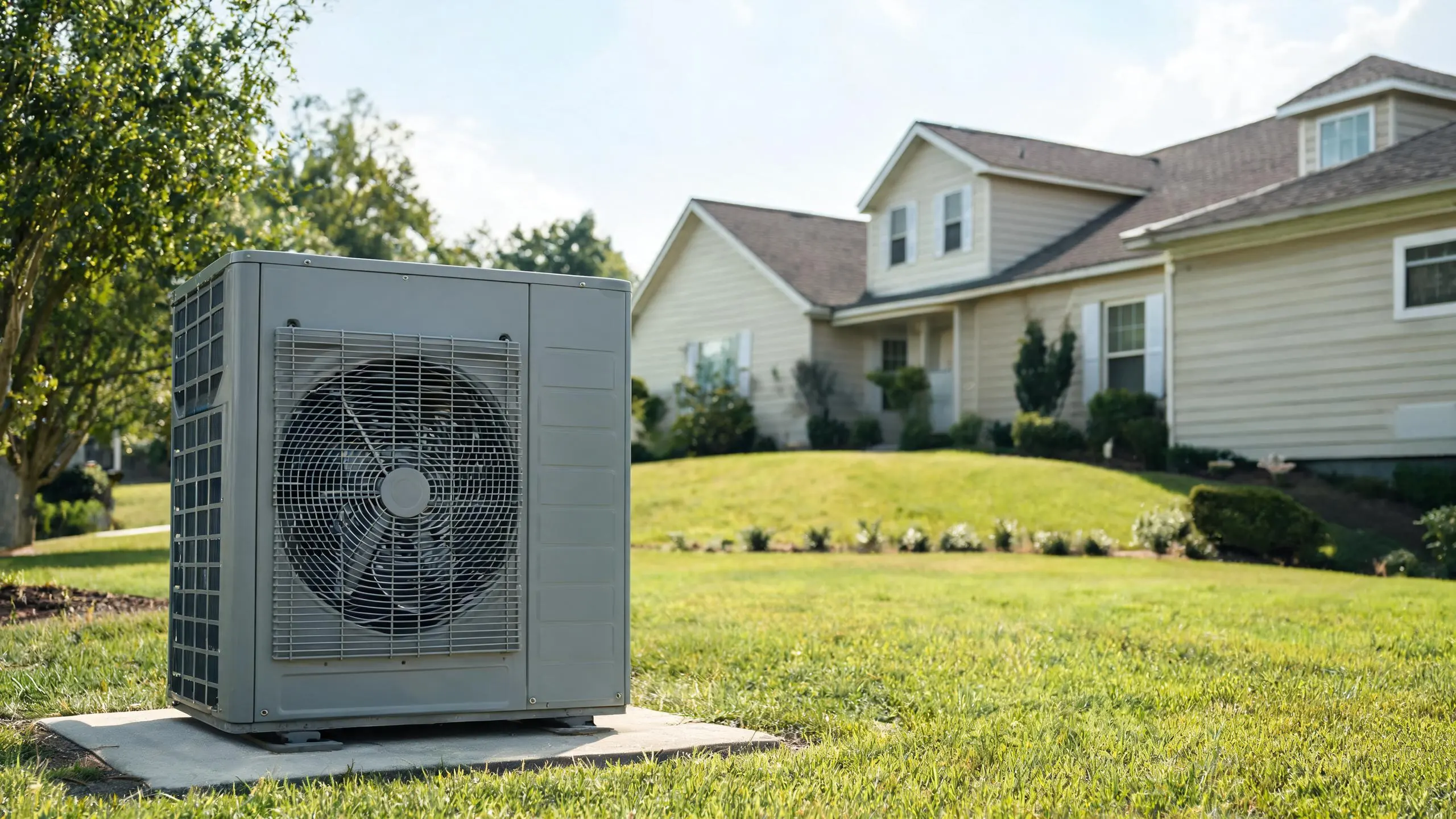





A gray outdoor HVAC condenser unit mounted on a concrete pad in the front yard of a two-story suburban house.

Heat Pump Installation in Lansing, MI

Tell us about the job

Takes about a minute. No obligation.

New system or replacementHeat PumpIngham County, MI
Step 1 of 2

What ZIP code is the job in?

Electricity here runs 19.96 cents per kilowatt-hour on average, higher than most of the country. A heat pump moves heat instead of burning fuel for it, so it gets more out of every kilowatt-hour than baseboard or resistance heat does. But it still runs on electric power, and in Ingham County that power costs more than it does almost anywhere else. That makes the efficiency rating on the unit itself matter more here than it would in a state with cheaper power. Two systems can heat the same house to the same temperature and leave you with very different bills, just because of how much electricity each one needs to do it.

8 months
October through May, your system heats
3 months
June through August, it cools
19°F
the average winter night it heats against
80°F
the average summer afternoon it cools against
Isometric line illustration of a cutaway single-story house showing interior rooms with ducted air distribution, an indoor air handler, furniture, and an outdoor condenser unit connected by lines outside the wall.
Your system heats October through May and cools June through August.

NOAA nClimDiv, 1991–2020 normals

Ingham County logged 44 severe weather events between 2015 and 2024, including wind, hail and winter storms.

The outdoor unit needs a spot that keeps it clear of falling branches and ice, and a plan for heat if the power goes out.

Half these homes were built by 1971, and the heat pump has to work with what's already there

Half the homes here were built by 1971
10 hail events from 2015 to 2024
12 winter storms from 2015 to 2024

Ingham County's dew point averages 60°F through June, July and August, lower than most of the US. That keeps the moisture load on the system lighter than what a heat pump deals with in the South, where it has to pull a lot more water out of the air to keep a house comfortable. Heating is still the bigger job here, since this is a cold climate zone, but neither side pushes the equipment as hard as it gets pushed elsewhere. That's worth knowing when you're picking a system. You don't need to pay for the highest efficiency tier on the market to get solid performance out of it in this county. A mid-tier unit, installed right and sized for the house, will hold up fine here.

Here, efficiency is part of the price tag

Electricity costs more in Ingham County than almost anywhere else, and that cost shows up every time the heat pump runs. The rating you pick now is what you'll live with on every bill after. Get the sizing and the installation right from the start, and that's one less thing working against you.

Find a contractor
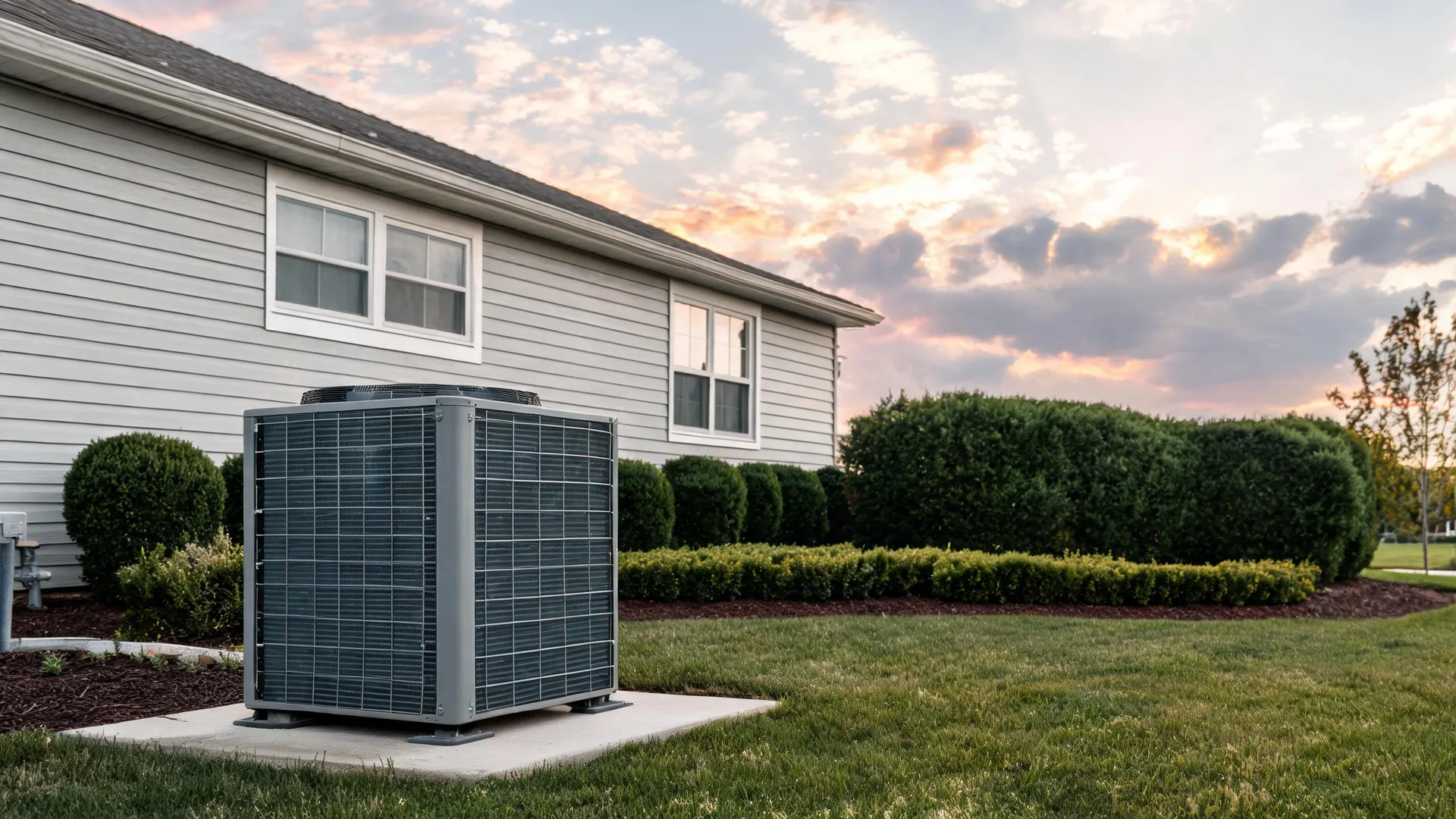
A gray outdoor HVAC unit mounted on a concrete pad beside a house with gray lap siding and a stone foundation.

Long hours, not a hard shift

Running most of the year isn't the same as running hard. The load that wears a heat pump out comes from how far it has to push, not how often it switches on. Ingham County's dew point stays low through summer, so the cooling side isn't pulling much moisture out of the air. Winters are cold, but the overnight average through December, January and February sits higher than in most of the country, so the heating side isn't working against the kind of extreme a mid-tier unit struggles with either. A system that logs long hours under that kind of load tends to show its age before it shows damage. When something does go wrong years in, that's usually what you're dealing with, age or a setup issue, not a part that got run past what it was built for.

Sizing decides more than the equipment does

A heat pump that's too big short cycles, switching on and off before it ever settles into a steady run. One that's too small runs flat out and still can't keep up on the coldest days. Getting the size right means a contractor has to actually calculate the heat loss and heat gain of the house, room by room, not just match whatever was there before. That calculation, and the ductwork changes it sometimes calls for, is where a lot of the labor in an installation goes.
The install work doesn't end at the unit

A heat pump needs a line set run between the outdoor and indoor units, a condensate drain that actually slopes the right way, and in a lot of homes, an electrical circuit that can handle the load. If the house is switching from a furnace, there's often duct or connection work to make the existing system compatible with how a heat pump moves air. None of that shows up when you're comparing sticker prices on units, but it's most of what determines whether the system runs the way it's supposed to once it's in.

When you're comparing quotes, ask what efficiency rating each system carries, both for heating and for cooling, since a heat pump has separate ratings for each and a unit can be strong in one and weak in the other. Ask whether the quote includes a load calculation specific to the house or whether the size was picked off the old equipment. Ask what refrigerant the system uses, since that affects parts availability down the road. Ask what the sound rating is on the outdoor unit, especially if it'll sit near a bedroom window or a neighbor's patio. Ask what the warranty covers on the compressor versus the rest of the parts, and whether it requires the installing contractor to do the maintenance to stay valid. A system that looks identical to another on paper can differ a lot in how it was sized and set up, and that's usually where the real difference in performance comes from.

Gas heats 68.5% of homes in Ingham County, more than any other fuel by a wide margin. That's the baseline a heat pump gets compared against here, not electric resistance heat. A heat pump replacing a gas furnace usually keeps the furnace or its ductwork in the mix as backup for the coldest stretches, since a well-sized heat pump can struggle to keep up once temperatures drop far enough. That's a different installation than swapping one electric system for another, with different wiring and controls to get right. Electricity heats 21.4% of homes here, so going from electric heat to a heat pump is a more direct swap, but it's still the smaller share of homes making that move.