Electricity here runs 20.25 cents a kilowatt-hour
That is higher than what most US counties pay. A heat pump runs on electricity for both heating and cooling, so that rate applies to the system no matter the season.
Takes about a minute. No obligation.
That is higher than what most US counties pay. A heat pump runs on electricity for both heating and cooling, so that rate applies to the system no matter the season.
At this rate, two heat pumps with the same price tag can cost very different amounts to run. The difference shows up on every bill the system is on.

NOAA nClimDiv, 1991–2020 normals
St. Clair County logged 110 severe weather events between 2015 and 2024, 82 of them damaging wind.
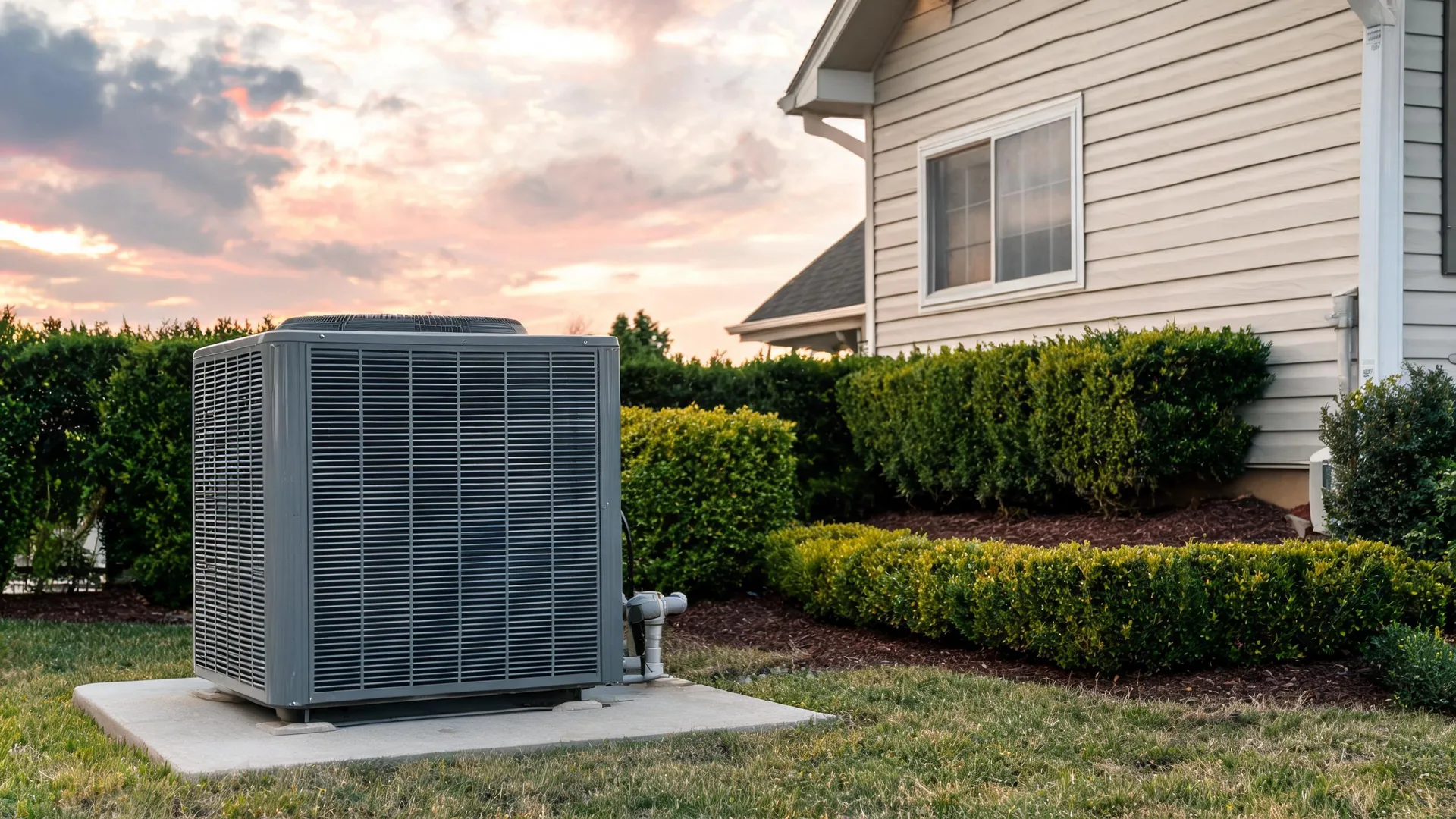
An outdoor unit needs a spot that keeps it clear of falling branches and out of the worst wind.



St. Clair County falls in climate zone 5A, a cool zone where the heating load matters more than the cooling load. Any split-system heat pump installed here, if manufactured from 2023 on, has to clear federal minimums: 14.3 Btu of heat moved per watt-hour over the summer, 7.5 Btu per watt-hour over the winter. Those are floors, not targets, so a contractor sizing a system for this county is already starting above them. Given what power costs here, the gap between a unit that barely clears that floor and one built well past it shows up fast on a winter bill.
Power here costs more than in most places, and a heat pump runs on it year round. That makes the difference between a unit that just clears the efficiency minimum and one built past it worth asking about before a system gets picked, not after.
Find a contractorHeat runs here from October through May, about eight months a year. Cooling picks up in June and holds through August. Add those together and this system is working most of the year, not idling between two short runs. Overnight lows average 20°F across December, January and February, so the heaviest months fall right in the middle of that eight-month run. Put a new system in during September, before that load shows up, and whatever needs adjusting gets caught while the weather is still easy on it.
A contractor works out the right size by figuring how much heat the house loses in winter and gains in summer, room by room. That means looking at wall and ceiling insulation, window area, and how the place is laid out, not just matching whatever was there before. A heat pump sized off the last furnace or the square footage alone is a guess, not a calculation.
A heat pump that's too big satisfies the thermostat fast and shuts off before it's pulled the moisture out of the air, so the house feels clammy even at the right temperature. It also cycles on and off more, and that short cycling wears on the compressor. One that's too small runs flat out and still can't keep up when it's coldest, leaning hard on backup heat to make up the difference. The right size runs longer, steadier stretches and holds the temperature even.
The old equipment does not get left in place once the heat pump goes in. If a furnace is staying on as backup heat, a contractor ties the new system into the existing ductwork and controls so the two work together instead of fighting each other. If the furnace is coming out entirely, that means disconnecting the gas line and venting along with the unit itself. An old outdoor condenser or heat pump gets disconnected from its refrigerant lines, and those lines get evacuated properly rather than just capped off. Refrigerant can't be vented into the air, so it has to be recovered before anything gets hauled away. Whatever gets pulled out, the electrical circuit feeding the old unit either gets reused for the new one or capped off safely, not left live and unused.
The dew point here averages 60°F through June, July and August, lower than most of the country sees. That's the number that measures how hard a heat pump has to work to pull moisture out of summer air, and it means the cooling side of the job is light. The strain on a heat pump comes less from how long it runs and more from how hard each stretch of running is, and summer here doesn't ask much of it. Winter is the bigger load, but it's a steady one, not a spike a unit has to fight through. That's reason to size the system right and pick one built solidly past the federal minimum, not reason to chase the top efficiency number on the shelf. What wears a heat pump out here tends to be age and a missed service call, not the climate.