



What winter here does to a heat pump
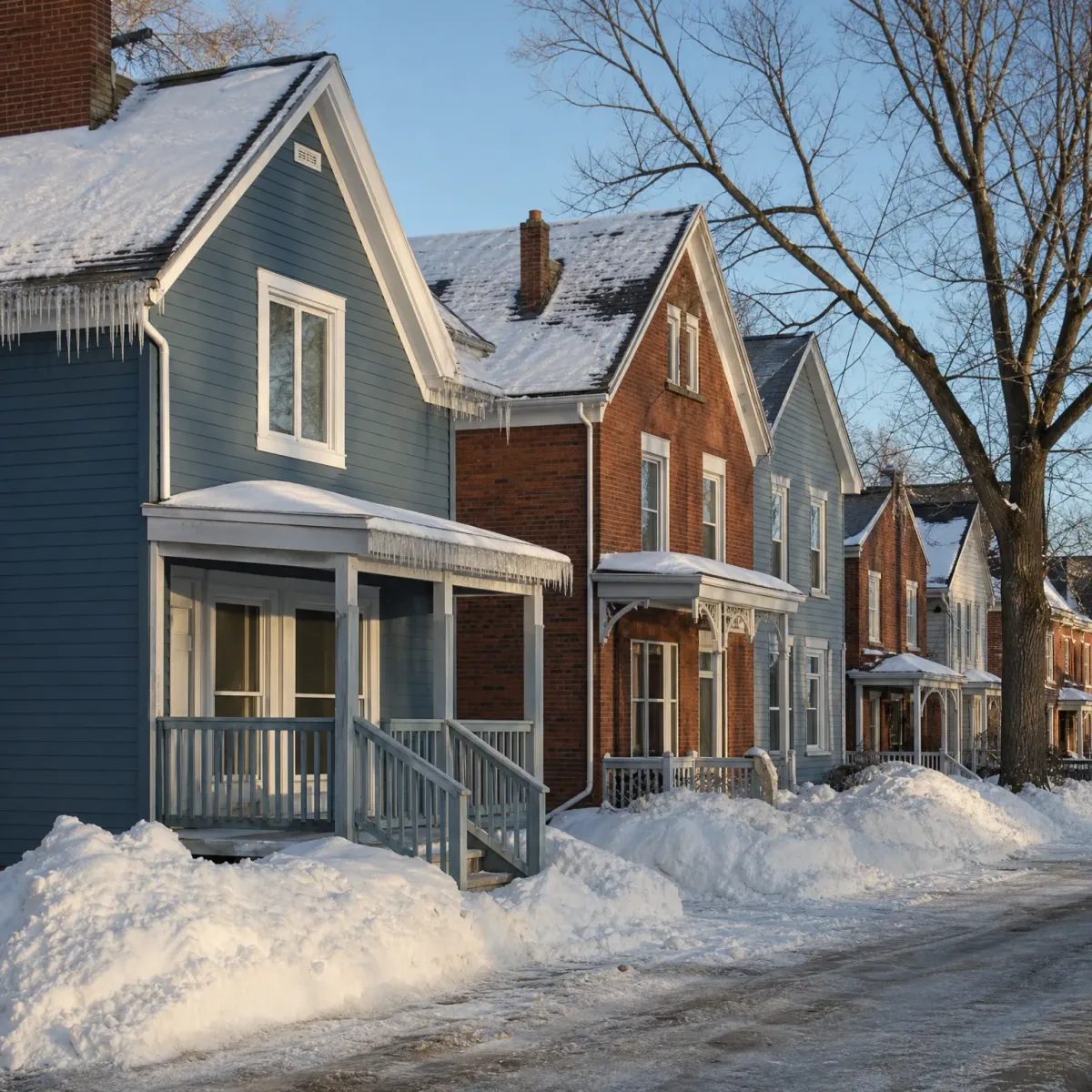
Heat runs about eight months a year in St. Clair County, October through May, and the overnight low averages 20°F across December, January and February. That's the question a heat pump has to answer here. Not whether it can make heat in the cold, it can, but what happens to its output and its cost once the temperature drops where it lives most of the winter.
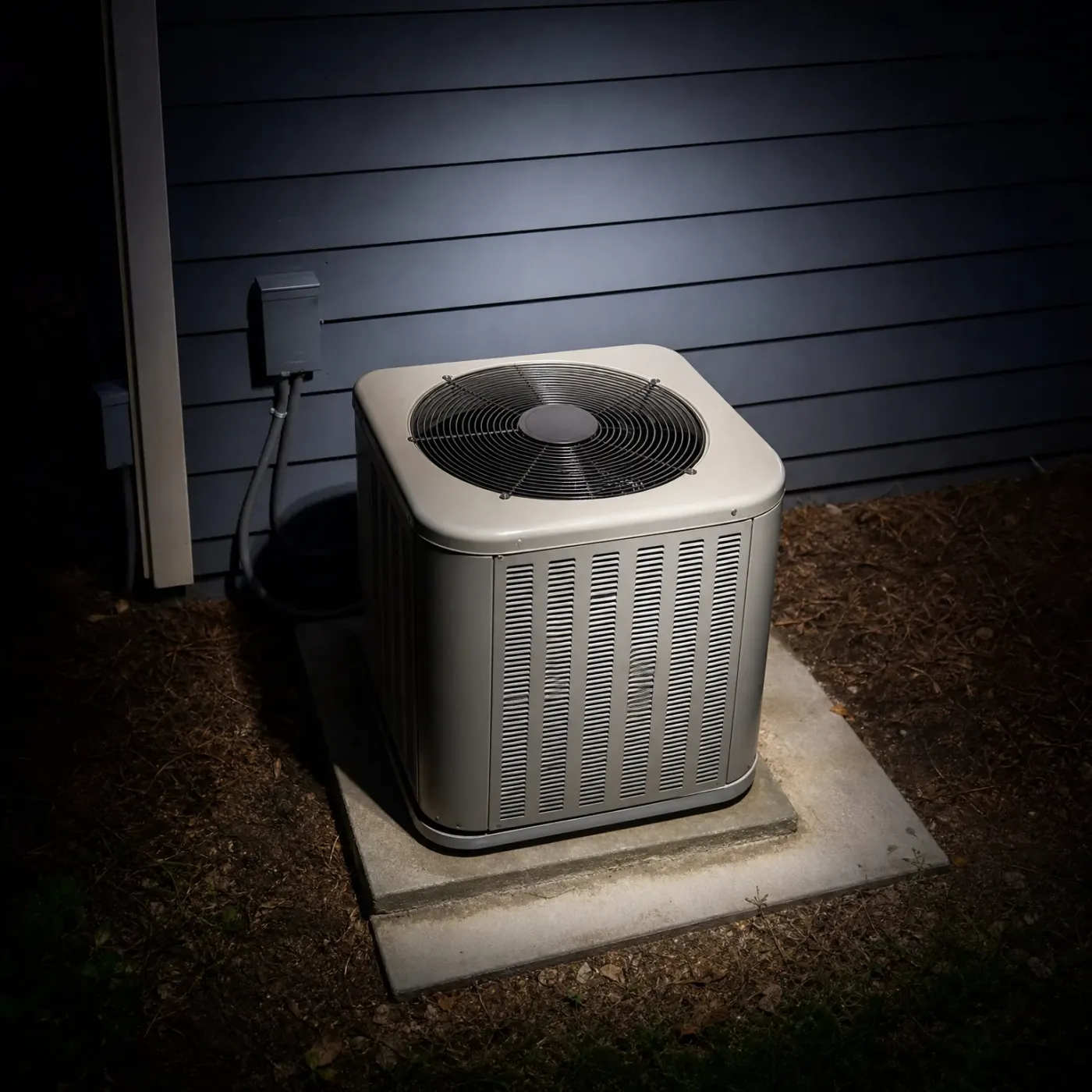
A standard heat pump starts losing ground below 40°F. Its heating output falls under its rated capacity, and the lower the temperature goes, the bigger the gap, down to a fraction of its rating in the teens. Separately, somewhere around 35°F, most standard heat pumps need help from backup heat to keep up. St. Clair County's winter average low of 20°F sits below both marks. So does every one of the roughly 135 nights a year here that drop to freezing or below, over half the nights across an eight-month heating season.
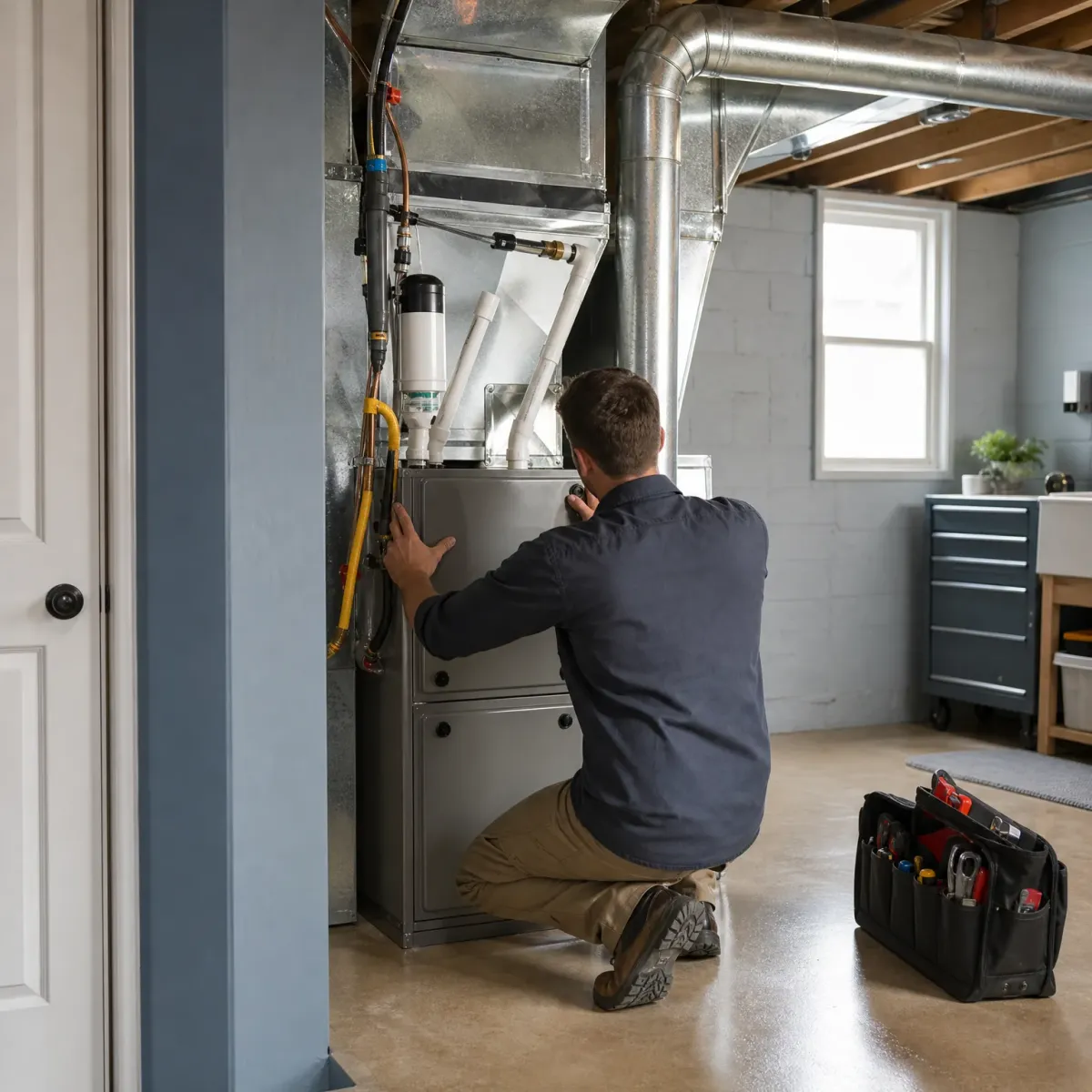
That doesn't mean a heat pump can't heat the house. It means on most winter nights here, a standard one is either working below its rated output or leaning on backup heat to make up the difference, and backup heat on a standard system is usually electric resistance, the most expensive way to make heat. A cold-climate heat pump, the kind certified to hold at least 1.75 units of heat per unit of electricity at 5°F and keep 70 percent of its 47°F capacity at that temperature, is built for exactly this. Field testing on prototype cold-climate systems found backup heat covered only a small share of the load between 0°F and 35°F, and running on backup alone was rare even above 0°F. That distinction, standard versus cold-climate, matters more here than in most places, because St. Clair County spends more of its winter in that below-35°F range than above it.